
Ayşegül Selenga Taşkent
Directing
Biography
Ayşegül Selenga Taşkent is a Turkish filmmaker from Ankara. Her passion and interest for art and cinema started at an early age and after college pushed her to pursue filmmaking abroad. She received MA degree in Media Studies in England. In 2007, with a full scholarship, she earned an MFA degree in Media Arts Production at SUNY, Buffalo, USA. Her first documentary Volga, Volga: Living with Schizophrenia (2008) was screened in international festivals and won the Jury Prize in the 19th Ankara International Film Festival. Her second documentary Girls of Hope (2012) received the 2012 Rome Independent Film Festival Honorable Mention Award. In her works, Ayşegül Selenga Taşkent’s art focuses on social issues, human rights, love and peace. Through her work, she hopes to contribute to make the world a better place.
Known For
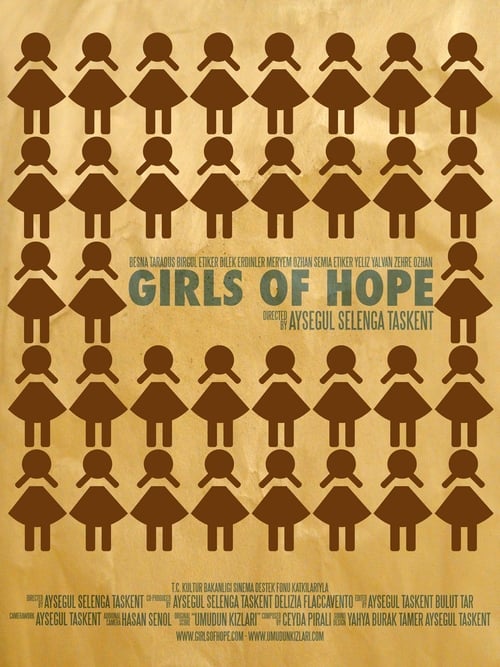
In Turkey far too many women are still unable to read and write, and all they see in their life span is being forced into early marriage and relegation to the home, where they look after extended families and more children than they can feed. The girls are portrayed in their homes, together with the strongest supporters of their emancipation through education: their mothers. Girls of Hope portrays five girls who struggle for their education and, despite all the difficulties, try to hold on to their hope for a better future.
Girls of Hope
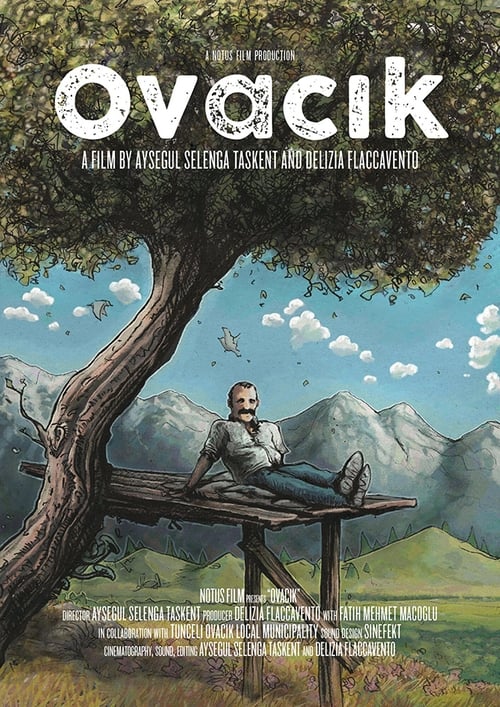
Unknown to the rest of the world, Ovacik is a place where production meets solidarity and hope with almost no budget. Its mayor is the first mayor ever elected from the Turkish Communist Party. The film follows the mayor and the residents who work to develop a sustainable economy by promoting community-based agriculture. The story of Ovacik sets an example for agricultural towns around Turkey.
Ovacik
A white man traveling in a foreign country enters an elevator and meets a middle-east woman in niqab. The man estranged by the presence of the niqab in a closed space observes the woman with curious eyes. The elevator stops all of a sudden and there is no sign of help. The man offers water and the woman in a niqab drinks a sip disclosing her face behind the niqab. After a while, another crash of the elevator makes the mirror break and the man is badly cut by the broken mirror. The woman unties her niqab decidedly to help the man stop bleeding. At the very moment come the people to rescue the two.