Acting
No description available.
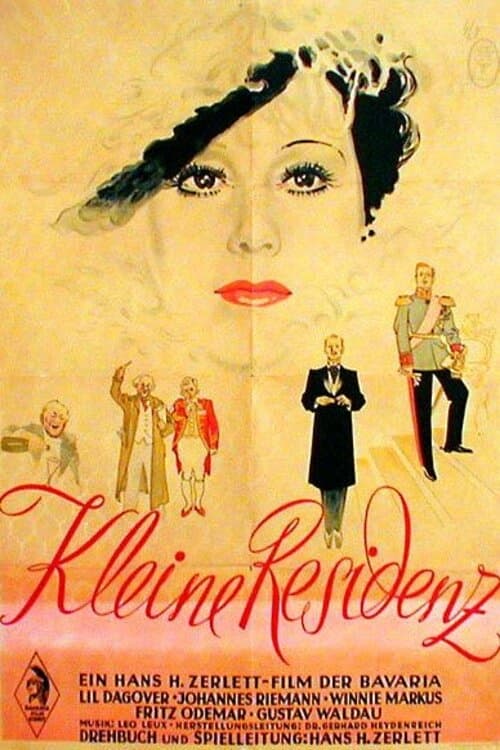
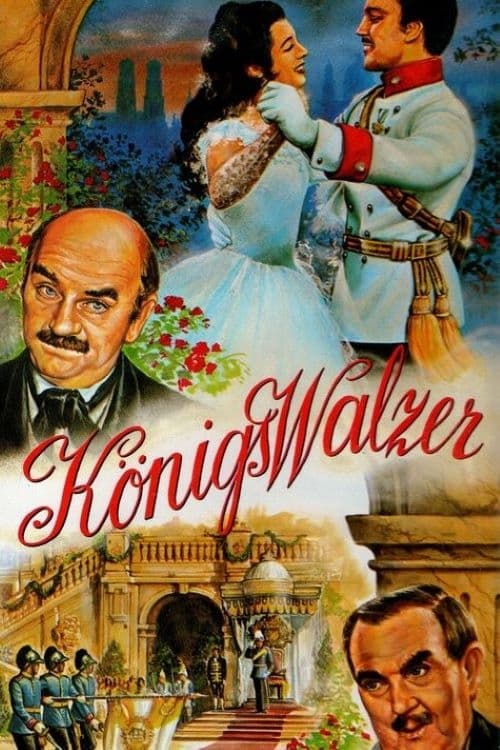
It’s 1910 and we’re in the duchy of Lauffenburg. Everybody is celebrating the 600th birthday of the local hero, Otto the Ironman, who in his time saved the duchy from annexation and beat the enemy so badly, that he fled ... well, that’s what it says in the history books, at least. Local gossip asserts, however, that Otto wasn’t even part of the battle and was spending his time having fun with a pretty girl. When one day a piece is introduced at the court theatre, which tells the heroic story of Otto, the director rejects the mediocre story.
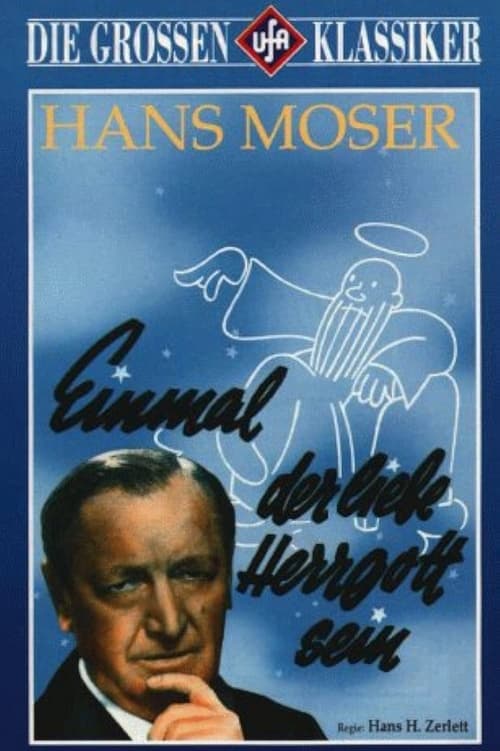
Karl Geschwandtner, a porter in a large hotel, has only one wish: one day, he'd like to be the lord and master, as the saying goes: to be the porter and 'ruler' in the hotel. And luck helps him to temporarily fulfill his dream. But Karl doesn't just take over running the hotel, he feels the need to stick his nose in the life of his hotel guests, too. There are couples, who don't want to be put together or apart. When a valuable jewel goes missing, he plays detective and only succeeds in helping the thief to rob the hotel guests at his leisure. Pretty soon, chaos reigns at the hotel; there's massive confusion. Even the newspaper seller, Wally, whom Karl secretly loves, is slowly starting to mistrust him. When the director of "Hotel Europa" finally returns, he throws Karl out, who thereupon simply rents a room as a guest.
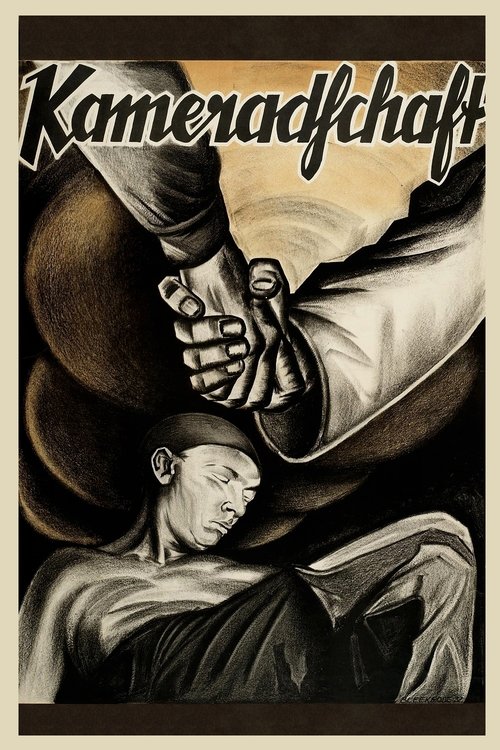
At a mine on the shared edge of France and Germany, an underground explosion leads to the entrapment of a group of French miners. In an effort to save the trapped Frenchmen, German miners Wittkopp and Kasper take it upon themselves to traverse a crumbling war tunnel leading down into the mines. Yet, though the workers harbor no political biases against one another, their callous, less tolerant bosses hope to halt this cross-cultural rescue mission.
1958: during the Russian campaign, a military priest is called upon to assist Private Baranowski, who has been sentenced to death for desertion, on his last night. It is also the last night before the departure for Stalingrad, which the soldiers know means certain death. The priest leaves his room to a captain so that he can meet his fiancée one last time. He himself remains in Baranowski's cell and struggles with his conscience and his emotion - even more so when he learns that the young doomed man committed desertion out of love. But the execution is carried out, and a member of the firing squad finds only cynical words for the soldier's fate.
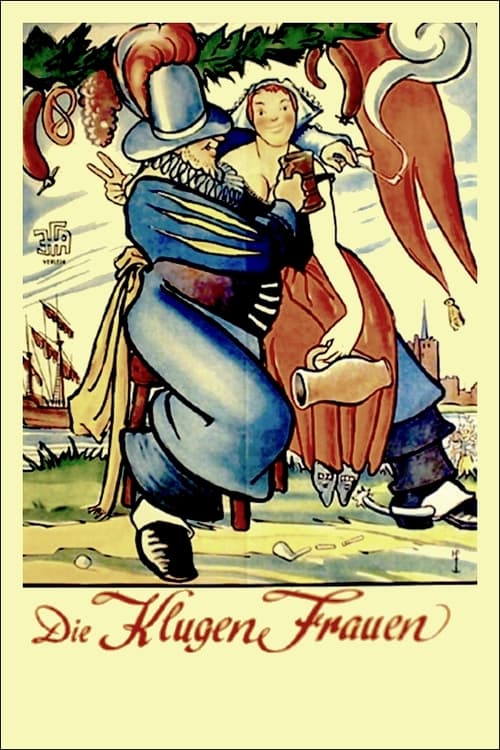
Flanders, Hispanic Monarchy, 1616. The inhabitants of the small town of Boom are busy organizing the annual local festivities when the arrival of the Duke of Olivares, who rules the country on behalf of the King Philip III of Spain, is announced. While the male citizens cowardly surrender to panic, the brave female citizens decide to become the best hosts the Spaniards can ever meet. (German version of the French film La Kermesse héroïque, 1935.)
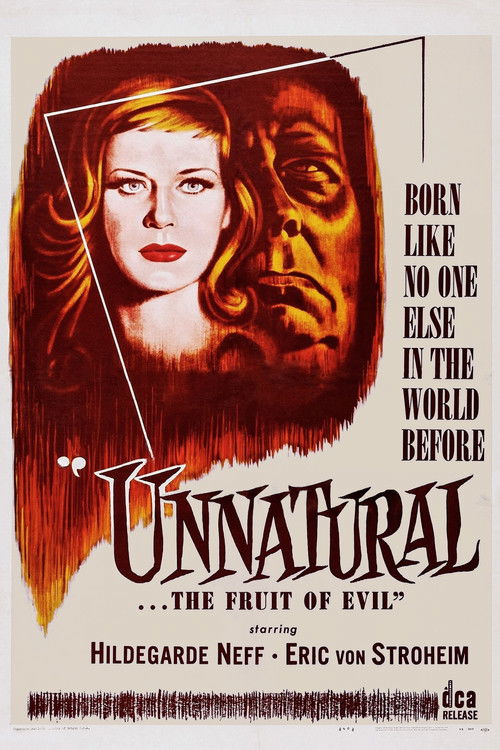
In the 1800s, a stormy love relationship develops quickly between a young medical student and a woman believing herself to be the daughter of his scientist uncle, the student having never heard of her before their chance encounter and both unaware that she is the result of the scientist's illegal experiments with artificial insemination..
Fernand has escaped from prison and finds shelter in the traveling circus Barlay, where his former wife Flora works as a predator trainer. Their son, now grown up, Marcel is an art rider and does not know that Fernand is his father. Marcel loves Yvonne, the daughter of director Barlay. He is against the connection, sends his daughter to Italy and convinces Marcel that Yvonne does not return his feelings.
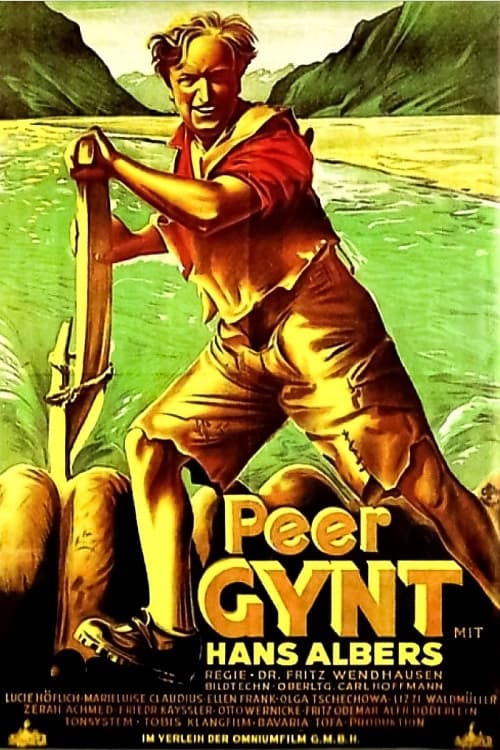
Fun-loving Peer Gynt lives carefree on his parents' farm. Only his mother is a fixed point of reference; he doesn't think much of regular work and an orderly life. His mother's death brings him closer to the young Solveig, but he leaves her and his homeland to make his fortune in America.
Policeman Haller becomes a fire policeman in Munich, in order to find back his fiancée Hilde. After a while, he really finds her, but she is still jealous because of a dancer Haller flirted with. Also, Haller suspects Wiedemann to be a competitor in his fight for Hilde's heart. Suddenly, Haller finds out that Wiedemann is a criminal and plans to rob the safe of the chemistry lab Hilde is working in. Haller wants to bust Wiedemann alone, but some things happen that make it all much more complicated.
Penniless Peter Schild looks for work when arrived in Germany. Working as a private eye he has to observe a young lady who is willing to marry an unemployed actor against the will of her parents.
This is essentially a "Kraft durch Freude" propaganda film though the organization is never mentioned. A company's three day outing might very well be the last because bankruptcy is just around the corner. The people on the trip have all their individual problems and wishes, too. This episodic film might sound quite promising considering the basic idea but its script is determinedly optimistic and leads everything and anything to a happy end. The dramatic parts are finished in a rather implausible way, the comedic are terribly predictable. There's a badly misjudged singing scene in the bus, some bavarian shtick, the Regensburger Domspatzen are singing in Augsburg and so on...
Painter rookie Pamela plans to work in advertising but established artist Alwin falls for her and urges her to hone her craft. He guides her to fragile success, she detests being dependent on him and tries to succeed on her own.
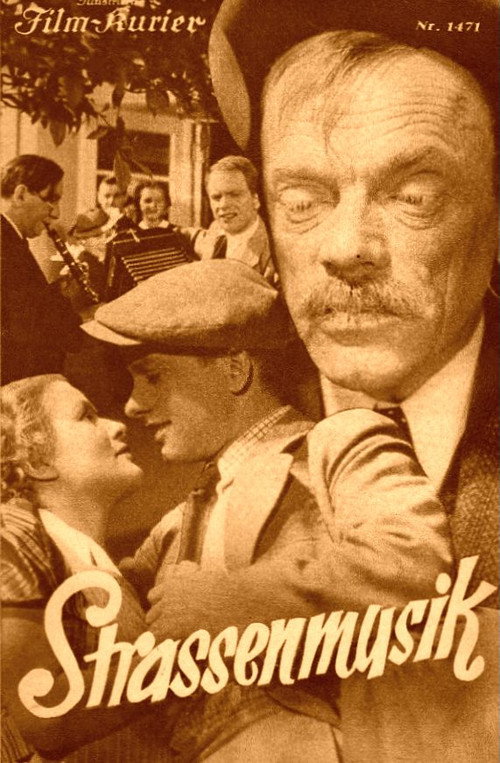
The three musicians Hans, Otto and Paul have no work and propose becoming street musicians with the support of Grete, who lives in the same apartment building. One day, Otto finds a valuable object. Rather than turn it in to the police, he sells it for money and then uses the money to buy alcohol. Hans, however, squanders his share at a fair and flirts with the widow Neumann. This hurts Grete deeply, who, without Hans’ knowledge, is expecting a child.
The contrast between city and country living.