Acting
Postman Titus Müller returns from his daily rounds with a letter that will change the course of his modest provincial existence.
No description available.
In 1887 in Munich, a rising artist paints a portrait of a dancer. The success of it during an exhibition leads to him being awarded a major commission in Rome, and he begins to move in high society. By the time he returns home he has almost forgotten about her.
Peter Korff isn't a famous actor yet, but he is young, handsome, adventurous – and once again hopelessly in love. The object of his affection is named Erika and works as a model at the fashion salon "Yvette." Although the pretty young woman claims to be just as in love with Peter as he is with her, she's always up for a little fling behind his back.
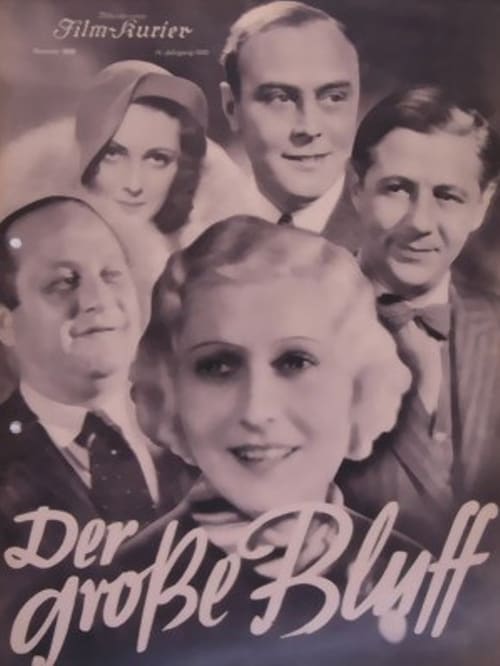
During a spectacular break-in at the villa of film star Marion Milner, the jewel thieves fortunately only manage to get their hands on imitations of the valuable jewelry. The police suspect the notorious master thief Silver-Jim, whom they have long been after. The commotion surrounding the break-in comes in quite handy for film producer Otto Pitt, who is currently shooting a crime film, as he hopes it will generate some free publicity for his project.
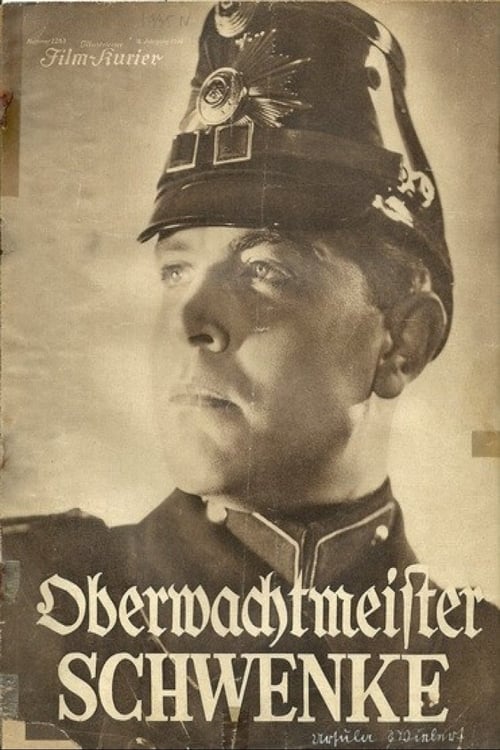
A pretty girl helps a popular Berlin policeman solve the murders of a woman he knew and the crooked banker the victim worked for.
Newlyweds Käthe and Max met while studying law. Trouble ensues when Max takes on his first case without telling his wife.
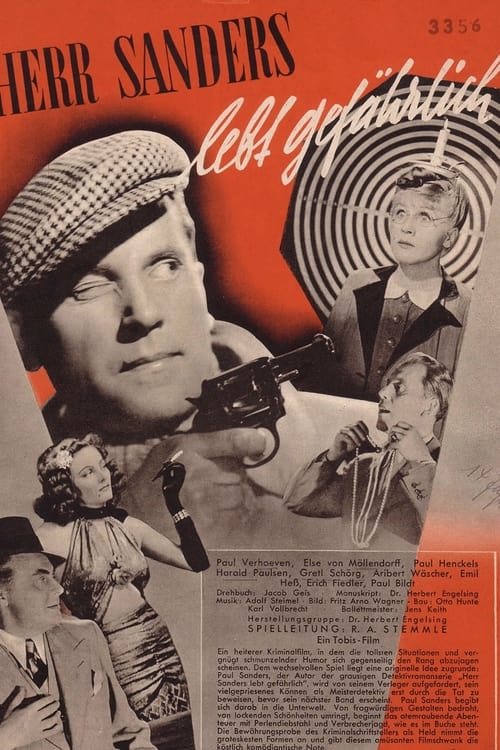
Until now, the detective stories by author Paul Sanders had always sold splendidly – likely due in no small part to the fact that he always tested all his murderous tricks on his long-suffering secretary, and that all the cases came from the archive of his friend Caspar Natter, a retired police detective. Sanders was all the more shocked, therefore, when his publisher informed him that readers were no longer interested in his books, a fact confirmed by the weak sales figures.
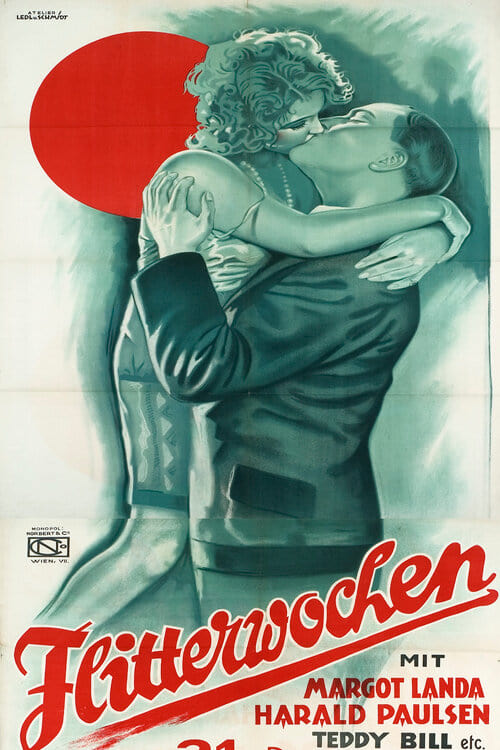
The two happy fitters Eddy and Tommy are doing overtime to ensure the great travel-exhibition of the department store they work in is ready for display. Outside, they see a poor newspaper seller, who looks longingly at the beautiful things in the display window. So they simply decide to smuggle the unfortunate inside and compete to win her favor by giving her gifts from the shelves of the department store. In their frenzy of happiness, they don’t notice that the girl is taking the fun little game for the truth. When she realizes that she has to give back the alleged gifts, she runs away.
The stand-alone opera singer Carmen Casini dare not admit to her adult son, the spoiled race car driver Cecil, that she ruined her voice on a stormy day at the racetrack and that her career is thus at an end. Meanwhile, Cecil has fallen in love with the pretty Colette … without suspecting that her father, the wealthy Bartell, was a former lover of his mother and that he’s Cecil’s daddy. Thus, both Carmen and Bartell try to prevent the unfolding love-relationship between brother and sister, because this ain’t the Ozarks, you know! Only after the unhappy Cecil tries to commit suicide after an argument with his mother do Carmen and Bartell realize they still love one another. Suicide attempt be damned; let’s go out on a date! A movie that screams “Fun for the whole family.”
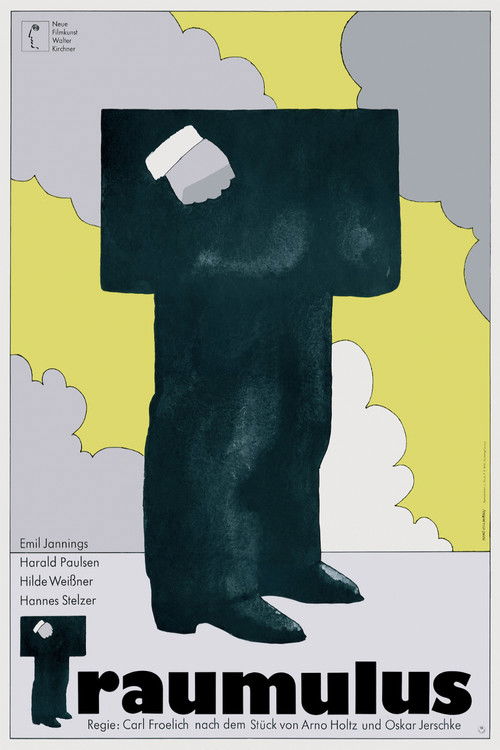
This film is a fascinating showcase for Emil Janning's theatrical play. He's a gentle school teacher who believes in his boys and is easily fooled about all things, while the other town officials want him dismissed. Curiously it's very hard to see what the film is exactly aiming for. Disaster strikes and the lax prof proves to be too far removed of the real problems of the world, on the other hand his enemies are shown in the most unsympathetic, satirical way denouncing the militaristic, bourgeois ideology of the Kaiserreich.
The delightful Johann Strauss comic opera Die Fledermaus was mercilessly lampooned in this truly bizarre production. For starters, a framing device has been added: After appearing in 300 consecutive appearances of Fledermaus (which translates as The Bat) the lead tenor (Georg Alexander) imagines that he's seeing bats everywhere. Driven a bit over the edge by all this, he falls asleep and has a nightmare about the opera, with a group of non-singers cast in the leading roles. The original libretto about romantic assignations, political imprisonments and mistaken identity is burlesqued to the hilt: at one point, the hero finds out that his prison cell is surrounded by rubber tubes!
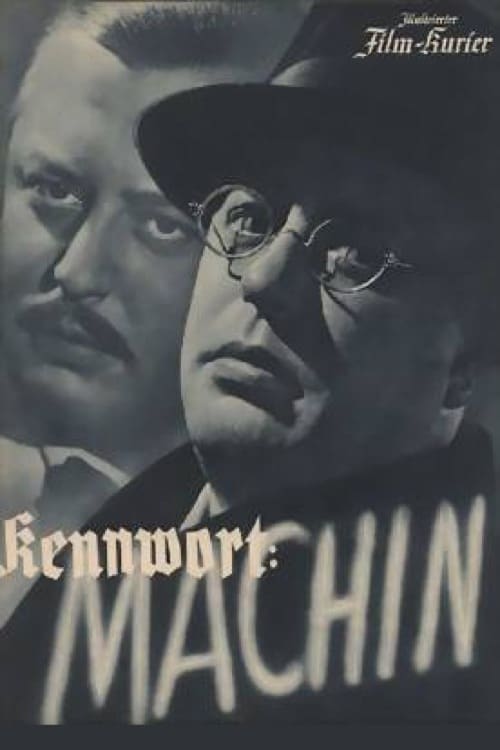
The cashier, Jürgen Borb, has already worked for 10 years at Dadag in Hamburg and is an example for customer service and company loyalty. His professionalism are matched by the trust of his employers, who, while relating to him in an acceptable manner professionally, desire no closer contact with him outside of the workplace. When Borb suddenly disappears one day, Dadag's directors and Borb's colleagues are surprised. They become even more surprised when they soon discover that Borb has embezzled well over a million marks from the firm. His stepsister, Mette, doesn't believe that her stepbrother is an embezzler. In the meantime, she has fallen in love with a criminal investigator, who, she believes, is simply exploiting her affections to get to Borb. Then one day, the criminal investigator finds a body in the cellar of a house Borb rented under a false name and this man created a phony ID card for Borb, identifying him as a resident of a South American country.