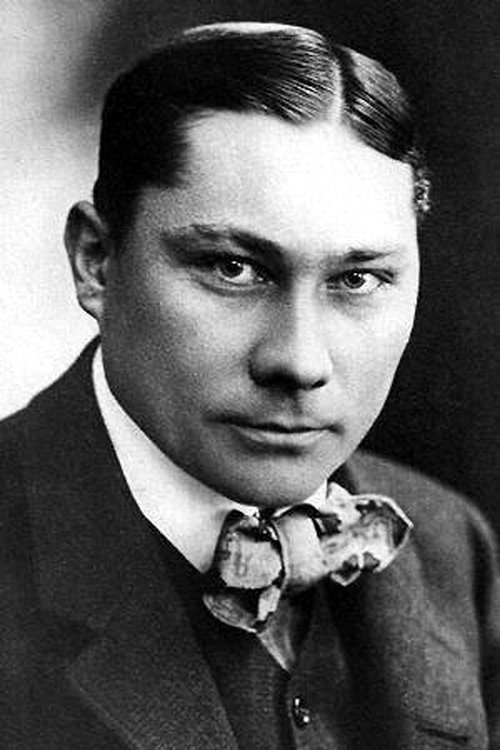
Paul Wegener
Acting
Biography
Paul Wegener was a German actor known for his pioneering roles in Expressionist films. He can also be considered a father of horror for his breakout role in The Student of Prague (1913). Wegener maintained a career throughout and after the Nazi era, starring in his last film in 1948.
Known For

In 16th-century Prague, a rabbi creates the Golem - a giant creature made of clay. Using sorcery, he brings the creature to life in order to protect the Jews of Prague from persecution.
The Golem: How He Came Into the World

The favorite slave girl of a tyrannical sheik falls in love with a cloth merchant. Meanwhile, a hunchback clown suffers unrequited love for a traveling dancer who wants to join the harem.
Sumurun

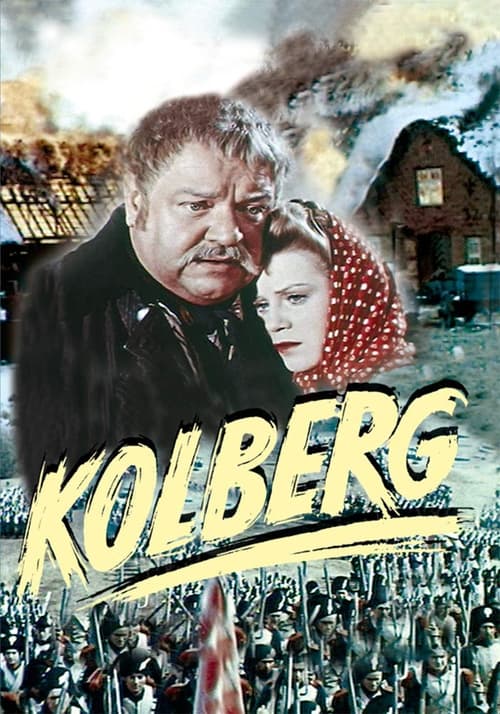
During Napoleon's victorious campaign in Germany, the city of Kolberg gets isolated from the retreating Prussian forces. The population of Kolberg refuses to capitulate and organizes the resistance against the French army, which immediately submits the city to massive bombardments.
Kolberg

The hypnotist Svengali makes an artist's model sing, but cannot force her love.
Svengali

A German wartime biography of Rudolf Diesel, inventor of the Diesel engine. The movie links the importance of the engine to the war by starting the movie with newsreel clips of German Navy U-boats in action.
Diesel

Rodrigo Borgia, Pope Alexander VI, has three adult children: Juan, who is virtuous and has a sweetheart who is a woman of the people, Lucrezia, who is virtuous and wants to marry Alfonso, and Cesare, who is wicked and lusts after Lucrezia, Juan's girlfriend, and probably others. Cesare has vowed to kill any suitor for Lucrezia's love, and he has three thugs to carry out his wishes. Bodies fall into the Tiber, into the Colosseum (with lions prowling), and onto the Vatican floors.
Lucrezia Borgia

Hanns Heinz Ewers' grim science-fiction novel Alraune has already been filmed twice when this version was assembled in 1928. In another of his "mad doctor" roles, Paul Wegener plays Professor Brinken, sociopathic scientist who combines the genes of an executed murderer with those of a prostitute. The result is a beautiful young woman named Alraune (Brigitte Helm), who is incapable of feeling any real emotions -- least of all guilt or regret. Upon attaining adulthood, Alraune sets about to seduce and destroy every male who crosses her path. Ultimately, Professor Brinken is hoist on his own petard when he falls hopelessly in love with Alraune himself. Alraune was remade in 1930, with Brigitte Helm repeating her role, and again in 1951, with Hildegarde Knef as the "heroine" and Erich von Stroheim as her misguided mentor.
A Daughter Of Destiny

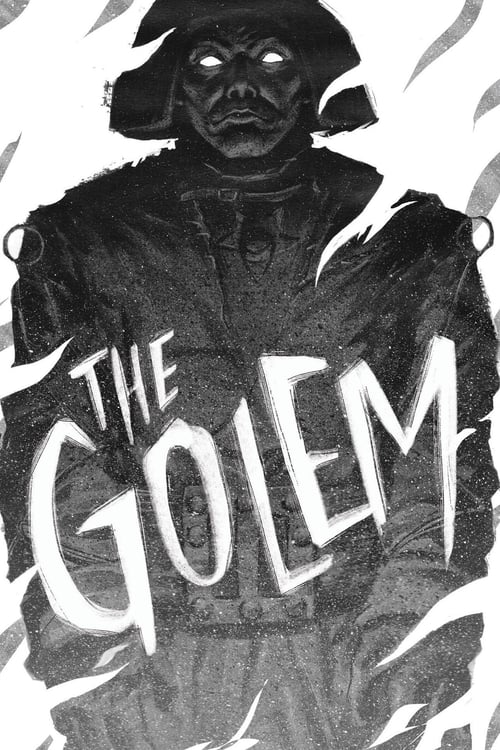
This mostly lost film is often confused with director Paul Wegener third and readily available interpretation of the legend; Der Golem, wie er in die Welt kam (1920). In this version of the golem legend, the golem, a clay statue brought to life by Rabbi Loew in 16th century Prague to save the Jews from the ongoing brutal persecution by the city's rulers, is found in the rubble of an old synagogue in the 20th century. Brought to life by an antique dealer, the golem is used as a menial servant. Eventually falling in love with the dealer's wife, it goes on a murderous rampage when its love for her goes unanswered.
The Golem

A crazed scientist murders his wife, walls her up, then flees. A reporter sets out to track him down. Remake of Unheimliche Geschichten (Richard Oswald, 1919).
The Living Dead

Prague, Bohemia, 1820. Balduin, a penniless student, falls in love with Countess Margit, a wealthy noblewoman whom he has saved from drowning.
The Student of Prague

The story of Madame DuBarry, the mistress of Louis XV of France, and her loves in the time of the French revolution.
Madame DuBarry
A Nazi propaganda movie from 1941 directed by Max W. Kimmich, covering a story of Irish heroism and martyrdom over two generations under the occupation of the British.
My Life for Ireland

The Ethiopian King offers his daughter to a powerful Pharaoh to secure peace between the two countries.
The Loves of Pharaoh

The only surviving excerpt of a documentary on film production in Weimar Germany, featuring the different personalities of several famous directors of the era at work on the set including Fritz Lang, Robert Wiene, and E.A. Dupont.
The Film in the Film

A man of mystery known only as Doctor Terror recounts seven stories from his casebook of personal encounters with evil and the supernatural.
Dr. Terror's House of Horrors

A young woman, Margaret Dauncey, is caught between the forces of a charlatan magician, Oliver Haddo, whom she is unable to resist, and the love of a handsome surgeon, Arthur Burdon, who has saved her from being a helpless cripple by performing a delicate operation on her spine.
The Magician

Vanina loves rebel leader Octavio, who gets caught. He gets a pardon and marries Vanina. When he is captured again, Vanina helps him to escape prison. They are both caught, and after his execution she dies from grief.
Vanina

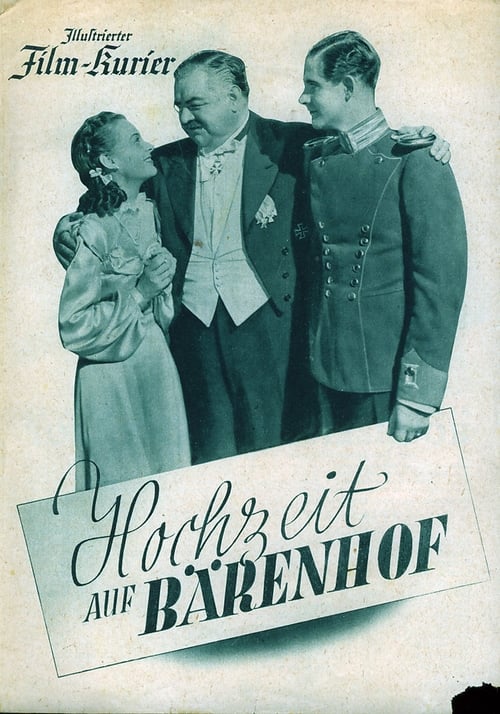
Lothar von Pütz and Roswitha von Krakow fall in love and only then discover that their fathers are bitter enemies. When Lothar's father dies, a close friend of his father's, Baron Maximilian von Hanckel, takes the boy under his wing and tries to make peace between the families. He visits Roswitha's father, who begins to hope that he can marry his daughter to the older, but wealthy, baron, who is still a bachelor. When an argument breaks out between Lothar and Roswitha, she agrees to marry Maximilian. It is only at the pre-wedding party that Roswitha and Lothar have a real conversation. Maximilian overhears everything, releases Roswitha from her vows, and brings the two young people together.
Wedding in Barenhof

Six sequences about Fascism and its segments throughout history.
FASCISM(s): A Film in Six Parts

No description available.