Acting
Prim professor Immanuel Rath finds some of his students ogling racy photos of cabaret performer Lola Lola and visits a local club, The Blue Angel, in an attempt to catch them there. Seeing Lola perform, the teacher is filled with lust, eventually resigning his position at the school to marry the young woman. However, his marriage to a coquette -- whose job is to entice men -- proves to be more difficult than Rath imagined.
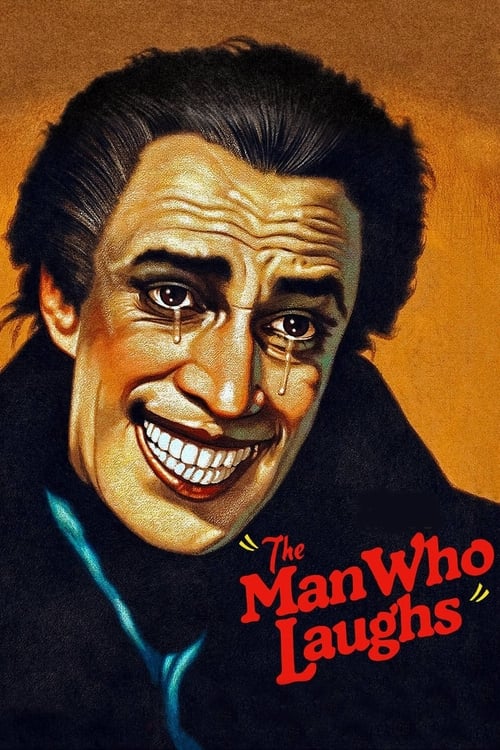
When a proud noble refuses to kiss the hand of the despotic King James in 1690, he is cruelly executed and his son surgically disfigured.
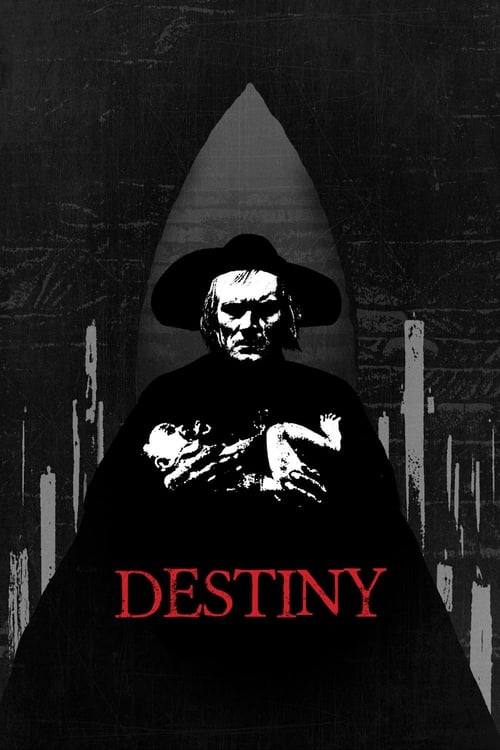
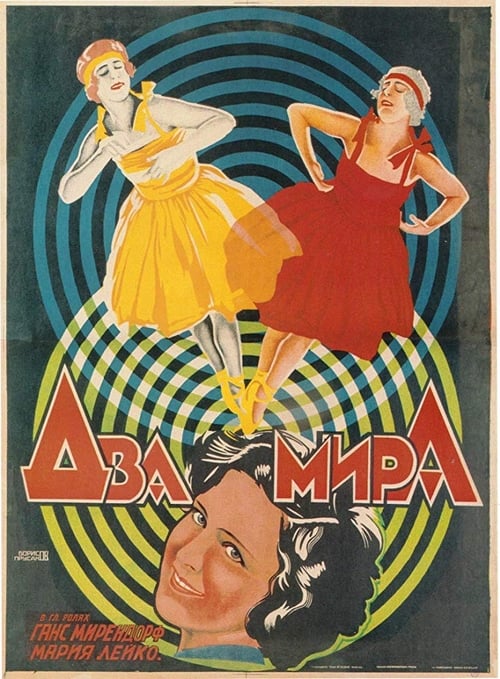
As a young couple stops and rests in a small village inn, the man is abducted by Death and sequestered behind a huge doorless, windowless wall. The woman poisons herself in order to join him and is met by Death, who gives her three opportunities to prove that love is stronger than death, thereby freeing her beloved from his fate.
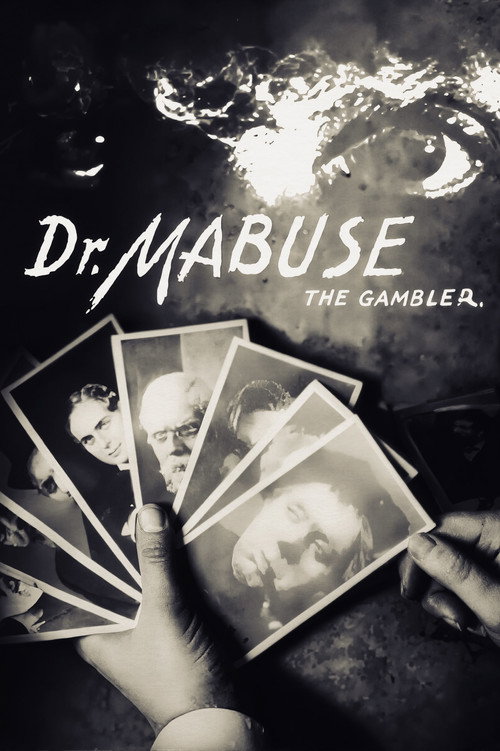
Dr. Mabuse and his organization of criminals are in the process of completing their latest scheme, a theft of information that will allow Mabuse to make huge profits on the stock exchange. Afterwards, Mabuse disguises himself and attends the Folies Bergères show, where Cara Carozza, the main attraction of the show, passes him information on Mabuse's next intended victim, the young millionaire Edgar Hull. Mabuse then uses psychic manipulation to lure Hull into a card game where he loses heavily. When Police Commissioner von Wenk begins an investigation of this mysterious crime spree, he has little to go on, and he needs to find someone who can help him.
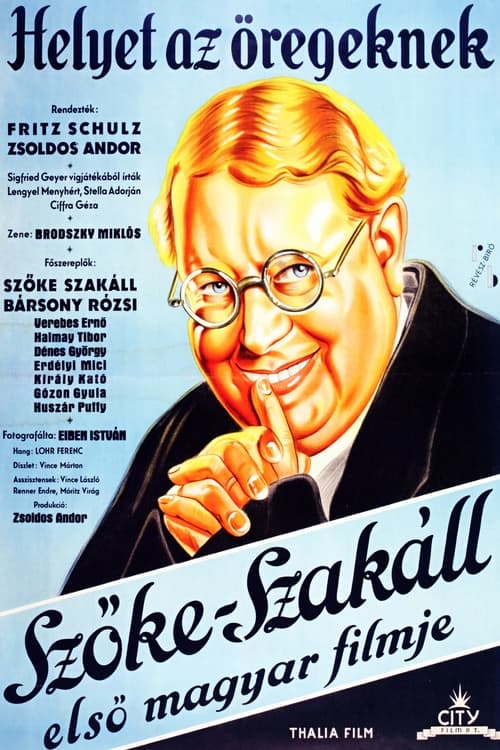
Mr. Polgár is a provincial paper dealer. His sons, Viktor and Feri, are managers in a big factory in the capital, spending their money lavishly, living their lives in a careless, irresponsible way. Viktor is to marry a baroness and feels rather too uneasy about his father's small business. He persuades his old man into selling the business he had so long cherished and to move to their place in Pest.
A Hungarian-Austrian comedy and one of the last emigrant films made in Austria before the industry submitted to pressure from Nazi Germany and ceased to employ Jewish filmmakers.
In Cairo, a quest for a coveted antiquity draws the heroine into a clandestine cult devoted to Osiris. What begins as intrigue turns perilous—abductions, conspiracies, and night-time chases through temples and tombs—until she fights to escape the sect’s grip.
No description available.
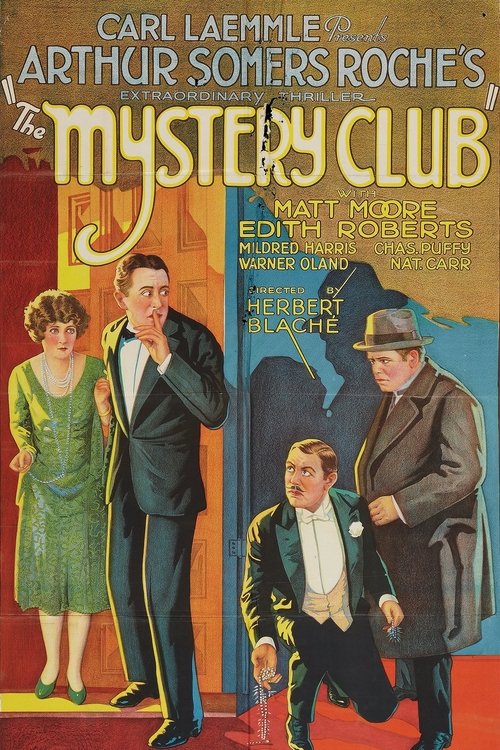
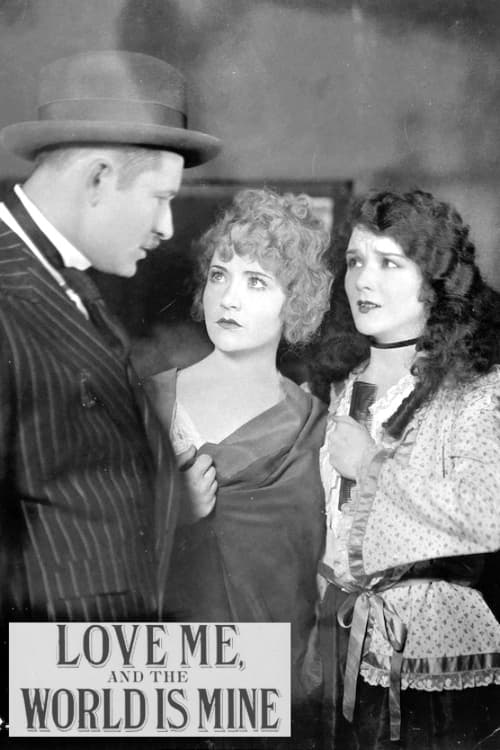
The Mystery Club, an organization of millionaires, draws up an agreement at the instigation of Cranahan, wagering that crimes can be committed without detection by the police; Inspector Burke serves as arbiter. A forfeiture of $25,000 is set, and the members draw secret lots to decide who is to be the criminal. When Burke himself is reported murdered, the members agree to cancel the agreement but cannot find the document.
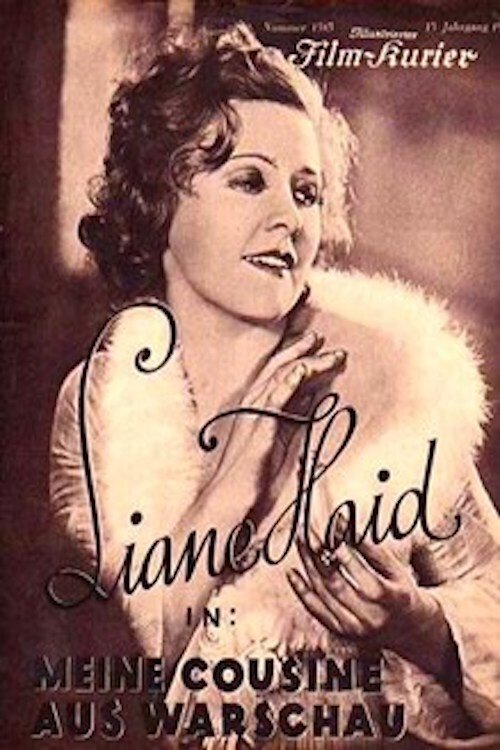
Meine Kusine aus Warschau (My Cousin From Warsaw) was based on a stage play by Louis Verneuil. It's a romantic farce, with the heroine posing as her own cousin to carry on two amours at once.
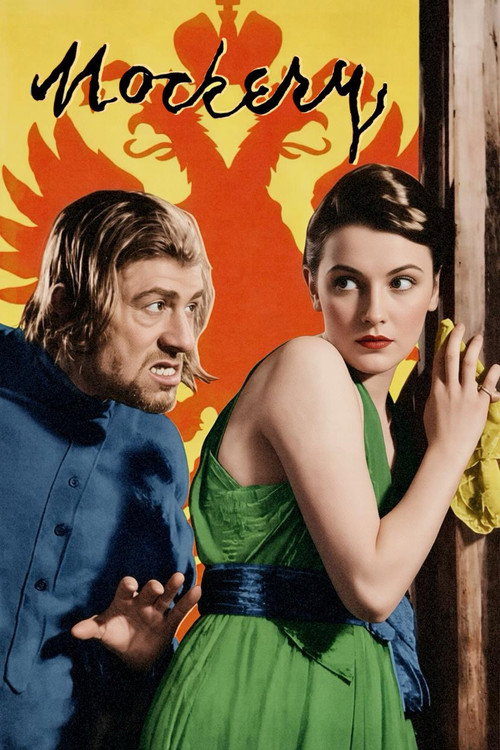
There is hunger in Siberia during the Russian Civil War. One day while dim-witted peasant Sergei is searching corpses for food, he meets a young woman looking for the town of Novokursk. She asks Sergei to help her get there, and to tell anyone they might meet that he is her husband.
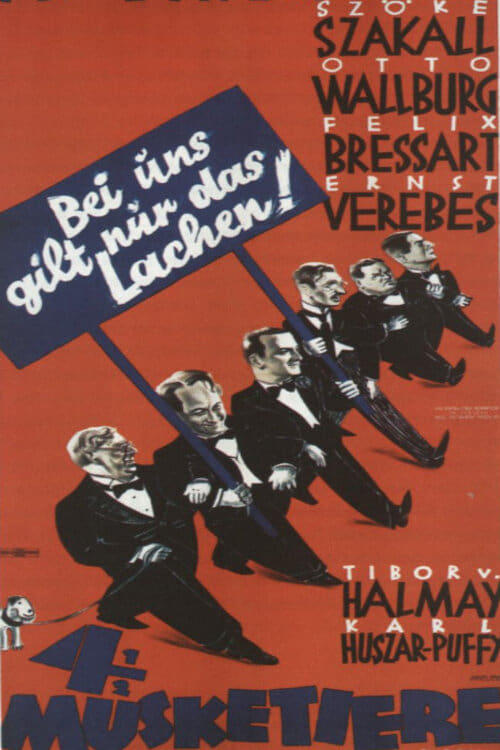
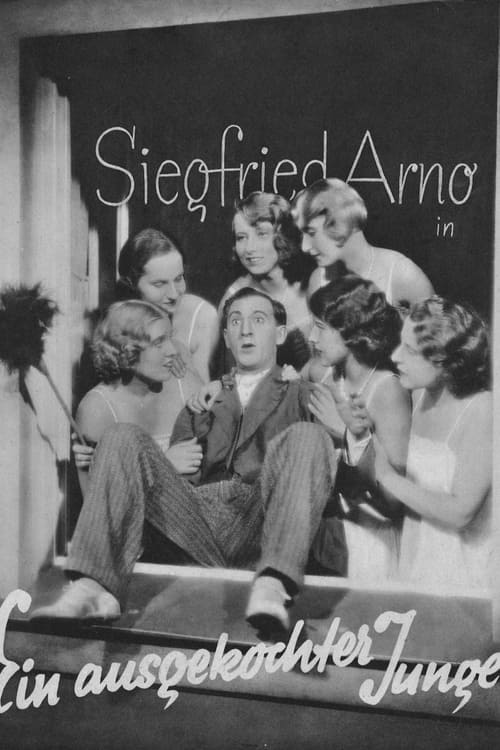
The plot centers on Ignaz Fischbein, a bullied employee at Strohbach's fashion house, who encounters misfortune at a fairground where he quarrels with Mizzi, who is awaiting her fiancé. A hypnotist named Brahmaputra, played by Albert Paulig, places the pair in a trance for his audience's amusement, causing them to believe they are a newlywed couple. Unable to reverse the hypnosis immediately, Ignaz and Mizzi head to the "Villa Waldfrieden" pension, where chaotic interactions unfold involving Strohbach, Mizzi's jealous fiancé Paul Kasulke (Paul Westermeier), and a retired Russian anarchist (Karl Huszar-Puffy)
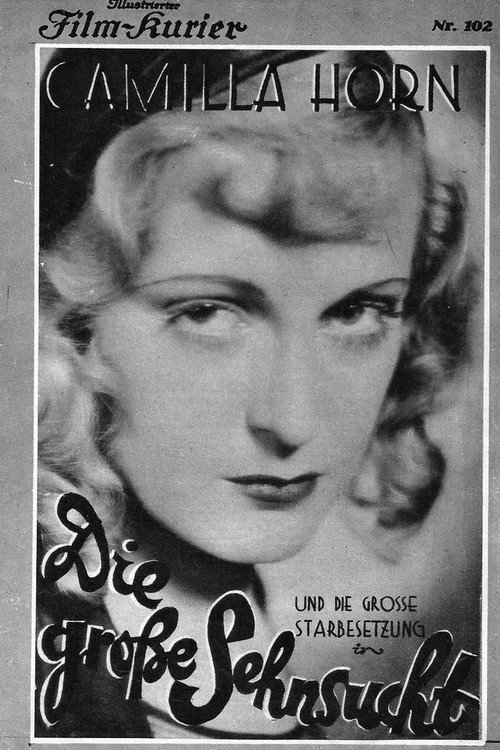
A young woman leaves behind her job, home and family to try to make it in the movie business. Features cameos from about three dozen German film stars of the era.
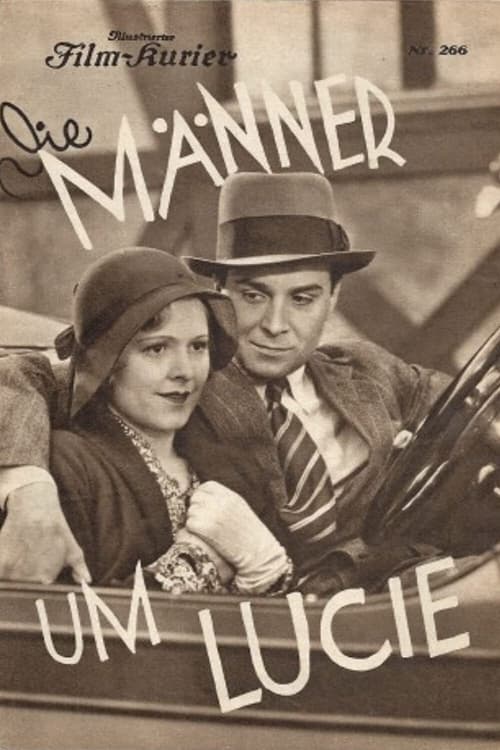
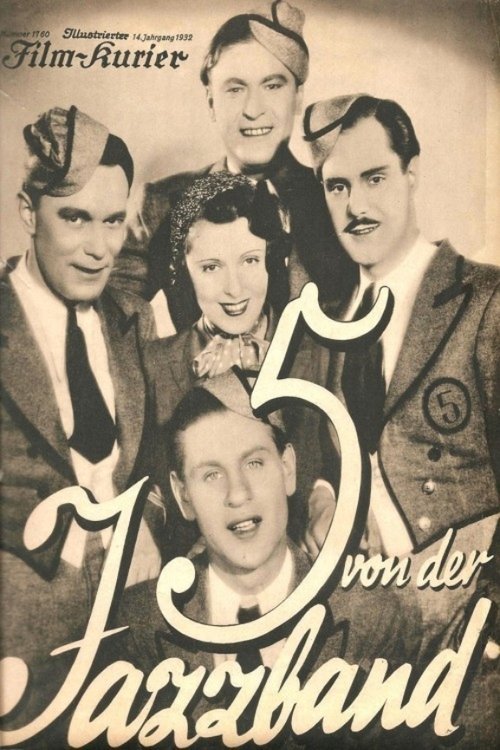
By pure chance, Jessie and his four jazz musicians are hired to play at the cabaret theatre “Trocadero”. Unfortunately, she knows nothing about music and it doesn’t help that all four musicians are in love with her. Jessie doesn’t reciprocate their feelings, because she has a thing for Martin. Unfortunately, Martin believes that Jessie stole his car … and so, right before the premiere at the cabaret, she ends up in jail.
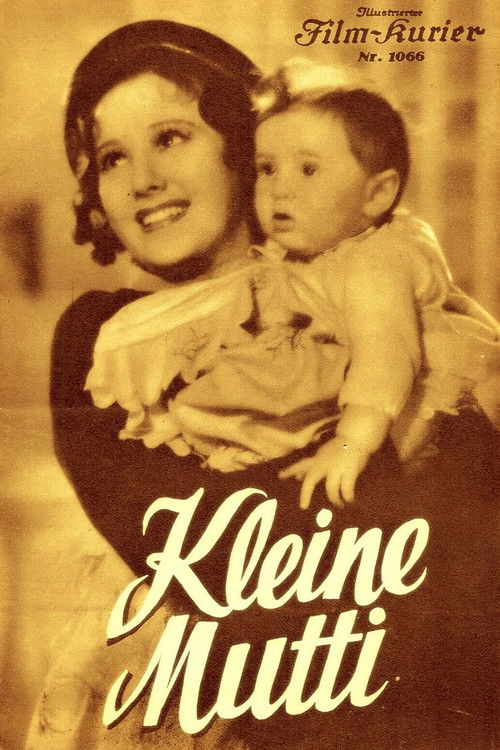
A girl from a boarding school finds a baby and has to keep it because she seems to be the real mother to everyone.
In Old Vienna in the days prior to The Great War, a beautiful woman, Hannerl, has her choice of two men; the first is a dashing young army officer who can provide blazing romance and little long-time security. The other is an older man, influential in the affairs of Austria, who could provide wealth...and tender devotion. Hannerl thinks about it.
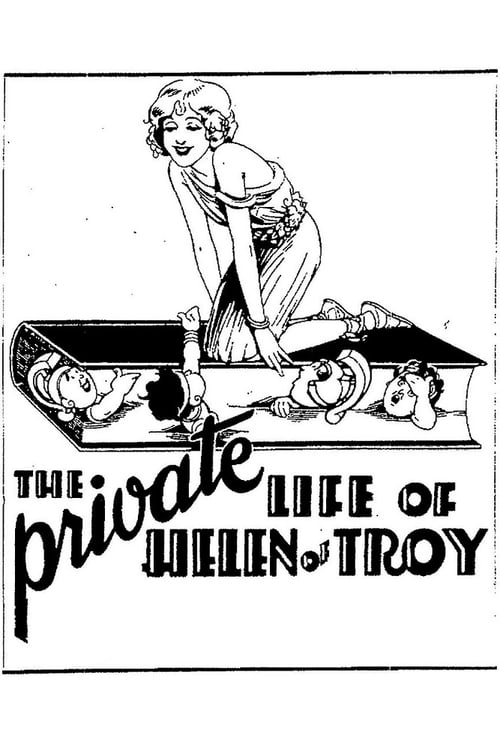
Setting the standard for his later light-hearted biopics The Private Life of Henry VIII and Rembrandt, producer-director Alexander Korda steadfastly refuses to take any of The Private Life of Helen of Troy seriously. Maria Corda, wife of the director, plays the title character as a fetchingly underdressed coquette, oblivious to all the political turmoil she's causing when she allows the handsome Paris (Ricardo Cortez) to kidnap her. Meanwhile, poor King Menelaus (Lewis Stone), Helen's husband, stands by in stoic silence, just as he's done on previous occasions when his wife succumbed to the charms of various sexy suitors (one of whom is played by future cowboy star "Wild Bill" Elliot). Finally galvanized into action, Menelaus reclaims his bride, who seems none the worse for wear for her experiences.
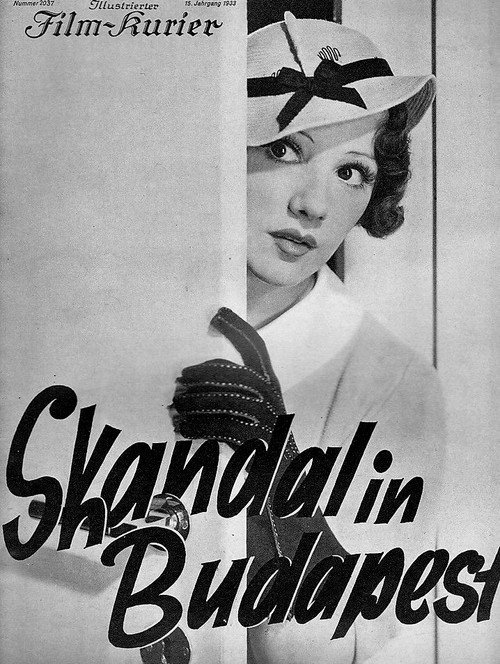
Eva goes to Budapest to visit her friend Tini's wedding but as soon as she arrives, the husband-to-be breaks up with Tini. When Eva decides to take things into her own hand and follows him to the Hotel Atlantik.
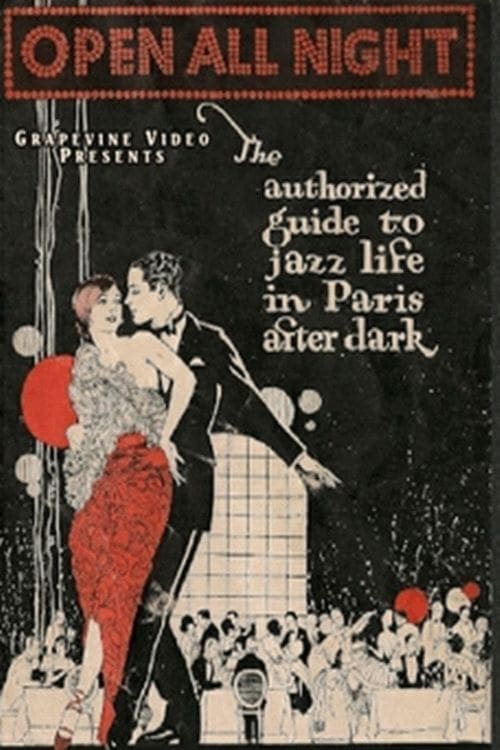
Therese Duverne (Viola Dana) is bored with her even-tempered husband, Edmond (Adolphe Menjou). Isabelle Fevre (Gale Henry) suggests that Edmond go to the bicycle races and stay out all night. Then she takes Therese there and introduces her to manly Petit Mathieu, one of the racers (Maurice B. Flynn). Since he has just quarreled with his sweetheart, Lea (Jetta Goudal), he is glad to have Therese's attention and offers to run away with her after he wins the six-day race. Lea, meanwhile, is spending her time with Edmond. Therese eventually decides she doesn't care for brutes like Mathieu, and Edmond gains a temper and wins his wife back. Lea and Mathieu are reunited, while Isabelle goes back to helping her own alcoholic sweetheart, Igor (Raymond Griffith), break into the movies.