Acting
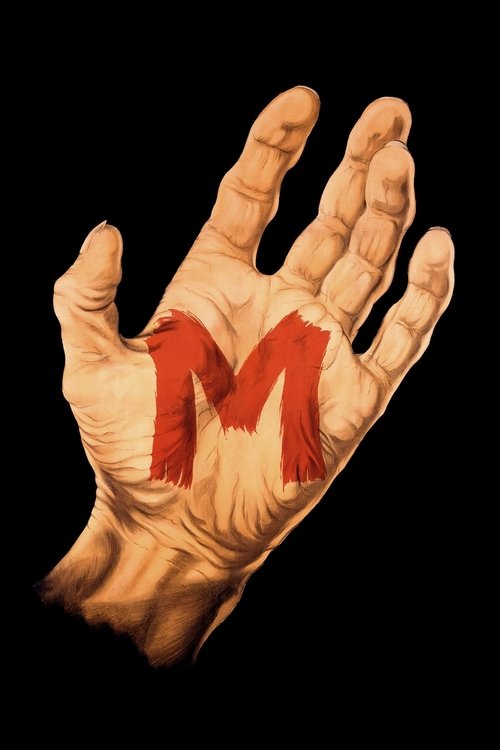
In this classic German thriller, Hans Beckert, a serial killer who preys on children, becomes the focus of a massive Berlin police manhunt. Beckert's heinous crimes are so repellant and disruptive to city life that he is even targeted by others in the seedy underworld network. With both cops and criminals in pursuit, the murderer soon realizes that people are on his trail, sending him into a tense, panicked attempt to escape justice.
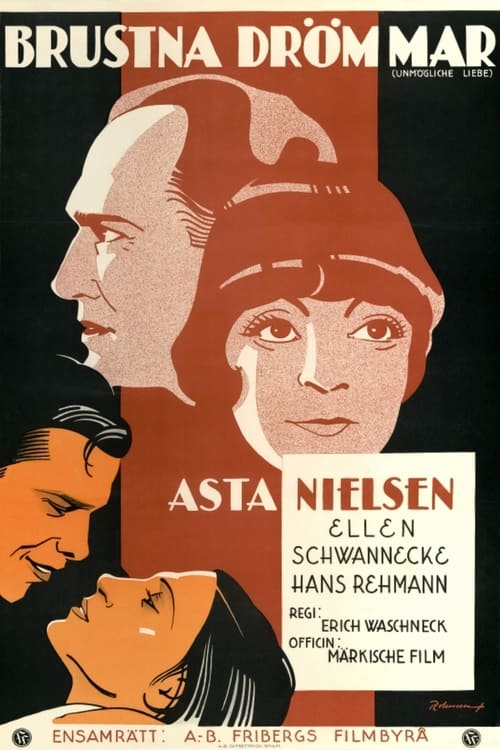
A deranged woman artist falls in love with a young sculptor. The impossible love ends tragically.
Prim professor Immanuel Rath finds some of his students ogling racy photos of cabaret performer Lola Lola and visits a local club, The Blue Angel, in an attempt to catch them there. Seeing Lola perform, the teacher is filled with lust, eventually resigning his position at the school to marry the young woman. However, his marriage to a coquette -- whose job is to entice men -- proves to be more difficult than Rath imagined.
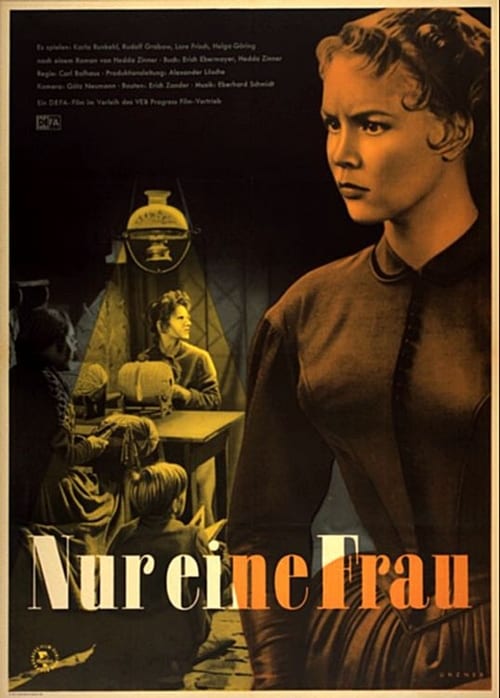
The film tells the life story of Louise Otto Peters, who in the middle of the XIX century in Germany for the first time raised a voice of protest against the unfair treatment of women and their labor. She created the first "women's newspaper" in Germany. The daughter of a famous lawyer, Louise could have easily arranged her life by marrying the wealthy Baron Rodern. But she chose a different purpose in life - to fight for equal rights for women. Through her articles and public speeches, she won the authority and respect of ordinary people.
The sensitive, music-loving son of a German general reluctantly attends a military academy and after warning a fellow officer to stay away from the cadet's attractive young stepmother, lands up being charged for murder.
This is a 7-part German crime series by Peter A. Horn. In self-contained and unconnected episodes, the great detectives of crime literature solve various cases. Sherlock Holmes (Ernst Fritz Fürbringer) and Dr. Watson (Harald Mannl) start things off, followed by Auguste Dupin, David Wilson, Father Brown, Inspector Bucket, Sergeant Cuff and Hercule Poirot. Every episode of this early crime series in the early days of television was still broadcast live. It could hardly have been more irregular: it was broadcast in loose succession on different days at different start times in prime time, and the length of the broadcast varied between 25 and 50 minutes.
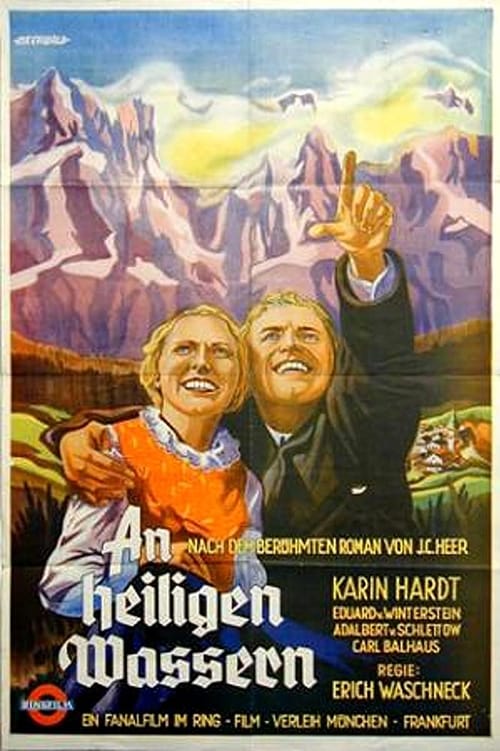
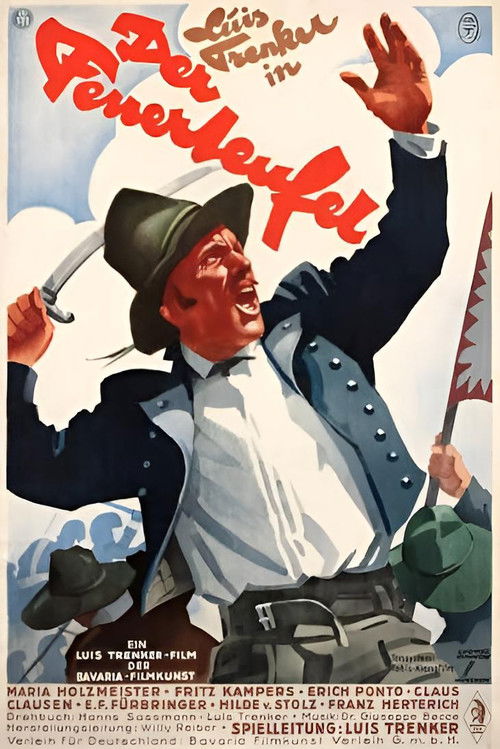
For centuries, the water supply of a mountain village has depended on an endangered, wooden water pipe. The young engineer Josi blows a channel in the rock. After initial resistance, the villagers are excited about it. The film was based on a novel by Jakob Christoph Heer.
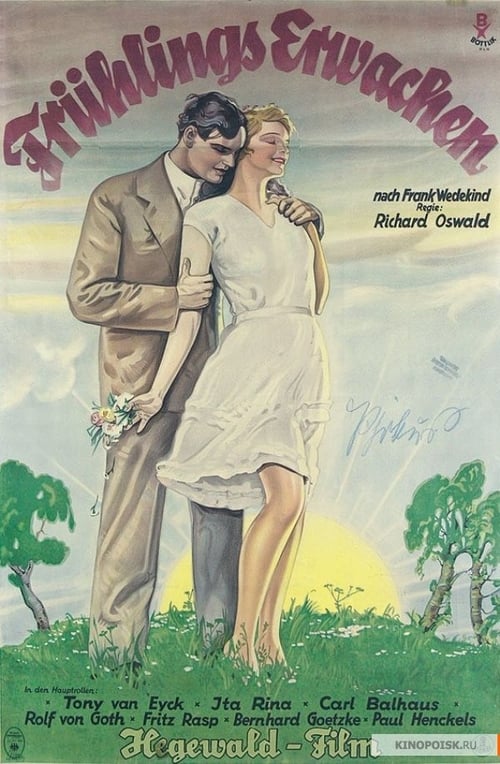
Moritz Stiefel faces expulsion due to poor marks. When he is caught with an essay titled “Shame and Lust”, he is indeed kicked out – instead of classmate Melchior Gabor, who actually penned it. Gabor was drawing on his experiences with neighbourhood girl Wendla. Then Wendla turns up pregnant. Stiefel descends into despair ... Exploitation between Eros and Thanatos in this “sexual tragedy of youth” based on Frank Wedekind’s play. Setting the film in the 1920s provided a chance to explore “modern” youth culture, complete with cigarettes, jazz music, the gramophone, and a goodly bit of alcohol. Richard Oswald, a master of films of manners and young sex beginning in the 1910s, fully explores the temptations of the youthful body, even early childhood flirtatiousness. At the same time, with his target audience in mind, the film laments the bigotry and double standards of the adult world.
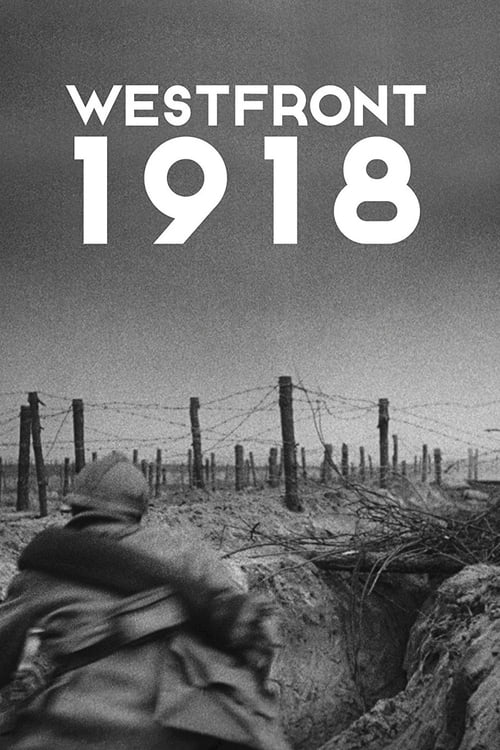
A group of German infantrymen of the First World War live out their lives in the trenches of France. They find brief entertainment and relief in a village behind the lines, but primarily terror fills their lives as the attacks on and from the French army ebb and flow. One of the men, Karl, goes home on leave only to discover the degradation forced on his family by wartime poverty. He returns to the lines in time to face an enormous attack by French tanks.
In the year 1914: The assistants of cobbler Lehmann compete for the affections of his daughter Frieda. Actually she’s in love with her ambitious cousin Fritz, but the cunning Franz knows how to string her along. When Fritz gets drafted, Frieda gives in and marries Franz. Soon Fritz is declared missing and the old cobbler dies of grief. Along the way Franz, who dodged the military service, earns his money with large-scale racketeering. Frieda is miserable. But then Fritz returns from Soviet captivity, prompting Frieda to divorce Franz. Finally Frieda accepts an inheritance from the USA and marries Fritz. With the money they open up a shoe store.
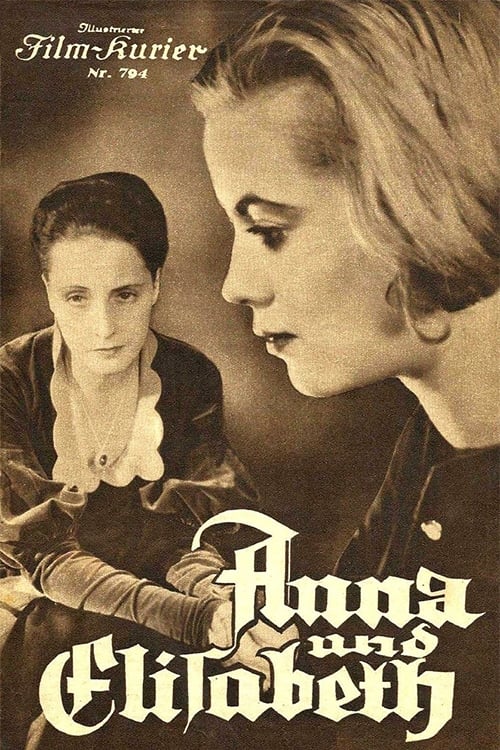
The two main people in the story are Anna, a young girl, who is thought of having the ability to heal people mysteriously. Elisabeth is a young - middle aged aristocratic woman, that is disabled and puts all her hopes in meeting Anna and having her disability heal by her. A strange ambivalent relationship develops between the two women.
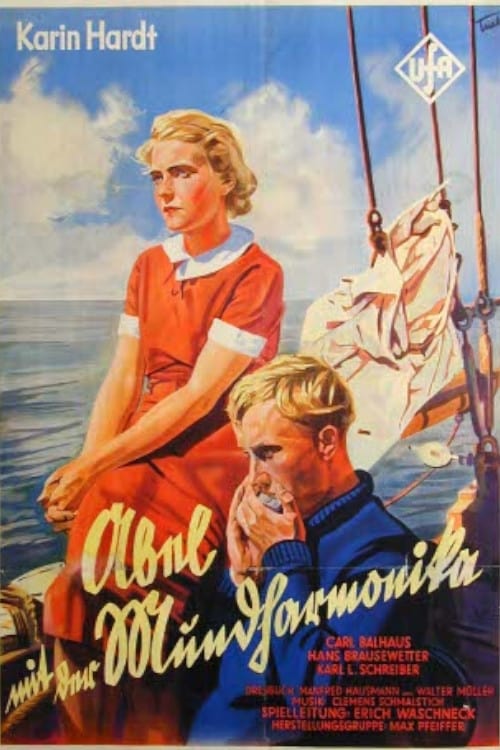
Film by Waschneck.
On a pasture in Bavaria, an ox frightens members of the American occupying forces. Farmer Alois, the owner of the animal, is sentenced to thirty days in prison for this "political" offense. While Alois begins his sentence, the ox runs riot in the prison yard. No one can tame him, and all the farmers refuse to take the ox into their care. The helpless administration comes up with a crazy solution: Alois must split his person. As inmate Alois, he is assigned to field duty with the livestock owner Alois to supervise the ox, while as livestock owner Alois he has to supervise inmate Alois. The bill he is subsequently presented with for twice the work is enormous.
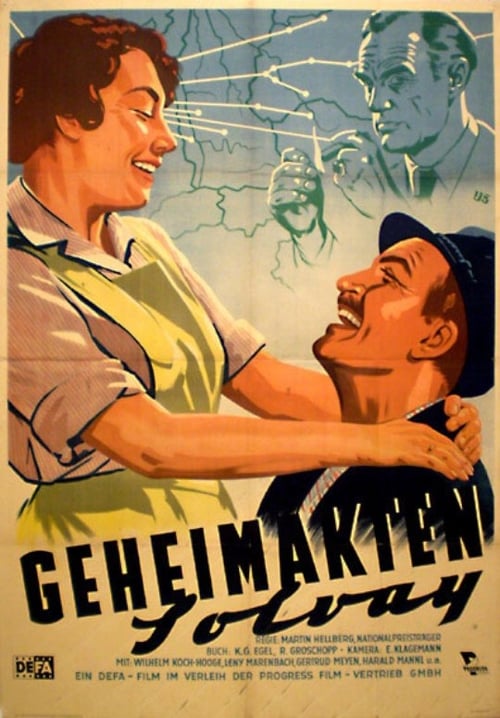
In the Werra valley near the border is one of the five soda factories of the GDR that once belonged to the powerful Solvay group. After the war, they moved the headquarters from Berneburg to Frankfurt, but some people loyal to the groups bosses remained to sabotage the production in the now nationally owned factory.
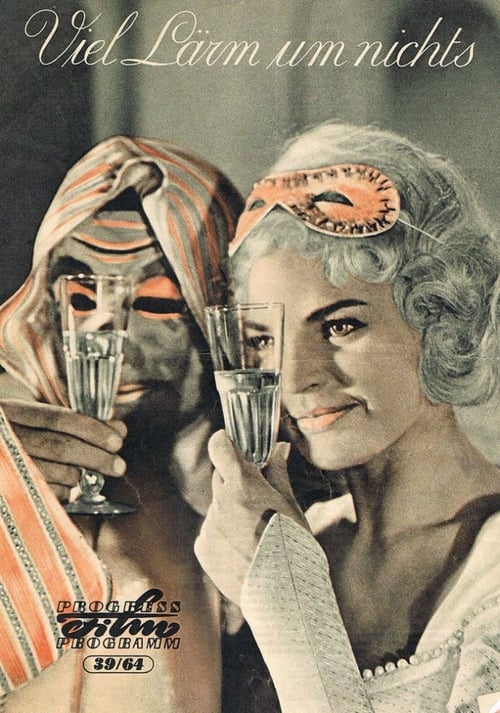
Young lovers Hero and Claudio, soon to wed, conspire to get verbal sparring partners and confirmed singles Benedick and Beatrice to wed as well.
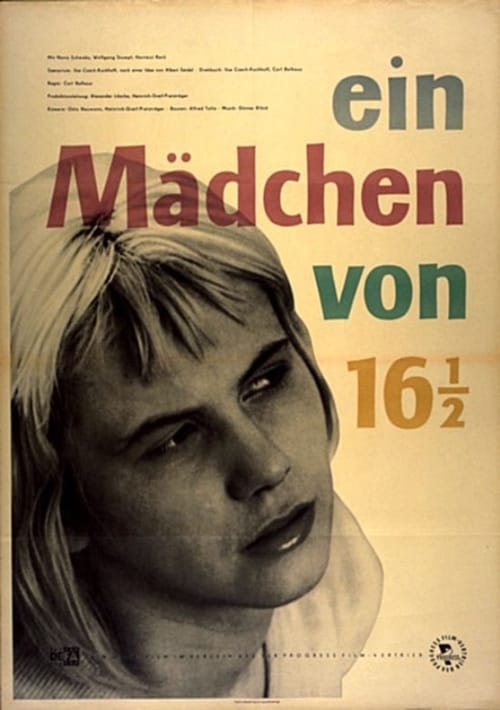
The young orphan Helga is raised by her aunt after WW II. At the age of sixteen, she turns her back to go her own way. As a rambler, Helga wanders through the night streets of Berlin and has brief acquaintances.
No description available.
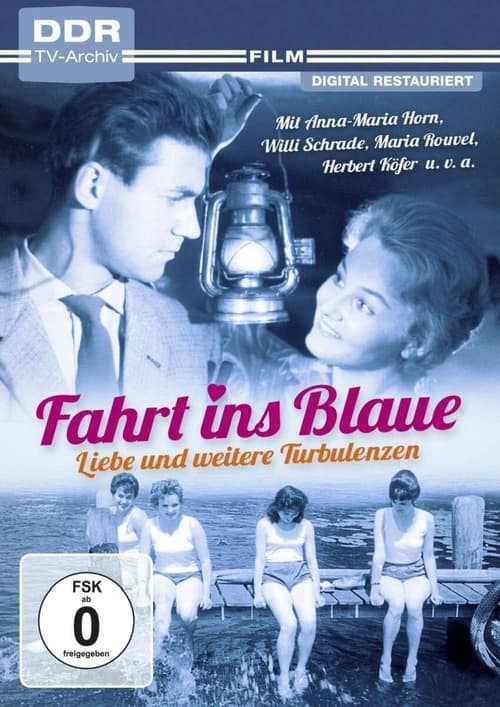
Günter has completed his electrical engineering degree and returns to Berlin. His old foreman and his wife welcome him and want to take a Sunday trip to Grünau, but he wants to visit a mechanical engineering exhibition that is only open that day. The old gentlemen accompany him to Stalinallee, and here something fateful happens: Günter meets the girl he has always fancied again ...
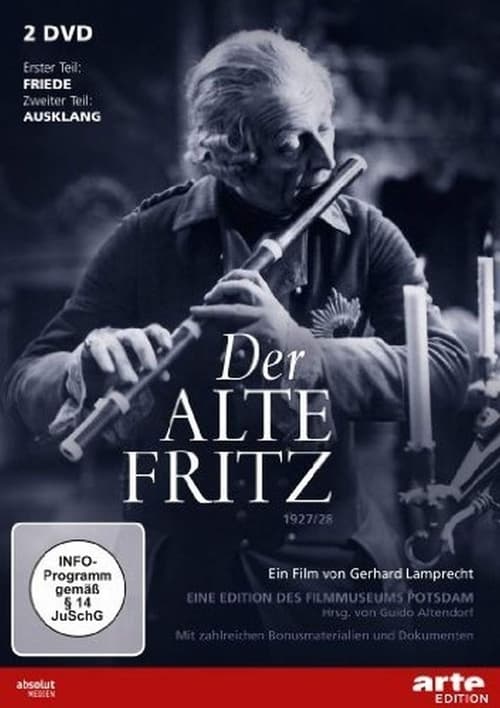
Silent epic on the final years of Frederick II.