Edgars Bite
Camera
Known For
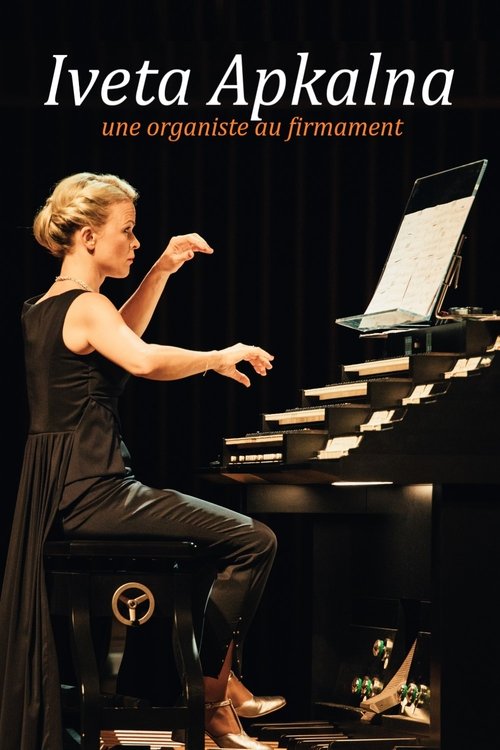
This film portrait of organist Iveta Apkalna reveals her journey from her native Latvia to the world's greatest stages. Her name is synonymous with virtuosity and complete dedication to music. "Iveta has the ability to bring music to life," says Finnish composer Esa-Pekka Salonen. The film shows the contrasts in Iveta Apkalna's professional life — from the glamour of the stage to lonely hours of rehearsal at night. The film features her performances with virtuoso violinist Hilary Hahn, outstanding conductor Paavo Järvi, and contemporary music composer Nico Muhly, as well as audience ovations and adrenaline.
Organ at Night - Iveta Apkalna

Raimonds Pauls is almost 85 years old, rehearses almost every day and performs at least once a week. What drives him? Not only he is the most popular composer in Latvia: his songs are sung all over the world. "Dāvāja Māriņa" is so popular in Japan that Paul received the Japanese Order of the Rising Sun. In concerts, he collaborates with world stars of Latvian origin - soprano Elīna Garanča, organist Iveta Apkalna, conductor Mariss Jansons. The Latvian Television film crew follows him during the pandemic, realizing that the restrictions and threats of Covid-19 hardly stop the Maestro in the course of his eternal engine. How does he cope with the challenges that time imposes on a person's physical form and the loneliness when most friends have passed away? What is the source of his inexhaustible lifestyle and creative spirit?
Perpetuum mobile. Raimonds Pauls
The documentary film "Dream Cat", produced by the Latvian Television program "Forbidden method", explains and analyses how the Latvian animated film "Flow" reached the top of world cinema, winning the most prestigious film industry awards "Golden Globe", "Oscar" and many others.
Dream Cat
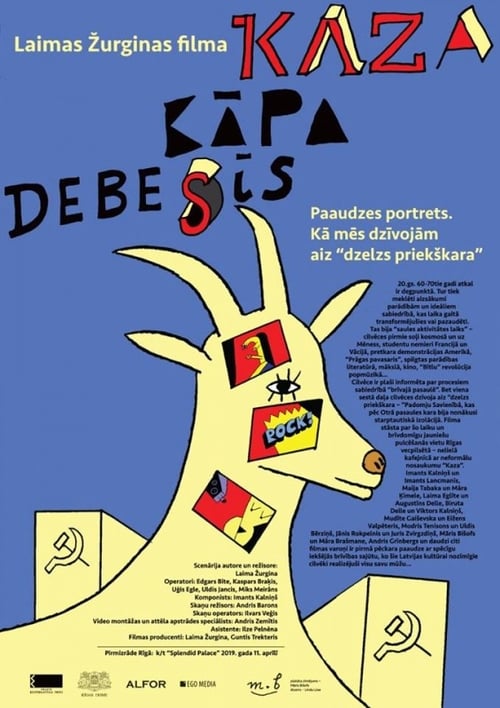
This film is a story about that time in the Baltics, Latvia, and Riga. Young rebels of 1960s – nonconformists, hippies and beatniks – have turned into a generation of well-known writers, poets, musicians, directors, as well as politicians of the new independent Latvia. The ones who were 18, 20, or 25 in 1960s are half a century older today. The protagonists of the film are united by the bohemian gathering place of their youth, a small nameless cafe in the Old Town of Riga, commonly referred to as “Kaza” (The Goat). This place is surrounded by legends, myths and humorous stories.
The Goat Who Climbed to Heaven
No description available.
Teātris. Filmas arheoloģija

Latvia is one of the poorest EU member states. However, its capital city, Riga, is a modern European metropolis. But less than 100 kilometers from the city center, we find ourselves in a completely different world, in a different time. People go to Riga and abroad in search of work and happiness. What needs to happen so that Latvia does not become a land of only old and incapable people?
9 km no nākotnes
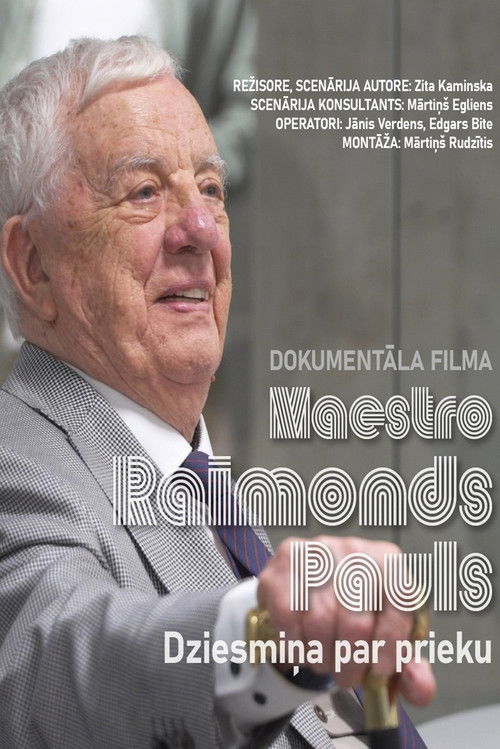
The film follows the Maestro's work on the concert program "Shakespeare. Sonnets. Pauls. Busulis. Keišs" during rehearsals, radio recordings, and the premiere. The camera also follows Raimonds Pauls during the creation of the Midsummer Eve and Christmas programs, capturing the Maestro's insights, conversations with colleagues, instructions to young soloists and actors, and his inevitable jokes.
Maestro Raimonds Pauls. Dziesmiņa par prieku
Latvians in the USSR. In the 1920s and 1930s, while remaining in Russia, Ukraine, and elsewhere, held leading positions in the Cheka, the military, and the Communist Party, built up the Soviet economy, created a specific Latvian culture, or did very simple work. What drove them—ideals, ambition, or survival? Career aspirations? Was the tragedy that befell them during Stalin's repressions in the "Latvian operation" inevitable? The statistics are grim – more than 22,360 people were arrested. More than 16,500 were sentenced to death. The filmmakers chose to base their story on the life stories of several characters they selected themselves, as well as on a general outline of the conditions in which our compatriots who remained in the USSR lived in the 1920s and 1930s.
Neērtie latvieši

A documentary about Latvian film star Vija Artmane.
Actress and Her Time. Vija Artmane
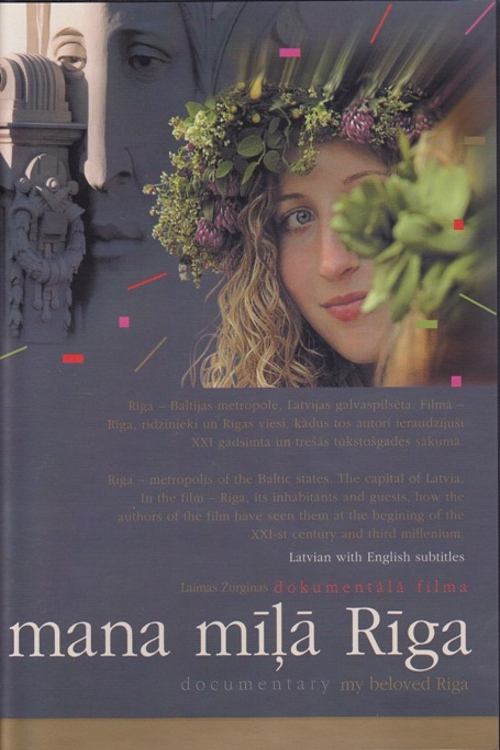
In this film, the inhabitants of Riga, each differently, introduce us to this 800-year old European city and make an avowal of love to it. You will learn that Riga is the world capital of Art Nouveau, that the famous Festival of Songs is on the List of UNESCO World Heritage, that the world-known violinist Gideon Cramer with his orchestra Kremerata Baltica comes from Riga, that during the Second World War near Riga, in the forests of Rumbula, more than 200,000 victims of the holocaust were killed, that today Riga is a cheerful and vital city visited by thousands of guests.
My Beloved Riga
No description available.