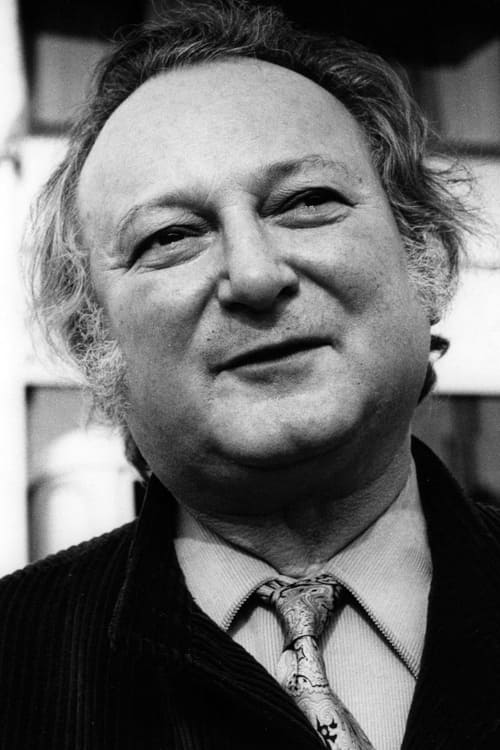
Max-Pol Fouchet
Acting
Known For
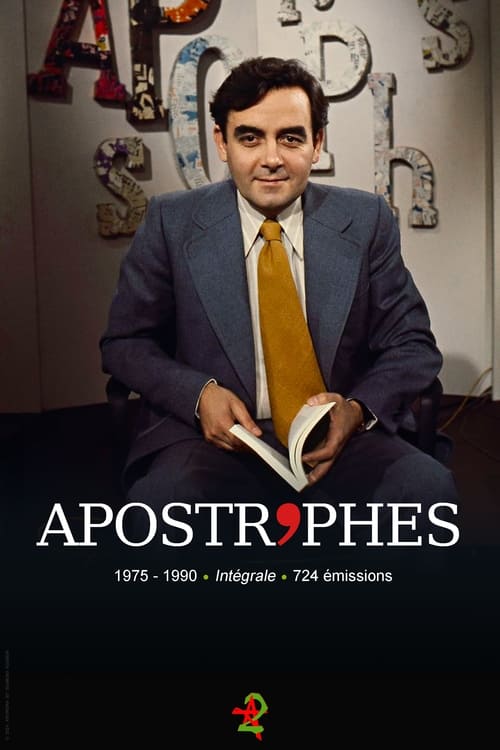
Apostrophes was a live, weekly, literary, prime-time, talk show on French television created and hosted by Bernard Pivot. It ran for fifteen years (724 episodes) from January 10, 1975, to June 22, 1990, and was one of the most watched shows on French television (around 6 million regular viewers). It was broadcast on Friday nights on the channel France 2 (which was called "Antenne 2" from 1975 to 1992). The hourlong show was devoted to books, authors and literature. The format varied between one-on-one interviews with a single author and open discussions between four or five authors.
Apostrophes
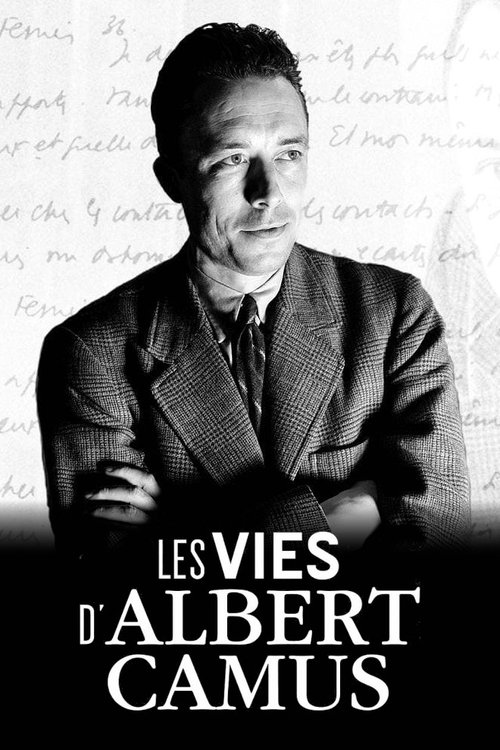
Albert Camus died at 46 years old on January 4, 1960, two years after his Nobel Prize in literature. Author of “L'Etranger”, one of the most widely read novels in the world, philosopher of the absurd and of revolt, resistant, journalist, playwright, Albert Camus had an extraordinary destiny. Child of the poor districts of Algiers, tuberculosis patient, orphan of father, son of an illiterate and deaf mother, he tore himself away from his condition thanks to his teacher. French from Algeria, he never ceased to fight for equality with the Arabs and the Kabyle, while fearing the Independence of the FLN. Founded on restored and colorized archives, and first-hand accounts, this documentary attempts to paint the portrait of Camus as he was.
The Lives of Albert Camus
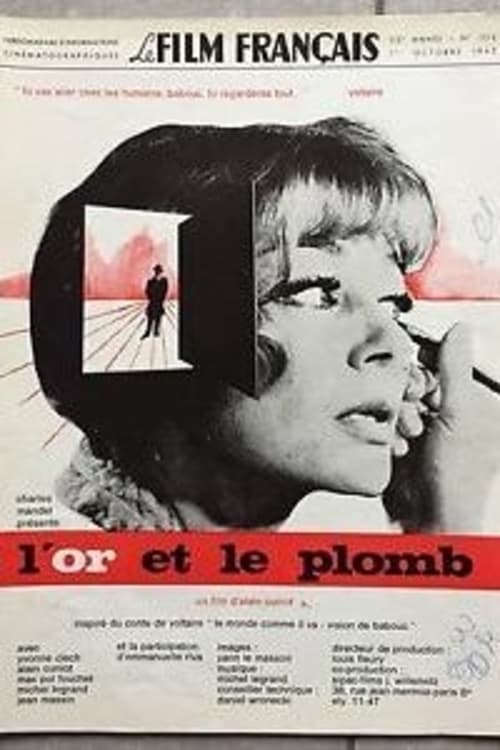
The story is based on Voltaire's tale "Le monde comme il va" ("The world as it is"). Sent by the genie who presides over the destiny of Persepolis (Paris!), the Scythian Babouc carefully informs himself of everything, to tell the genie whether or not to destroy the city. This is the pretext for a series of interviews, scenes taken on the spot or reconstructed in the studio. We meet a musician who lives for his art and a Marxist historian, both of them optimists in the end; but also a war widow and an economically weak old lady: while the "fureur de vivre" gives free rein to the Golf Drouot and socialites hide their turpitudes behind a façade of good manners. A large, poorly housed family bravely faces up to its fate, and the children are happy; a working-class household talks about the union struggle, inhumane working conditions and reasons for hope. Finally, a poet sums it all up by talking about his commitment to the service of mankind.