Writing
No description available.
BBC anthology drama series that ran over four seasons and replaced the previous BBC Sunday Night Theatre series.
Prim professor Immanuel Rath finds some of his students ogling racy photos of cabaret performer Lola Lola and visits a local club, The Blue Angel, in an attempt to catch them there. Seeing Lola perform, the teacher is filled with lust, eventually resigning his position at the school to marry the young woman. However, his marriage to a coquette -- whose job is to entice men -- proves to be more difficult than Rath imagined.
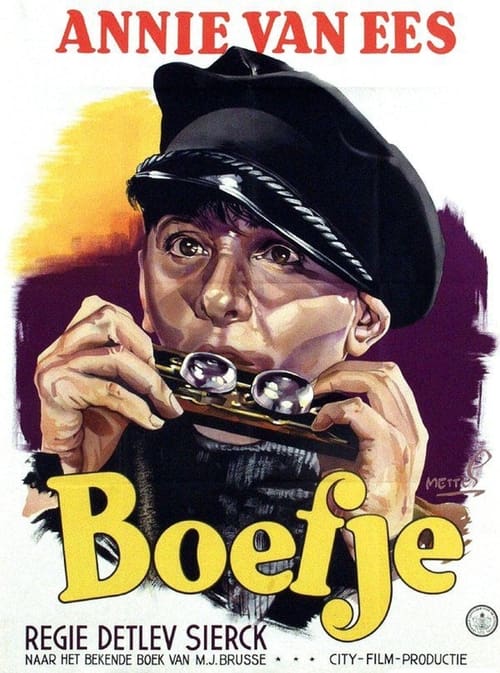
Twelve year old 'Boefje' spends most of his time in the alleys, on rooftops and in the harbor of Rotterdam. A local clergyman takes pity on him and attempts to teach him good manners.
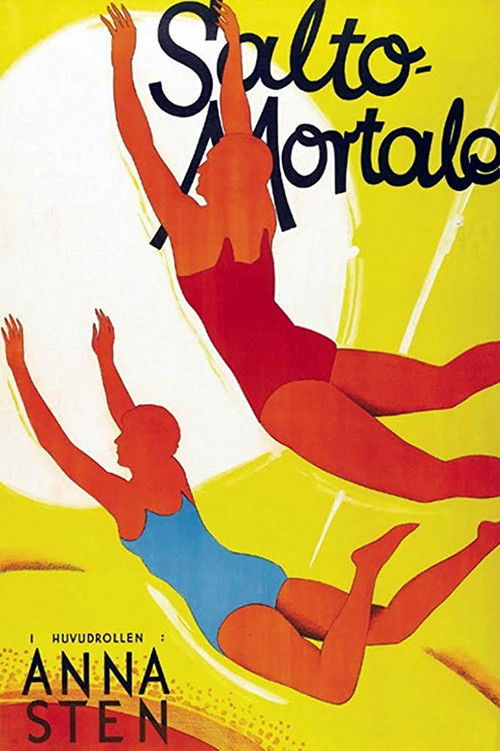
Robby and Jim are two friends working in a circus. When Marina, a new acrobat, enters the show, both men will compete for her love. She needs a partner for a flying number, and one of them will be elected. Then accidents will happen.
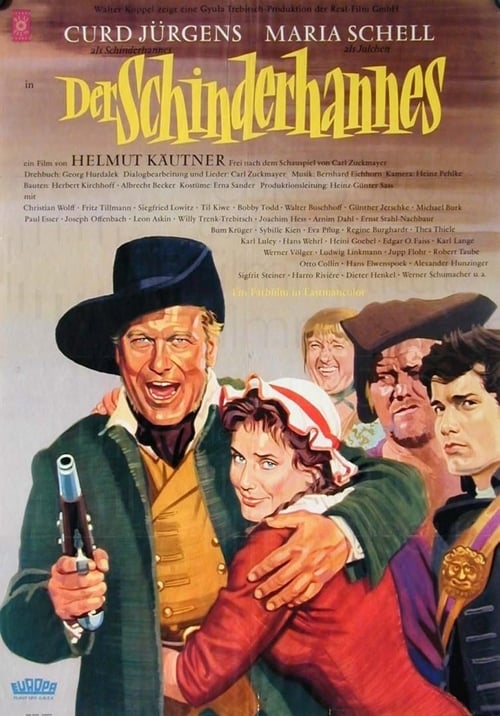
1802: The adventurous life story of Hans Bückler, known as “Schinderhannes”, who fights against the French occupying forces and large landowners who exploit poor farmers in the Hunsrück region during the Napoleonic Wars.
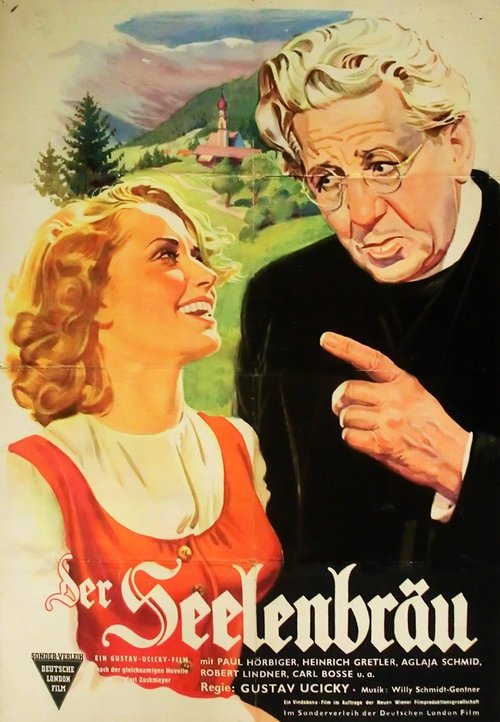
In Alt-Köstendorf in the Salzburg region, the dean, known as Seelenbräu, and the brewer Hochleithner, known in the village as Leibesbräu, are fighting for supremacy. As their nicknames suggest, Leibesbräu is primarily concerned with the physical well-being of the villagers, while Seelenbräu cares deeply about the faith of his congregation. This leads to repeated clashes between the two men, who could perhaps be described as stubborn. When Hochleitner's niece Clementine leaves the convent and wants to stay at home, a new dispute flares up between Seelenbräu and Leibesbräu.
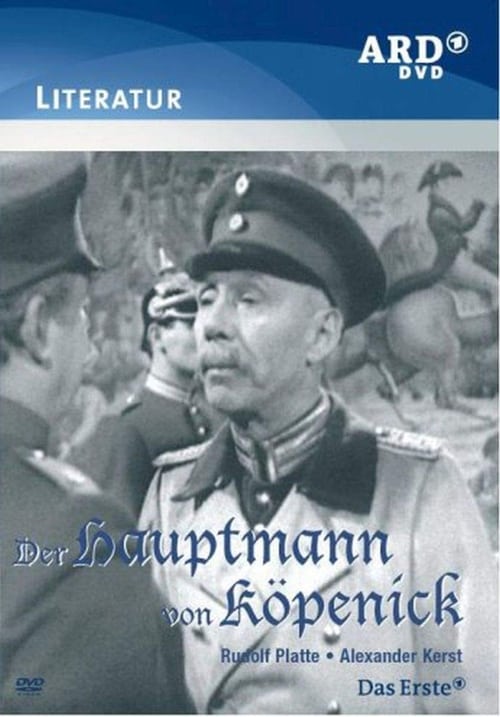
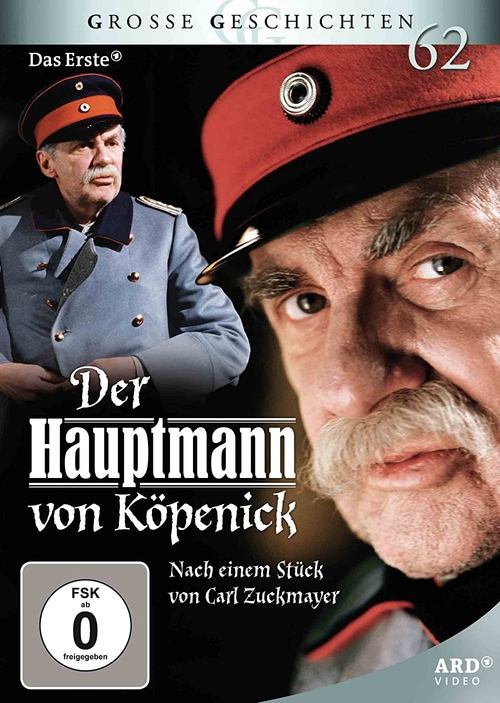
A young shoemaker is arrested for stealing a small amount of money, and is jailed for fifteen years. Upon his release, he wants to get a permit to get a job and start anew, but finds that without a job he can't get a permit, and without a permit he can't get a job. Ensnared in the absurd net of Prussian bureaucracy, he can't see any way out. That is, until he enters a thrift shop and spots a Prussian officer's uniform that fits him like a second skin...
The adaptation of the eponymous play by Carl Zuckmayer tells the story of renegade general Harras of the German Luftwaffe, who during WWII openly criticizes the Nazi regime. As a consequence, he is put under surveillance, and even imprisoned for a brief period of time. Still remaining outspoken, Harras realizes the horrific dimensions of this hopeless and injust war waged by Germany.
Remake of Josef von Sternberg's 1930 classic.
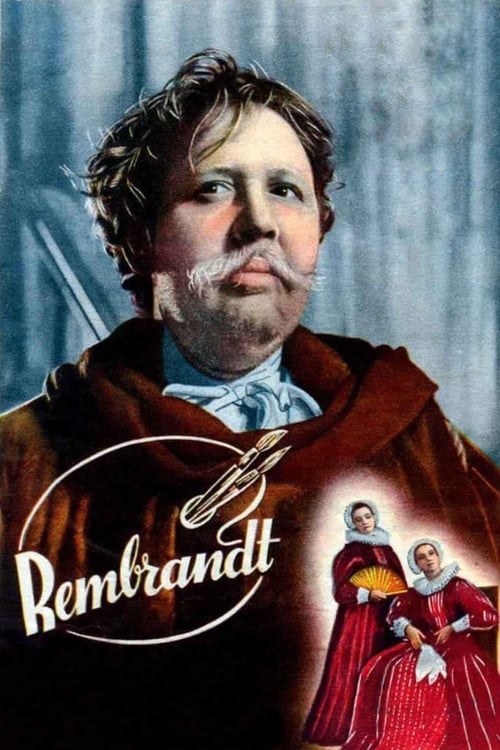
A character study depicting the life of Rembrandt Van Rijn at the height of his fame in the mid 1600s. Beginning with the death of his wife, Rembrandt's work takes a dark turn, which offends many of his patrons.
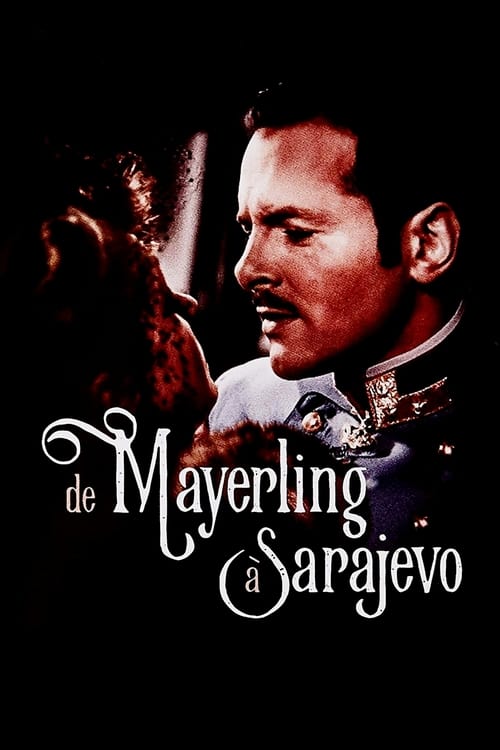
Franz Ferdinand, heir to the throne of Austria-Hungary, is kept absent from the royal court due to his dangerous political ideas. Sent on a tour of inspections and inaugurations, he falls in love with Countess Sophie Chotek.
"Katharina Knie" is a 1929 German silent drama film directed by Karl Grune and starring Eugen Klöpfer, Carmen Boni and Adele Sandrock. It is based on the 1928 play of the same title by Carl Zuckmayer.
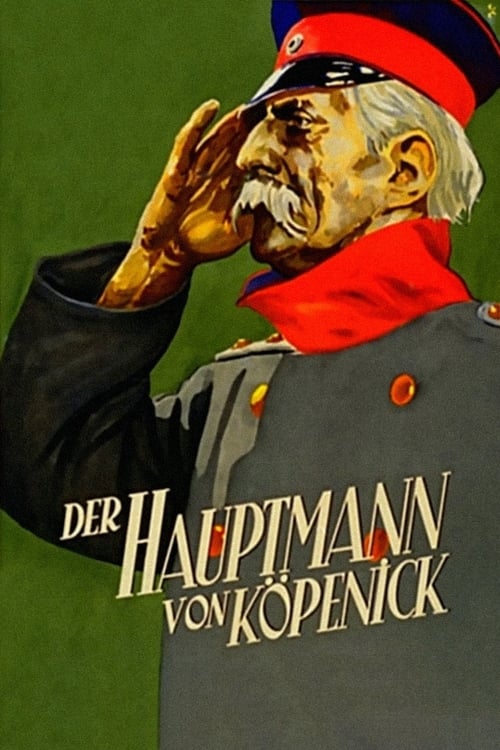
Based on the true story of a cobbler who bought a second-hand captain's uniform, assumed command of a troop of guardsmen, declared the town of Köpenick under military law, arrested the mayor and confiscated the town treasury.
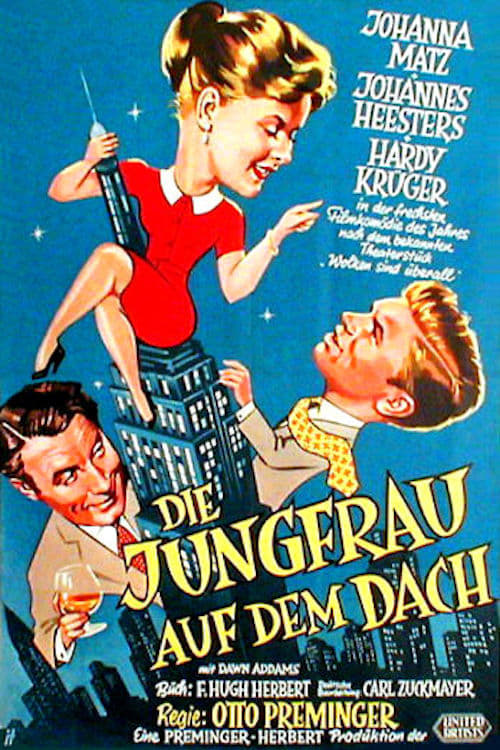
A comedy of manners, the film centers on virtuous actress Patty O'Neill, who meets playboy architect Donald Gresham on the observation deck of the Empire State Building and accepts his invitation to join him for drinks and dinner in his apartment. There she meets Donald's upstairs neighbors, his ex-fiancée Cynthia and her father, roguish David Slader. Both men are determined to bed the young woman, but they quickly discover Patty is more interested in engaging in spirited discussions about the pressing moral and sexual issues of the day than surrendering her virginity to either one of them. After resisting their amorous advances throughout the night, Patty leaves and returns to the Empire State Building, where Donald finds her and proposes marriage.
The film tells the cultural story of Berlin during the Weimar Republic through interviews with a number of persons who were involved in literature, film, art, and music during the period. It includes interviews with Christopher Isherwood, Louise Brooks, Lotte Eisner, Elisabeth Bergner, Francis Lederer, Carl Zuckmayer, Gregor Piatigorsky, Claudio Arrau, Rudolf Kolisch, Mischa Spoliansky, Herbert Bayer, Mrs. Walter Gropius, and Arthur Koestler.
Each is dependent on the other. He breaks into the passport office to get a passport. He is surprised and ends up back in prison, where he is trained in military drill. After his release, he once again lodges with relatives, his sister and brother-in-law. Wearing a second-hand captain's uniform, he first takes over a guard unit and uses it to occupy Köpenick town hall, where all the employees of the town council submit to the supposed captain. The mayor is promoted to Berlin and Voigt presents himself to the authorities a few days later. At first, everyone present laughs at the prank, but then Voigt is made aware of the legal consequences. He is sent back to prison, but shortly afterwards he is pardoned by the Emperor.
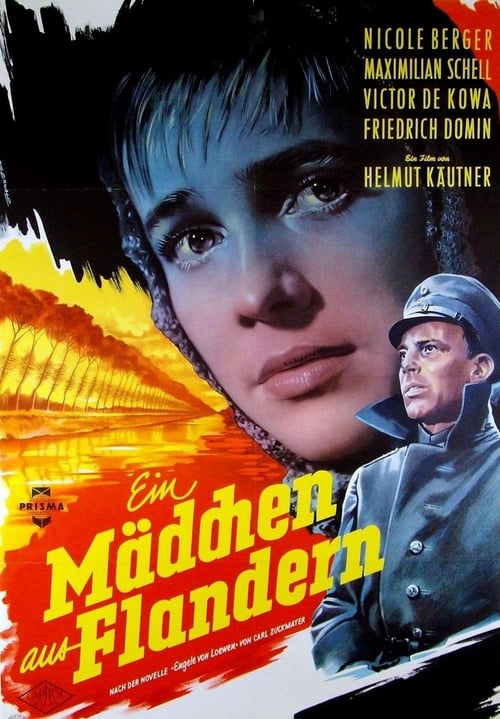
A love story between a German soldier and a young Flemish woman amidst World War I.