Directing
Daiki, a Japanese art student, meets Nikar, a Taiwanese Indigenous artist, in Taipei. Captivated by her ritualistic art, they form a deep bond. Years later, he invites her to a Kagoshima island residency. Working amid volcanic landscapes and traditions, their connection deepens until an unexpected event during a masked festival alters their lives. Fourteen years later, Daiki returns as an art therapist. He meets Nikka, a 19-year-old girl whose paintings awaken buried memories. As the festival approaches, Daiki revisits a journey of memory and desire, confronting a past that still shapes his present.
On the outskirts of Taipei, there is a leprosy sanatorium built by the Japanese occupiers in 1930 to seclude thousands of patients and maintain sanitary conditions on the land. For the last two decades, Taiwanese authorities have decided to turn the sanatorium into a museum to commemorate the history of leprosy medicine. However, the sanatorium has slowly been destroyed due to constant construction that has overwhelmed the remaining aged patients. To cope with this struggle, they protest and build landscape models with their gnarled hands representing their accurate memories and experiences. They continue to fight against the authorities’ efforts to erase the history of segregation and discrimination and have not given up.
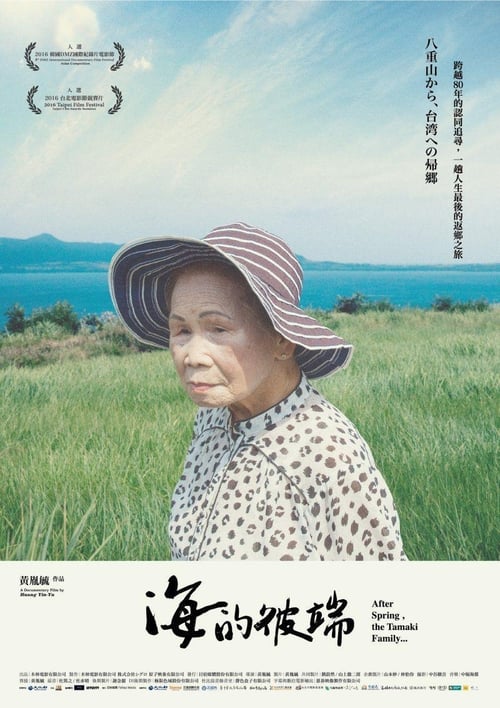
In an intimate and exciting journey to the root, the film follows a family based in Okinawa, Japan, that visits Taiwan to rediscover their family origins.
The director reminisces wistfully on the homosexual relationships he formed during his military service. Like pages torn from a diary, his cinematic voiceover monologue touches on themes of childhood and family, and is imbued with a soft and sunny melancholy revealing his intimate childhood memories and pessimistic fatalism.
No description available.
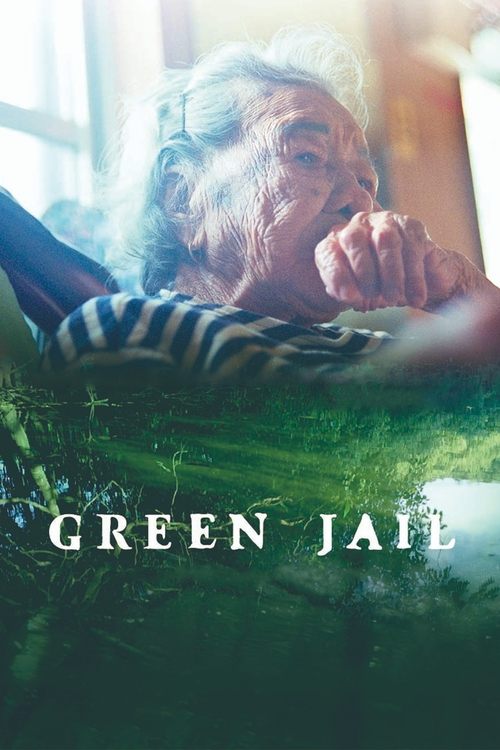
The film follows the last 4 years life of Grandma Hashima, the last existent from colonial Taiwan, who knows the secrets of "Green Jail," the notorious coal mine before World War II on Iriomote Island, Okinawa, Japan.
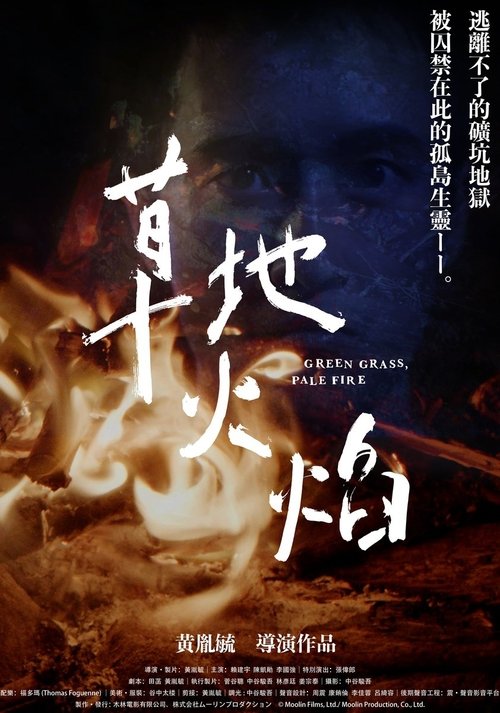
Taking place in the 1930s on one island of the Japanese Empire, a few Pinginumu or the ‘escapees,’ attempt to flee from the infamous Green Jail coal mine but lose their way. They suffer from starvation, risk a brutal beat-up if caught, or if lucky, they swim to regain freedom. They become the hungry wandering living-ghosts. After the war, locals have more or less witnessed the miners’ ghosts that remain wandering about, as if they were still the poor souls that lost direction.
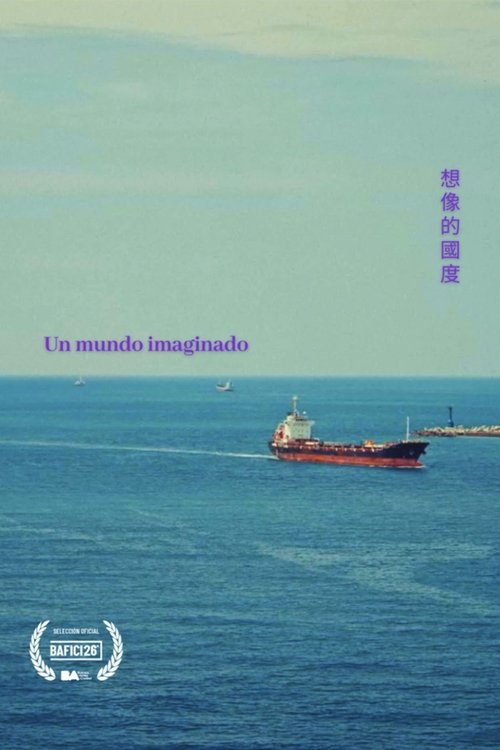
In the 1980s, Taiwanese families arrived in Argentina; years later, many who felt Argentinean ended up in Taiwan. Parents leaving, their children returning; identities and memories divided, worlds we build to find each other.
The life of a man, transitioning from a hunter-gatherer existence in the mountains to a life in the farm. One day, he comes across an ox, which somehow, he succeeds in leading back to his home. He lives with the animal, which becomes his companion in a life of changing seasons.