Acting
No description available.
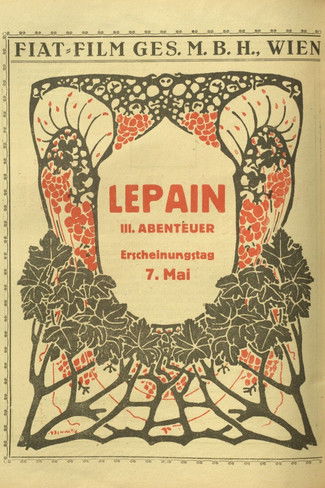
A German soldier lies wounded on the front line in the First World War. To avoid capture or death, he assumes the identity of a fallen French officer. As the German soldier happens to speak fluent French, nobody realizes the deception. The soldier begins a new life in Paris, yet remains in constant fear of being exposed as the ‘enemy’.
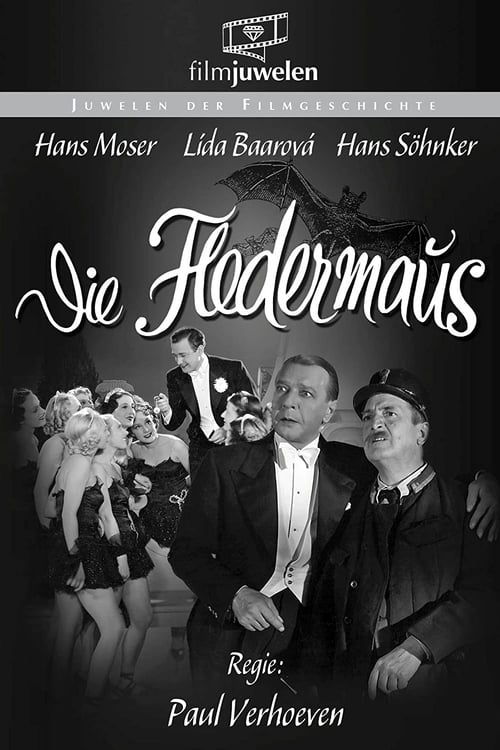
The delightful Johann Strauss comic opera Die Fledermaus was mercilessly lampooned in this truly bizarre production. For starters, a framing device has been added: After appearing in 300 consecutive appearances of Fledermaus (which translates as The Bat) the lead tenor (Georg Alexander) imagines that he's seeing bats everywhere. Driven a bit over the edge by all this, he falls asleep and has a nightmare about the opera, with a group of non-singers cast in the leading roles. The original libretto about romantic assignations, political imprisonments and mistaken identity is burlesqued to the hilt: at one point, the hero finds out that his prison cell is surrounded by rubber tubes!
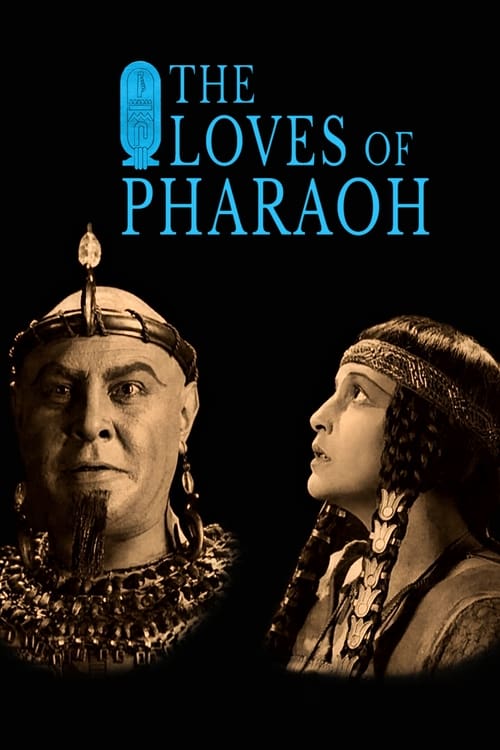
The Ethiopian King offers his daughter to a powerful Pharaoh to secure peace between the two countries.
This movie, directed by Richard Oswald, is based on the operetta "Les contes de Hoffmann" by Jacques Offenbach (1819-1880), which is a genial musical potpourri from various short stories and novels by the Prussian writer, composer, painter, lawyer and judge E.T.A. Hoffmann (1776-1822). While Hoffmann's literary work was longtime considered to be merely fantastical, it was finally researched, in the last years, according to its metaphysical background. Characteristic for Hoffmann's work is his life-long fight against rationalism and for the revelation of nature morte, culminating mostly in carnival-like scenes anticipating literary techniques only described in the works of Bachtin and Bachelard.
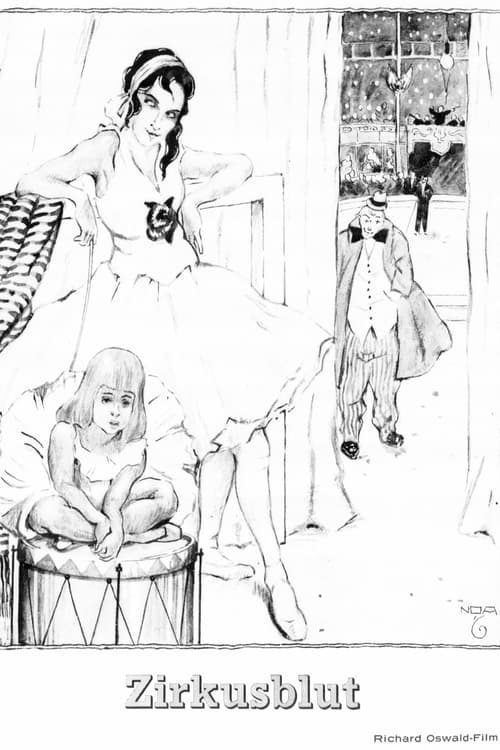
Georg Bertrand, a gambling addict and the son of a wealthy landowner, is kicked out of his family home. The director of a travelling circus takes him in. In time, Georg marries the director's daughter and himself becomes the director. Georg's brother visits the circus and recognizes him. Georg must now decide whether to stay with the circus or return to the family that kicked him out.
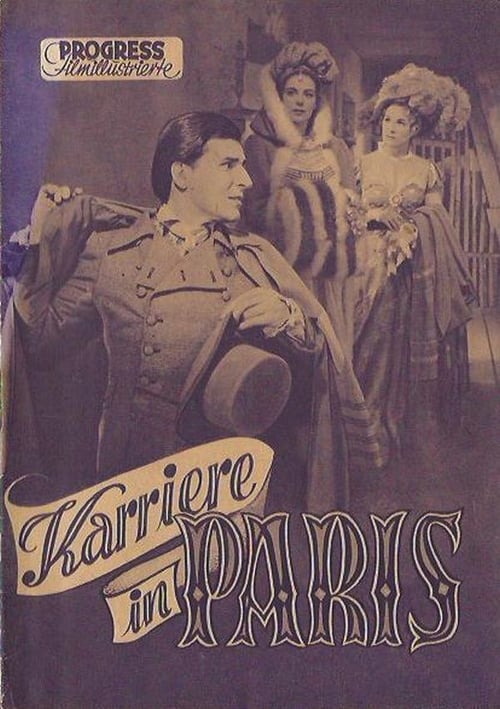
France at the time of the Restoration. The young country gentleman Rastignac comes to Paris to study. He takes up residence in a poor boarding house, where his father Goriot, who has been excluded by his daughters, also lives. The penniless Rastignac is anxious to gain a foothold in Parisian society. His cousin advises him to take the rich banker's wife Delphine, one of Goriot's daughters, as his mistress, which he does. At the same time, however, he falls in love with the laundress Yvette. He is unable to make up his mind when boarding house guest Vautrin suggests a third option: To marry Victorine, the disinherited daughter of a millionaire, and kill her brother in a duel in order to get his inheritance after all. Rastignac agrees. This is his downfall. Instead of high society, he ends up in the gutter.
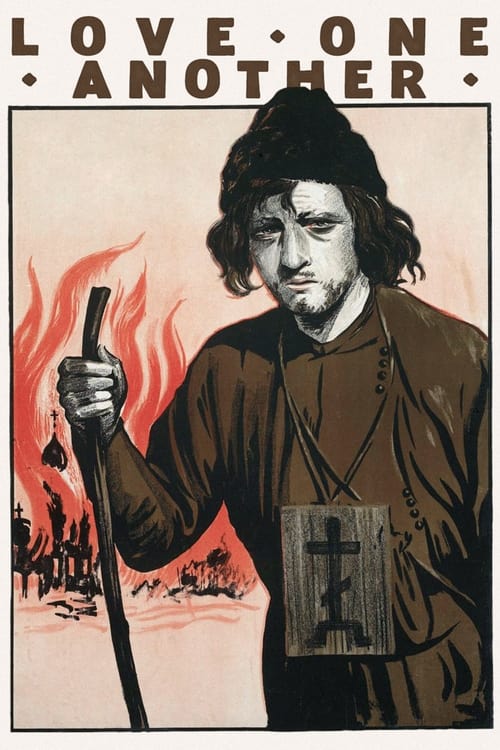
A look at various lives, one of which is Jewish girl Hanne Liebe, as she grows up and experiences the pains of living as a Jew in Russia, leading to a revolution.
In China, Professor Gesellius has completed his long research on the many uses of opium. When he is about to return home, he hears about a special variety that produces fabulous sensations because of the way it is made, but can also cause the total destruction of the mind and body of the person who consumes it.
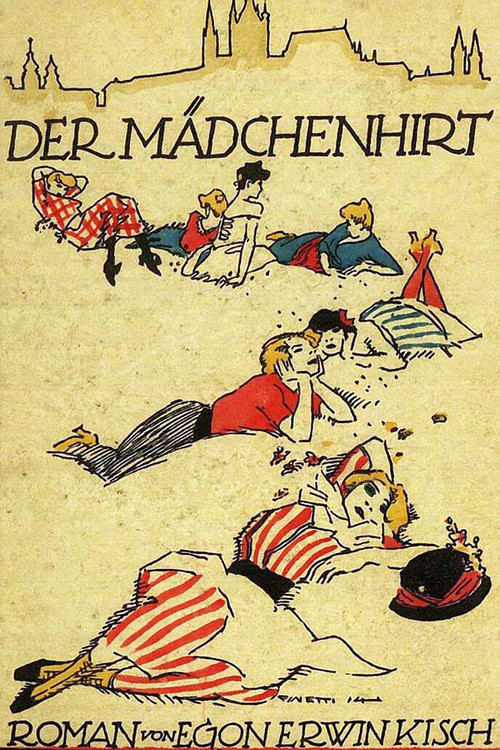
"The Girl's Shepherd" - at that time a common name for a pimp. About promiscuity and naivety leading up to complicated situations.
A melodrama about a virtuous wife unjustly abandoned by her husband, who get him back with the help of a Hindu mystic.
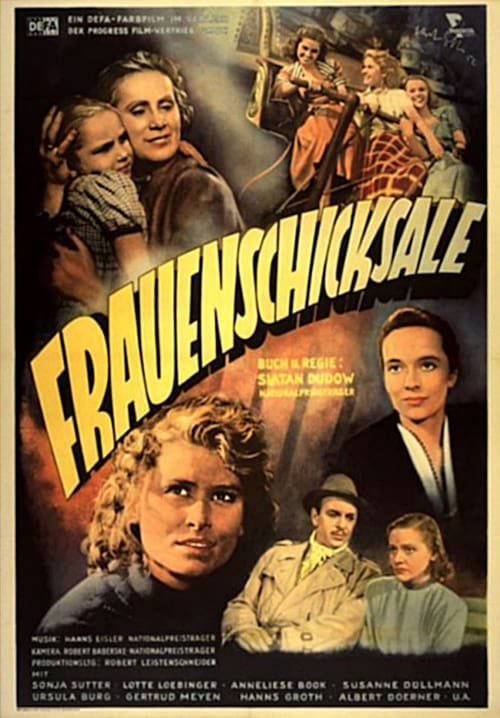
Berlin 1952, seven years after WWII. Four women are looking for a good man and happiness in the divided city. Their destinies are loosely connected through one person: the West Berlin dandy and womanizer, Conny.
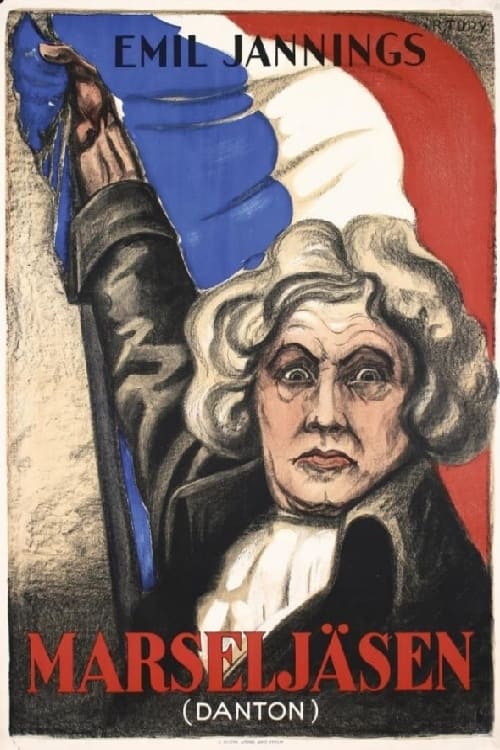
At the height of Reign of Terror Maximilien Robespierre orchestrates the trial and execution of several of his fellow leading French revolutionaries including Georges Danton.
The story of the ill-fated second wife of the English king Henry VIII, whose marriage to the Henry led to momentous political and religious turmoil in England.
Sherlock Holmes' arch enemy Stapleton has escaped a watery death in the 1914 "Hound of the Baskervilles" and returns to torment Lord Henry and his fiancée.