FEEL IT.STREAM
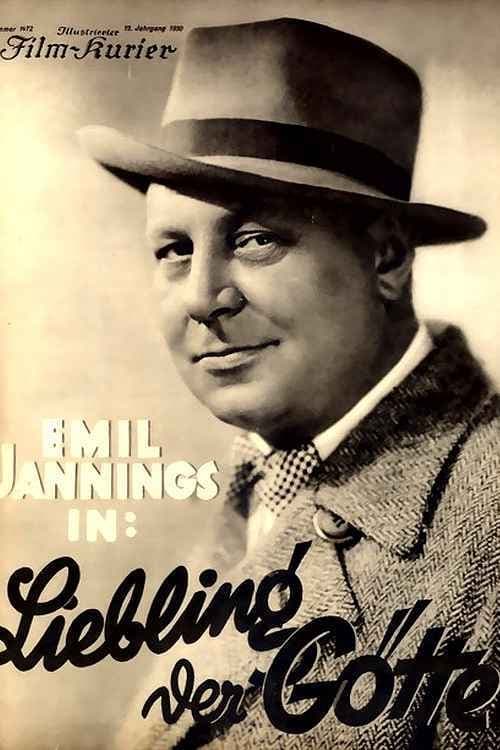
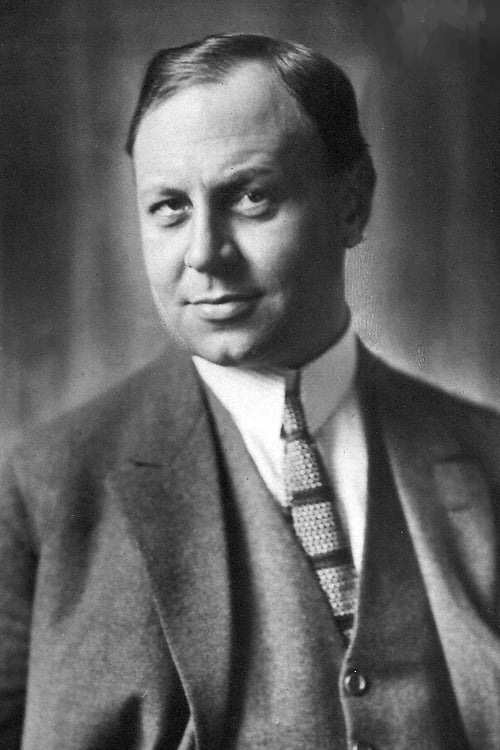
Emil Jannings

Emil Jannings

Acting

Biography

Emil Jannings (1884–1950) was a German actor, the first to win the Academy Award for Best Actor. Between 1926 and 1929, he worked in Hollywood. Upon returning to Germany, he sympathized with the Nazi regime and was one of the advisors to Universum Film-Aktiengesellschaft (UFA), the film studios controlled by Goebbels as a propaganda weapon. With the end of World War II and Germany's defeat, his career fell into disgrace.
Known For

The Oscars
7.0

An annual American awards ceremony honoring cinematic achievements in the film industry. The various category winners are awarded a copy of a statuette, officially the Academy Award of Merit, that is better known by its nickname Oscar.

The Oscars

1953
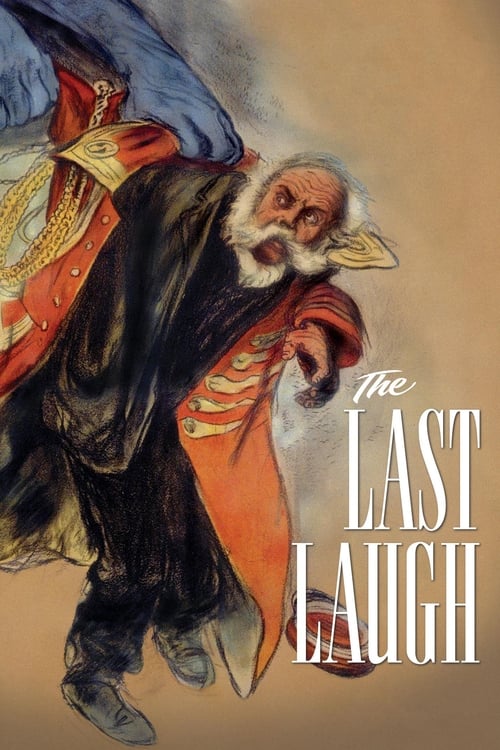
The Last Laugh
7.8

An aging doorman, after being fired from his prestigious job at a luxurious hotel, is forced to face the scorn of his friends, neighbours and society.

The Last Laugh

1924
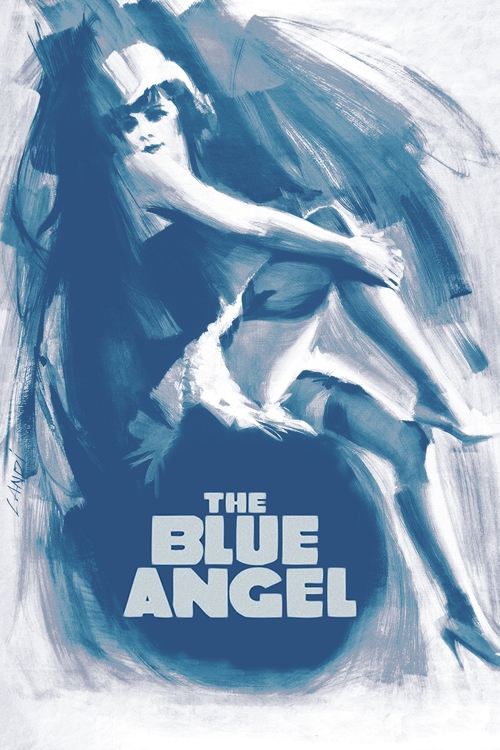
The Blue Angel
7.3

Prim professor Immanuel Rath finds some of his students ogling racy photos of cabaret performer Lola Lola and visits a local club, The Blue Angel, in an attempt to catch them there. Seeing Lola perform, the teacher is filled with lust, eventually resigning his position at the school to marry the young woman. However, his marriage to a coquette -- whose job is to entice men -- proves to be more difficult than Rath imagined.

The Blue Angel

1930
Cavalcade of the Academy Awards
6.5

This 1940 presentation features highlights of earlier (1928 onward) Oscar ceremonies including Shirley Temple and Walt Disney, plus acceptance speeches for films released in 1939 with recipients and presenters including Vivien Leigh, Judy Garland, Hattie McDaniel, Fay Bainter, Mickey Rooney, Thomas Mitchell, Sinclair Lewis, and more, with host Bob Hope.

Cavalcade of the Academy Awards

1940
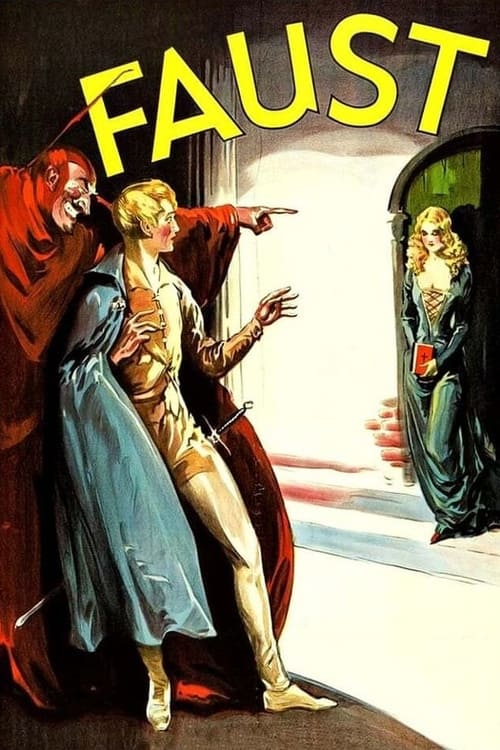
Faust
7.9

God and Satan wager on the soul of a learned and prayerful alchemist as part of their eternal war over Earth.

Faust

1926
The Way of All Flesh
6.5

The story takes place in Milwaukee during the early 1900s with a bank clerk named August Schiller who is happy with both his job and his family. He is tasked with transporting $1,000 in securities to Chicago. On the train he meets a blond seductress who convinces him to buy her a bottle of champagne, and takes him to a saloon. The next morning he awakes alone in a dilapidated bedroom and without the securities.

The Way of All Flesh

1927
The Last Command
7.3

A former Imperial Russian general and cousin of the Czar ends up in Hollywood as an extra in a movie directed by a former revolutionary.

The Last Command

1928
Fragments: Surviving Pieces of Lost Films
9.0

Among the pieces featured in Fragments are the final reel of John Ford's The Village Blacksmith (1922) and a glimpse at Emil Jannings in The Way of All Flesh (1927), the only Oscar®-winning performance in a lost film. Fragments also features clips from such lost films as Cleopatra (1917), starring Theda Bara; The Miracle Man (1919), with Lon Chaney; He Comes Up Smiling (1918), starring Douglas Fairbanks; an early lost sound film, Gold Diggers of Broadway (1929), filmed in early Technicolor, and the only color footage of silent star Clara Bow, Red Hair (1928). The program is rounded out with interviews of film preservationists involved in identifying and restoring these films. Also featured is a new interview with Diana Serra Cary, best known as "Baby Peggy", one of the major American child stars of the silent era, who discusses one of the featured fragments, Darling of New York (1923).

Fragments: Surviving Pieces of Lost Films

2011
Variety
6.7

Murderer “Boss” Huller—after having spent ten years in prison—breaks his silence to tell the warden his story.

Variety

1925
100 Years of the UFA
4.5

The intricate history of UFA, a film production company founded in 1917 that has survived the Weimar Republic, the Nazi regime, the Adenauer era and the many and tumultuous events of contemporary Germany, and has always been the epicenter of the German film industry.

100 Years of the UFA

2017
The Patriot
5.8

In 18th-Century Russia, the Czar, Paul, is surrounded by murderous plots and trusts only Count Pahlen. Pahlen wishes to protect his friend, the mad king, but because of the horror of the king's acts, he feels that he must remove him from the throne.

The Patriot

1928
The Old and The Young King
6.0

The story of the stormy relationship between King Friedrich Wilhelm and his son, who later became known as King Frederick the Great of Prussia.

The Old and The Young King

1935
Waxworks
6.4

A poet is hired by the owner of a wax museum in a circus to write tales about Harun al Raschid, Ivan the Terrible and Jack the Ripper. While writing, the poet and the daughter of the owner, Eva, fantasize the fantastic stories and fall in love for each other.

Waxworks

1924
Hitler's Hollywood
6.5

Film journalist and critic Rüdiger Suchsland examines German cinema from 1933, when the Nazis came into power, until 1945, when the Third Reich collapsed. (A sequel to From Caligari to Hitler, 2015.)

Hitler's Hollywood

2017
Madame DuBarry
6.5

The story of Madame DuBarry, the mistress of Louis XV of France, and her loves in the time of the French revolution.

Madame DuBarry

1919
Tartuffe
7.2

A young man shows his millionaire grandfather a film based on Molière's play "Tartuffe" in order to expose the old man's hypocritical governess who covets the young man's inheritance.

Tartuffe

1926
The Film in the Film
7.3

The only surviving excerpt of a documentary on film production in Weimar Germany, featuring the different personalities of several famous directors of the era at work on the set including Fritz Lang, Robert Wiene, and E.A. Dupont.

The Film in the Film

1924
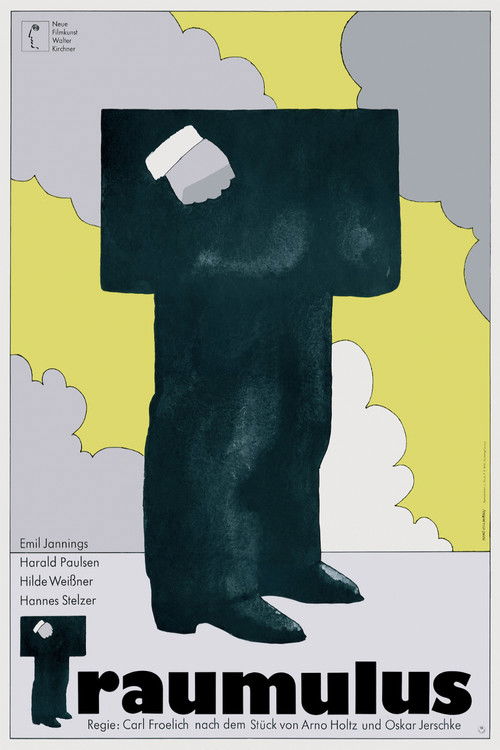
Traumulus
6.5

This film is a fascinating showcase for Emil Janning's theatrical play. He's a gentle school teacher who believes in his boys and is easily fooled about all things, while the other town officials want him dismissed. Curiously it's very hard to see what the film is exactly aiming for. Disaster strikes and the lax prof proves to be too far removed of the real problems of the world, on the other hand his enemies are shown in the most unsympathetic, satirical way denouncing the militaristic, bourgeois ideology of the Kaiserreich.

Traumulus

1936
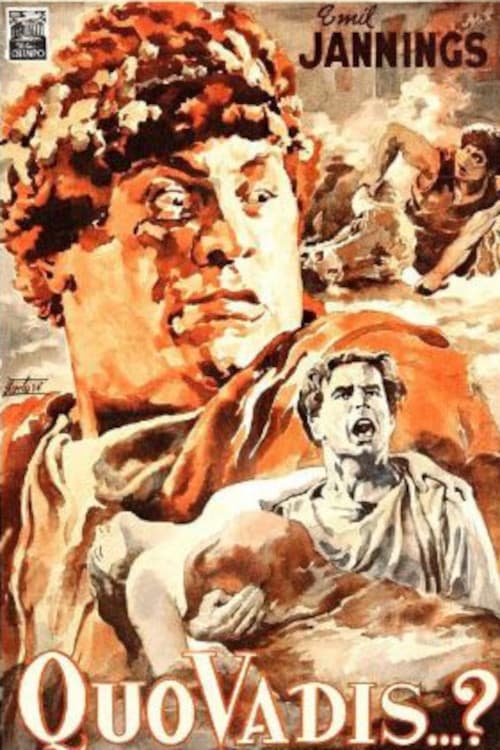
Quo Vadis?
6.3

"The Roman Banquet, the golden glories, the unrivaled luxuries, the wine, the dance, the song, the beautiful women, the sumptuous splendors that taxed a barbaric world for a night of feasting and revel-- Re-created for your entertainment in the most colossal drama produced", reads an ad in the Daily Argus of New York. Unione Cinematografica Italiana's lavish production of the oft-told tale stars Emil Jannings as Nero.

Quo Vadis?

1924
The Broken Jug
7.2

Today is a fateful day for village judge Adam. Who broke Widow Kull’s jug fleeing head over heels after his nightly visit to her daughter? As the trial unfolds, it becomes clear to everyone that the judge himself is the culprit. Judge Adam twists and turns, invents countless explanations, and piles up the most absurd lies. But he is conducting a trial against himself—one he cannot win.

The Broken Jug

1937