Paul M. Rickard
Directing
Biography
Paul M. Rickard is an Omuskego Cree from Moose Factory in Northern Ontario.
Known For
How the Fiddle Flows follows Canada's great rivers west along the fur-trading route of the early Europeans. The newcomers introduced the fiddle to the Aboriginal people they intermarried with along the way. A generation later, their mixed-blood offspring would blend European folk tunes with First Nations rhythms to create a rich and distinct musical tradition. From the Gaspé Peninsula, north to Hudson Bay and to the Prairies, How the Fiddle Flows reveals how a distinctive Metis identity and culture were shaped over time. Featuring soaring performances by some of Canada's best known fiddlers and step dancers and narrated by award-winning actress Tantoo Cardinal.
How the Fiddle Flows
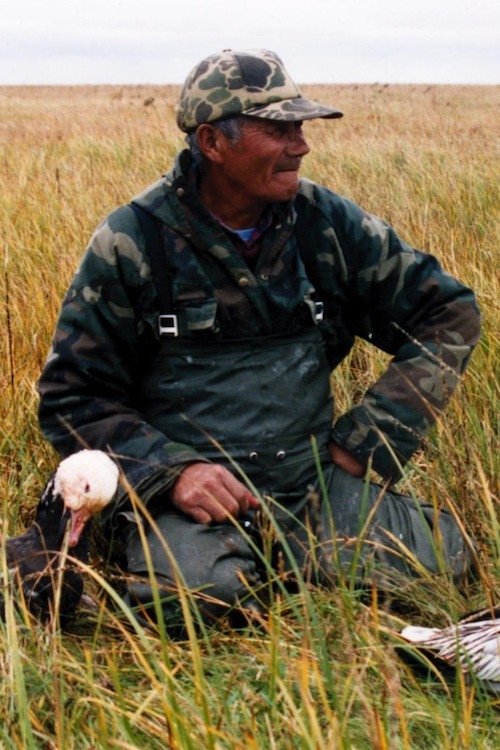
This documentary focuses on the goose hunt, a ritual of central importance to the Cree people of the James Bay coastal areas. Not only a source of food, the hunt is also used to transfer Cree culture, skills, and ethics to future generations. Filmmaker Paul M. Rickard invites us along with his own family on a fall goose hunt, so that we can share in the experience.
Okimah
This film follows the aftermath of the Oka crisis, which brought Indigenous rights into sharp focus. After the barricades came down, the Royal Commission on Aboriginal Peoples was created, and travelled to more than 100 communities and heard from more than 1,000 representatives. For two-and-a-half years, teams of Indigenous filmmakers followed the Commission on its journey.
No Turning Back
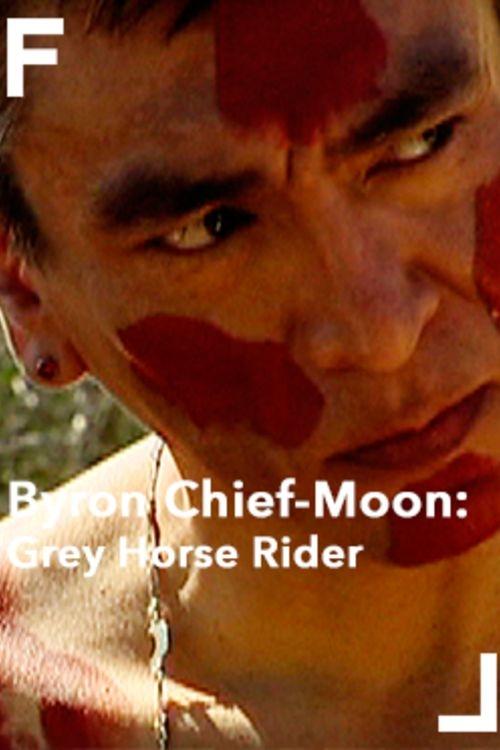
Actor, dancer, and choreographer, Chief-Moon is founder of the Coyote Arts Percussive Performance Association, and member of the Blackfoot Confederacy, member of the Blood Band. Through his art and his life, Chief-Moon's story is one of cultural survival. Themes of his dance creations begin with his people's traditional stories, his attachment to the land and his community, as well as the inner conflict he faces in existing within the Aboriginal culture and the wider community. The documentary also explores his identity as a First Nations two-spirited gay man and a father of three adopted children. His art and his life cross boundaries. Challenging the cultural construct is never easy; but Chief-Moon does.
Byron Chief-Moon: Grey Horse Rider

Everyone is familiar with certain types of Aboriginal architecture. Traditional igloos and tepees are two of the most enduring symbols of North America itself. But how much do we really know about the types of structures Native Peoples designed, engineered and built? For more than three hundred years, Native communities in North America have had virtually no indigenous architecture. Communities have made do with low-cost government housing and community projects designed by strangers in far away places.
Aboriginal Architecture, Living Architecture
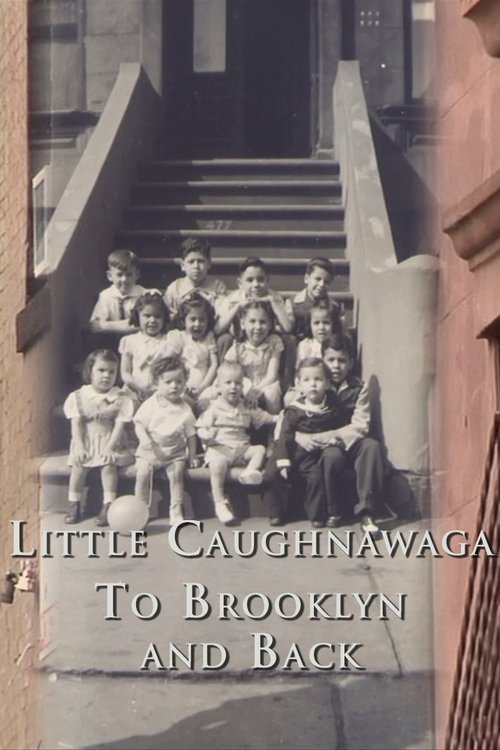
For over 50 years, the Kahnawake Mohawks, of Quebec, Canada occupied a 10 square block area in the North Gowanus section of Brooklyn, which became known as Little Caughnawaga. The men, skilled ironworkers, came to New York in search of work and brought their wives, children and often, extended family with them. The story of the Mohawk ironworkers is an important one and is one that has been told and continues to be told through documentaries, newspaper and magazine articles. Yet the stories of Kahnawake Mohawk women who lived in Brooklyn have gone untold.