
Adele Fátima
Acting
Known For
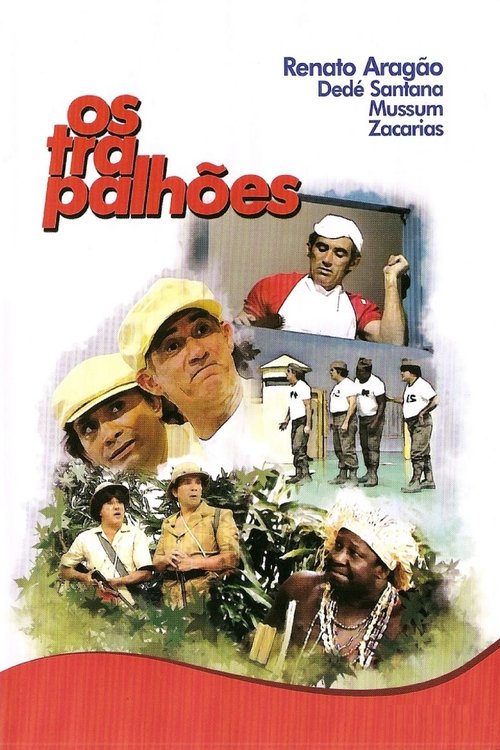
Os Trapalhões was a Brazilian comedy group and also a Brazilian television series created by Wilton Franco. Its members were Dedé Santana, Zacarias, Mussum and their leader Didi Mocó, that was played by Renato Aragão. The name Trapalhões is derived from the Portuguese verb atrapalhar, which means the opposite of helping, to do something the wrong way or to Those that confuse. The name is translated "Tramps" in English DVD subtitles. It was aired by Rede Globo from 1977 to 1999. On March 18, 1990, Zacarias died due to respiratory failure, but the group and the series didn't come to an end until July 29, 1994, when Mussum died due to an unsuccessful heart transplant.
The Trapalhões

No description available.
Balança Mas Não Cai

No description available.
Planeta dos Homens

Erotic spoof of Snow White and the Seven Dwarfs.
Stories Our Nannies Don't Tell
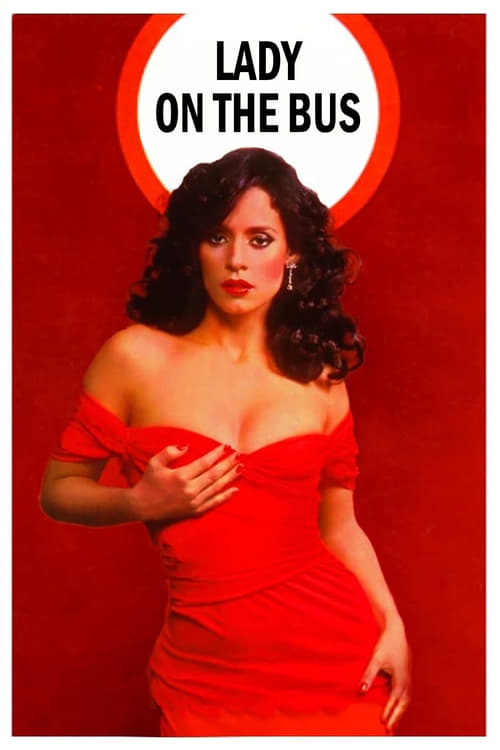
Solange is a recently married young woman whose wedding night did not end well. After constant fights with her husband, she decides to live through her sexual frustration by sleeping with strangers she picks up on crowded buses in Rio de Janeiro.
Lady on the Bus
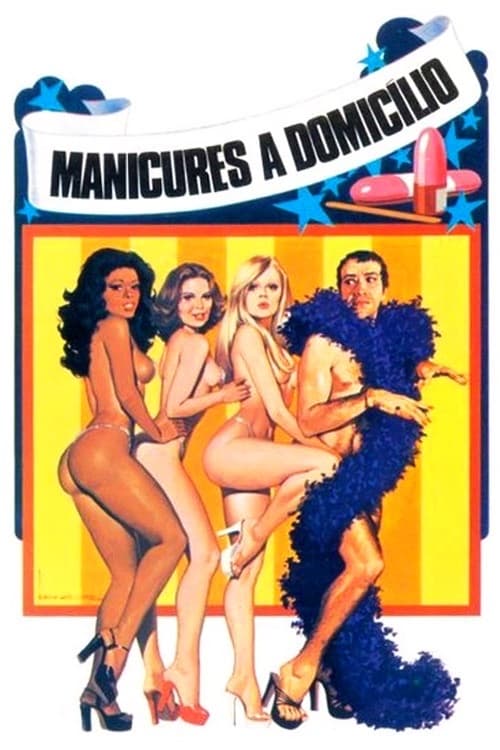
The life of hairdresser Aurora Boreal is marked by many unfortunate episodes. His mother works with illegal gambling and, to escape this fate, he sends female manicurists to important businessmen's houses. These workers, in order to help Aurora, end up doing much more than just their customers' nails.
Manicures a Domicílio

Dr. Brochard, the owner of the massage clinic "Academia Mãos de Ouro" in Rio de Janeiro, fires two employees for prostituting themselves on the side to the customers. In their place he hires two virgins, Virgem and Berta who are both immediately set upon by the womanizing driver Duda de Almeida.
The Massage Professionals

Movie director in his forties and in existential crisis falls in love with an unknown teen girl he sees walking down the streets, without knowing she's the daughter of the woman he's having a relationship with.
Fulaninha
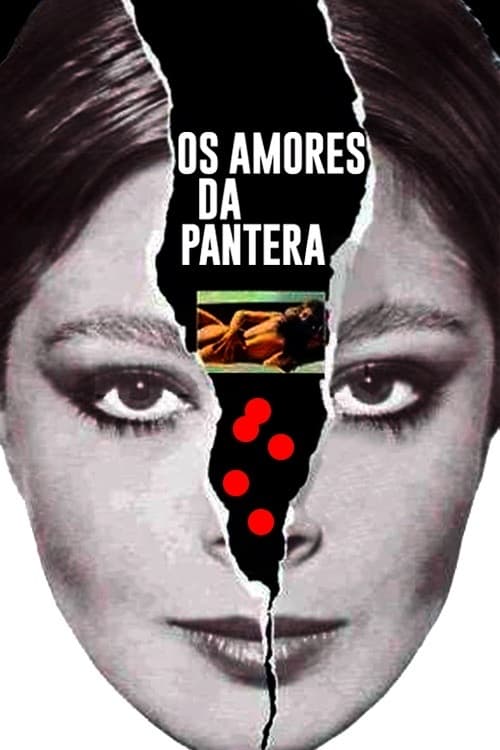
During an orgy of millionaires, a woman is mysteriously kidnapped and killed. The crime causes quite a stir in local society, as the investigations points to a very known addicted playboy. Although it's never said, the film is vaguely based on a real case happened in 1975, when socialite Ângela Diniz was killed by her lover Doca Street, in Búzios, Brazil.
Os Amores da Pantera
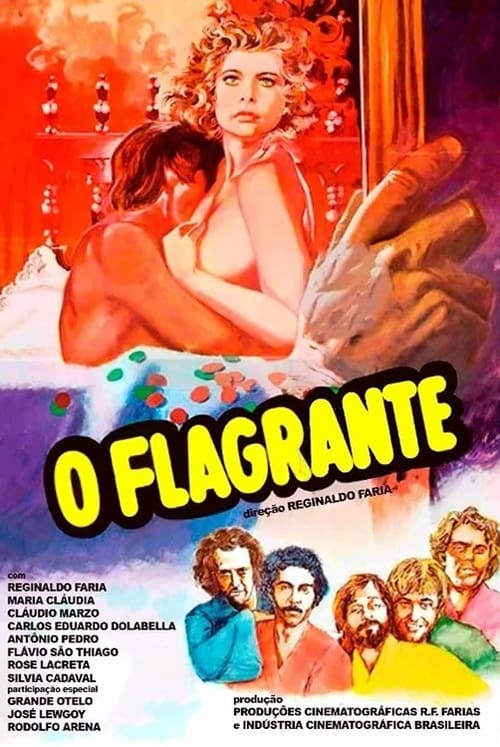
Five friends decide to enjoy Mardi Gras without their wives, leaving them home. But one of the wives doesn't accept this arrangement and tries to get even.
O Flagrante
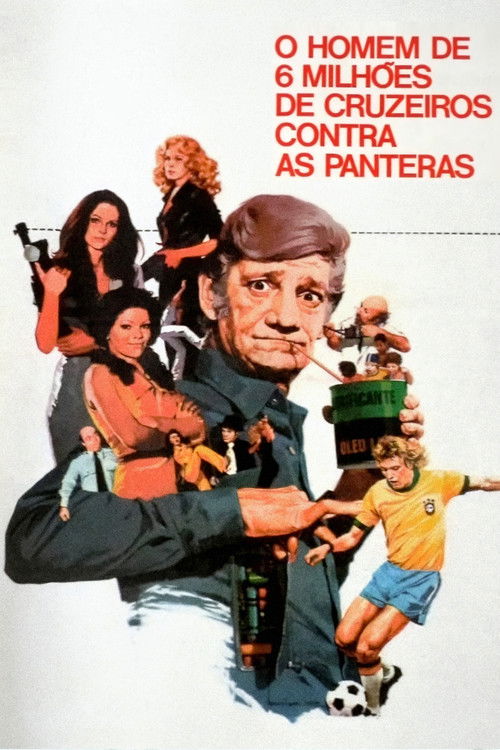
No description available.
O Homem de Seis Milhões de Cruzeiros Contra as Panteras
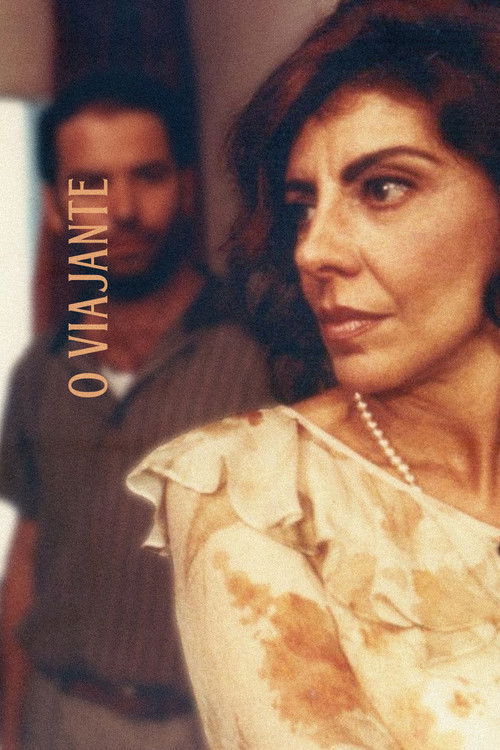
Fortune takes four human beings to the last frontier of passion. There, where love becomes almost inhuman and divine. As if he was a comet, Rafael, the traveler, appears at the party for the cities patron saint, in a small town in the interior of Minas Gerais. He is the one who brings passion and crime, vanishing afterwards, leaving a poetic feeling in the air, which is always deadly to the ones who stay. Mrs. Ana de Lara, the proud rich widow, and Missy, still a child, whose beauty and innocence are like the Tiê-Sangue, a red bird, are the travelers victims. There is also Master Juca do Vale, a criminal, whose passion turns him incredibly human, in this story of love, death, forgiveness and resurrection.
Traveller
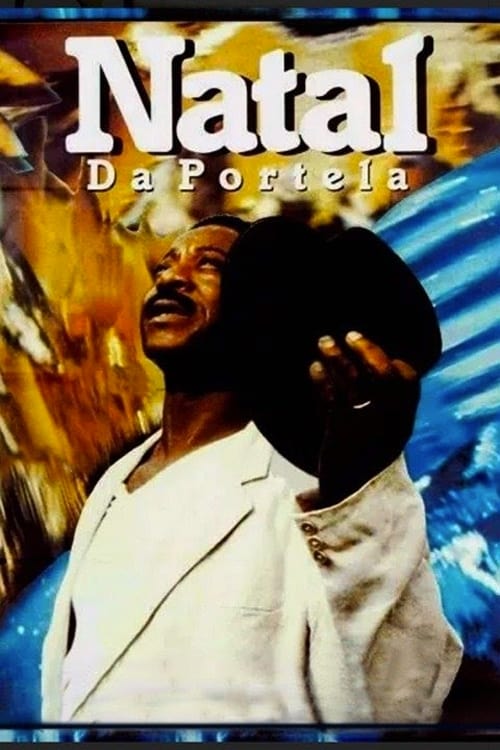
Biography of one of the legendary names in the Samba genre of Brazilian music. Although he could hardly dance or play an instrument, he became one of the main composers of Portela, an important Samba "school" in Rio de Janeiro.
Natal da Portela
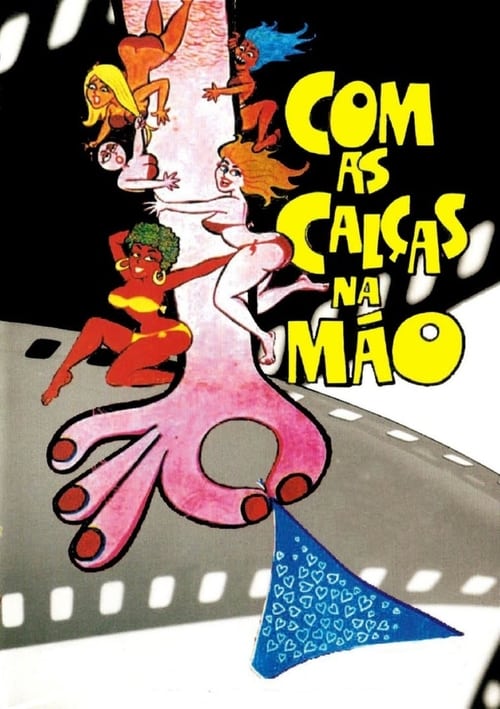
Reg owns the store "Tem Tudo... E Muito Mais" (Has Everything... And Much More). To satisfy his customers, he is forced to perform the most strange functions.
Com as Calças na Mão
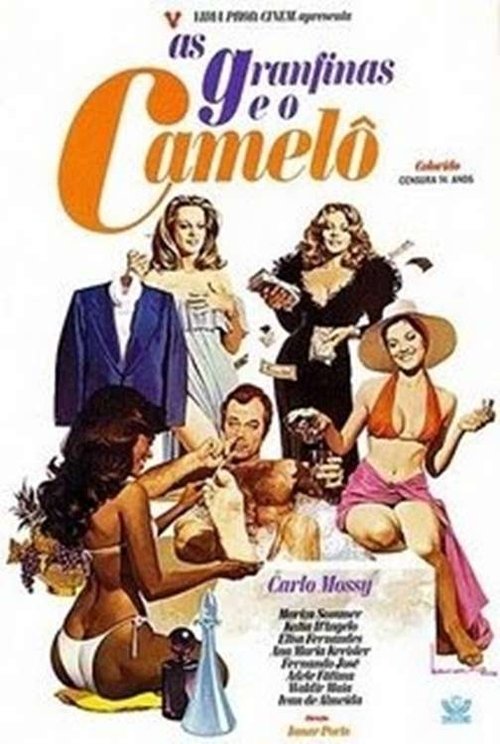
No description available.
As Granfinas e o Camelô

Interviews and performances with black women on film, theater and television who narrate their lives, careers, discrimination and struggles in the Brazilian artistic world. Starring actresses Zezé Motta, Ruth de Souza, Léa Garcia, Zenaide Zen and Adele Fátima, as well as activist Lélia Gonzáles.