Acting
Polizeiruf 110 is a long-running German language detective television series. The first episode was broadcast 27 June 1971 in the German Democratic Republic, and after the dissolution of Fernsehen der DDR the series was picked up by ARD. It was originally created as a counterpart to the West German series Tatort, and quickly became a public favorite.
Der Staatsanwalt hat das Wort was an East German television series.
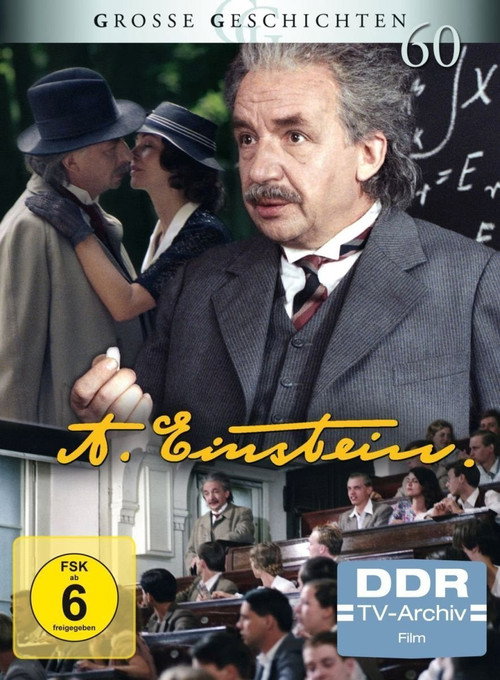
Two-part miniseries about Einstein's escape from Germany in 1932 and his influence in the invention of the nuclear bomb in 1939.
No description available.
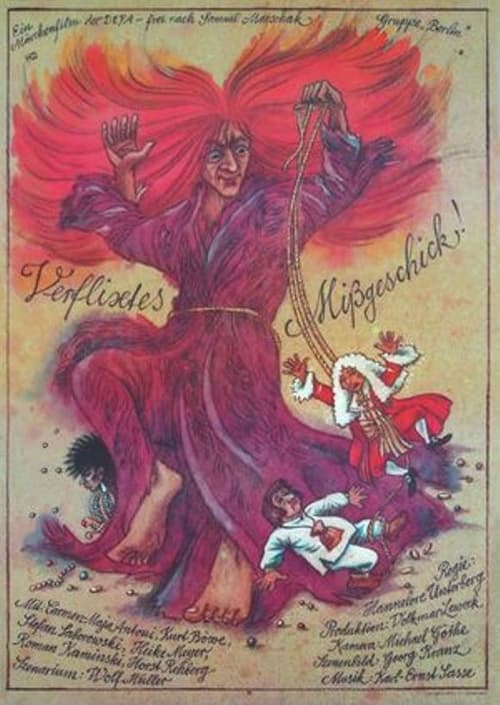
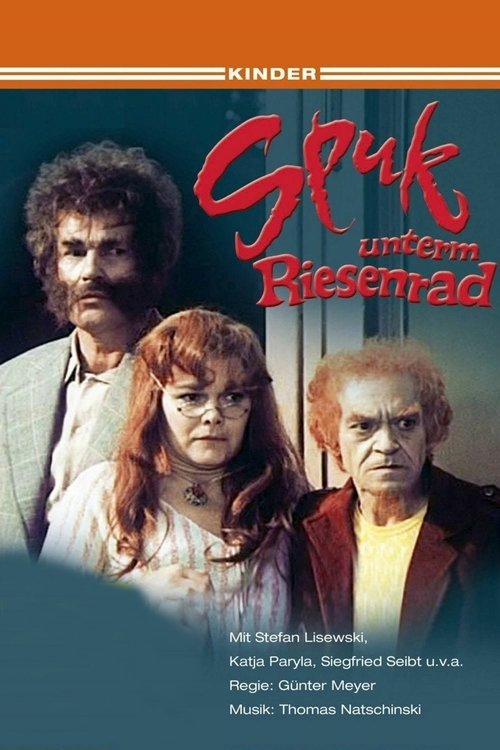
A creature bearing the ominous name "Mishap" is hot in pursuit of an unfortunate lumberjack and eventually decides to live with him. It soon gets bored, however, and asks the lumberjack to hand it over to the rich merchant Habermoos. Habermoos manages to sell Mishap to the king, although he is being attacked by robbers. The king is bankrupt and threatened with war by other countries. Young Michael has to go to war for the king. The creature tries to secretly join him. When Michael gets hold of the situation, he manages to get rid of Mishap once and for all. After all, he has more important things to do. At the last moment, he prevents his girlfriend Kathrin from getting married to the pompous merchant Habermoos.
The Invisible Visor (Das unsichtbare Visier) was an East German television series, broadcast with long intervals between 1973 and 1979. In its first and longest season it starred Armin Mueller-Stahl in the role of Werner Bredebusch, a Stasi agent active abroad under the alias Achim Detjen.
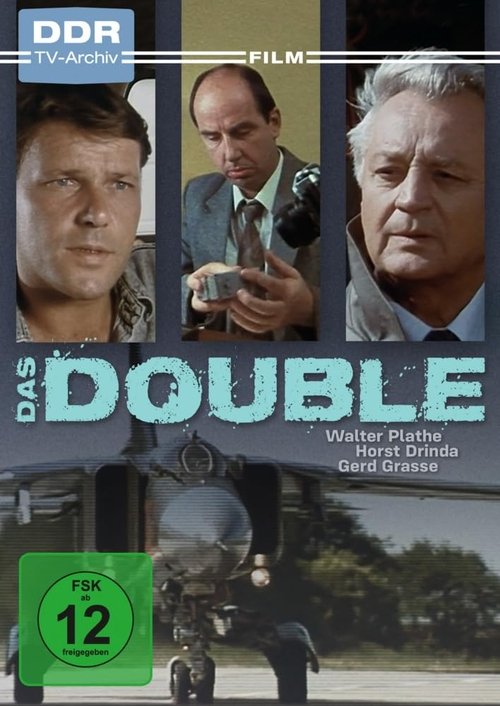
Eight space cargo-ships disappear without a trace within three days, and the orbit station "Margot" has suddenly fallen silent. It’s down to science officer Maria Scholl to find out what happened to them.
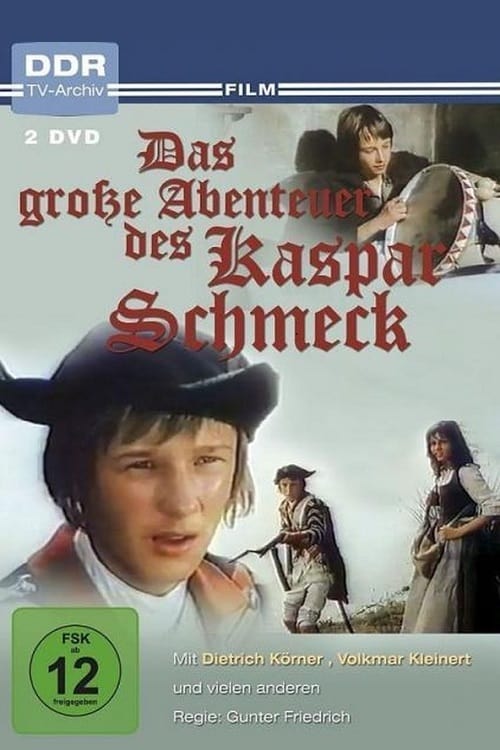
Das große Abenteuer des Kaspar Schmeck is a German television series.
The series begins with a story from 1717: At the court of Augustus the Strong in Dresden, the French organ virtuoso Louis Marchand was said to have passed away. Convinced of his “unique” abilities, he announced a music competition. Bach was the only competitor to enter.
The marriage of Katrin and Richard Lot has become a routine. She has a career and he, as a Marine officer, comes home only once every fourteen days. The children greet him with joy, but she greets him only with anxiety because their marriage is missing its key ingredient: love. She wants a divorce, but he refuses mainly out of comfort as well as due to pressure from the party. Katrin finds a strange solution: she shoplifts and is put on probation for three months. This is enough to force Richard into a divorce because he is concerned about the "moral liability" of his wife.
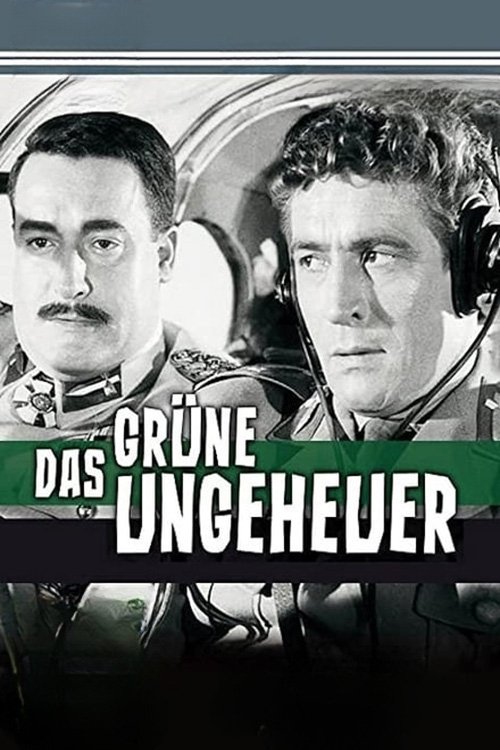
On the run from police in America, Antonio Morena, a former World War II aviator and black-marketeer, finds himself in South America working for the all-powerful United Fruit Company, known to the natives as "the Green Monster".
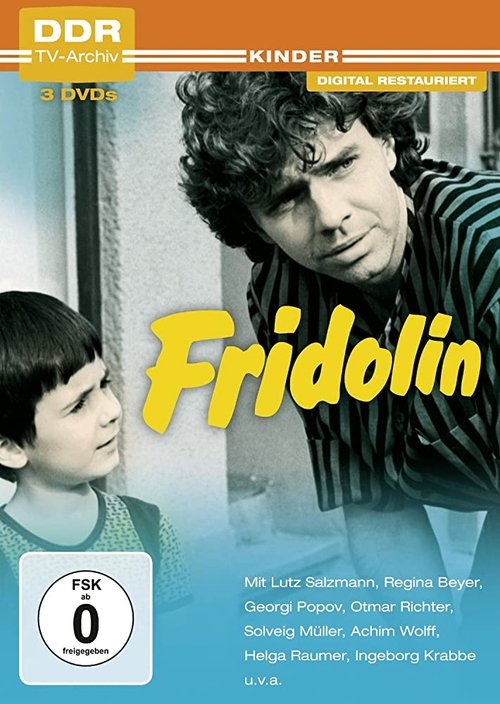
Two kids suddenly call three very enchanted persons to reality while spending summer in their grandma's village.
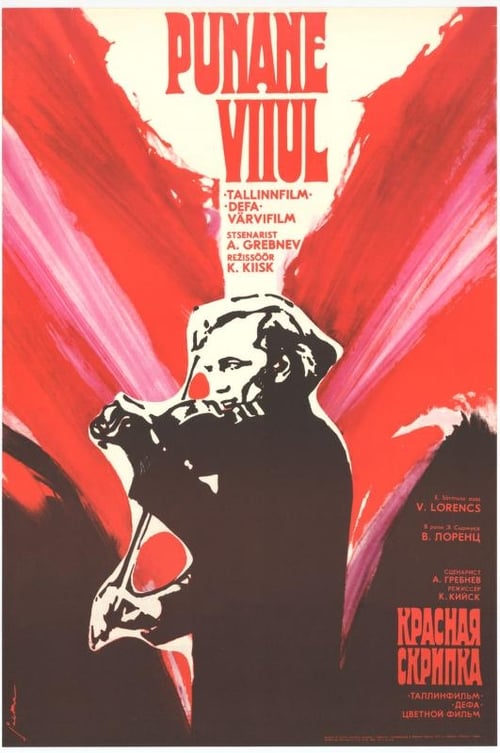
When Estonian violinist Eduard Sõrmus starts his concert tours in Europe, he is convinced that the world revolution is about to begin. His mission as a Red Violinist is to call the proletariat around the world to join with the revolution. It is only two things - music and revolution - that Eduard has dedicated himself to. His audience is enchanted by his performance and ignited by his ideas. With this knowledge, he travels Europe between the two world wars, accompanied by his faithful friends, his audience's admiration and the hostility of the authorities.
This elaborate two-part television film features a section from the life of communist worker leader Ernst Thälmann. It begins with the bloody riots on May 1, 1929 in Berlin, in which police officers shot at demonstrating workers, and ends with February 7, 1933, when Thälmann appeared as a speaker at the illegal meeting of the Central Committee of the Communist Party of Germany in goat neck. This period was marked by the struggle of the Communists against the ever stronger National Socialists and the rise of Adolf Hitler.
Florida, 1830 - Of all eastern Native American tribes, only the Seminoles have resisted being moved to reservations. Having retreated to Florida, they live a simple horticultural life. But white plantation owners, angry at the increasing numbers of black slaves fleeing to Seminole protection, want to take their land. Plantation owner Raynes, in particular, has convinced the military to wipe out the Seminoles. His rival Moore, a sawmill owner from the North who has a Seminole wife, is against slavery and considers it unprofitable. Chief Osceola sees the coming danger; he tries to avoid provoking the whites, but cannot prevent the war that breaks out in 1835.