FEEL IT.STREAM
?

Süreyya Arın

Writing

Known For

Kariye
N/A

The documentary explores one of Istanbul’s most significant art monuments, tracing nearly 700 years of cultural and artistic history through the mosaics and frescoes of the Kariye Mosque (Chora Church). By combining visual analysis with a distinctive soundscape—from Byzantine hymns and Orthodox prayers to the Islamic call to prayer and Ottoman takbirs—the documentary emphasizes Istanbul’s layered cultural continuity and enduring intercultural dialogue.

Kariye

1984
From Hattis to Hitites
N/A

Approximately 3300 years ago, on a cuneiform tablet, the Hittite King Muvatalli begged the Storm God. However, a hundred years later, severe storms blew over Anatolia, and the "Land of Hatti" and what we call the "Land of the Hittite" today became a pile of stones and earth, from one end to the other. But this civilization still lives on the traces they left in Anatolia and will continue to live for centuries. The documentary "From Hattis to Hittites", produced by Suha Arın in 1974 with the support of the Turing and Automobile Association, as the first film in the "Traces of Anatolian Civilizations" series, is restored 45 years later from original negatives and magnetic sound tapes.

From Hattis to Hitites

1974
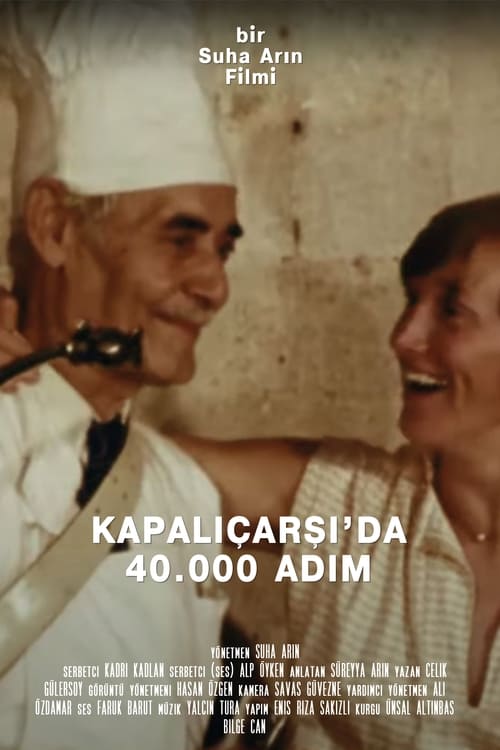
40.000 Steps in the Grand Bazaar
N/A

This documentary presents the past and present of Istanbul’s famed Grand Bazaar, whose history spans nearly five centuries. The film offers an intimate portrait of the bazaar through the perspective of a sherbet seller who has walked its streets for forty years, capturing the rhythms of daily life and the continuity of tradition within one of the city’s most enduring cultural spaces.

40.000 Steps in the Grand Bazaar

1980
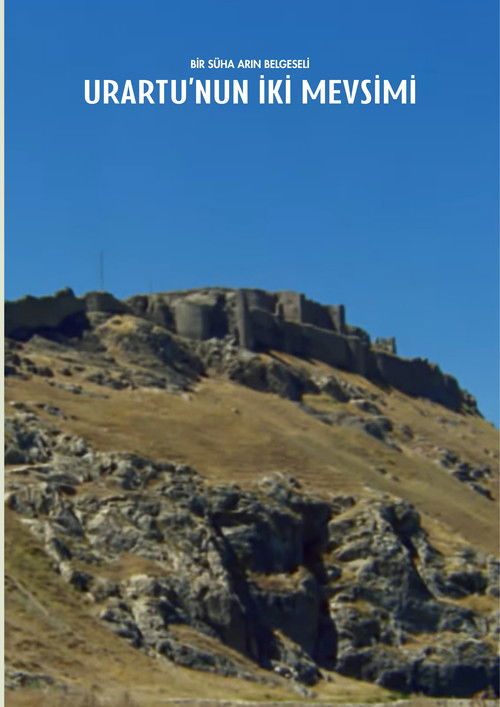
Two Seasons of Urartu
N/A

The documentary "Two Seasons of Urartu," the third film in the Traces of Anatolian Civilizations series, is about the magnificent Urartian civilization, founded 2,800 years ago in Eastern Anatolia, centered around the present-day city of Van.

Two Seasons of Urartu

1977
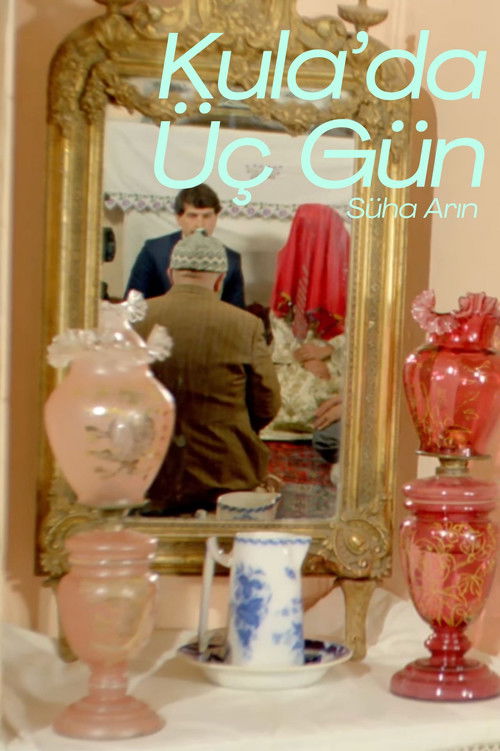
Three Days in Kula
N/A

A documentary describing the architectural, cultural and social aspects of Kula, a small town in the Aegean region which, with its historic houses and traditional Turkish architecture, is a veritable "museum". The film also aims to create a public awareness of the need to preserve such houses. This film was made in conjunction with students of the School of Journalism and Broadcasting of the Faculty of Political Sciences at Ankara University.

Three Days in Kula

1983
Safranbolu'da Zaman
N/A

In 1976, Suha Arin was a tutor at the faculty of Social Sciences of Ankara University at the Press and Publishing Department (today's Communication Faculty). Like many of his films, the documentary "Safranbolu: Reflections of Time" was filmed with the help of a group of enthusiastic students. Safranbolu presents some of the few surviving examples of striking traditional Turkish architecture. The beauty of houses as well as the negative impacts of the passage of time are reflected in the documentary "Safranbolu: Reflections of Time" one of the aims of the film was to raise public awareness of the need for protection for culture and nature.

Safranbolu'da Zaman

1977
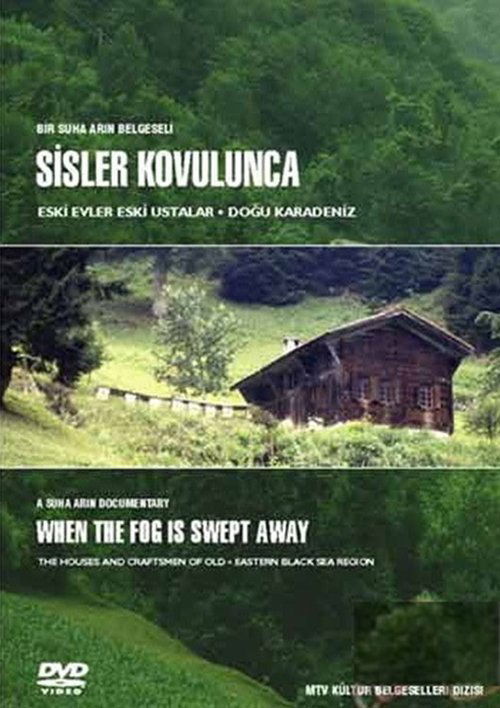
When the Fog Is Swept Away
N/A

Documents rapidly vanishing old houses and craftsmen in the mountainous eastern Black Sea region. The nail-less dovecoting construction of old log cabins withstands earthquakes. Sites in villages like Savsat were chosen both for their protection from snow and avalanches, and built on the poorest soil to leave the meagre arable areas for cultivation. In Ikizdere there are still stone and half-timbered structures. All these spacious homes are notable for their interior panelled walls and ceiling, elaborately carved and embellished. Various other techniques in Sumene and Rize are illustrated.

When the Fog Is Swept Away

1986
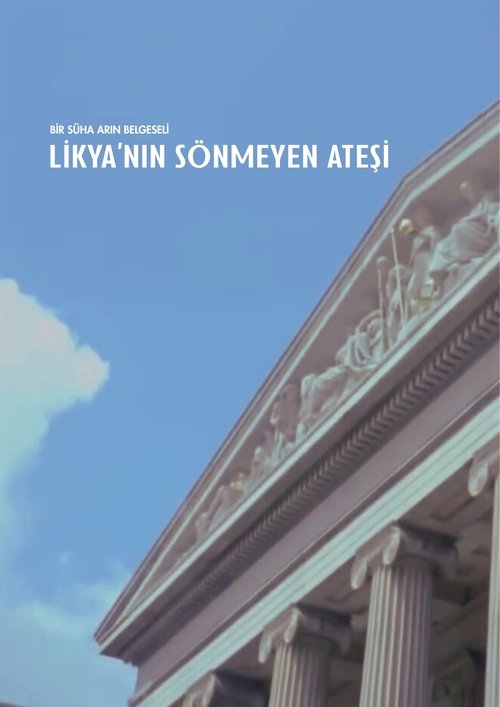
The Unquenchable Fire of Lycia
N/A

The fourth film in the "Traces of Anatolian Civilizations" series, "The Unquenchable Fire of Lycia" consists of two 30-minute episodes. The documentary reflects the Lycian Civilization, another stop in the Anatolian people's civilizational evolution. Indeed, the Lycian Civilization is a "fire" that finds its historical continuity in the Anatolian people's resistance to independence. In a sense, it is a magnificent and unquenchable "fire." During the filming of the film, the Lycian region, located between Antalya and Fethiye, was meticulously scanned step by step in two separate seasons, consulting with expert scientists.

The Unquenchable Fire of Lycia

1978
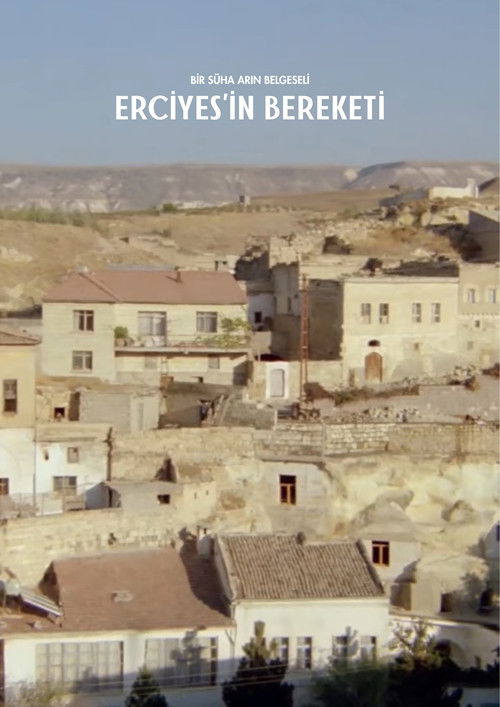
Erciyes’s Fertility
N/A

The episode titled “Erciyes’s Fertility” from the documentary series “Old Houses Old Masters” is about the unique architectural structure of the Kayseri, Nevşehir and Ürgüp area, known as Cappadocia in the Central Anatolia Region, dating back centuries to the present day.

Erciyes’s Fertility

1987
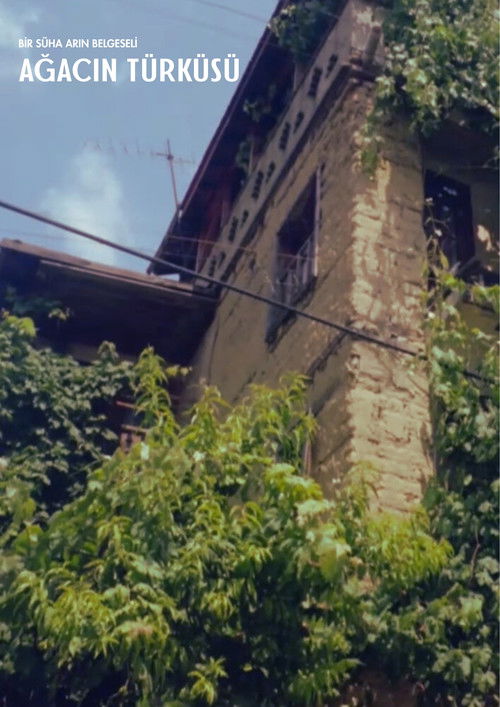
The Ballad of the Wood
N/A

"The Ballad of the Wood" reveals the traditional architecture of the houses of the Western Black Sea region for centuries has been passed down from father to son, from master to apprentice through secrets and a technique known as "canti". Some of the houses shown have been standing for the last 100 to 150 years. The film honors the great craftsman of the past who utilized the "dizeme" technique through an emphasis on structures that are 300 years old. These examples are some of the most unique to be found in the Western Black Sea region. This craft has been passed down from generation to generation. Now only a few old and tired practitioners are left and they reveal to the camera their anti-earthquake construction techniques. The average age of the craftsmen is 80 years old.

The Ballad of the Wood

1987
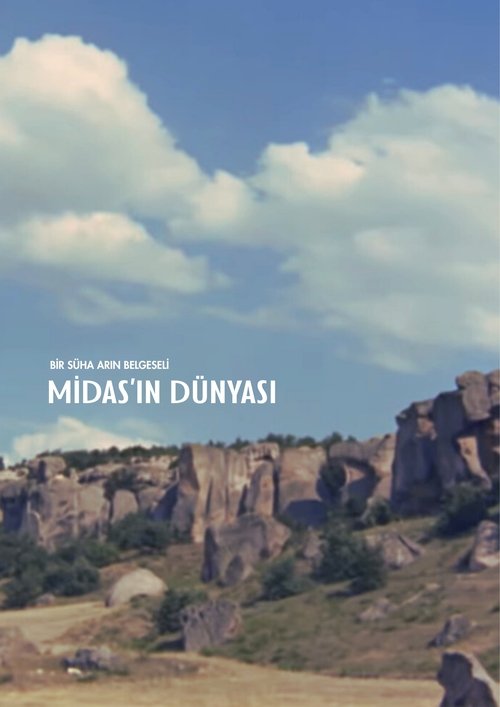
Midas’s World
N/A

Midas's World, a documentary depicting Phrygian art and culture, is the second installment in the "Traces of Anatolian Civilizations" series, produced by Suha Arın as a cultural service of the Turkish Touring and Automobile Association. The product of a year of intensive work, the documentary reveals that ancient Greek art and culture, known as the cradle of civilization, are actually rooted in earlier civilizations in Anatolia, particularly the Phrygians. For Midas's World, produced by Suha Arın and four students from Ankara University's School of Press and Broadcasting, all relevant sources, including museums displaying Phrygian artifacts and Phrygian settlements, were individually scrutinized.

Midas’s World

1975
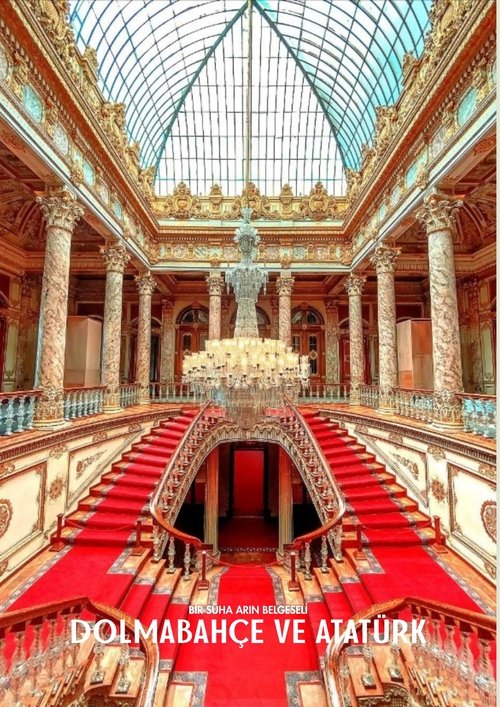
Dolmabahce and Atatürk
N/A

The research phase of the documentary "Dolmabahçe and Atatürk," made in 1981 to commemorate the 100th anniversary of Atatürk's birth, took a year, and filming was completed in three months. The documentary examines the world-famous palace in detail, both in terms of location and structure, and compares its changing functions from the Ottoman period to the Republican era, influenced by Atatürk's presence.

Dolmabahce and Atatürk

1981