Directing
A Latvian series shot by the team at Jaunais Rīgas Teātris / New Riga Theatre over the course of summer 2020 during the Covid-19 pandemic. It's a story about a world that once again changes rapidly. About the belief that everything on this planet is subject to manipulation. The series centers around an advertising agency - a classic office where professionalism mixes with boredom, romance and an existential tiredness.
The film documents the production of Anna Ķirse’s contemporary opera in the forests of Finland.
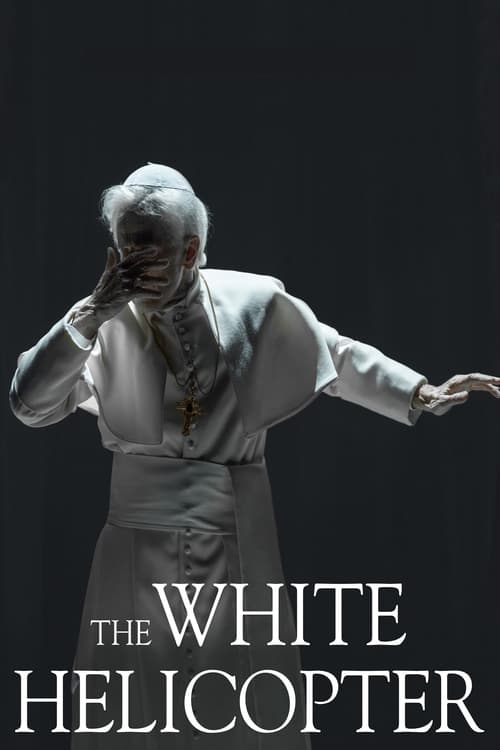
The film is based on true events leading up to the historical 2013 resignation of Benedict XVI. After succeeding John Paul II, and serving as Pope for eight years, Joseph Ratzinger shocked the world by becoming the first Pope to voluntarily resign in over 600 years. In light of moral and ethical upheavals in the Catholic Church, and the unique challenges of the 21st century, Ratzinger's cited reason of declining health raises more questions than it answers.
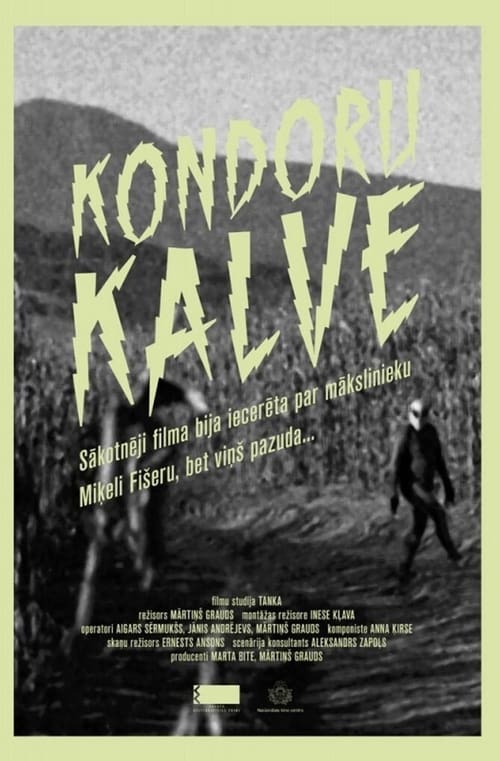
Latvian artist Miķelis Fišers, one of the brightest artists of his generation, leaves everything to go to Latin America to find inspiration for his creative work and disappears. His friend, film director Mārtiņš Grauds decides to search for him. The film reveals a moment of artistic creation. The filming crew has been looking for the artist in Peru, Mexico, Bolivia, Finland, Italy and Latvia.
In this short musical, Kristīne, a young Music Academy graduate, has been offered to conduct two male choirs that are very different from each other. Akmins is a friendly countryside choir of older gentlemen, while Bāliņš is a choir of hip and slightly snobbish young guys.
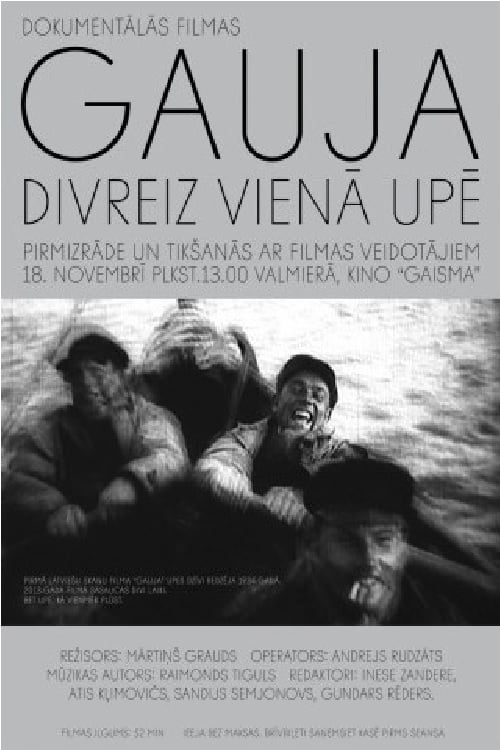
A film documenting contemporary Latvian reality along the banks of the river Gauja while channelling one of the first Latvian sound documentary films, Gauja (1934). “Along with producers Sandijs Semjonovs and Gundars Rēders and editor Atis Klimovičs, we witnessed incidents and events along the banks of the river some 80 years later. We captured them along with the views of folks on this river in a documentally poetic style reflecting the reality in Latvia,” explains director Mārtiņš Grauds.
In many isolated areas of Latgale, the postman is the only person who not only delivers letters, but also listens to the hearts of the locals. He is welcomed as a close friend with whom to share joys and sorrows and from whom to learn the latest news. Times are changing, life is becoming more modern, and small post offices, where neighbors could meet neighbors, are rapidly disappearing. The filmmakers visit the Krāslava post office and follow the postmen on their daily route, encountering both the warmth of Latgale and, at times, bitter reflections and bright hopes.
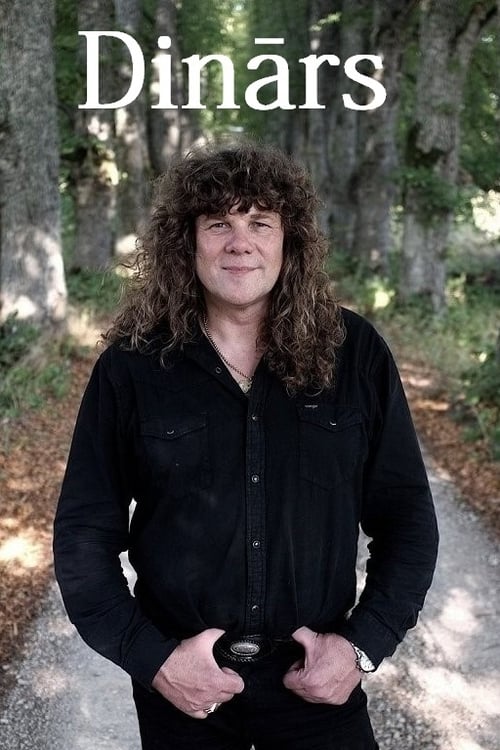
Dinārs is a Latvian schlager singer popular with the ladies and known for his big cat mane. The eponymous film follows his path over a turbulent season of work.
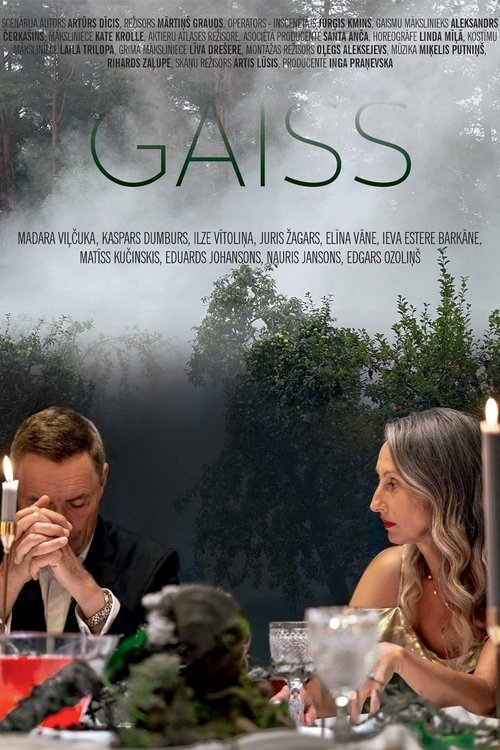
Five characters meet in a hotel where the special air of the surroundings allows people to meet themselves. A successful businessman and his wife, a young guy and his girlfriend, and a lonely woman who are looking for the right solution in their lives.
A psychological thriller about a middle-aged intellectual who, in an attempt to restore his reputation in his wife’s eyes, accidentally commits a murder. As time passes, he begins to see a link between the deceased, his wife’s pregnancy and the mysterious blackmailer who is forcing him to act against his will.
The story of three different cultures meeting together in the realm of ethno-jazz music. Georgian ethno-jazz trio The Shin, the Moldavian band Trigon, Owl’s Ethnographic Orchestra and Intars Busulis. Their breath-taking journey into the souls of Georgian, Latvian and Moldavian folk music, their creation of contemporary music akin to cutting shiny new gemstones from rough old folklore treasures, opening hearts and removing borders between nations and languages. In their travels they become brothers and sisters in music. The scenery and melodies, voices and rhythms on the road they take may change. Yet in the end it turns out to be the way home for them all. The Way Home.