Acting
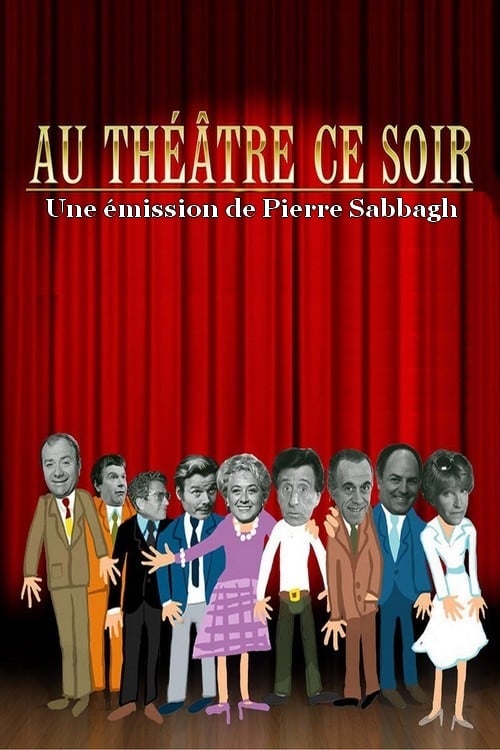
At Theater tonight is a TV show broadcasted from 25th August 1966 to 21st September 1985. The show is broadcast plays recorded in two or three days, during public performances at the Théâtre Marigny on the Champs-Élysées, or sometimes Edouard VII theater.
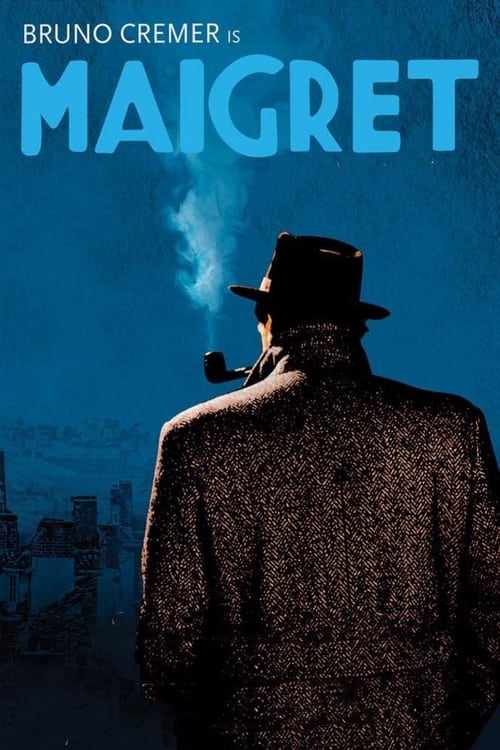
The pragmatic, reserved and refined Maigret investigates murders in his singular unhurried manner and inevitably discovers the truth.
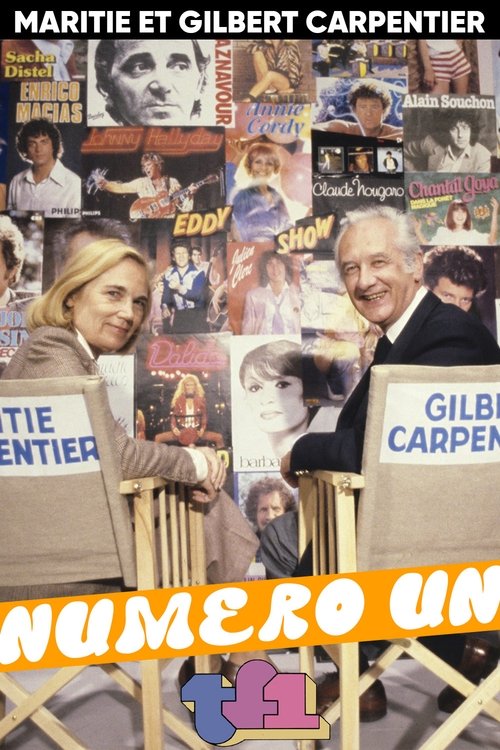
A French variety show.
Désiré Landru - husband, lover - and murderer. Based on documented facts, this is the full story of one of the most ambiguous criminals and lovers of the 20th century, the first modern serial killer.
At the Comédie-Française, there is one golden rule: the play is never canceled. Unfortunately for Nina, everything else is—just three hours before the premiere of her first staging. An actor is stuck on a train, tensions explode, equipment breaks down, egos clash, and panic sets in. With no way out and time slipping away, Nina must hold the show together at all costs. Will she make it until the curtain rises?
No description available.
Alexandra Ehle is a coroner at the Bordeaux forensic institute. Fanciful and free-thinking, she devotes herself completely to what she considers her mission: restoring to the dead their dignity and human appearance, and giving them justice.
At the altar where he is marrying Séverine, the groom, Antoine, gets his first glimpse of her mother, Léa, and suffers what the French call a coup de foudre which we know as love at first sight.
A stage performance of the tragicomedy broadcasted live in theaters.
Compulsive spenders Albert and Bruno are in debt up to their necks. While seeking help from community workers to get their lives back on track, they run into a group of young green activists. Lured by the free beer and snacks rather than by the ideals of eco-activists, Albert and Bruno find themselves joining the movement without much conviction.
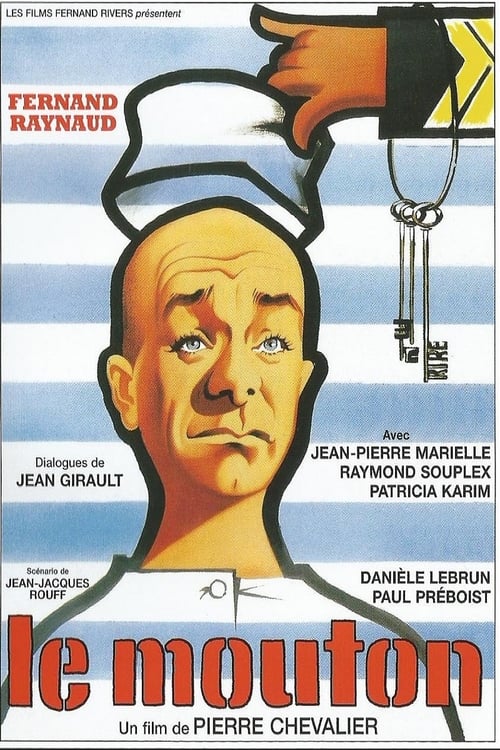
Fernand, a simple employee at the Prefecture of Police, must serve as a "sheep" to extract confessions from a leader of organized crime, who has recently been in prison. But he managed to escape by taking Fernand hostage.
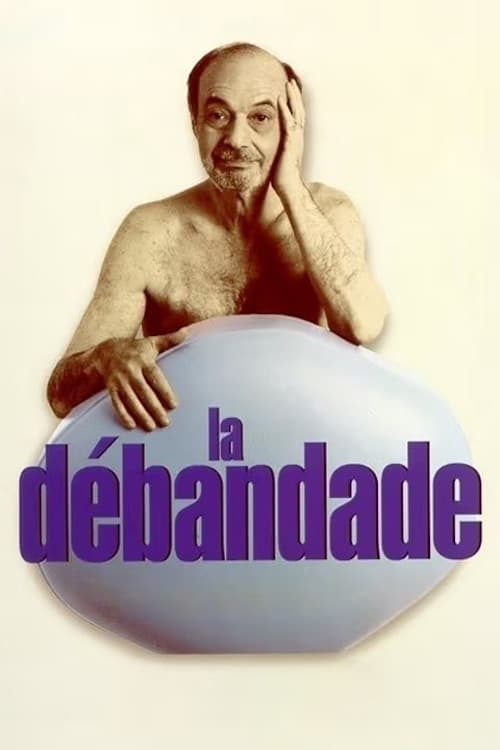
This French romantic comedy-drama concerns Claude Langmann, a middle-aged auctioneer, who is in a loving marriage with his second wife of 15 years. Though he is deeply in love with his wife and has remained faithful to her, he finds himself unable to perform in bed. His wife says she is satisfied with Claude's love and tenderness, but he visits a sex specialist anyway. There he learns of Viagra, which is not yet approved in France, though it is available in Switzerland over the counter. Soon Claude is on his way to Geneva, and eager to prove his manhood, tries to bed Agnes, his very attractive and very available assistant. His daughter, who also comes along for the trip, interferes with her own problems.
When Camille falls ill, she is forced to live with Philibert and Franck.
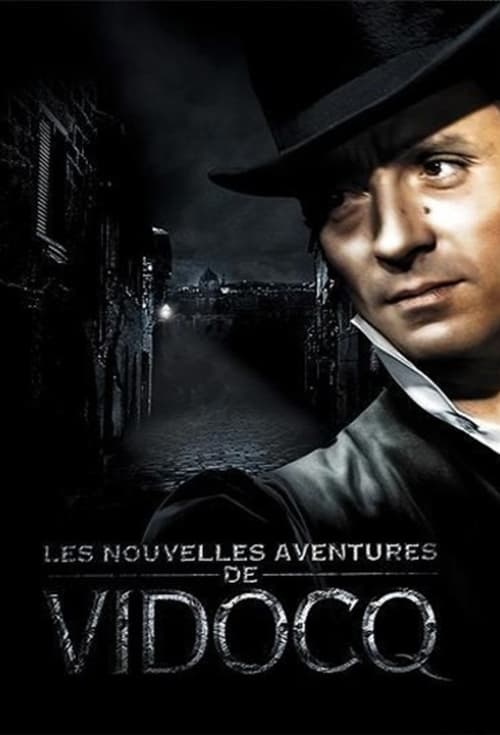
Based on the memoirs of Eugène-François Vidocq, this series follows the adventures of this former convict turned policeman in the early 19th century. In these new adventures, Vidocq comes up against a ravishing “baronne”, a formidable gang leader. The cases entrusted to Vidocq are not only police affairs, but also delicate, political and even diplomatic affairs.
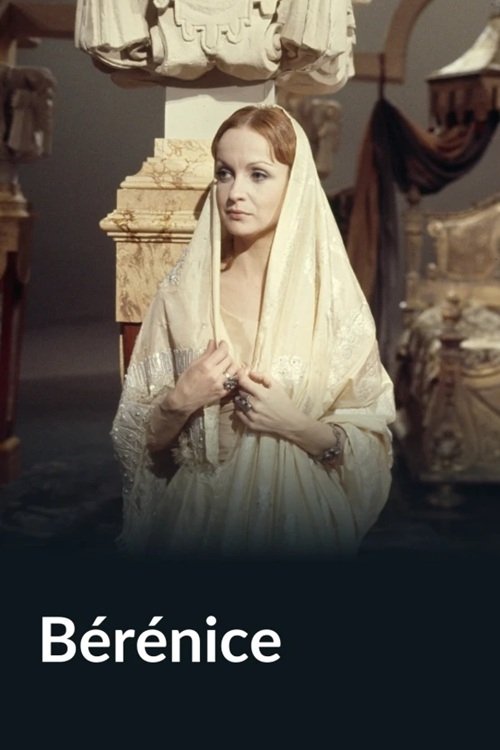
Adaptation of the Racine play. Titus, Roman Emperor, is torn between his love for the captive Queen Bérénice and his duty to marry a Roman.
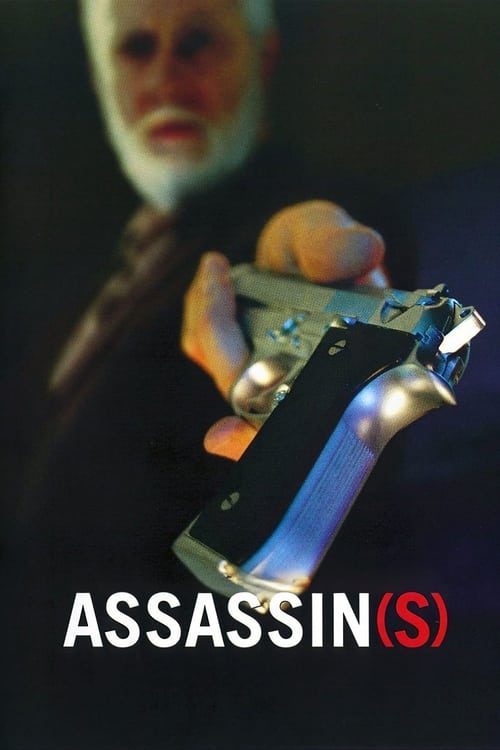
Old professional killer Wagner seeks someone to teach what he knows as long as he is already dying, and he chooses Max, young and passionless thief to be his successor.
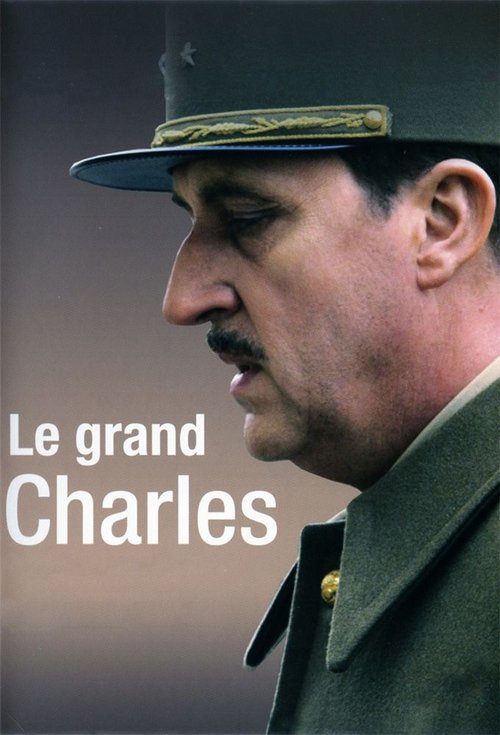
Le Grand Charles was a 2006 French TV-drama on the life of Charles de Gaulle from 1939 to 1959, written and directed by Bernard Stora. De Gaulle was played by Bernard Farcy, Winston Churchill by David Ryall, and Franklin D. Roosevelt by Robert Hardy. Other actors in the cast included Dominic Gould, Sam Spiegel and Jay Benedict.
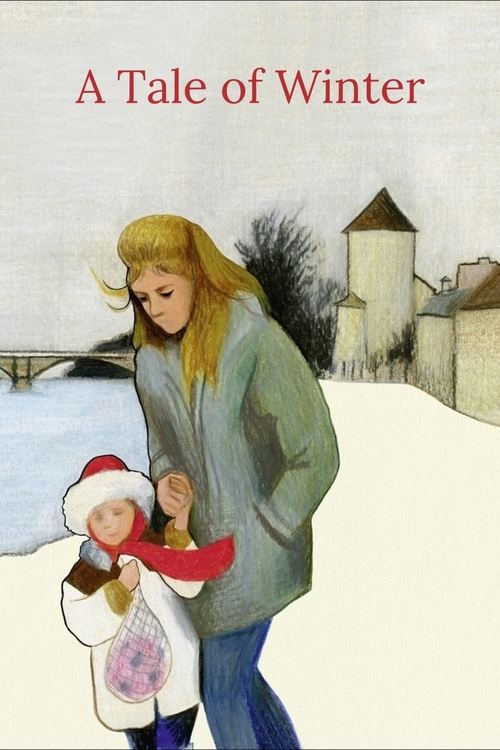
Felicie and Charles have a whirlwind holiday romance. Due to a mix-up on addresses they lose contact, and five years later at Christmas-time Felicie is living with her mother in a cold Paris with a daughter as a reminder of that long-ago summer. For male companionship she oscillates between hairdresser Maxence and the intellectual Loic, but seems unable to commit to either as the memory of Charles and what might have been hangs over everything.
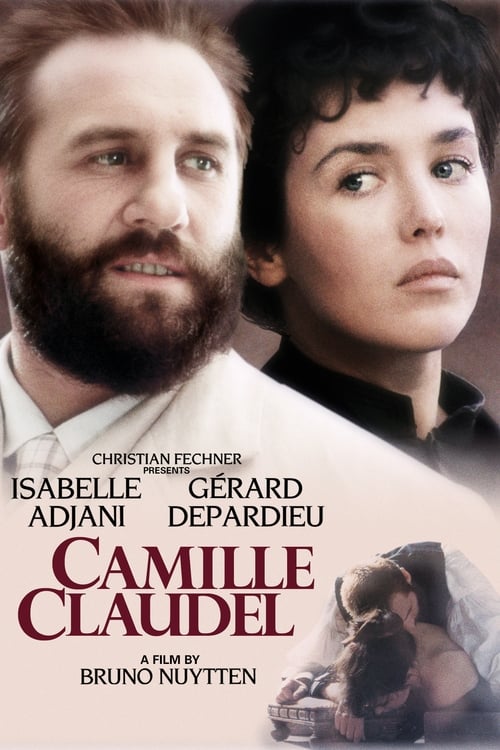
The life of Camille Claudel, a French sculptor who becomes the apprentice of Auguste Rodin and later his lover. Her passion for her art and Rodin drive her further away from reason and rationality.
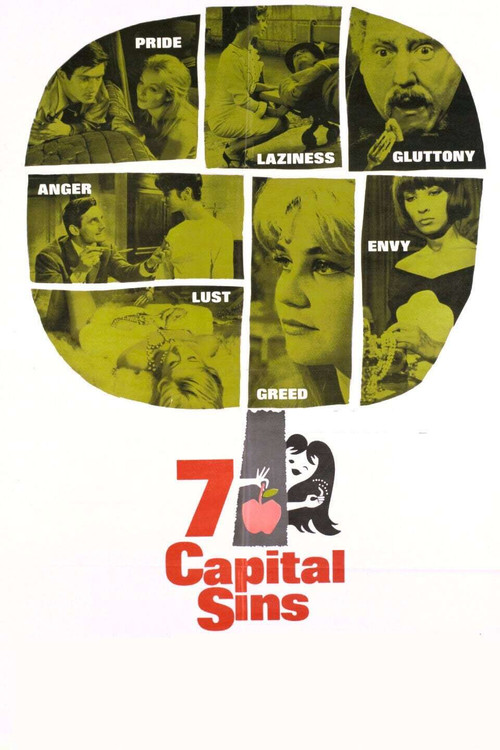
Seven directors each dramatize one of the seven deadly sins in a short film. In "Anger," a domestic argument over a fly in the Sunday soup escalates into nuclear war. In "Sloth," a movie star would rather pay someone to tie his shoe than bend over to do it himself, and he can't be bothered to accept a starlet's sexual favors. In "Gluttony," a peasant family on its way to the funeral of a relative who died from indigestion stops regularly to eat and drink en route, arriving in time to eat some more. In "Greed," a high-class prostitute refunds the price of a cadet's lottery ticket. In "Pride," an unfaithful wife finds reason to reform. And so on through lust and envy.