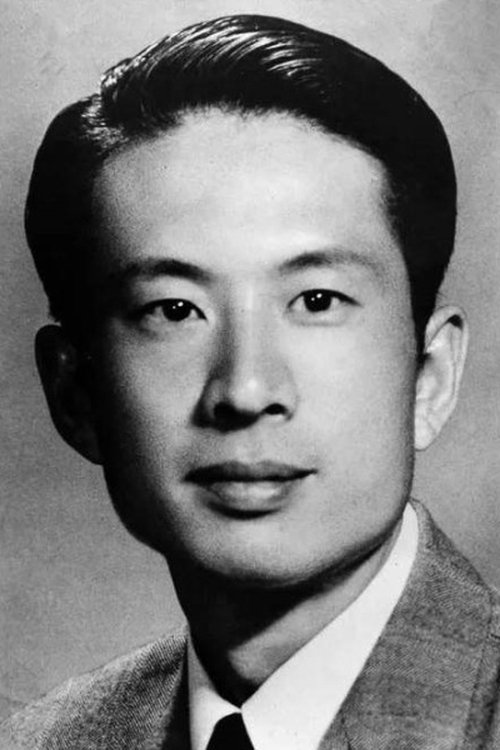
Feng Zhe
Acting
Biography
Feng Zhe (1920 or 1921 - 1969), formerly known as Feng Yizhe, was a Chinese actor and film actor born in Tianjin After studying at Shanghai's St. John's University in the early 1940s, young Zhe Feng was forced to drop out of school after the outbreak of the Pacific War and engage in anti-Japanese national salvation activities. Since 1942, he has successively joined progressive art groups such as "Meiyi", "Huayi", "Tongmao", and Shanghai Dramatic Arts Club, performing "Home", "Sunrise", "Under the Eaves of Shanghai", and "Snowy Night" "Returning to People", "Chongqing Twenty-Four Hours", "British Heroine" and more than forty plays. After the victory Zhe turned to the film and participated in the filming of "Waist Wind", "Remembering the Jiangnan", "Resentment of the Phoenix", "Ten Steps of Grass" and "Fair sailing" by Cathay Films. He left Shanghai for Hong Kong in 1948 and played important roles in films such as "The Way of Love", "Getting Married" and "Winter Spring Comes". In 1950, Feng Hui returned to Shanghai and joined the Shanghai Film Studio as an actor. In the early 1960s, he was transferred to Emei Film Studio. He has successively participated in "Reunion of Victory", "Northern Expedition", "Railway Guerrilla", "Unknown Whistle of Yangcheng", "Desert Chasers", and "Jinsha River" , "Peach Blossom Fan" and other films. Among them, Gao Yingchang in "Southern Expedition and Northern War" has an unforgettable impression of this vivid and lively artistic image Feng Yi is pursuing art, and is known for his high artistic accomplishment and tireless research spirit. He knows well that life is the only source of creation. The smoke-filled battlefield in North Korea, the reckless virgin forests of western Sichuan, the crisscrossing Huaihe water network area, and the mountain villages of the old Jiaodong base area, all of which have spilled his sweat and left his footprints. His performance seemed to be calm and easy. The many screen images he created have won the love and praise of the audience with his chic and free spirit.
Known For
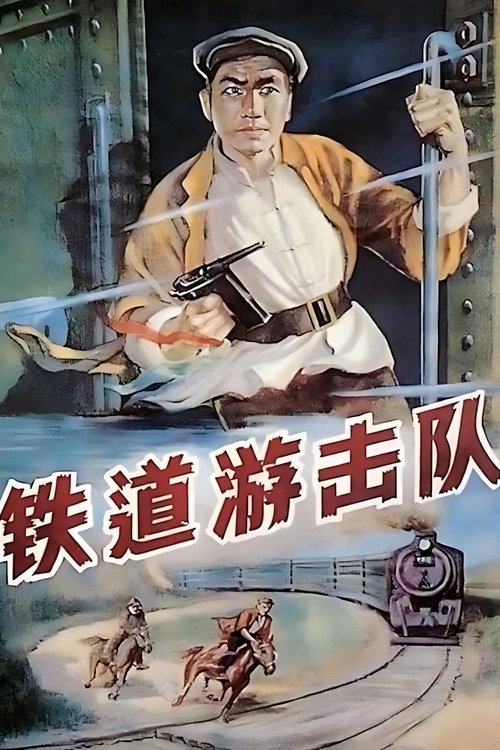
This movie is based on the true story, which happened in Shan-Dong Province of China during World War II. It is based on a collection of memoirs of the guerrilla members. Due to the fact that it happened during World War II and there was not much secrets, this movie is that it was more realistic than other movies in that many real names were used, and the actual site was not changed either like other war movies of the time. The drawback of the movie was that in the latter stage of World War II, the guerrilla force was developed into an impressive 400 plus members from its original beginning of 3, and it launched many major offensives against the enemy, but this part was not shown. The movie only concentrated on the time there were only several dozen members.
Railroad Guerrilla
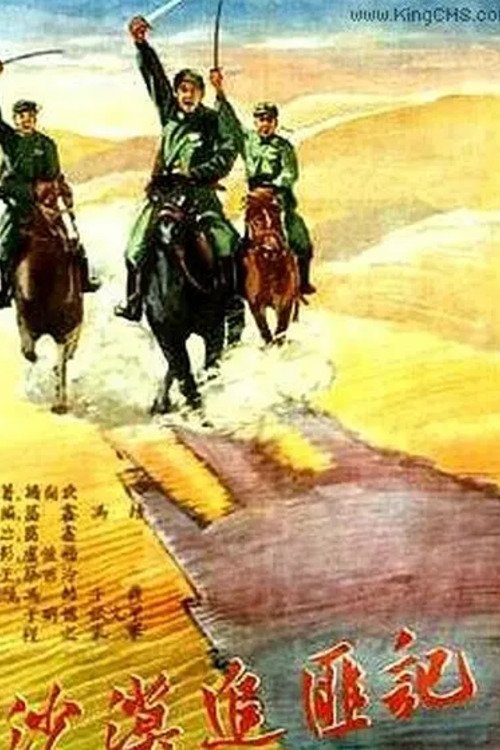
A squad of PLA traces bandits in the desert.
Desert Chasing Bandits
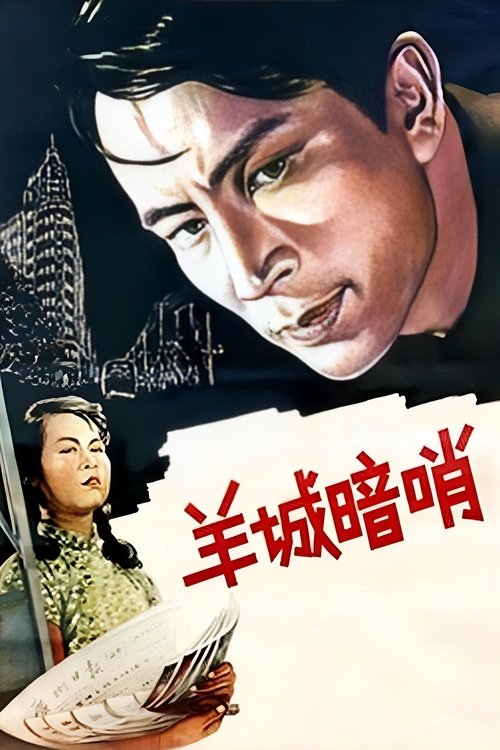
A special agent of frontier force in Canton tries to find a spy called aunt Mei.
Secret Post in Canton
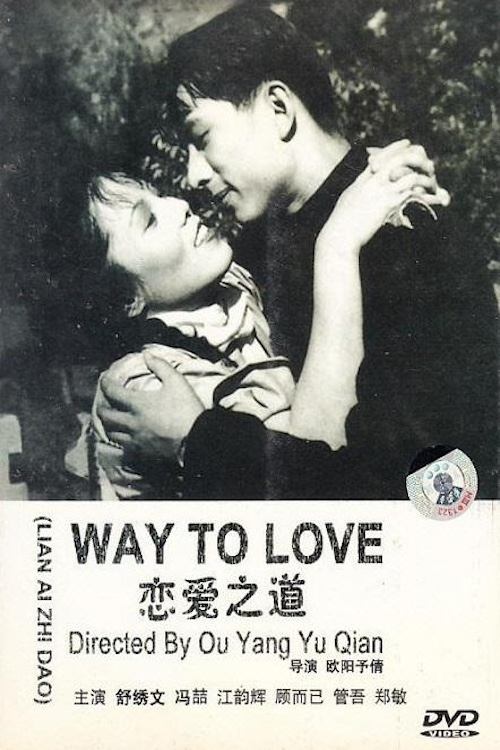
No description available.
恋爱之道
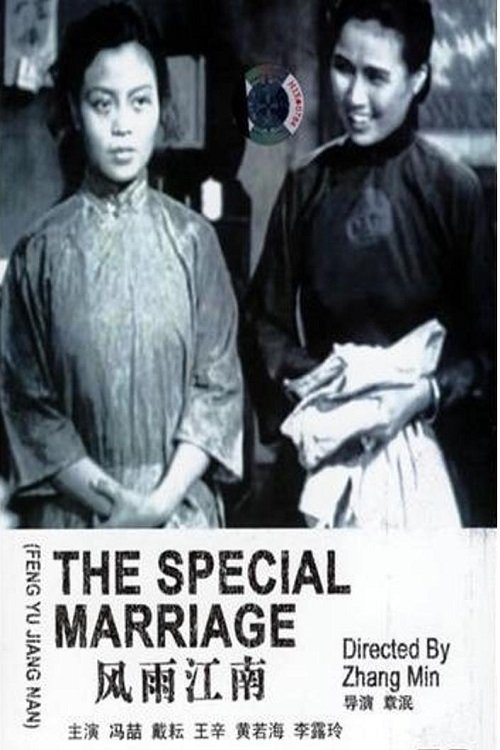
No description available.
The Special Marriage
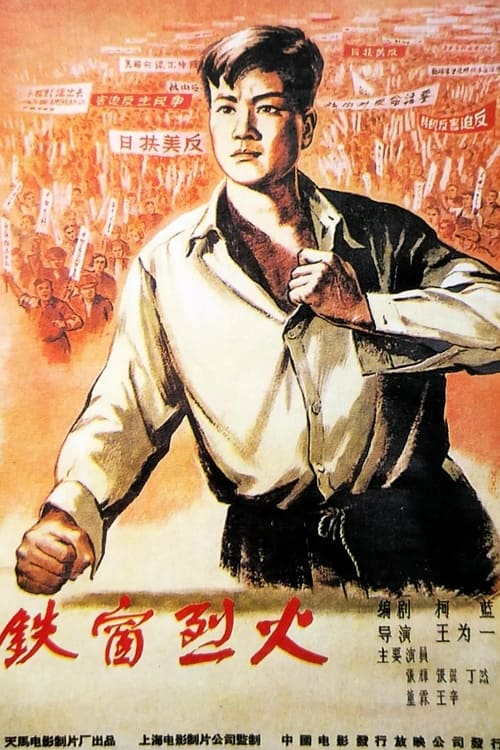
About the Chinese communists who fought boldly and selflessly against the Kuomintang.
Iron Bars and Blazing Fire
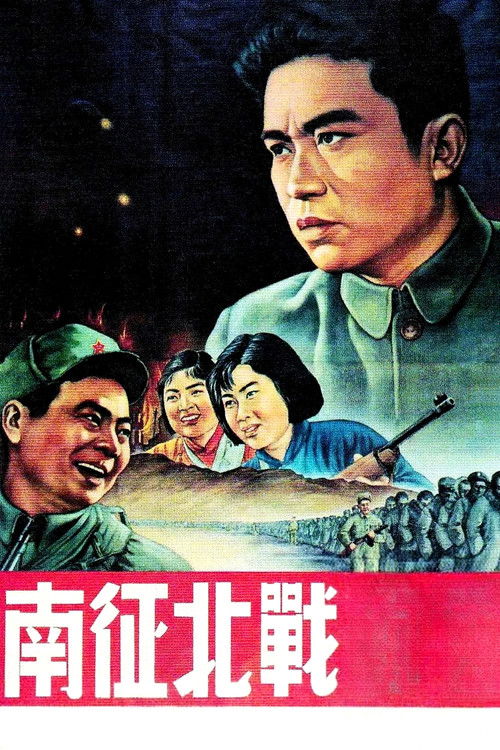
In 1947, the Chinese Red Army sets a trap for the Nationalist forces in Jiangsu province.
From Victory to Victory
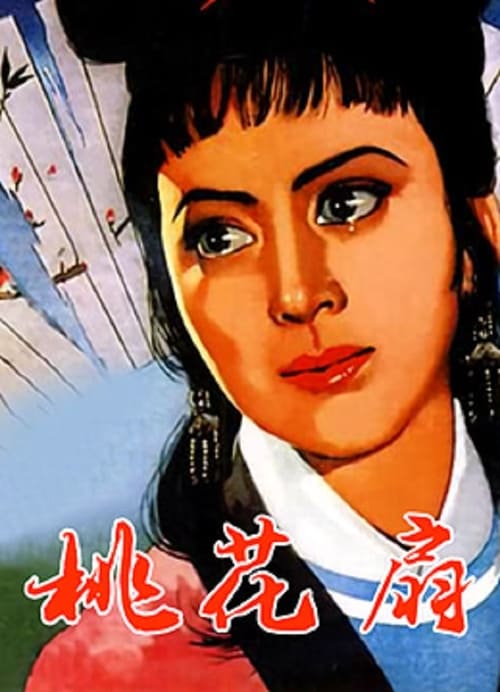
Based on the Qing dynasty musical play that recounts the death of the Ming dynasty through the love story of its two main characters, young scholar Hou Fangyu and a courtesan named Li Xiangjun.
The Peach Blossom Fan
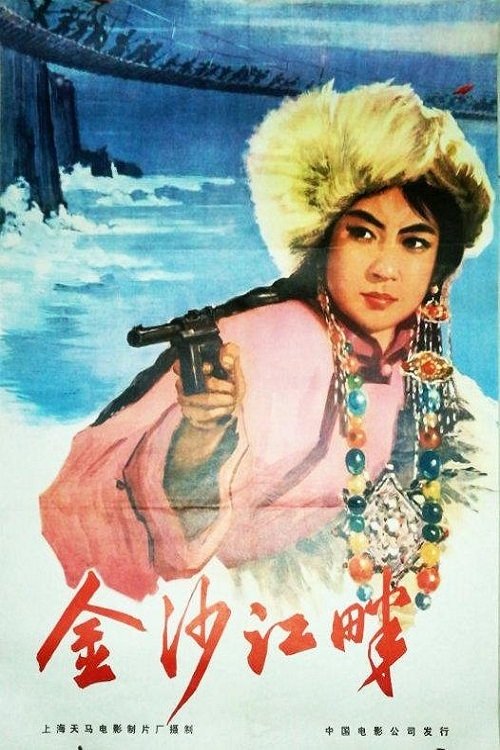
In 1936, the Long March of the Red Army passed through the Tibetan area by the Jinsha River. The Kuomintang colluded with the great local tyrant Qiu Wanli in an attempt to prevent the Red Army from crossing the river north. Qiu Wanli asks his minions to pretend to be the Red Army and rob the chieftain Sangge's only daughter Zhuma to provoke the relationship between the chieftain and the Red Army. The Red Army adhered to the party's ethnic policy, rescued Zhuma, and crossed the Jinsha River to the border of Tibetan areas. Qiu again sneaked into the Tibetan area. He said that Zhuma had been killed by the Red Army and provided ammunition and weapons for the chieftain to fight the Red Army. In order to expose the enemy's rumors, the Red Army instructor Jin Ming took a squad to escort Zhuma home.
Along The Jinsha River
A beautiful and talented accountant has not adapted well to the domestic life after marriage. Both she and her husband feel that married life is nowhere near as interesting as being single. Their fights lead her to move to a women’s dormitory.