FEEL IT.STREAM
Askolds Saulītis

Askolds Saulītis

Directing

Biography

Askolds Saulītis (1966-2021) was a Latvian film director.

Known For

XXX
7.3

A grotesque story about life in the Soviet Union during the Awakening. The film uses techniques that were innovative at the time, such as scratching the film stock and coloring frames. The film has been screened at several international film festivals and won the Grand Prix at the Baltic Amateur Film Festival in 1990.

XXX

1989
Dear Life
N/A

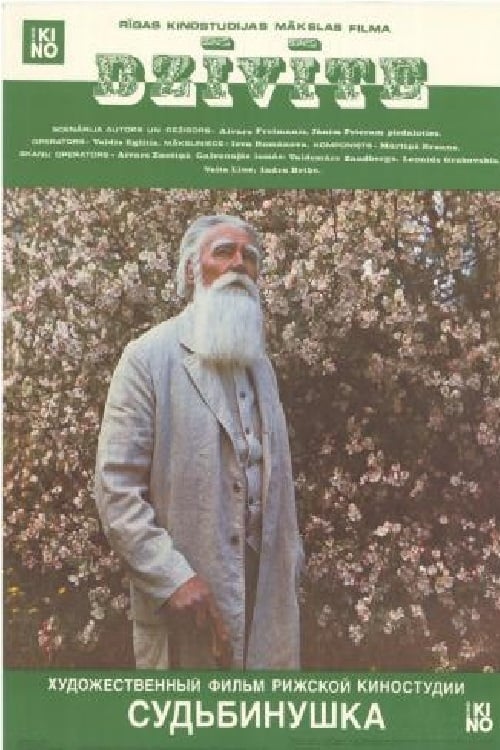
A homage to Krišjānis Barons and his life's work – to collect and catalogue Latvian folksongs or dainas,thus creating the encyclopaedia of Latvian life, a poetic reflection of the knowledge of life accumulated over the centuries. The film is based on Krišjānis Barons' life during late 1800s and early 1900s – his childhood and youth in Latvia, studies and work in St. Petersburg and other places in Russia, his relationship with his faithful wife Dārta, and the awakening of the Latvian self-awareness.

Dear Life

1989
Nazis and Blondes
6.0

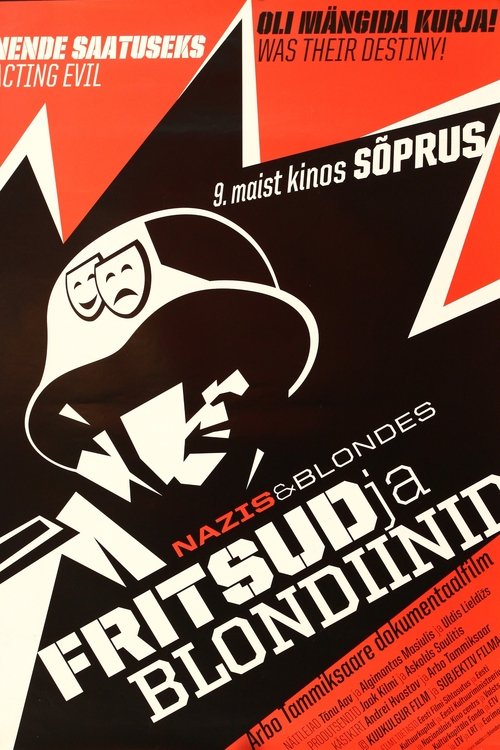
Veteran actors from the 3 Baltic countries - Estonia, Latvia and Lithuania - gather at a castle in Latvia to receive awards for their roles as Nazi villains in propagandist Soviet war films. They reminisce about the films that made them famous throughout the USSR, but also stigmatized the Baltic countries as Nazi sympathizers in the eyes of many Russians - a misconception that is nowadays exploited by the Russian media, desperate to label the Baltic countries as a fascist haven.

Nazis and Blondes

2008
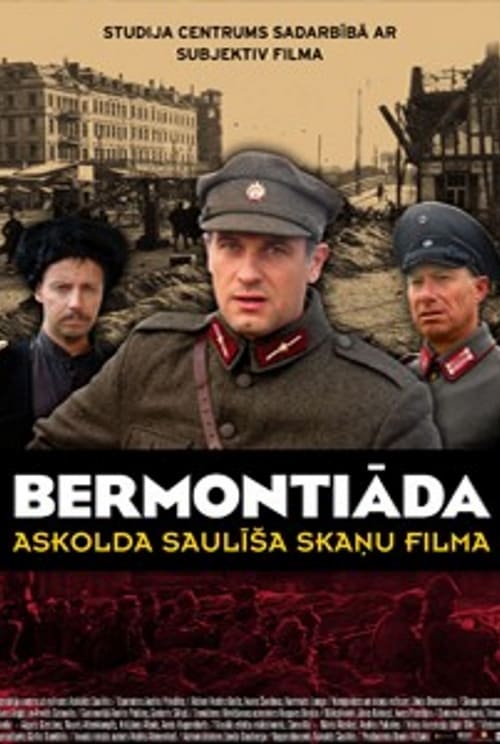
Our Land and Liberty. Bermontiade
N/A

A film about the alarming events of the autumn of 1919, when the fate of modern-day, post WWI Europe was decided in Riga. Three world views clashed on the banks of the Daugava River – a national state for Latvians as proclaimed a year earlier, the Bolshevik revolutionary idea, and the resurrection of a monarchy. The reactionary monarchy interests were represented by German General Graf Rudiger von der Goltz, and Russian Colonel Pavel Bermont.

Our Land and Liberty. Bermontiade

2009
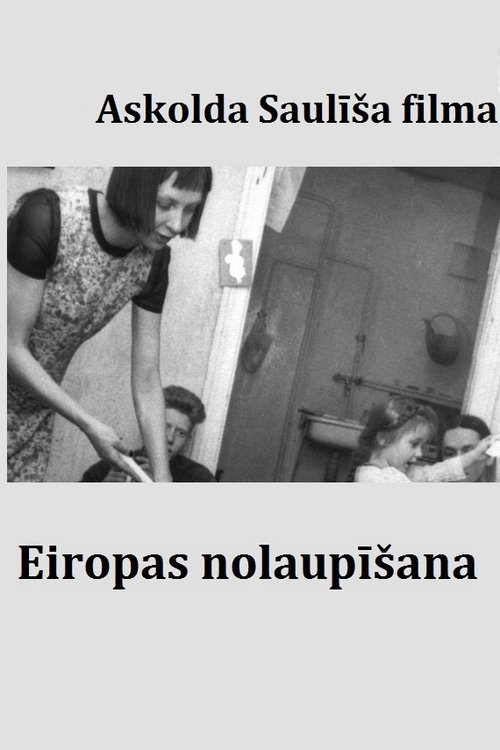
The Rape of Europe
N/A

An artist. A painter. The enfant terrible of the old Soviet and now post-communist 'petit bourgeois' society. A mother of three, no husband, and every child from a different father. The children's ages range from 4 to 20 years. The artist herself is 43 at this time. A happy and free person at all times under any regime. A young, beautiful, photogenic being. Temperamental, garrulous and witty.

The Rape of Europe

1998
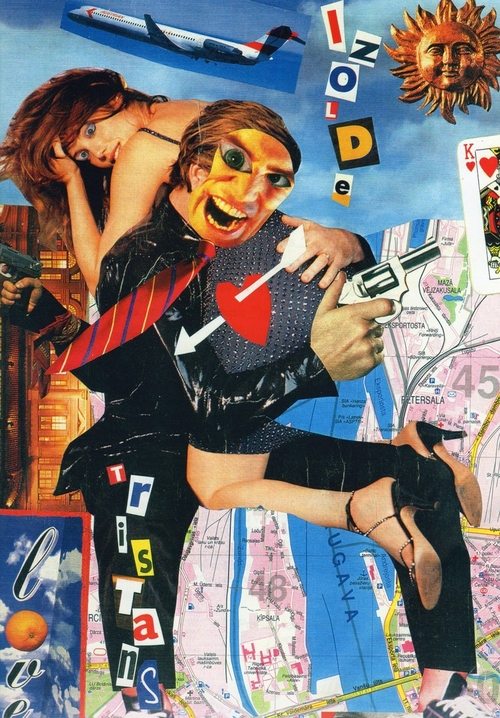
Tristan and Isolde. Three Stories About...
N/A

The film combines three short stories: Der Mond, "Tristan und Isolde" and "Aida". The themes of these short stories are sin, duty and love.

Tristan and Isolde. Three Stories About...

1999
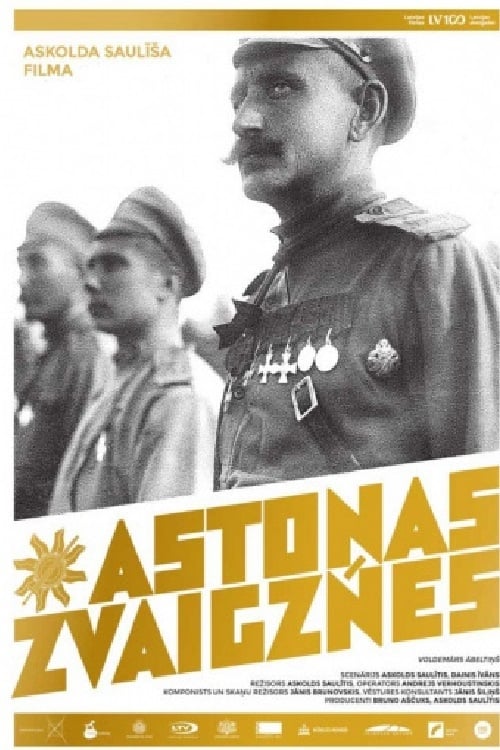
Eight Stars
N/A

This film tells about the most striking and tragic phenomenon during the development of self-awareness of the Latvian nation – the Latvian Riflemen. The first Daugavgrīva regiment, the second Riga, third Kurland, fifth Semigallian, sixth Tukums, seventh Bauska and eighth Valmiera regiments of Latvian Riflemen – this was Latvia before its statehood. The film is a historically chronological study beginning with the formation of the Riflemen battalions and their first battles until the end of the Civil War in Russia, when a large part of the Riflemen returned home to the recently established state of Latvia. This is a story about common people challenged by the Big Epoch that determined their lives.

Eight Stars

2017
The Anatomy of a National Holiday
N/A

Through expressive poetic cinematography this film offers a “poem” on the hundreds of worker-bees behind the annual celebrations of Latvian proclamation on November 18.

The Anatomy of a National Holiday

2005
Dziesmuvara
N/A

A film about "Dziesmusvētki" - the Latvian national singing festival tradition.

Dziesmuvara

2018
Sarkanais un brūnais
N/A

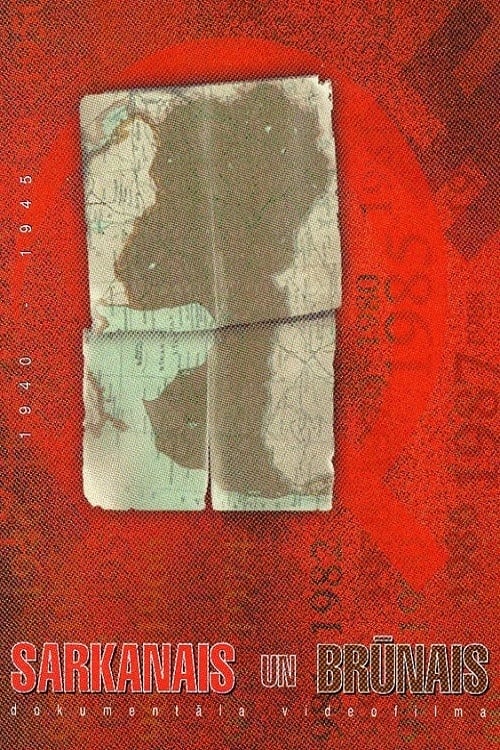
World War II and Latvians – the second most affected nation in this slaughter of superpowers. However, the number of people drafted into the war and killed is only a statistic, behind which lies the tragedy of each individual and an entire nation. Latvians, ruled, deceived, and coerced by foreign powers, had to fight under foreign flags on both sides of the front. Brother against brother, father against son... It was not a Latvian war, because Latvians had nothing to gain from it. It was not even a war between good and evil, it was a war between red and brown.

Sarkanais un brūnais

1999
We Used to Dribble
1.0

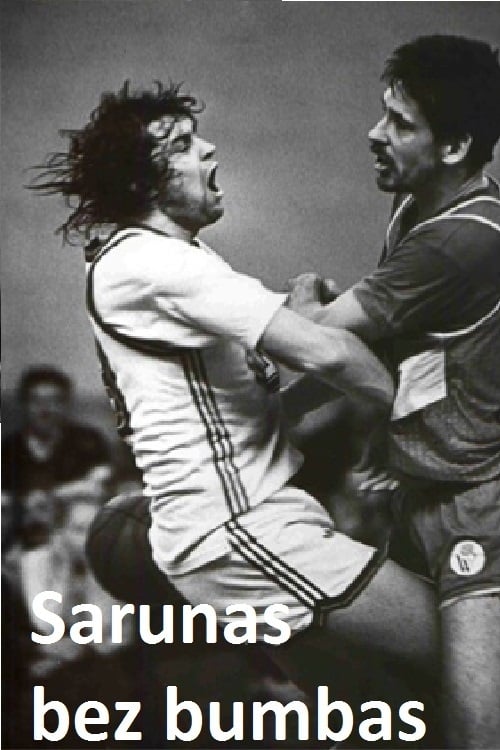
This is the story of the USSR all-star basketball team – European, Olympic and world champions. What does it mean to be at the zenith of fame, at the high-point of their athletic careers, while representing the interests of a totalitarian state? And from today’s point of view, was there a sacrificing of conscience in the name of athletic glory?

We Used to Dribble

2015
The Path to Baltic Freedom
N/A

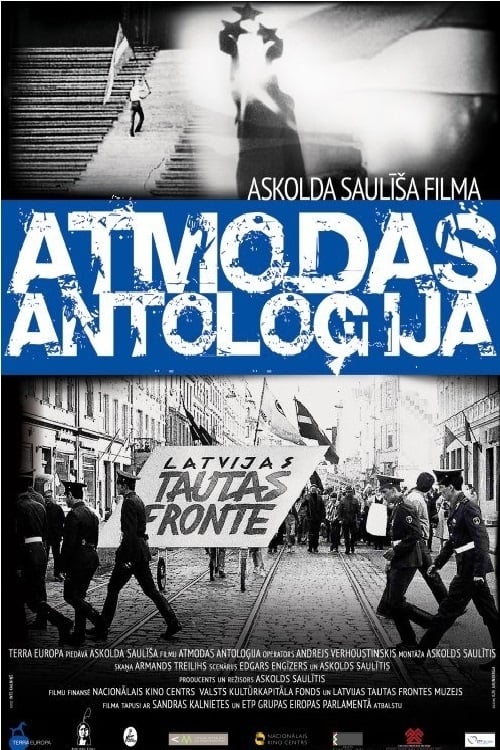
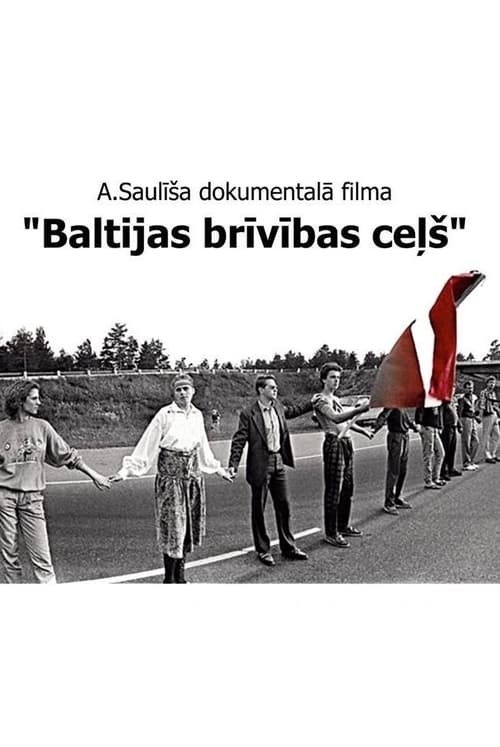
The film, dedicated to the 25th Anniversary of the Popular Front of Latvia, shows the most important turning points in the history of the Latvian National Awakening and Singing Revolution, as well as the rebirth of Latvian national symbols and values. In The Path to Baltic Freedom the authors focus on lesser known pages of history – the influence of perestroika on the early national movements of the 1980s, the role and participation of the Secret Service and the Communist Party in the newly-forming mass movements and their wish to guide or at least control them. The history of the Popular Front is shown not only until their victory in the first free elections in the history of the USSR that resulted in the restoration of independence for the Baltic states; the film also includes the decline of the organization after it had reached the most crucial of its goals.

The Path to Baltic Freedom

2013
Mans zelts
N/A

The spirit of Latvian soldiers, the most memorable moments in the history of the Latvian army, and an insight into the development of the National Armed Forces today. Using animation, unique archive footage and photographs, as well as stories told by contemporaries, an emotional message has been created about the Latvian fighting spirit, which has permeated conflicts led by foreign powers throughout Latvian history, helped to win the Latvian War of Independence and build a strong Latvian army during the interwar period, and gave the confidence to take to the barricades and restore the armed forces in the 1990s. The film was commissioned by the Ministry of Defense to ensure the preservation of military history.

Mans zelts

2020
Clara & Rubinstein
N/A

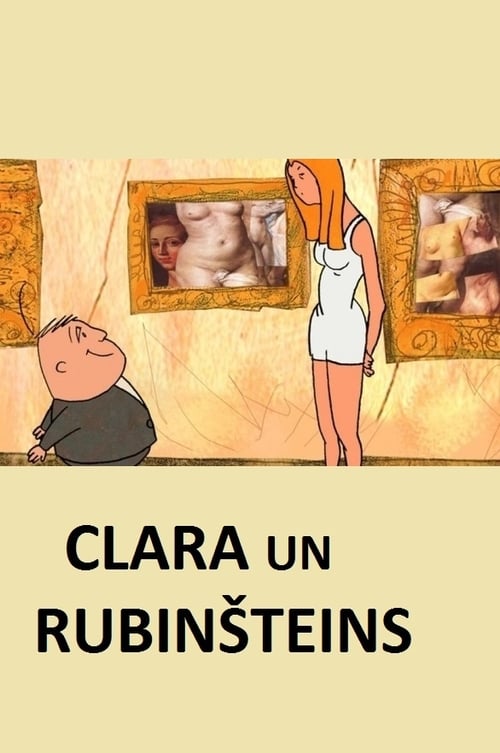
One day a common man finds himself in a hell of family life. How did he get there? It all started with such a romance – they met in a museum of contemporary art…

Clara & Rubinstein

1999
Keep Smiling!
N/A

This is a story about four men looking for missing soldiers. What is dragging 30 year old great friends to long forgotten war fields? To give an answer to this question would be to find the meaning of life. With sincere emotional touch the film is following the way of an unknown soldier back to his family and motherland after more than half a century. The events of the film take place at the same time as the second war in Iraq. The film is based on a novel „Diggers” by Viktors Duks, nominated for the EPPI Award in 2003.

Keep Smiling!

2003
Kas dzīvo komunalkā
N/A

A tragicomic story about the passions and commotions behind the closed doors of communal flats in Riga.

Kas dzīvo komunalkā

1993
The Baltic Freedom Way
N/A

A film about the events that set the Baltic States on a historic path after proclaiming independence in the early 20th century. The first attempts for closer ties were made during the 1920s and 1930s, but they couldn’t avoid losing independence again during WWII. The greatest example of Baltic States cooperation was the joint demonstration against the Molotov-Ribbentrop Pact on August 23rd, 1989 – the Baltic Way, in which almost 2 million people joined hands and created a human chain from Tallinn to Riga to Vilnius. It was a huge step towards the re-establishment of independence during the collapse of the USSR a year later. The Baltic Way was the catalyst for the process that led to the reality in which we now live: the great social, economic and political transitions of the 1990s, and the reintegration into the European cultural, economic and political milieu. The Baltic Way was the collaboration of the 3 sister-states, forging ahead, side by side, in joy and sorrow.

The Baltic Freedom Way

2014
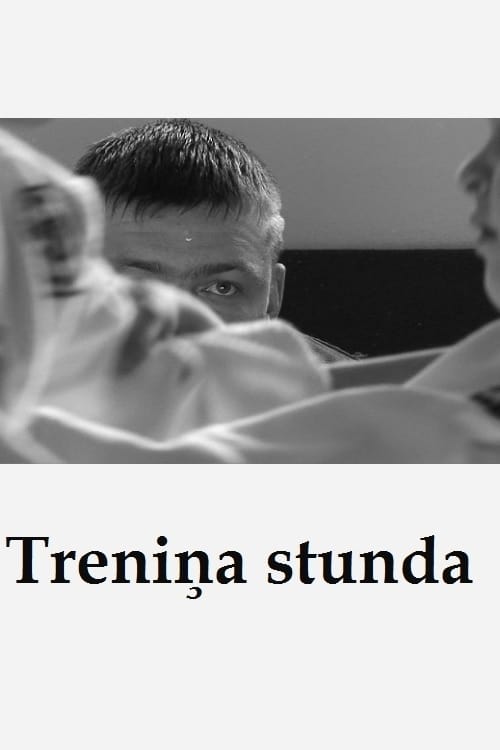
Treniņa stunda
N/A

The film tells the story of the struggle between good and evil, the victory of the new over the old, and the experience gained in life. These eternal values are revealed in the eyes of man, like a mirror of the soul. The film reflects the idea of the original work by combining cinematography, Igor Stravinsky's music, and elements of an ancient martial art – judo – expressed through expressive choreography. On May 29, 1913, the premiere of Russian composer Igor Stravinsky's ballet "The Rite of Spring" took place in Paris. The Paris audience was shocked and booed the ballet. Years passed, and versions of this ballet were staged by Pina Bausch, Heddy Malem, and the Royal Opera and Ballet Theatre in London.

Treniņa stunda

2012
Jaunības avots
N/A

A story about human passions hidden behind the apparent sleepiness and tranquility of a small European town. Each of us strives for happiness. We seek fulfillment in love, children, religion, and work. How can we prolong our lives, live them to the fullest, and achieve lasting health and youth? It seems that disappointment and despair will never touch us...

Jaunības avots

2001
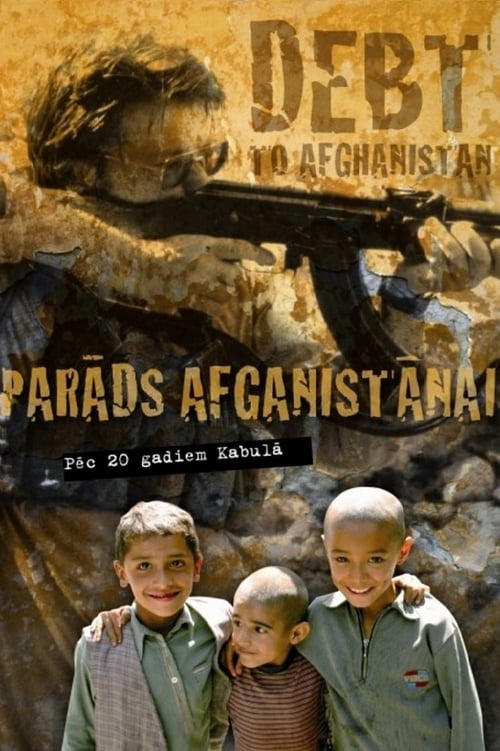
Debt to Afghanistan
N/A

There is an old saying attributed to Alexander the Great: he who will rule Afghanistan will rule the world. The film portrays “the roof of the Earth” and tracks the close links between this far-off country and Latvia.

Debt to Afghanistan

2008