Production
Luis Miñarro was born in 1949 in Barcelona, Barcelona, Catalonia, Spain.
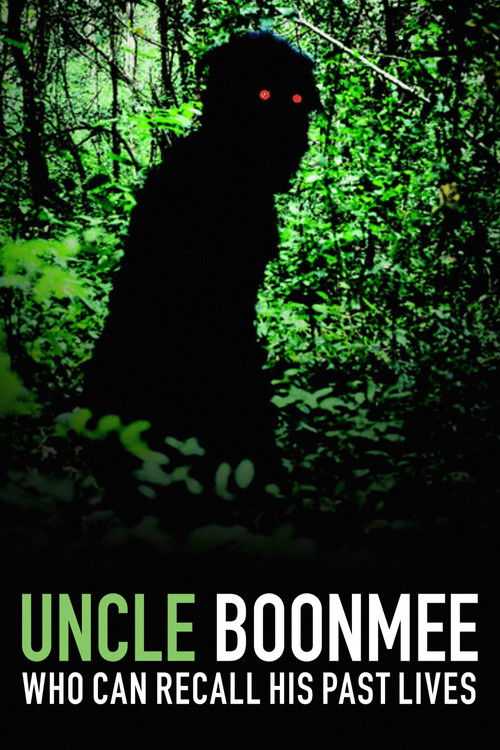
Suffering from acute kidney failure, Boonmee has chosen to spend his final days surrounded by his loved ones in the countryside. Surprisingly, the ghost of his deceased wife appears to care for him, and his long lost son returns home in a non-human form. Contemplating the reasons for his illness, Boonmee treks through the jungle with his family to a mysterious hilltop cave—the birthplace of his first life.
Apichatpong Weerasethakul, Pedro Costa, Manoel de Oliveira y and the film's director, with their own personal views, share that thin line that links life with cinema.
Martin is a neurotic web designer taking baby steps out of the isolation of his one-room apartment and his virtual reality. Mariana is an artist fresh out of a long relationship. They are perfect for each other, live on the same street, in opposite buildings, but they never meet. Can the movement of a modern city of three million people bring them together?
Étienne is an old man who refuses to leave his home because he is convinced that the spirits of his wife and daughter still live there. Nevertheless, the apartment's owner will try to throw him away by any means.
On the Japanese island of Amami, despite lacking parental guidance, Kaito and his girlfriend Kyoko try to find their place in the world. While Kaito suffers from the absence of his father, who moved to Tokyo after his birth, Kyoko must come to grips with her mother’s terminal illness.
“Cinéclub” is the story of a small art and rehearsal cinema. The cinema dies with all its workers: the projectionist, the blockbuster, the viewers...One of the few spectators of this little film falls for the blockbuster, which feels no interest in it. The decay of this relationship parallels the decline of the theater, which is disappearing in absolute silence, always empty, apparently without any future, but perhaps they can find a way out.
Villamediana uses his family history to unravel hidden memories of kabbala in Spain. With contemporary images, found footage, archival material, film, literature and ancient Hebrew texts, he creates a new cinematic language for unearthing cultural history.
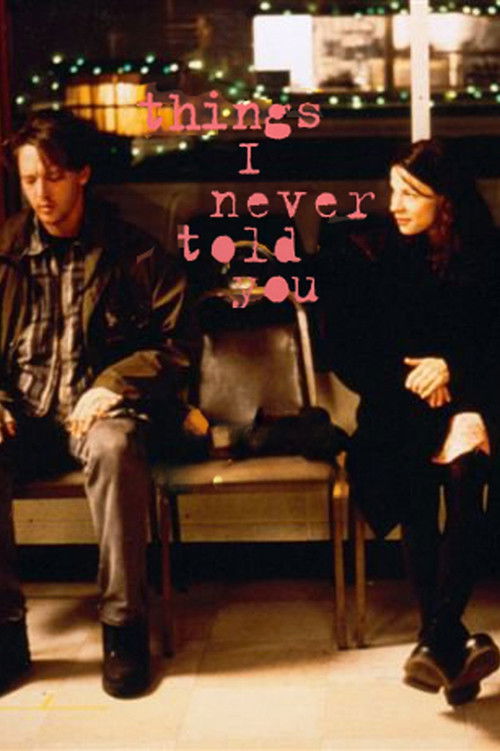
Don is a real estate salesman who volunteers at a "hotline for hope". Ann, who works in a photo store, has been told by her boyfriend that he doesn't love her anymore and wants to break up. To try to win him back, she records a videotape where she tells him things she never told him. When Don and Ann cross paths, their lives change fundamentally.
It tells how 14 characters travel in a mysterious vehicle that they cannot easily get out of. Along the way, they fabricate about their identity and travel through unreal landscapes on a journey between life and death, sleep and wakefulness. According to the synopsis, "a tragicomedy with no certainties".
An old empty house. The guard who takes care of it. The priest of the town. Spaces, sounds, lights and shadows. Time goes by and the memories are shown in its walls and in the most hidden nooks.
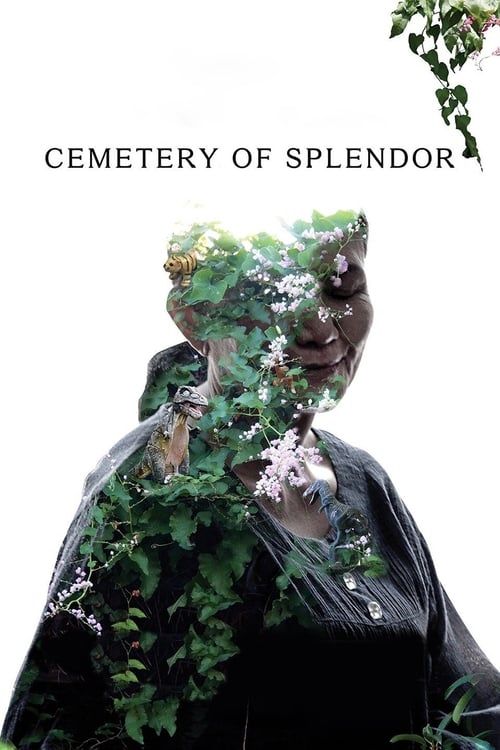
In a hospital, ten soldiers are being treated for a mysterious sleeping sickness. In a story in which dreams can be experienced by others, and in which goddesses can sit casually with mortals, a nurse learns the reason why the patients will never be cured, and forms a telepathic bond with one of them.
Maria suffers from Alzheimer's disease. Luis, Maria's fifteen-year-old grandson, doesn't say very much either; he shuts himself off in his own silent world to escape his parent's marital crisis, spending time instead picking up stray cats and dogs off the street. His father, Miguel, wants to put a stop to this eccentric behavior, but his protective mother Alice indulges him. Nevertheless, the animals begin to appear at home in increasing numbers, making life complicated for the family in their flat.
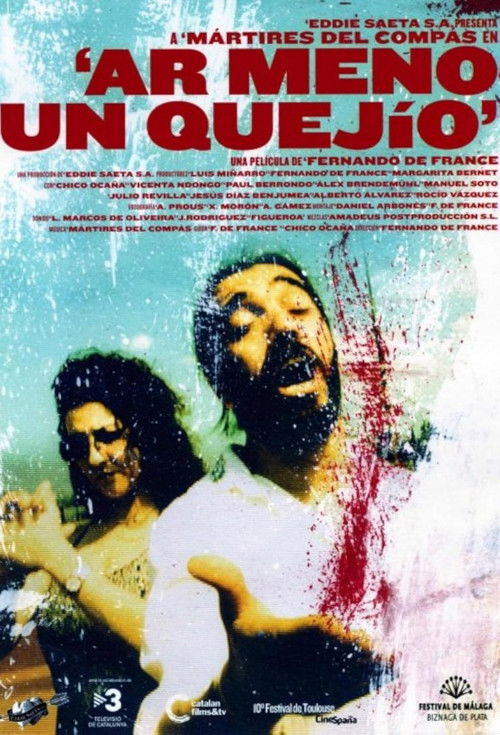
Luna, an amateur producer, meet Chico Ocaña after a concert and becomes fascinated with him. Both are well suited and decide to take foward an ambitious plan: to make a documental about "flamenco".
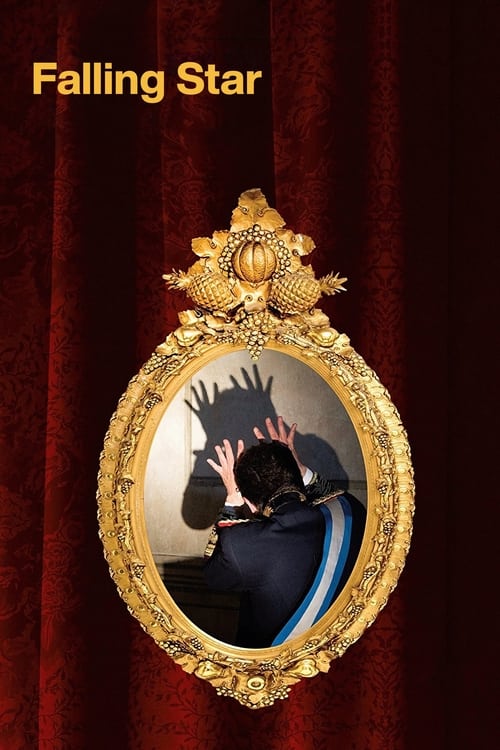
During a brief rule towards the end of the 19th century, the Italian duke Amadeo of Savoy occupied the Spanish throne. However, confined to the safety of life within the palace walls, the lonely, frustrated king and his servants succumb to playful adventures focused more on pleasure than his duties.
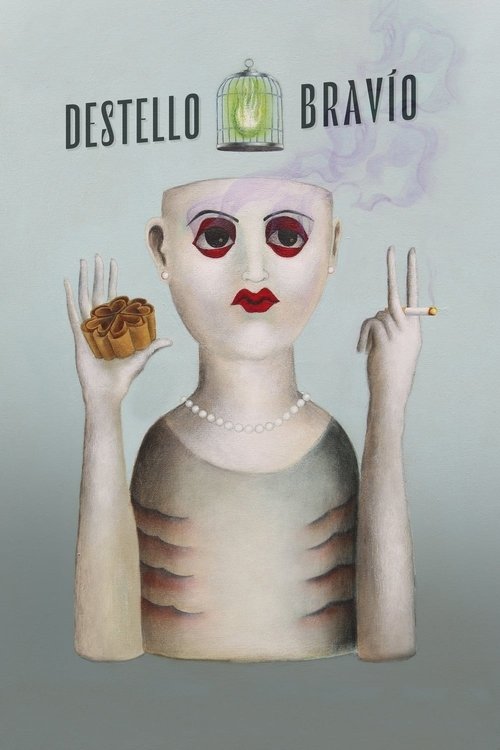
Isa uses a tape recorder to record messages to herself and then reads them out. She is hoping for change to come, which isn’t surprising. She lives in a small community in southwest Spain where nothing ever happens. All the young people have left. For those who stay behind, time seems to stand still.
The Spain that fades. We assist to the painting of a family portrait that reveals a generation away: our elders. Two survivors of the civil war and postwar tell us about their most intimate secrets, which are none other than the commitment to life. Another view of our collective memory ...
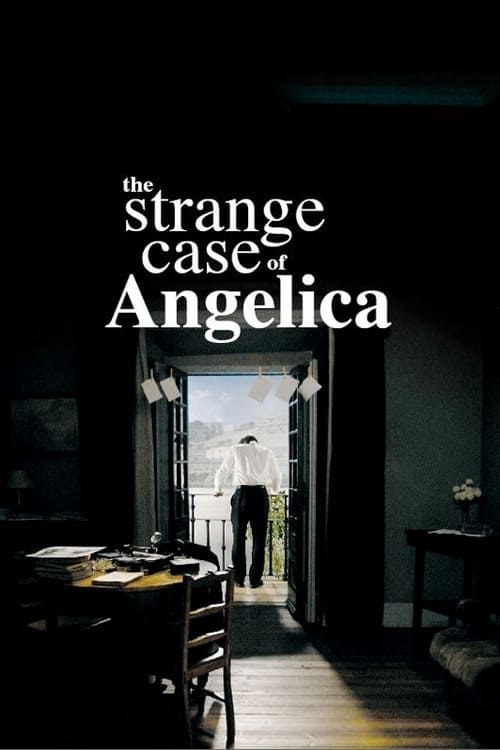
A photographer, Isaac, is asked by hotel owners to take portraits of their recently deceased daughter Angélica. When he looks at her through the lens of his camera, she appears to come back to life just for him. He instantly falls in love with her. From that moment, he will be haunted by Angélica day and night.
On a train to Algarve, a young man recounts to a fellow passenger his past relationship with an eccentric young woman.
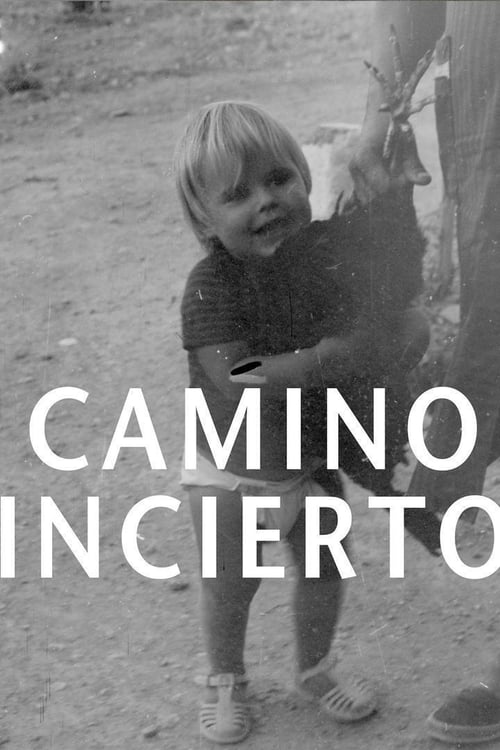
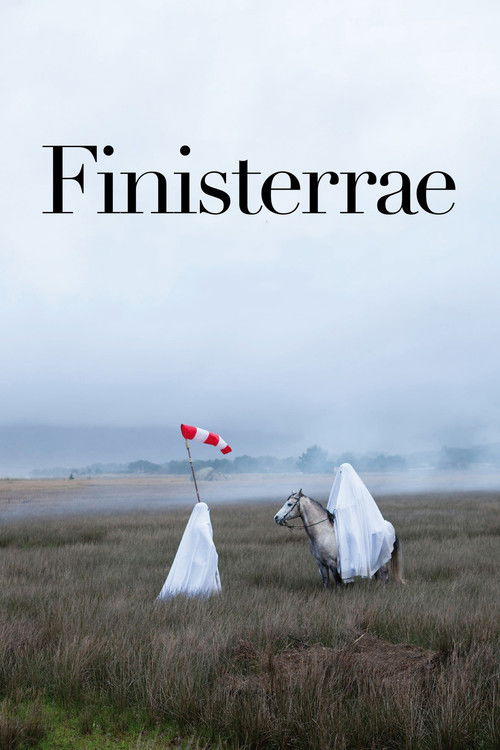
Two ghosts walk along the Camino of Santiago.
Arielle and Myriam contemplate and philosophize — their eyes fixed beyond, into the star-strewn darkness. They reflect on love, the sacrifices it demands, and the madness it can inspire. Two divas in a tribute to the very origins of cinema.