Writing
No description available.
Marina is raised by her father on an island after her mother's death. As a teenager, she moves to Rio de Janeiro to study and live with her godparents, where she ends up falling in love with Marcelo.
In imperial Brazil, a young woman stripped of her reputation is forced into exile from polite society. Recasting herself as Madam Beja, she builds an elite pleasure house that becomes a hub of political intrigue, economic power, and forbidden desire, using charm, intelligence, and ruthless strategy to bend the same men and institutions that once destroyed her.
Bella Cepeda is a woman whose beauty is transformed into condemnation when a powerful businessman kidnaps her to make her his concubine. After achieving his freedom and returning to his village, he finds rejection from his community and distrust of his true love.
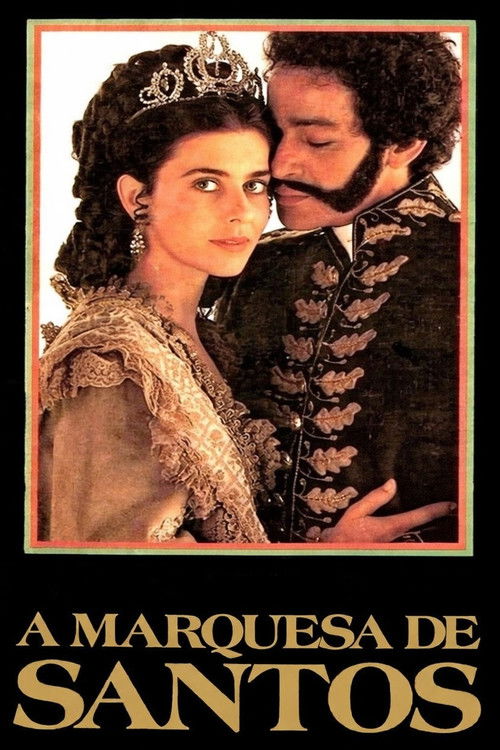
The story of Domitila de Castro Canto e Melo, the Marquise of Santos, the most famous of the mistresses of Dom Pedro I, Emperor of Brazil.
The telenovela tells the story of Pedro, a young singer seeking recognition and success. The son of Celso and Anita leaves his parents' home when he discovers that his brother Claudio has become involved with his girlfriend Selma. The singer then goes to live in a student community, where he meets the siblings Bruno, a composer, and Nina. Pedro and Bruno begin a professional partnership. Nina ends up falling in love with the singer, but is torn between him and the former seminarian Chico.
On the eve of the Republic, the clash between the monarchist Aristarco and his son Jorge, a defender of the republican cause, enlivened the Ateneu College and sparked passions and persecutions.
Jurema, of humble origins, was raised on a large farm together with Vítor Correia and Carlos Valadares, whose father was the farmer. The three of them were very close and spent their childhood together. Only in adolescence began the rivalry between Carlos and Vítor, because of Jurema.
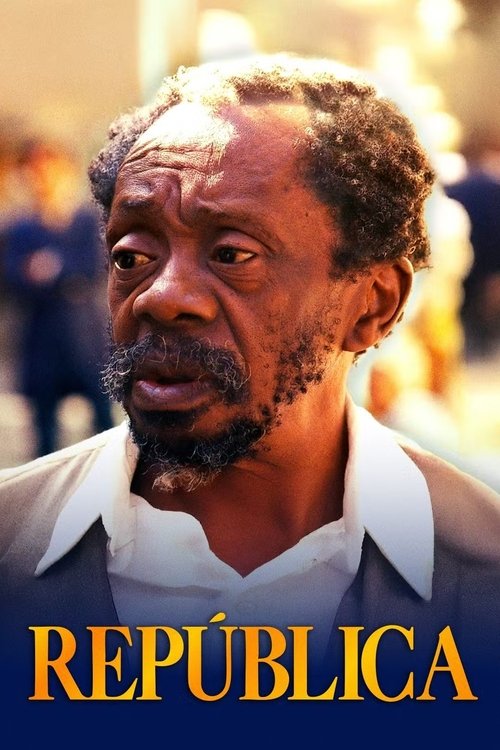
The transition from imperial Brazil to the Republic, marked by intrigue, rebellion, and popular indifference. Held in commemoration of the centenary of the birth of the Republic in Brazil.
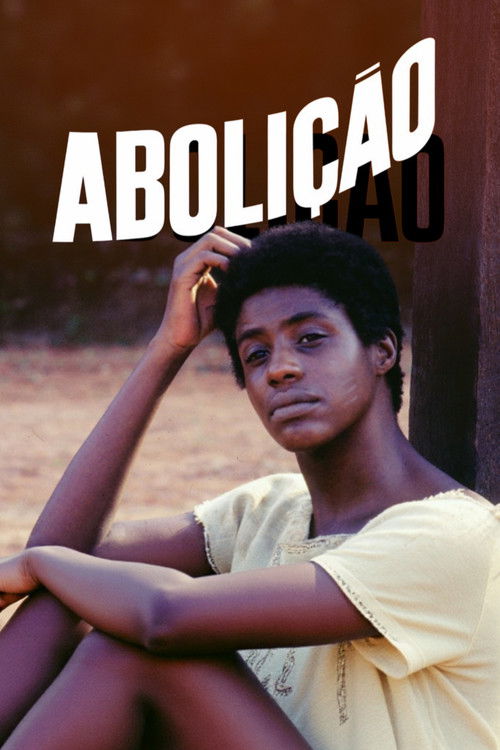
'Abolição' shows how much the liberation of the enslaved transformed the structures of Brazilian society, both in the countryside and in the city, and the changes generated in the lives of black people themselves. The narrative is centered on the period in which the Lei Áurea was about to be signed by Princess Isabel, on May 13, 1888. At that time, the abolitionist theme was widely discussed in urban centers, while in rural areas slavery relations were still established. The enslaved Iná Inerã, spiritual leader and warrior, represents the fight to maintain African identity at any price, paid with her own life, if necessary. Journalist Lucas, in turn, is a freed black man who believes in peaceful integration between whites and blacks.