Paul Curran
Acting
Known For
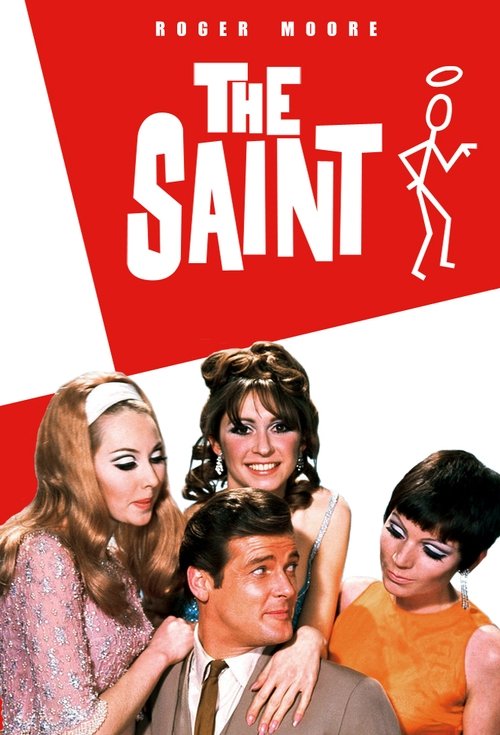
Simon Templar is The Saint, a handsome, sophisticated, debonair, modern-day Robin Hood who recovers ill-gotten wealth and redistributes it to those in need.
The Saint
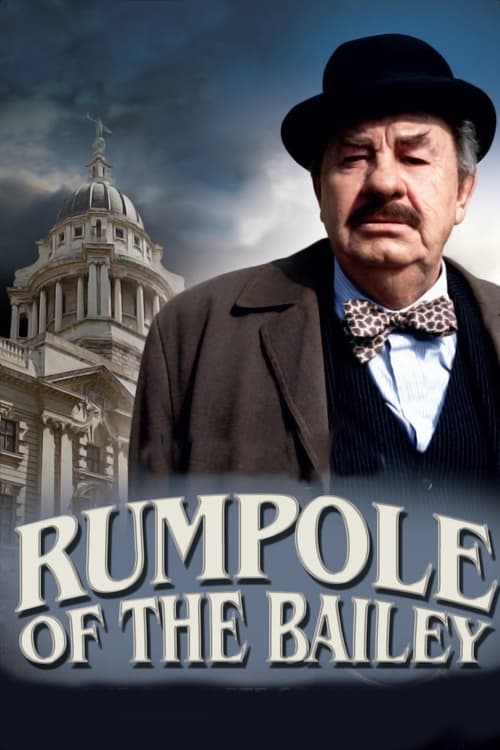
Rumpole of the Bailey is a British television series created and written by the British writer and barrister John Mortimer. It stars Leo McKern as Horace Rumpole, an aging London barrister who defends any and all clients, and has been spun off into a series of short stories, novels, and radio programmes.
Rumpole of the Bailey
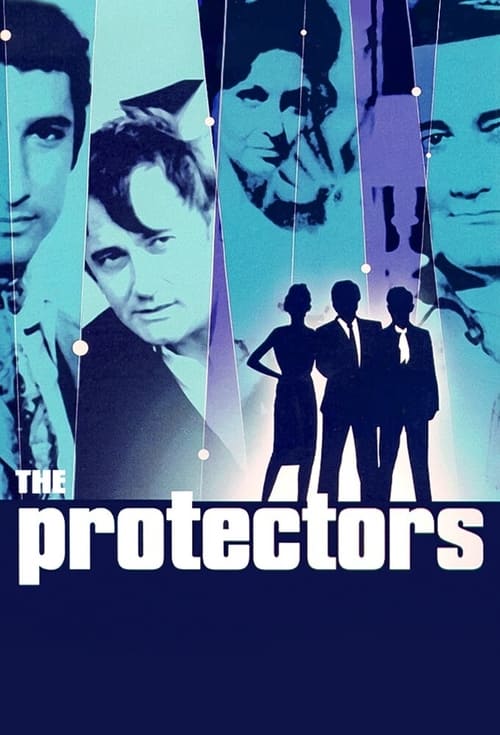
The Protectors is a British television series, an action thriller created by Gerry Anderson. It was Anderson's second TV series using live actors as opposed to electronic marionettes, and also his second to be firmly set in contemporary times. It was also the only Gerry Anderson produced television series that was not of the fantasy or science fiction genres. It was produced by Lew Grade's ITC Entertainment production company. Despite not featuring marionettes or any real science fiction elements, The Protectors became one of Anderson's most popular productions, easily winning a renewal for a second season. A third season was in the planning stages when the show's major sponsor pulled out, forcing its cancellation. The Protectors first aired in 1972 and 1973, and ran to 52 episodes over two series, each 25 minutes long - making it one of the last series of this type to be produced in a half-hour format. It starred Robert Vaughn as Harry Rule, Nyree Dawn Porter as the Contessa Caroline di Contini, and Tony Anholt as Paul Buchet. Episodes often featured prominent guest actors.
The Protectors
Drama 61-67 is anthology drama series which took a different title, based on year of transmission, each year. It alternated with Armchair Theatre from ABC in the Sunday evening slot. The series was described at the time as epitomising ATV drama.
Drama 61-67
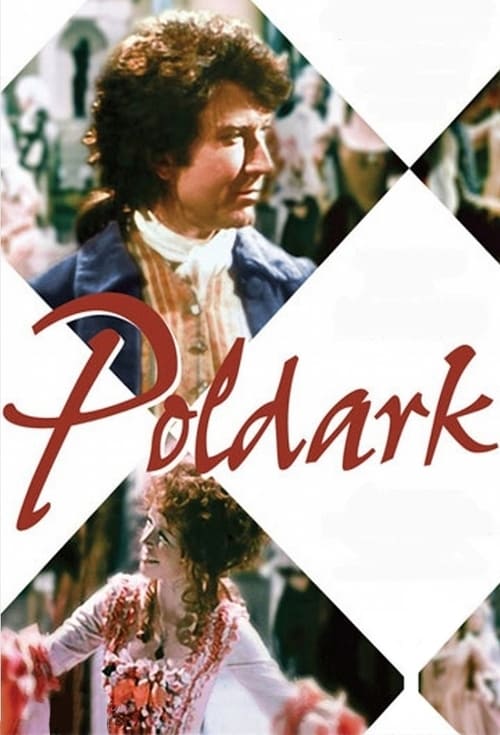
Poldark is a television drama based on Winston Graham's novels of the same title. It was first transmitted on BBC Two across two seasons between 1975 and 1977. The adaptation covered all seven novels (of the eventual twelve) published up to the time. In late 18th-century Cornwall, Ross Poldark loses his fiancée, well-bred beauty Elizabeth, to his cousin Francis. He ends up marrying his servant, Demelza Carne, but his passion for Elizabeth simmers on for years. Meanwhile, he strives to make his derelict copper mines a success. Life is hard, smuggling is rife, and Ross finds himself taking the side of the underclass against the ruthless behaviour of his enemies, the greedy Warleggan clan.
Poldark

Dramatizes the Birth, Life, Ministry, Crucifixion, and Resurrection of Jesus Christ, largely according to the Holy Bible's New Testament Gospels.
Jesus of Nazareth
Story Parade specialized in adaptations of modern novels. It was broadcast on June 5, 1964 and repeated on August 28, 1964. The teleplay was by Terry Nation (who invented "Blake's 7" and the Daleks in Dr. Who), and Elijah Baley was played by the late Peter Cushing. It also starred John Carson John Carson as R. Daneel Olivaw and Kenneth J. Warren. The master tapes of the program were erased, however a few clips from the production have turned up in various documentaries about Isaac Asimov's work.
Story Parade
An anthology of 1920s set plays and musicals, transmissioned from 10 September to 10 December 1968 on BBC One.
The Jazz Age
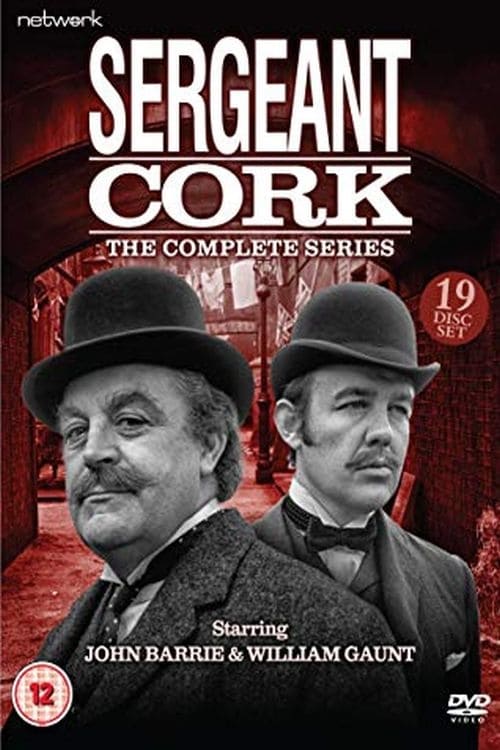
Sergeant Cork is a British detective television series which first aired between 1963 and 1968 on ITV. It was a police procedural show that followed the efforts of two police officers and their battle against crime in Victorian London. In all 66 hour-long episodes were aired during the five-year run, although the last episode was not broadcast until January 1968, 16 months after the others. Journalist Tom Sutcliffe has credited it as a first example of the use of the Victorian-era policeman in a television crime series. A 1969 review in The Age opined that rather than suspense, the strengths of the series were its "excellent period settings and wonderfully thick pea-soupers" which "add up to splendid evocative stuff", as well as the performance of star John Barrie. At no time during the whole series is Sergeant Cork's first name given.
Sergeant Cork
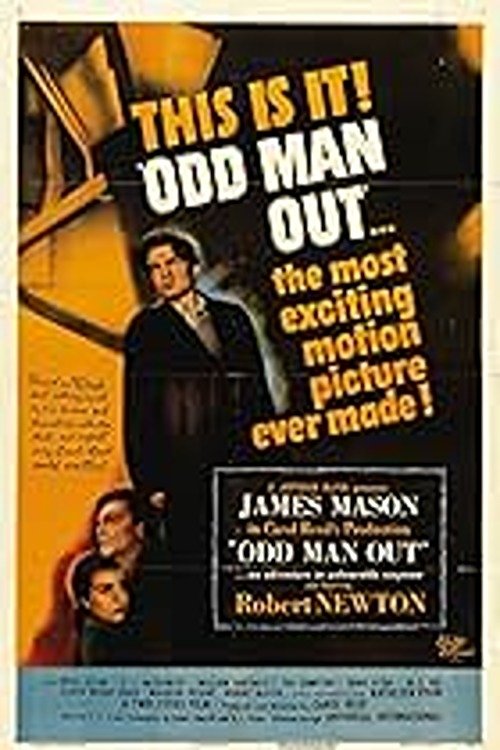
The first of a trilogy of police procedurals produced in the 1960s by Granada TV, linked by the presence of pompous but increasingly genial police Chief Inspector Charles Rose, The Odd Man initially dealt with the investigations of theatrical-agent-cum-detective Steve Gardiner, and his encounters with the police in the form of Chief Inspector Gordon and DS Swift. By season three, Rose takes Gardiner's place.
The Odd Man
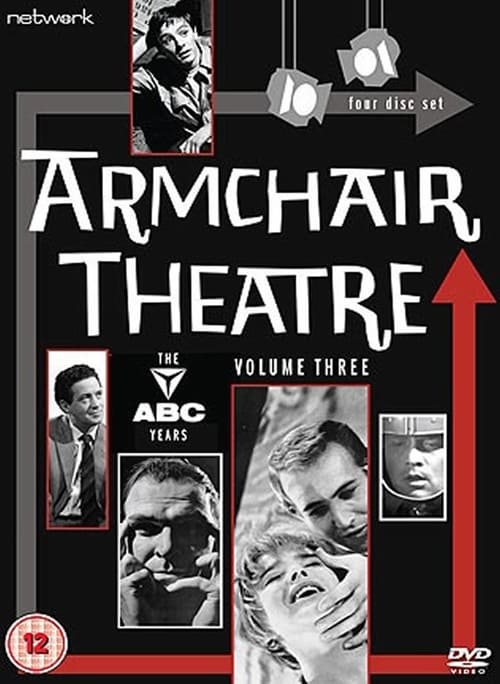
Armchair Theatre is a British television drama anthology series of single plays that ran on the ITV network from 1956 to 1974. It was originally produced by Associated British Corporation, and later by Thames Television from mid-1968.
Armchair Theatre
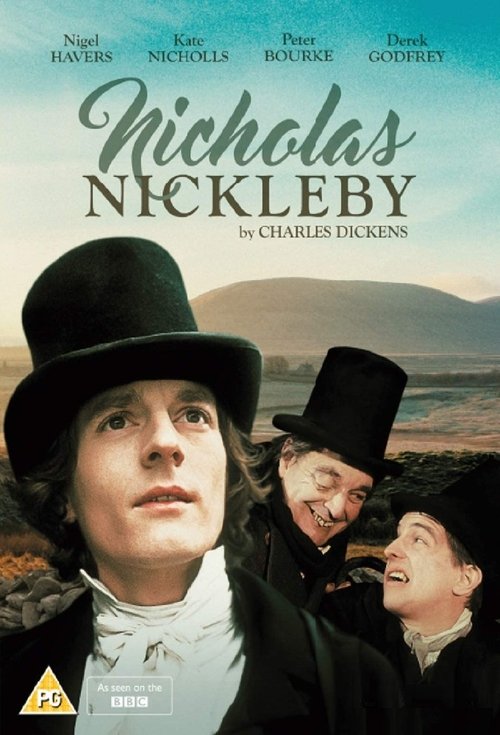
Nicholas Nickleby, a young boy in search of a better life, struggles to save his family and friends from the abusive exploitation of his coldheartedly grasping uncle.
Nicholas Nickleby
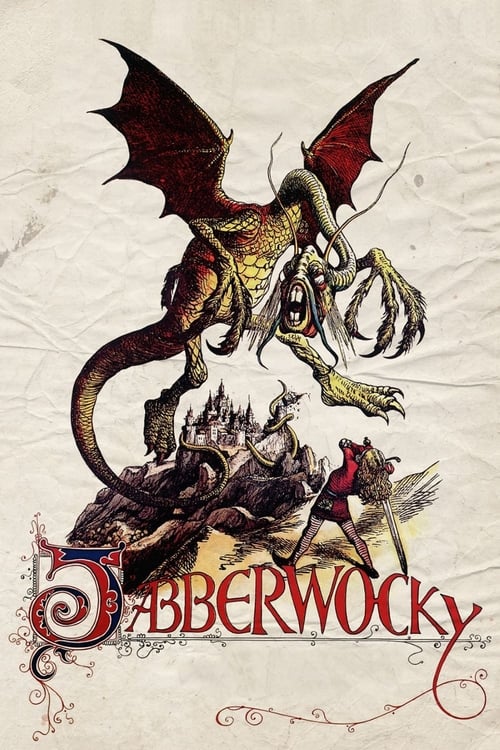
After the death of his father, young Dennis Cooper goes to town where he has to pass several adventures. The town and the whole kingdom is threatened by a terrible monster called 'Jabberwocky'. Will Dennis make his fortune? Is anyone brave enough to defeat the monster?
Jabberwocky
A series of six plays centred on a house in Glasgow, from 1878 to the 1980s.
House on the Hill
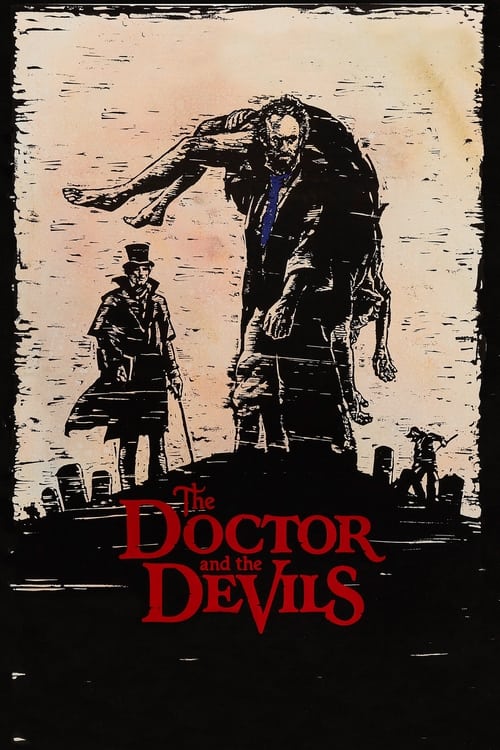
In Victorian England, graverobbers supply a wealthy doctor with bodies to research anatomy on, but greed causes them to seek an easier means of getting the job done.
The Doctor and the Devils
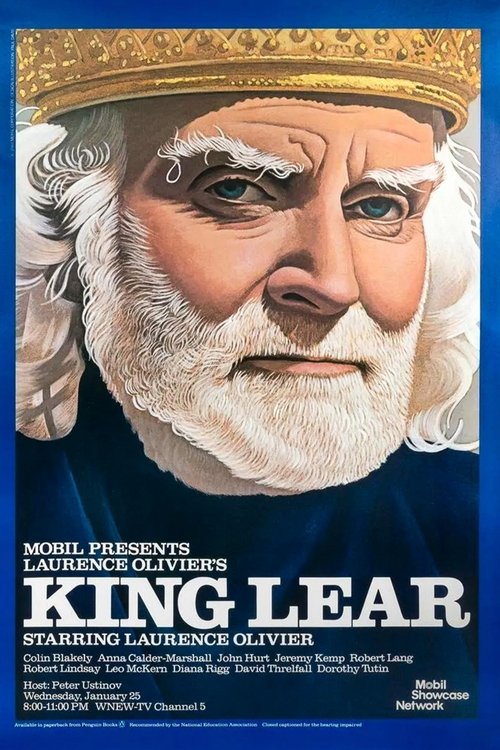
An aging King invites disaster when he abdicates to his corrupt, toadying daughters and rejects his one loving, but honest one.
King Lear

The career of Revolutionary War naval hero John Paul Jones, from his youth in Scotland through his service to Catherine the Great of Russia.
John Paul Jones
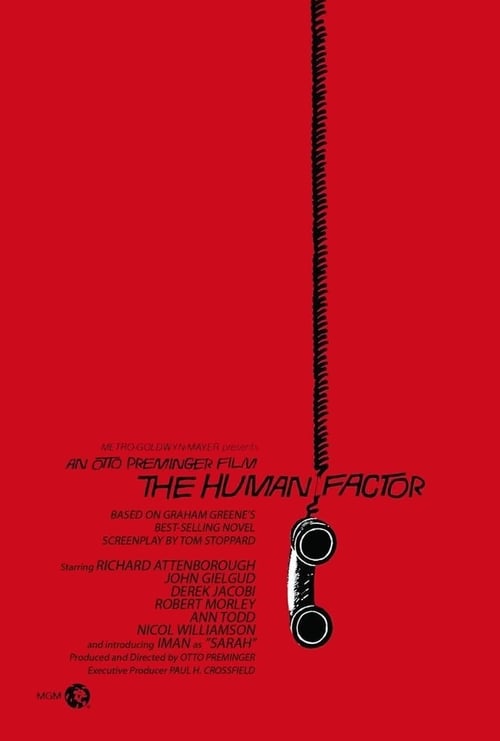
When a leak of information in the African section of British Intelligence is discovered, a security man is brought in to investigate.
The Human Factor
Dad has been living with daughter Jessy for years and she needs a break. She suggests he could live with her prosperous brother George. George has other ideas.
Where I Live

Dame Maggie Smith stars in the 1967 screen version of Franco Zeffirelli's exuberant National Theatre production of Shakespeare's romantic comedy, in which young lovers Hero and Claudio conspire to make sharp-tongued rivals Beatrice and Benedick fall in love with each other.