Junichi Ushiyama
Production
Biography
Junichi Ushiyama (born 9 May 1932) is a Japanese documentary filmmaker and director known for his work in the post-war period. Ushiyama began his career in the 1950s, initially working as a film editor before transitioning into directing. He gained recognition for his contributions to documentary filmmaking, particularly for his detailed exploration of social issues, historical events, and human rights. His most famous works include The Last Victory (1972), which focuses on the impact of World War II on the lives of ordinary Japanese citizens. Ushiyama's style often combines thorough research with an empathetic, human-centered approach, emphasizing the voices of those affected by societal and political upheavals. His films have earned critical acclaim for their nuanced storytelling and their ability to capture the complexities of Japanese society in the 20th century.
Known For

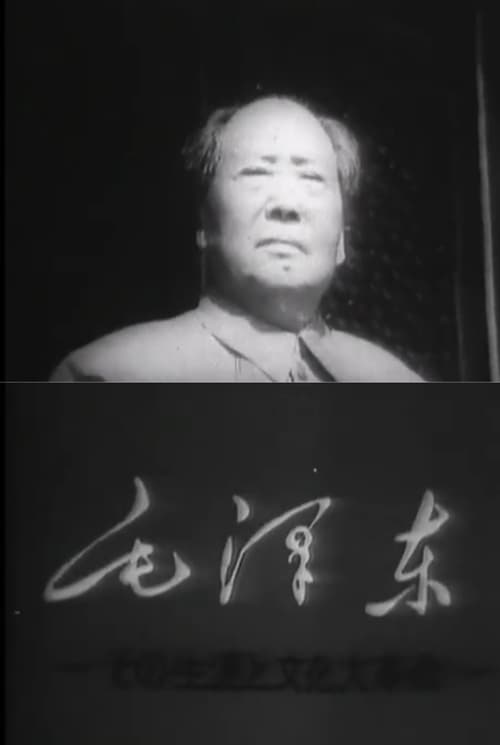
Nagisa Oshima's documentary details the rise of Chairman Mao during the revolution and shows the Communist Party's struggle and cultural upheaval. Made in 1969 for NTV station, this TV documentary also questions Mao's dictator tendency during the cultural revolution.
Mao Tse-Tung and the Cultural Revolution

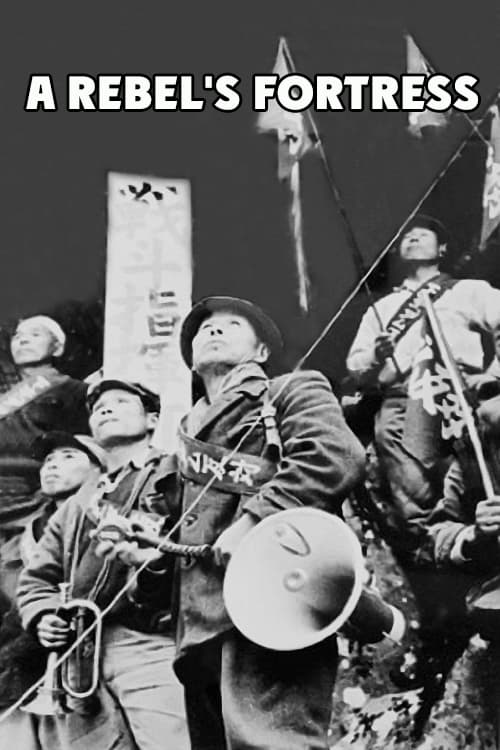
A chronicle of the eight-year battle against the construction of the Matsubara dam at Ogunimachi Shimouke, Asogun, district of Kumamoto. Tomoyuki Murahara constructs the “beehive fortress,” the point of reference for the protest movement opposing the decision to expropriate land.
A Rebel's Fortress

No description available.
A Life of Mao

Laura, a French programmer, inherits the task of creating a game about the World War II Battle of Okinawa. Her research and interviews with Japanese experts and witnesses prompt her to reflect on life, humanity, and the lasting influence of history and memories.
Level Five

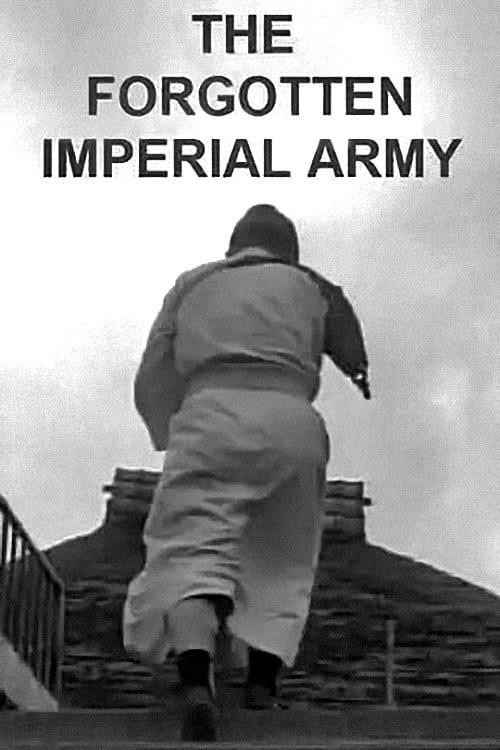
This documentary examines the plight of Korean veterans who were conscripted into the Japanese imperial army during World War II and later left destitute in postwar Japan. Many, disabled by their service, are denied compensation because of their Korean nationality. Filmed for Japanese television, the work confronts public apathy and exposes the unresolved moral responsibility Japan bears toward those who fought in its name.
The Forgotten Imperial Army
"Goze" drawn by painter Shinichi Saito. One of the few remaining blind women in the snowy Niigata region, a traveling entertainer who played the shamisen and sang, visited villages and left a record of living on the mercy of others.
The Journey of the Blind Musicians

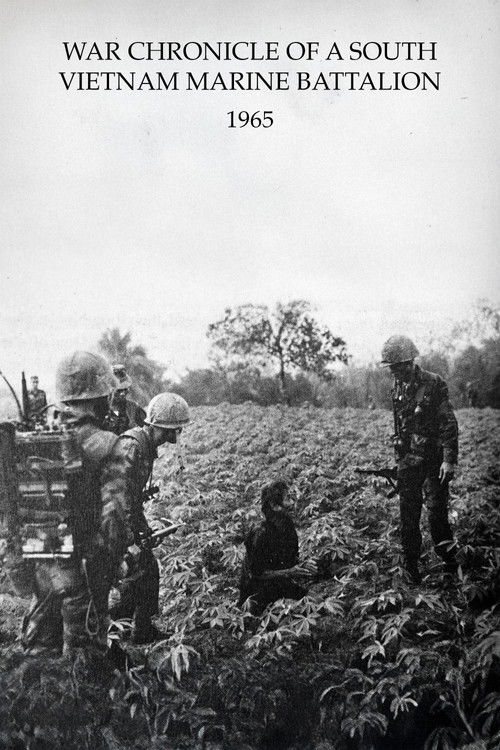
This documentary records a South Vietnamese Marine battalion conducting village-to-village search-and-destroy missions during the Vietnam War. Originally produced in three parts by Japanese television producer Junichi Ushiyama, the footage documents interactions with villagers and includes scenes of interrogations and executions that provoked official controversy.