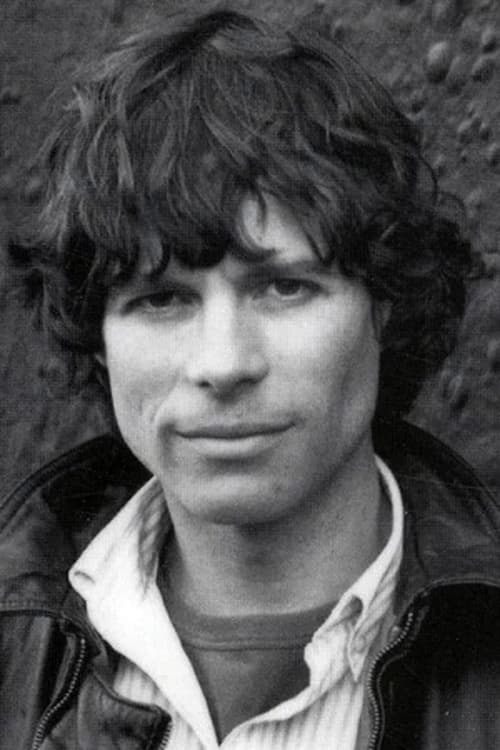
Bernard-Marie Koltès
Writing
Biography
Bernard-Marie Koltès (9 April 1948 – 15 April 1989) was a French playwright and theatre director best known for his plays La Nuit juste avant les Forêts (The Night Just Before the Forests, 1976), Sallinger (1977) and Dans la Solitude des Champs de Coton (In the Solitude of Cotton Fields, 1986). A close friend and collaborator with the avant-garde director Patrice Chéreau, the two created groundbreaking work together at both the La MaMa Experimental Theatre Club in New York City and the Théâtre des Amandiers in Nanterre. At the time of his death, Koltès was considered to be one of the most important young voices in French theatre, and heir apparent to the legacy left by post-war playwrights such as Samuel Beckett, Jean Cocteau and Jean Genet. His plays have since become staples on the modern repertory around the world, having been translated into more than 36 languages. Born in 1948 to a middle-class family in Metz, his life was violent and anchored in revolt. He tried his hand at writing at a very young age but later renounced it, and didn't take to the stage until the age of twenty after seeing the film actress María Casares starring in a production of Medea (Médée) directed by Jorge Lavelli. Soon after, in 1969, he was inspired and wrote his first play, Les Amertumes (Bitternesses), a dramatization of Maksim Gorky's 1914 memoir, My Childhood. The play premiered in 1970 at the St. Nicholas Church in Strasbourg. By chance Hubert Gignoux, the director of the National Theater of Strasbourg, attended the show on opening night and was instantly enamored of Koltès's work. Convinced that the twenty-one-year old fledgling playwright was a genius, Gignoux invited him to attend the theatre school at TNS in 1971. Within the year, Koltès directed and acted in productions at the Théâtre du Quai in Strasbourg,a company he founded. He directed some of his own work there, including La Marche (The Walk), an adaptation of the biblical Song of Solomon, and Procès ivre (Drunken Trial), based on Fyodor Dostoevsky's Crime and Punishment. Some of Koltès's early works such as L'Héritage (The Inheritance) and the unpublished Des Voix sourdes (Deaf Voices) were even broadcast on national French radio in 1972 and 1973. His first widely celebrated piece, the long monologue, The Night Just Before The Forests, was staged in 1977 at the Avignon Festival, and subsequent productions were put on in collaboration with director Patrice Chéreau. Koltès's work, based in real-life problems, expresses the tragedy of being alone and of death. His writing style accents the dramatic tension and the lyricism of his plays. Koltes also translated into French Shakespeare's The Winter's Tale. ... Source: Article "Bernard-Marie Koltès" from Wikipedia in English, licensed under CC-BY-SA 3.0.
Known For
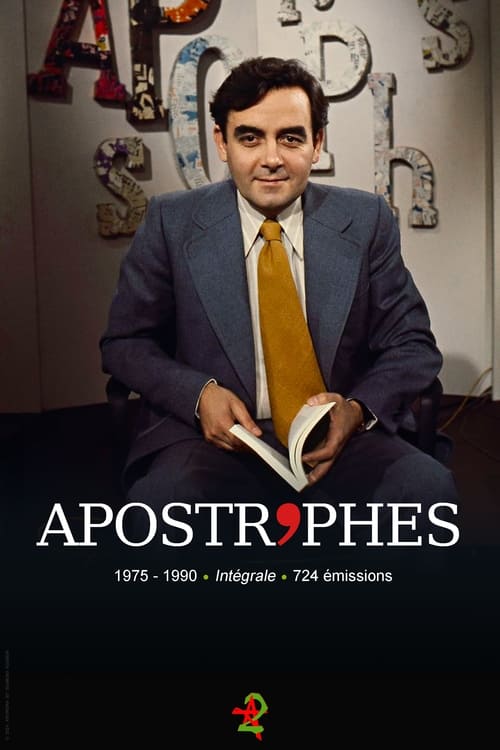
Apostrophes was a live, weekly, literary, prime-time, talk show on French television created and hosted by Bernard Pivot. It ran for fifteen years (724 episodes) from January 10, 1975, to June 22, 1990, and was one of the most watched shows on French television (around 6 million regular viewers). It was broadcast on Friday nights on the channel France 2 (which was called "Antenne 2" from 1975 to 1992). The hourlong show was devoted to books, authors and literature. The format varied between one-on-one interviews with a single author and open discussions between four or five authors.
Apostrophes
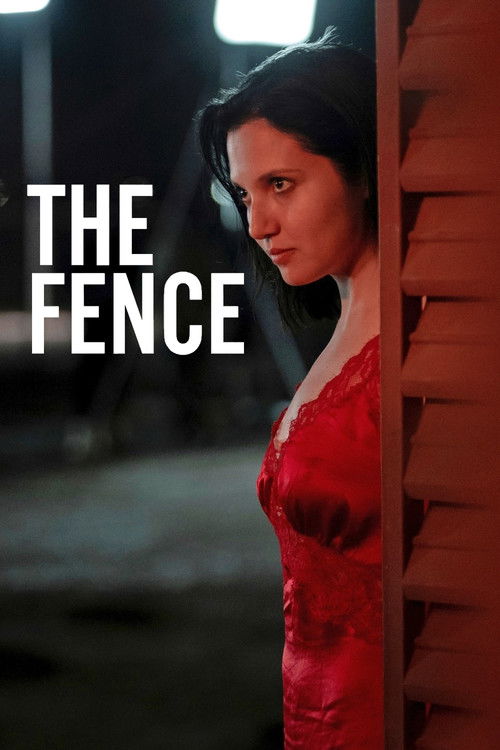
A vast public works project in West Africa. Horn, the construction site manager, and Cal, a young engineer, share lodging behind the double gates of their compound. Leone, Horn’s recent bride, comes to join them the same night that a man appears at the fence. His name is Alboury. Like a specter in the darkness, he demands the body of his brother who died earlier that day on the site. He will hound the two men all night long until they return it, as Leone watches the disaster play out before her.
The Fence
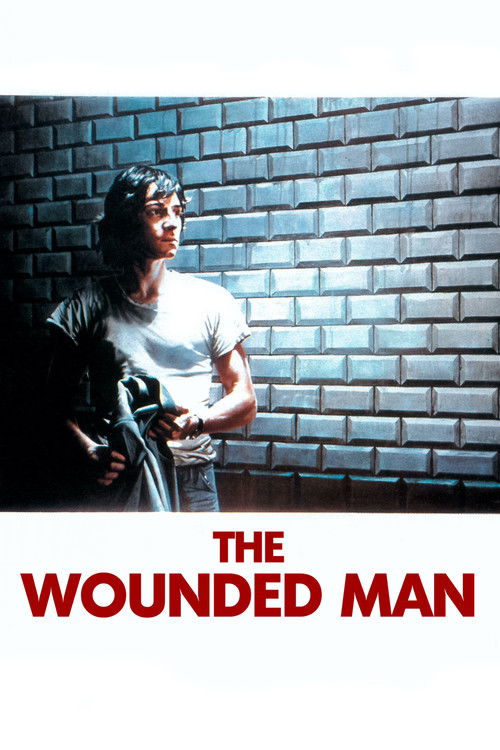
A fleeting encounter in a train station draws a withdrawn young man into a shadowy world of desire and danger. As obsession deepens, innocence destroyed, and an irreversible transformation begins.
The Wounded Man
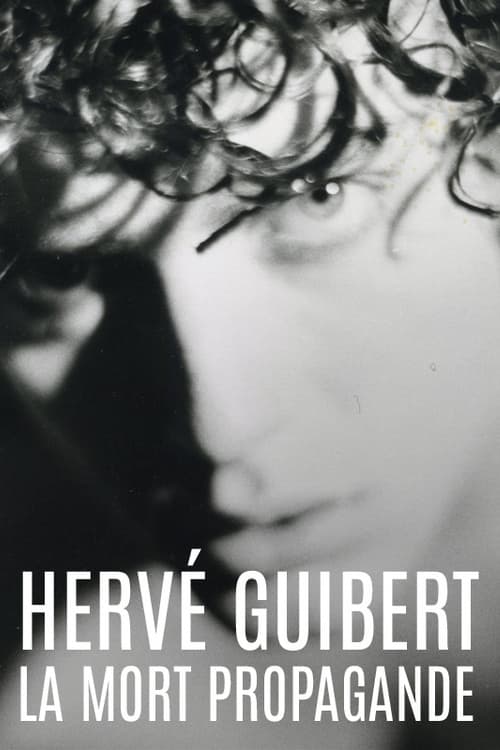
From this "inexorable disease", Hervé Guibert did not recover. The miracle he had so much hoped for did not happen. But, before his death in 1991, three years after learning of his HIV-positive status, he engraved in his literary and photographic work "the places of [his] suffering", "the stations of [his] way of the cross". With his thin body and sunken cheeks, the handsome man with curly hair that he was, the one whose clear gaze radiated from the seaside photos, fought a fierce battle against AIDS. A fight of every moment against the decay of the body, observed and commented with a methodical care in his autobiographical novels, in particular "To the Friend Who Did Not Save My Life" (1990) and "The Compassionate Protocol" (1991), and of which he testified on television on the set of "Apostrophes"...
Hervé Guibert, la mort propagande
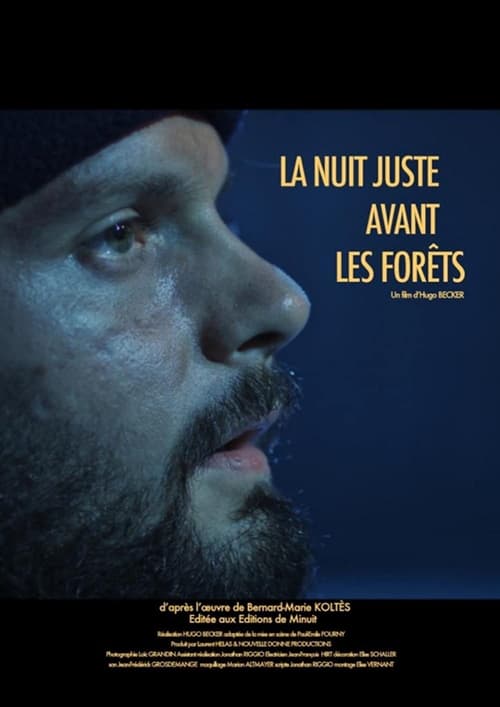
Using all the words he can find, a man tries to get a stranger to stay around—a stranger he approached on a street corner, one night when he was alone. He tells him about his world. A suburb where it rains, where everyone is a stranger, where no one works anymore; a nocturnal world that he is passing through, to flee, without looking back; he tells him about everything and about love, things one never talks about, except to a stranger like this one, a child perhaps, silent and motionless.
The Night Just Before the Forests
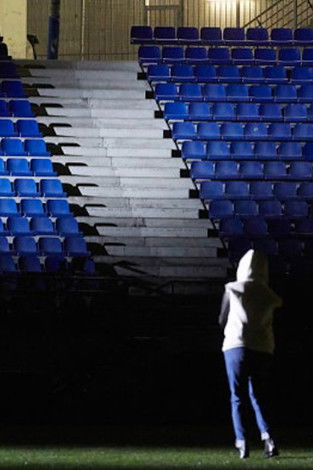
A staging of Bernard-Marie Koltès' play "In the Solitude of Cotton Fields" by Roland Auzet.