Directing
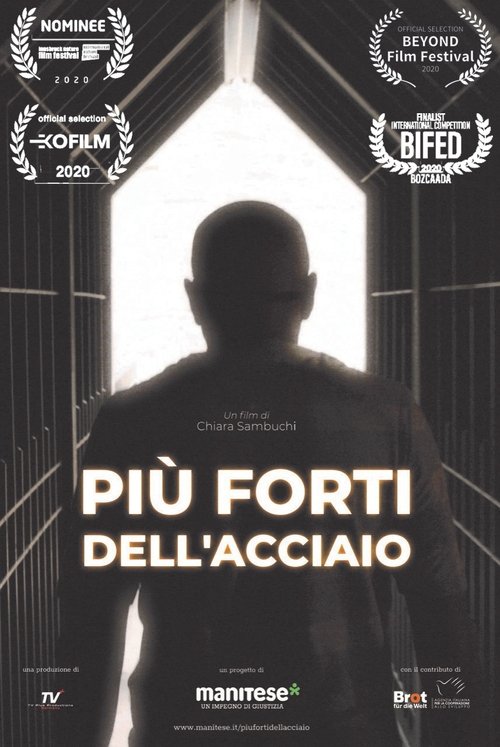
In three symbolic places of a global production, "Spirits I've called" describes the impact of the mining and steel industry on the fragile natural balances and on the health of people living close to the production sites.
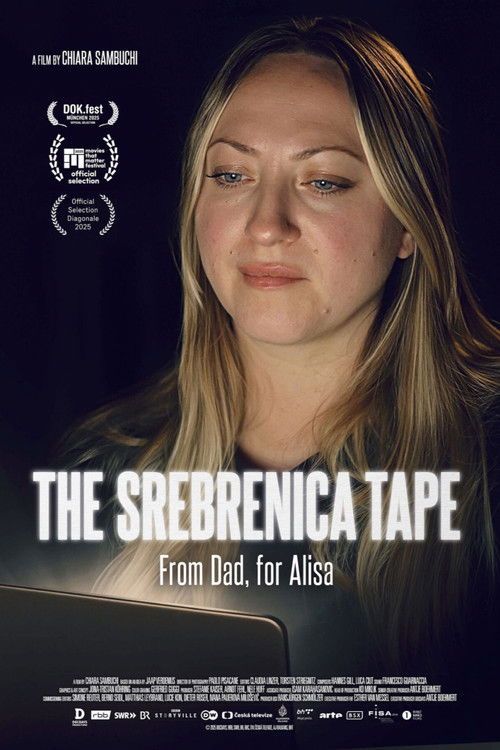
In possession of a rare VHS tape shot by her father during the enclave years of Srebrenica, Alisa goes on a journey to uncover the history of her war-torn family, in search of understanding and healing. An intimate search for traces and a journey back to the enclave years of Srebrenica and the genocide of July 1995.
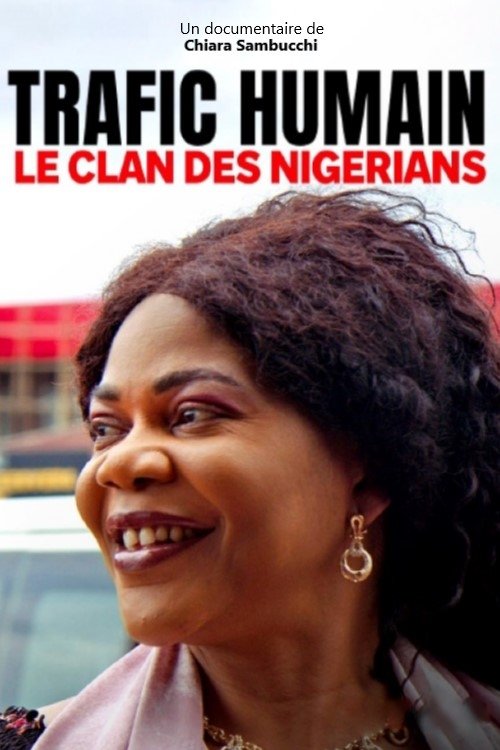
Criminal networks from Nigeria make money from drug and human trafficking. In their home country, they lure young women with the prospect of a secure future in Europe - a fateful promise. Because it leads to forced prostitution. The women pay thousands of euros for the often illegal journey. Once there, the human traffickers demand the money back and force the young women into prostitution. They are put under psychological pressure by an archaic "Yuyu" ritual intended to prevent them from escaping and escaping their tormentors. "Without demand, the business would not exist," says social worker Princess Inyang Okokon. She herself had fallen into the hands of human traffickers, but managed to get out and is now helping other women to break out of forced prostitution. The documentary accompanies the committed Italian prosecutor Lina Trovato and the German investigator Colin Nierenz in their work and tells of the fate of young Nigerian women who managed to escape from forced prostitution
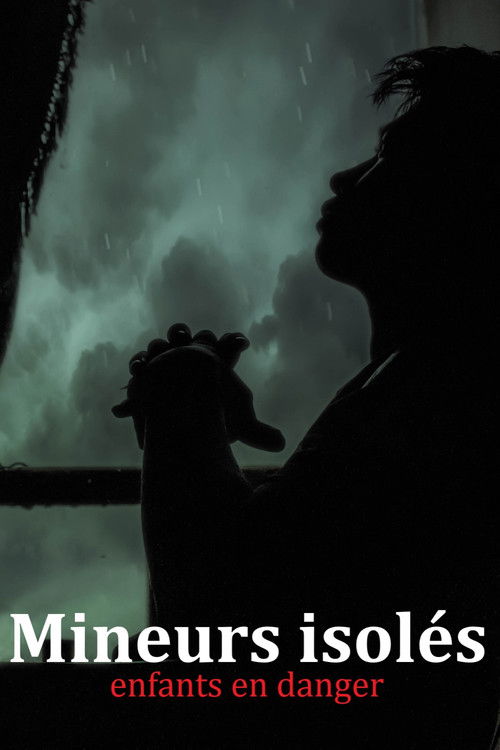
There are thousands of them. Children. Aged between nine and sixteen. They come to Europe from the middle East and Africa, and now they are on the move across our continent – alone, with no adults to accompany them. A blot on European immigration policy. Of all people, minors whose young age should guarantee them special protection and speedy integration into the new society, slip effortlessly through the net of the inadequate security afforded by European asylum procedures, escape to wherever they can, and are easy prey for criminals both from their own home countries and from Europe. Since the beginning of 2014 at least two hundred thousand unaccompanied child migrants have managed to cross Europe's borders. But according to the authorities, at least ten thousand of them have simply vanished en route. These are children, and one estimate of unreported cases puts the figure at twice or even three times that. Who are these children, and how did they manage to make themselves invisible?
No description available.