Jan Rousek
Camera
Known For
No description available.
Fotografové smrti

A film journey through places near and far, real and dreamy, on the border between reality and fiction, where it is possible to learn how close the realm of the invisible lies and to contemplate whether it is possible to approach the invisible through film. Guides on this journey are various explorers who present their elusive experiences with researching and capturing imprints of the invisible – former filmmakers, a forgotten film movement, a local history expert, a mountaineer, a professor, and the director, Lea Petříková, herself. But the more they reveal, the more complicated it gets.
If I Ever Lose My Eyes
No description available.
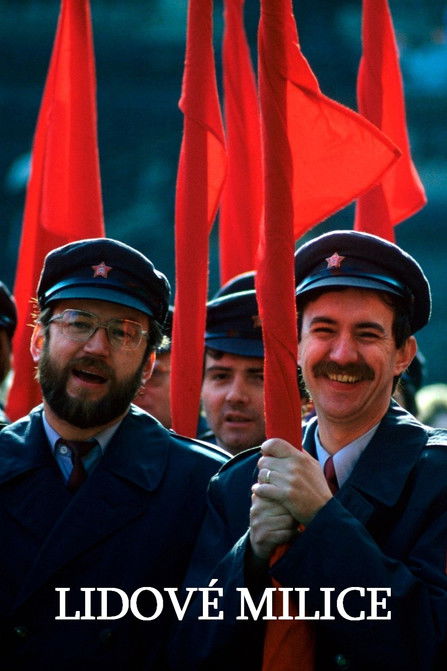
Lidové milice
No description available.
Lékař ve službách anděla smrti
No description available.
Epocha mezi srpnem a listopadem
How do locations of iconic scenes in Czechoslovak classic cinema look like today? This film makes use of soundtracks to transfer viewers into the classic works of cinema of the past millennium, while, by way of contrasting footage of today’s real look of the places, it builds a provocative bridge between the past decades and contemporary times.
Empty Location / And what about you, Mireček?

French-Mexican surrealist artist Alice Rahon made her only film - The Wizard - in 1947, which was lost before its first release. From this came a dream of a never-before-seen work, an encounter with a person who is unjustly forgotten, and an excursion to the landscapes of image, sound and imagination.
After the Magician
This film essay about cinematographic methods of conquering the African continent uses excerpts from letters exchanged between Zlín and Nairobi between the head of the film group Jaroslav Novotný and the travel and filmmaking duo Miroslav Zikmund and Jiří Hanzelka. The subtle manipulation of the footage from their film Africa I. – From Morocco to Kilimanjaro (1952) highlights the subversive potential of the gaze fixed directly on the camera.