FEEL IT.STREAM
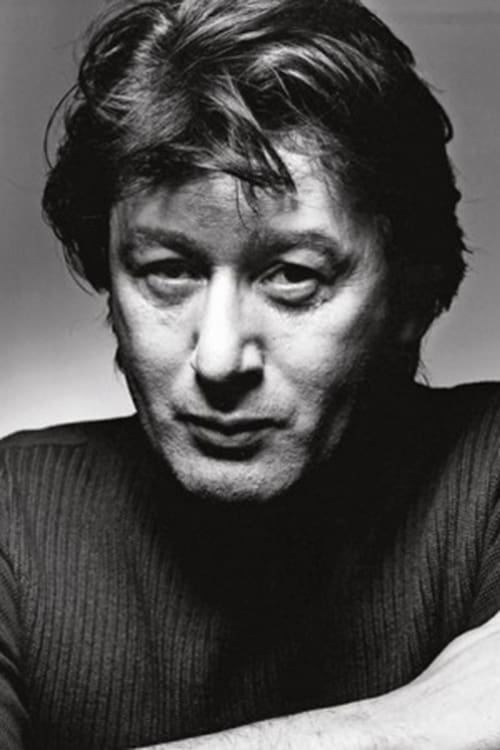
Alain Bashung

Alain Bashung

Acting

Biography

Alain Bashung (born Alain Claude Baschung; 1 December 1947 – 14 March 2009) was a French singer, songwriter and actor. Credited with reviving the French chanson in "a time of French musical turmoil", he is often regarded in his home country as the most important French rock musician after Serge Gainsbourg. He rose to prominence in the early 1980s with hit songs such as "Gaby oh Gaby" and "Vertige de l'amour", and later had a string of hit records from the 1990s onward, such as "Osez Joséphine", "Ma petite entreprise" and "La nuit je mens". He has had an influence on many later French artists, and is the most awarded artist in the Victoires de la Musique history with 12 victories obtained throughout his career. Bashung's Play blessures (1982), Osez Joséphine (1991), and Fantaisie militaire (1998) have made multiple French lists of the greatest albums. L'Imprudence (2002) and Bleu pétrole (2008), the last two studio albums released during his lifetime, also garnered acclaim. Bashung died at 61 after a two-year fight with lung cancer. Alain Baschung (he later dropped the "c" from his surname) was the son of a Breton mother working in a rubber factory and an Algerian father, whom he never knew. His mother remarried, and at the age of one, Bashung was sent to Wingersheim, near Strasbourg to live with his stepfather's parents. He spent his childhood in the countryside, in a rather conservative environment, alongside a grandmother who did not speak French. He discovered music during his childhood, notably Kurt Weill's Mahagonny, and began to practice with a Rosebud harmonica offered to him when he was five. He also practiced basketball and cycling and sang in the church choir of Wingersheim. He came back to Paris in 1959, where he discovered the great chanson artists, and then rock artists such as Gene Vincent, Buddy Holly (whom he admired deeply), and Elvis Presley. While studying (before dropping out after he was awarded a BTS in accountancy from the École nationale de commerce in 1965), he formed a band called Les Dunces playing folk music and rockabilly. He later formed a band with musicians met in Royan, and then began to tour in restaurants, hotels and U.S. military bases. He began his career with his first EP, "Pourquoi rêvez-vous des États-Unis?" in 1966, which he wrote and composed. At the same time, he joined the RCA label to become a music arranger. He wrote songs for French artists. In June 1967, at the Palais des Sports of Paris, he was the opening act (alongside Noël Deschamps and Ronnie Bird) of artists such as the Pretty Things, the Troggs or Cream. In 1968, he released his first single, "Les Romantiques", which was largely ignored by the public and unsuccessful. Around that time, he dropped the "c" from his name and spent some time at the house of fellow singer Christophe. From 1972 to 1974, he composed some of the music and cowrote three albums and three singles (including "Marilou") for French rock singer Dick Rivers. In 1973, he played Robespierre in the musical La Révolution française by Claude-Michel Schönberg. ... Source: Article "Alain Bashung" from Wikipedia in english, licensed under CC-BY-SA 3.0.

Known For

Champs-Elysées
6.8

No description available.

Champs-Elysées

1982
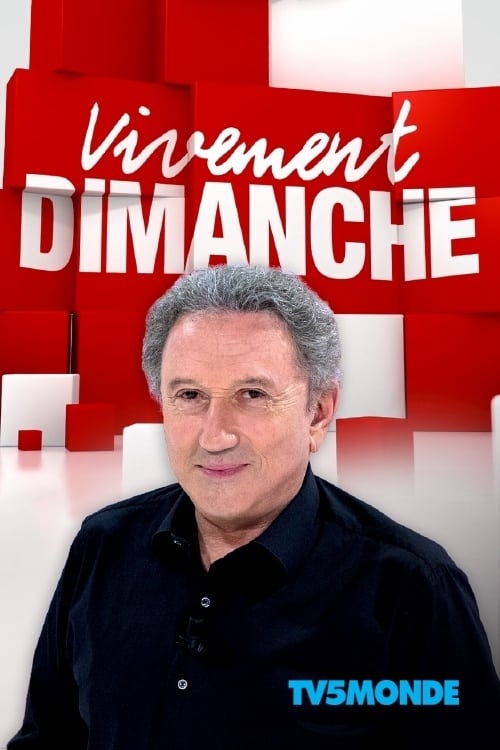
Vivement dimanche
3.6

No description available.

Vivement dimanche

1998
Sacrée soirée
5.7

No description available.

Sacrée soirée

1987
Les Rendez-vous du dimanche
6.0

A talk show presented by Michel Drucker

Les Rendez-vous du dimanche

1975
Le monde est à vous
N/A

No description available.

Le monde est à vous

1987
Numéro un
7.5

A French variety show.

Numéro un

1975
Discorama
8.0

No description available.

Discorama

1959
Nulle part ailleurs
6.1

No description available.

Nulle part ailleurs

1987
Victoires de la musique
3.3

No description available.

Victoires de la musique

1985
Les Nuls, l'émission
8.6

No description available.

Les Nuls, l'émission

1990
Cadet Rousselle
N/A

No description available.

Cadet Rousselle

1971
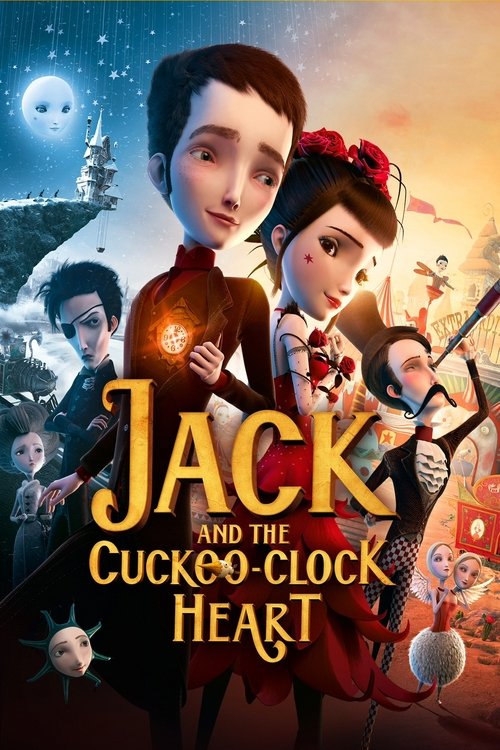
Jack and the Cuckoo-Clock Heart
7.2

Jack is born with his heart frozen solid on the coldest day in history. A wise midwife saves him by replacing it with a cuckoo clock. Now Jack must abide by three rules to keep his mechanical heart safe: never touch the clock's hands, master his anger, and never fall in love. He tries his best, but when he meets a girl named Acacia he falls in love, threatening the delicate balance of his artificial heart.

Jack and the Cuckoo-Clock Heart

2014
A Shadow of a Doubt
6.8

Aline Issermann's "Shades of Doubt" ("L'Ombre du Doute"), a French film about a wrenching family crisis, is set forth with remarkable restraint. The subject is incest, but the story's potential for tawdriness is never exploited. Instead, Ms. Issermann presents a discreet, methodical account of how 12-year-old Alexandrine comes to bring and then recant charges against her father, Jean.

A Shadow of a Doubt

1993
I Always Wanted to Be a Gangster
7.3

Told in four vignettes, this existential comedy relates the exploits of four aspiring criminals who hope to improve their lot, but find that they might not have what it takes for a life of crime.

I Always Wanted to Be a Gangster

2008
Nothing But Lies
6.5

Frustrated with her life, a Parisian tells her philandering husband about her lover.

Nothing But Lies

1991
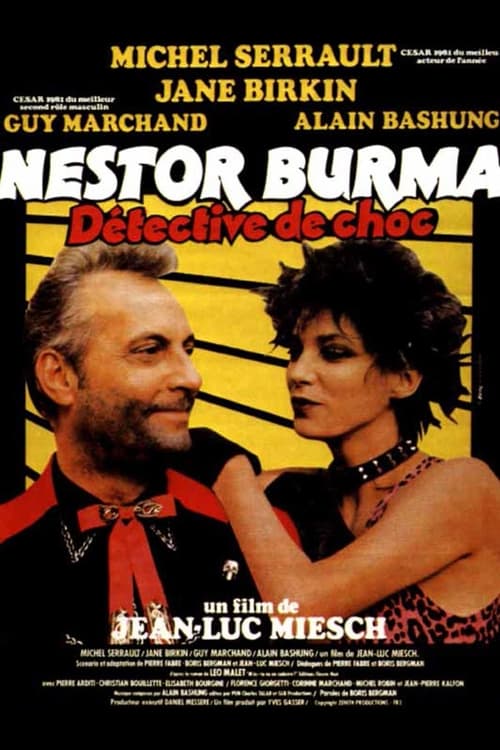
Nestor Burma, détective de choc
4.7

Detective Nestor Burma begins an investigation into the corrupt drug-ridden punk rock music world.

Nestor Burma, détective de choc

1982
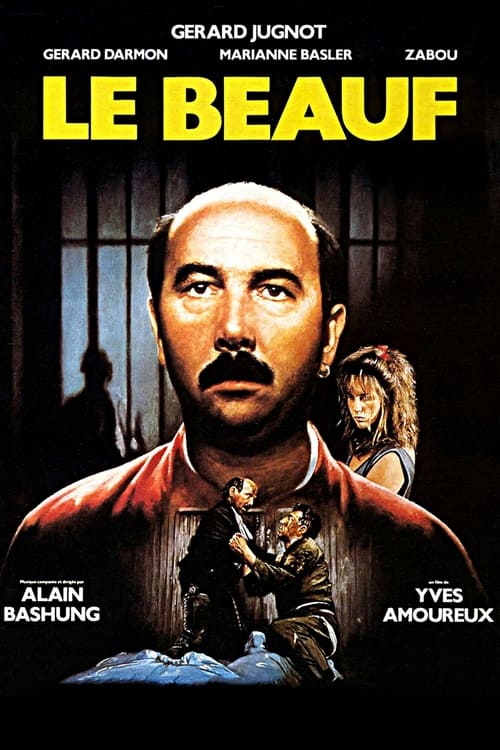
Le Beauf
5.1

Gilbert, assigned to incinerate old banknotes at the Bank of France, lives with his wife, Gisèle, and his young son, Thomas. A few years earlier, he had formed a rock band with Serge and Gisèle's brother, Marc. The latter, abusing his naivety, make him believe that he has been robbed of a briefcase containing a million dollars and that, because of his fault, Marc is in danger of dying. The objective is to force Gilbert to put his incinerator out of order to facilitate the bank robbery. Gilbert refuses at first, then gives in. But he discovers that he has been cheated. To get revenge, he tells the police the date and time of the robbery.

Le Beauf

1987
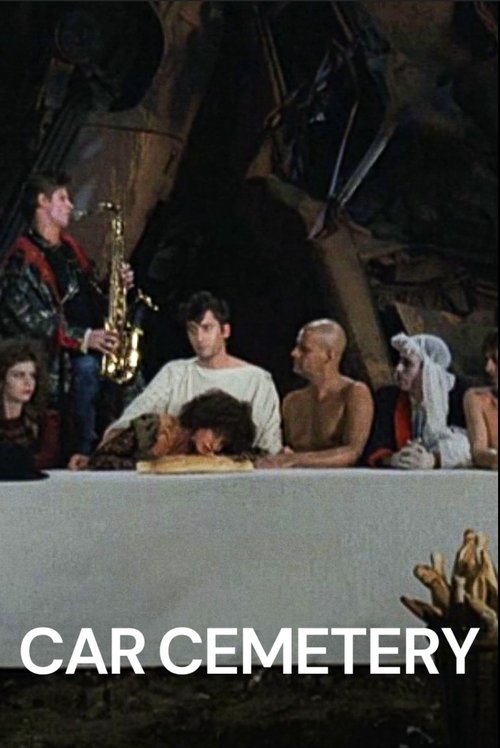
Car Cemetery
5.1

The plot is set in a post apocalyptic Junkyard where people take refuge from authority and are able to practice their fantasies and fetishes without being stopped by the police. These people are led by Emanou who is a sort of Messiah, who promises music rather than salvation.

Car Cemetery

1983
L'origine du monde
7.0

A young policeman of Moroccan origin investigates the murder of an informer. His investigations soon lead him to question his own past.

L'origine du monde

2001
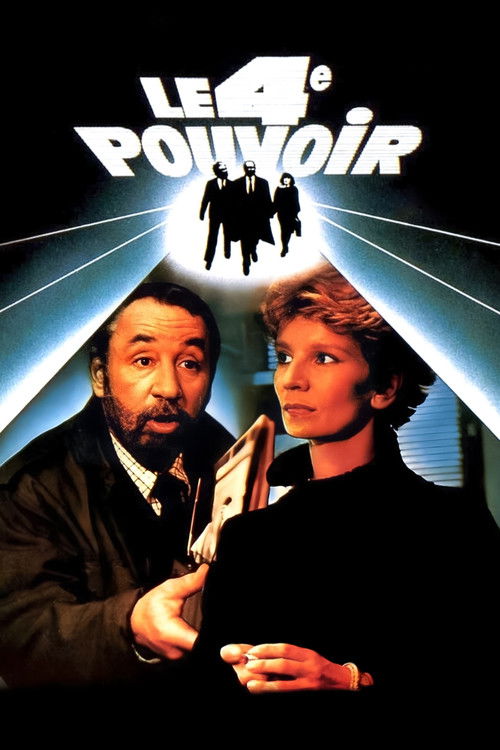
The Fourth Power
6.4

Yves Dorget, major reporter in a daily newspaper, finds on an "affair" part of a simple news item Catherine Carré, his former friend, editor and chief and star presenter of a television newscast.

The Fourth Power

1985