Christian Ziewer
Directing
Known For

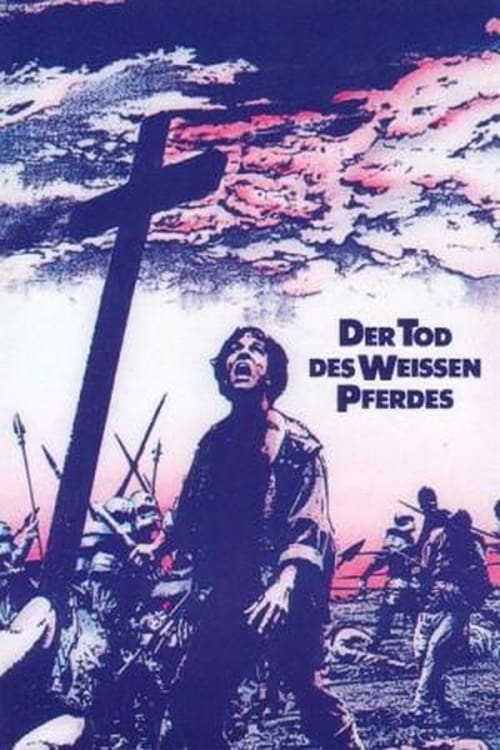
This somewhat superficial historical drama is about the 1525 Peasants' War in Germany when the lower classes rebelled against oppressive conditions imposed by the clergy and nobility and then committed many acts (including atrocities) that did not morally set them far apart from the people they were fighting. It was a time of upheaval: Martin Luther (1483-1556) had broken away from the Catholic Church, calling for reform, and Anabaptists in Germany, like Thomas Munzer fought on the side of the peasants (opposed by Luther). This complex age and its political and religious turmoil are summed up in a story about an attack on a small monastery whose monks used a forged document to confiscate some land from the peasants. When their wrong-doing is revealed by the monk who forged the document in the first place, the peasants attack.
The Death of the White Stallion

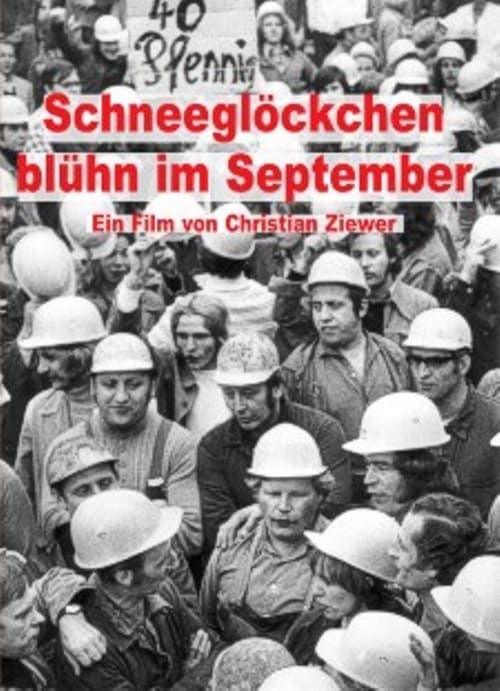
This feature film describes the labor dispute of a piecework crew in a large German industrial company and its workforce against the background of the "September strikes" in Germany.
Snowdrops Bloom in September

A strike for better wages puts machine fitter Dieter Wittowski in financial difficulties. This upsets his plans for the future and brings his wife a step closer to self-realization, as she now accepts a more responsible job against his will. There are also disagreements with his father, whose blacksmith business he describes as a supplier for mass sales.
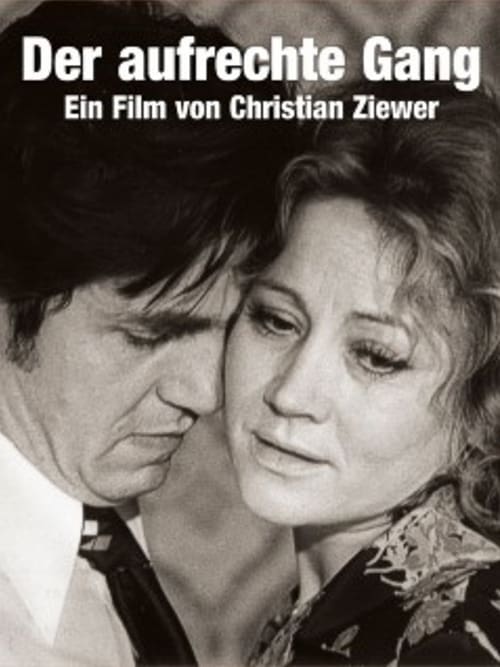
Der aufrechte Gang

Documentary by Helke Sander, in collaboration with Harun Farocki (among others), about the campaign of the West German New Left against the publishing house Springer, particularly its control and manipulation of the news.
Break the Power of the Manipulators

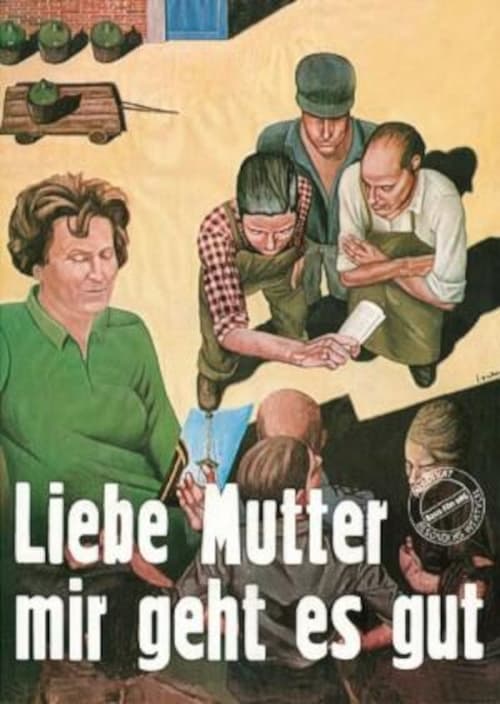
The unemployed machinist Alfred "Scheff" Schefczyk moves from Württemberg to West Berlin full of hope, where he finds a job as a transporter. There, however, he despairs at the seemingly insurmountable dependency structures and the lack of solidarity among his fellow sufferers. The rent in the workers' hostel is raised disproportionately, but nobody wants to mess things up with the landlord or janitor. At work, piecework hours are tightened, but nobody wants to go on strike, and when they do, they are quickly crushed by the management's tactics. When Scheff tries to mobilize against the dismissal of one of the delegates, he finds only one worker willing to sign. "Dear mother, I'm fine," he nevertheless writes on a postcard.
Liebe Mutter, mir geht es gut

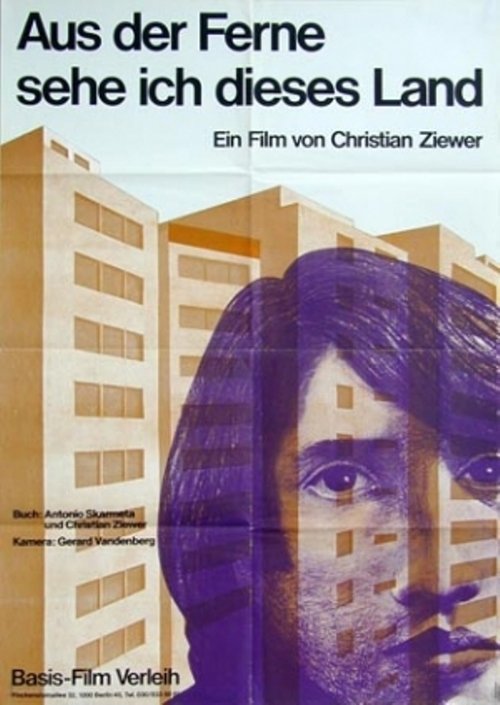
After moving to Germany from Chile with his family, 16-year-old Lucho tries to find his feet in his new home. His interests hardly differ from those of his German schoolmates: Lucho is interested in the latest pop songs and pretty girls.
Aus der Ferne sehe ich dieses Land
In a critique to the Berliner films that depicted labour problems always through masculine lens, Sander changes the point of view. Irene, single mother, works in a washing machine factory and has to deal with discrimination, sexual harassment and lack of solidarity.
A Bonus for Irene
Short film.