Acting
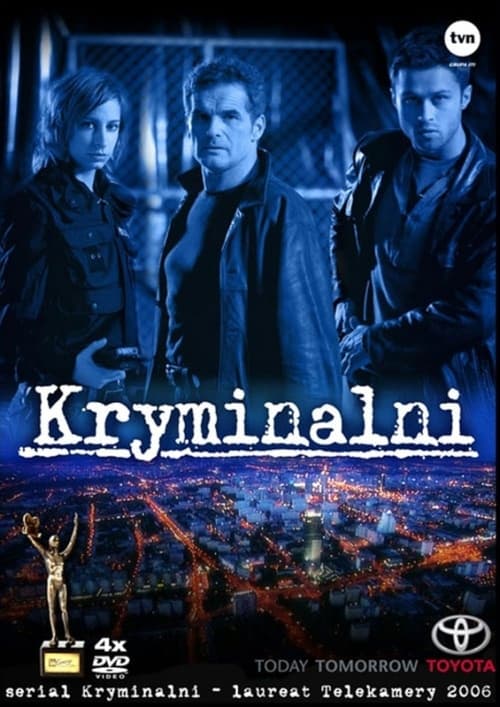
Kryminalni was a Polish crime drama television series that aired on TVN network from September 18, 2004 until May 24, 2008. It ran for 8 seasons and 101 episodes were broadcast in total. It was created by Polish director and screenwriter Piotr Wereśniak and produced by MTL Maxfilm studio. The series followed life and work of police officers from the elite Criminal Terror and Murders Division of the Warsaw Metropolitan Police; the title refers to police officers in the crime section. The three main characters were Adam Zawada, an experienced, tough cup, his younger colleague Marek Brodecki and Barbara Storosz, an ambitious female officer who in the first season joins the team just after graduating. Although none of the main actors had had star status before the series debuted, all three of them rose to prominence and popularity during the 5-year-long run. Many of Poland's best known actors guest starred, usually playing roles of people involved in just one particular investigation. The serial was one of the most popular in Poland: each week it had an audience of 4 million.
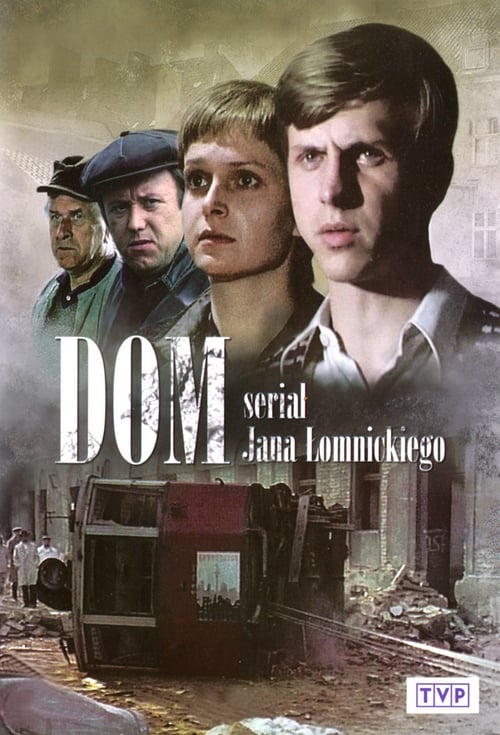
The story of the residents of a tenement house on Złota Street in Warsaw from 1945 to 1980.
A series about the adventures of a Polish secret agent, Hans Kloss, who acts as a double agent in the Abwehr during Second World War in occupied Poland.
An epic, multi-threaded story about the fate of Poles during World War II. "Czas pogardy" was shown primarily from the perspective of two main characters - Lieutenant Władysław Niwiński and Leon Kuraś - a petty crook, but not without heroic traits. The authors of the series sought to show, in particular, everyday life under Nazi occupation in Poland.
Michał Kopera has an accident at work. His relatives visiting him at the hospital are more interested in his account than in his health.
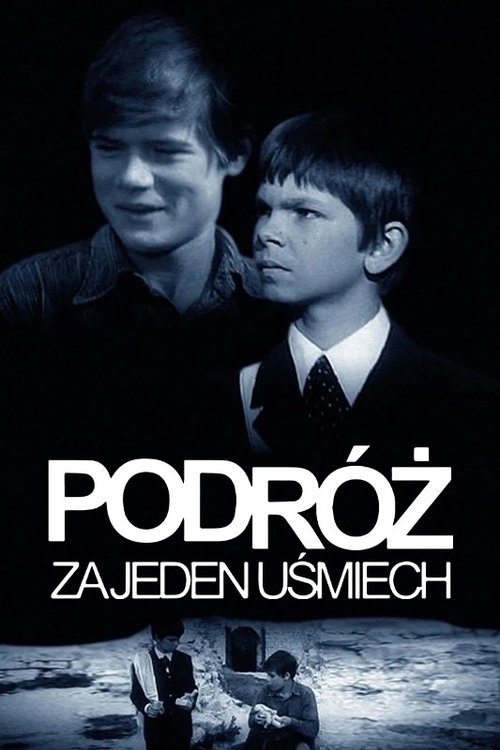
Two boys set out by train from Kraków to the seaside but lose their travel money and decide to continue their journey “for a smile,” hitchhiking and using every transport they can find.
A dramatic story about a young man entangled in complicated matters of war, conspiracy and political struggle. The action of each part of the triptych presents one day from different years. These are fictionalized experiences of an authentic participant of the Polish resistance movement during the Nazi occupation.
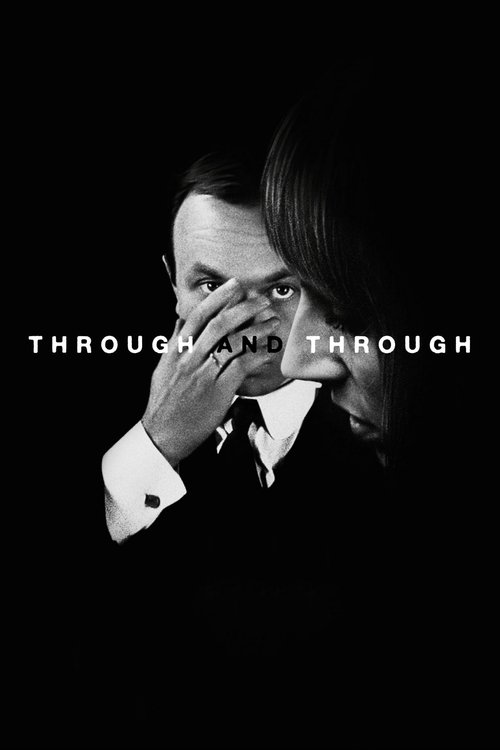
Franek, a petty criminal and gambler, befriends Rysio, who performs inspections of meat plants. Rysio suspects wrongdoings at the slaughterhouse. Franek, despite his age, cannot find a place in life, with nothing achieved and, what's more, still not knowing what to do.
Karol has everything. He has three mistresses in addition to the bride. He is charming, loves sex and enslaves women in the blink of an eye. He's also well aware of that women like and uses it for his benefits.
The screenplay is based on an authentic story of a robbery of a branch of the National Bank of Poland in Wolow. The thing took place in 1962, 12 million zlotys were stolen. For some time the perpetrators remained at large. Soon, however, the police came across their trail and the criminals were soon captured. And then the real bomb went off. It turned out that the thieves were not people listed in the police annals or even in contact with the criminal world. All the robbers had a reputation as "respectable citizens", by no means suffering from a lack of cash.
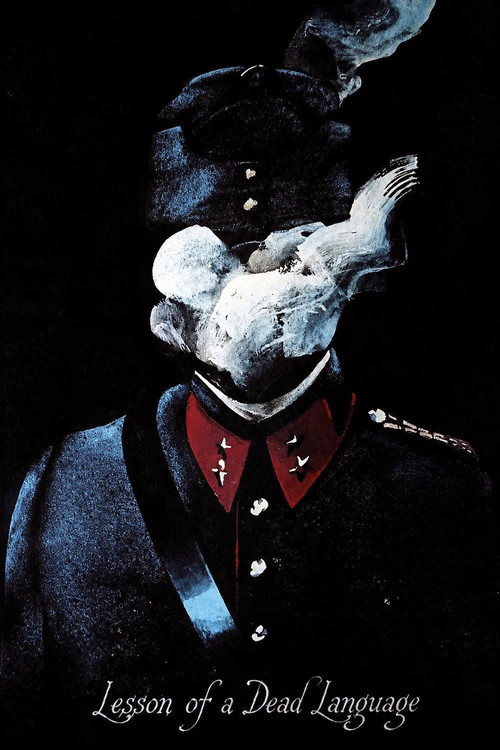
An officer stationed in a remote Ukranian outpost at the end of the First World War is dying of consumption. Suffering from feverish dreams and hallucinations, he begins to collect religious art and attends seances.
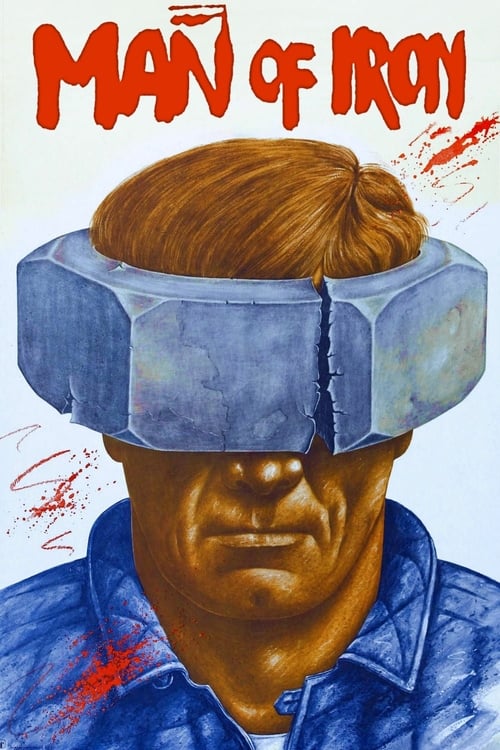
In Warsaw in 1980, the Communist Party sends disgruntled radio reporter Winkel to Gdańsk to dig up dirt on the shipyard strikers - particularly on Maciek Tomczyk, an independent labour union leader whose father was killed in the December 1970 protests. Posing as sympathetic, Winkel interviews the people surrounding Tomczyk, including his detained wife, Agnieszka.
Old Faust, a great scholar makes a pact with Mephistopheles - in exchange for his soul, the devil offers him youth and knowledge of the meaning of existence. Faust becomes a beautiful young man. He meets a young, virtuous girl Margaret - he asks Mephistopheles for help in seducing her.
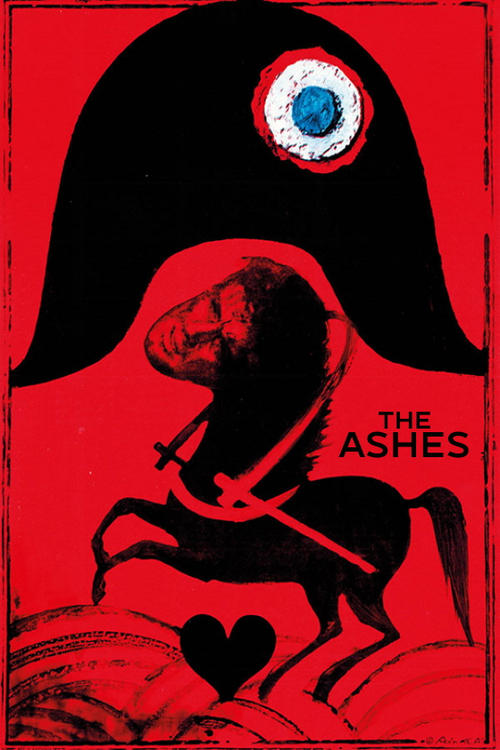
Set in the time of Napoleon wars, shows how the wars swept over the unfortunate Polish country at the beginning of the XIX-th century. Story revolves around the Polish legion under command of General Dabrowski, who then fought on Napoleon's side with the hopes of Poland's revival.
Jan and Maria become a couple in 1930s Kraków. Jan tries to get a job as an architect but fails. They struggle with poverty and extreme humiliation. Their attempt to survive leads to a desperate crime.
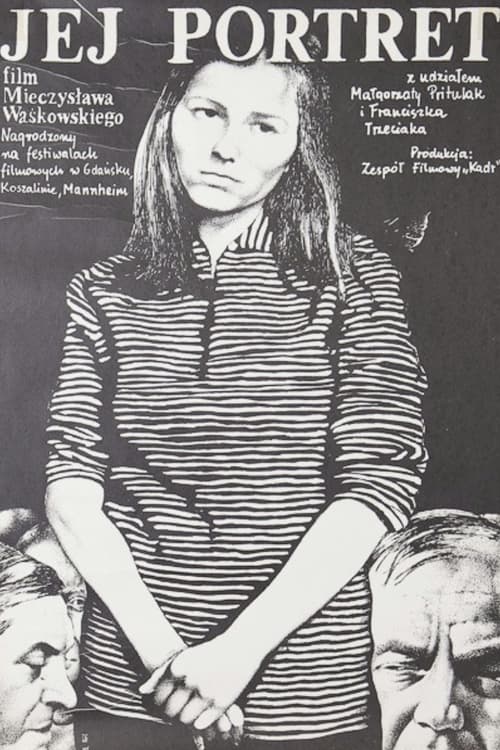
Danka was an unwanted child. From an early age she had to cope on her own. Despite harsh conditions and difficult experiences, she has not lost her dignity, has remained true to her ideals, and has a sense of integrity and honesty. When the opportunity to conditionally shorten her sentence in a correctional institution by getting married hits her, she rejects the tempting offer. She doesn't want to hurt the man she doesn't love, who has shown her a lot of heart. Danka's friend has taken advantage of her conditional release, without hiding what her motives are, by the way.
Bronek Pekosinski lives in Zamosc, Poland. He is probably 83 years old. He has no family and does not really know who he is. Everything about his life is fictitious: symbolic is the date of birth - the day World War II broke out, as well as his surname - after PKOS, an abbreviation of a charitable institution, and the place of birth - the Nazi concentration camp, from where his mother threw him over a barbed wire fence. Even his friends and guardians turned out to be false. Only his loneliness and his hump seem to be authentic. Two great powers have vied for young Bronek's soul: Roman-Catholic church and a totalitarian state. He fell into alcoholism. Partially paralyzed as the effect of cerebral hemorrhage, he is fired with an ambition of acquiring a mastery in a game of chess.
A recovering alcoholic on a pilgrimage meets two young refugees who are trying to find their father. Their struggles during the trip from Poland to France will forever change their lives.
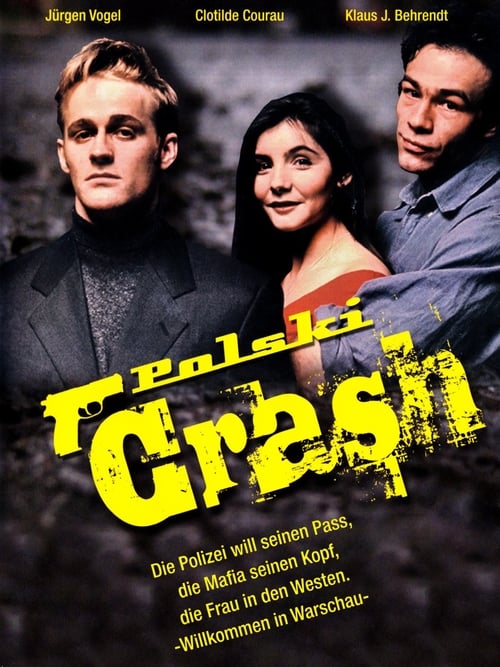
Early 90's. The political and economic landscape of Poland, Russia and Germany is changing. Both good and bad sides of freedom are revealed. The mafia is becoming more and more bold, operating without obstacles across borders. One of the more lucrative "businesses" is the trade in luxury cars, stolen in Germany and transferred to Russia by Russia.
A forty-year-old pregnant woman working scientifically as a biologist conducts unusual experiments in her home laboratory. The plants she grows feel physical pain and fear. One day a falling tree kills a man. The incident repeats itself and people begin to say that trees want to kill. The heroine's husband, driven by resentful ambition, directs all his envy at the object of his wife's research. He prompts the city authorities to cut down all the "decayed trees" in the area in order to guard against future mishaps. The execution triggers a reaction from the forces of nature....