Agnès Jaoui
Acting
Biography
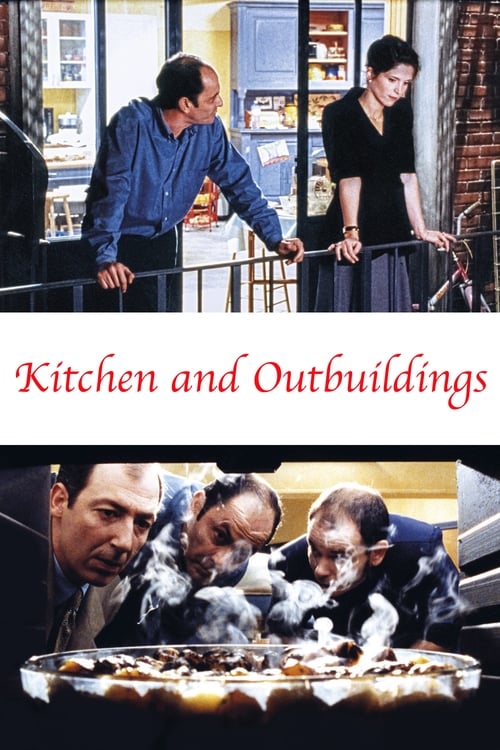
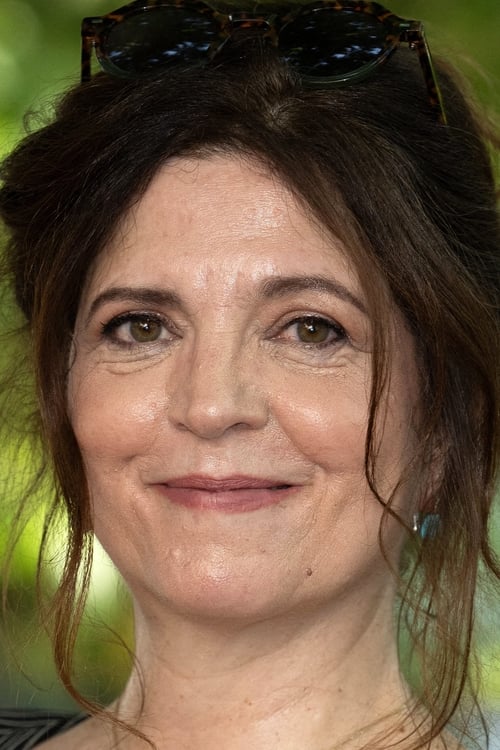
Agnès Jaoui (born 19 October 1964) is a French actress, screenwriter, film director and singer. Jaoui has won six César Awards, three Lumières Awards, and a Best Screenplay Award at the Cannes Film Festival. She has received numerous other awards and nominations, including a nomination for Academy Award for Best Foreign Language Film. Jaoui was born in Antony, Hauts-de-Seine, and is of Tunisian Jewish descent. She is the daughter of Hubert Jaoui and Gyza Jaoui, who are both writers. They moved to Paris when she was 8 years old. She started theatre when she was in high school at the Lycée Henri-IV in Paris. She entered the Cours Florent when she was 15. Patrice Chéreau, director of the Théâtre des Amandiers in Nanterre where she began attending drama classes in 1984, gave her a role in the film Hôtel de France in 1987. That same year, she appeared in Harold Pinter's L'anniversaire with Jean-Pierre Bacri, who later became a faithful colleague and companion. Jaoui and Bacri wrote the play Cuisine et dépendances, which was adapted onscreen in 1992 by Philippe Muyl. In 1993, director Alain Resnais asked them to write an adaptation of Alan Ayckbourn's 8-part play Intimate Exchanges, which became the 2-part film Smoking/No Smoking. This ironic diptych about free will and destiny won the César Award for Best Writing in 1994. In 1996, they came to know greater success with Cédric Klapisch's adaptation of their play Family Resemblances (Un air de famille), which showed their ability to observe and depict everyday life, and to criticize the social norms through bitter and corrosive humor. Once again, they won the César Award for Best Writing in 1997 and the same year collaborated again with Resnais on Same Old Song (On connaît la chanson), which they wrote but also interpreted: together, they won their third César Award for Best Writing, and Jaoui her first César Award for Best Supporting Actress. Jaoui directed her first feature film, The Taste of Others (Le Goût des autres, 2000, written with Bacri), which questions social-cultural identities. The film was a huge success in France and attracted 4 million spectators. It also won 4 César Awards in 2001 including Best Film and Best Writing, and was nominated for the Academy Award for Best Foreign Language Film. In 2004, Jaoui's second film as a director, Look at Me (Comme une image), co-written with Bacri, was selected for the Cannes Festival and won the prize for Best Screenplay. She starred in the last Richard Dembo's film, La maison de Nina (2005) and then focused on music and released her album of Latin songs, Canta (2006). She returned to cinema in 2008 with Let's Talk About the Rain (Parlez-moi de la pluie), with French humorist Jamel Debbouze in a different role from what he was used to. In 2012, Jaoui directed her latest film to date, Under the Rainbow (Au bout du conte), also co-written with Bacri. She revisits several fairy tales such as Cinderella, Snow White, and Little Red Riding Hood. It received acclaim from critics and audiences for originality and humor in the writing and dialogue. ... Source: Article "Agnès Jaoui" from Wikipedia in English, licensed under CC-BY-SA 3.0.

Known For

Quotidien (nicknamed "The French Show with the Good Lighting" abroad) is a French daily infotainment television program broadcast in the early evening on TMC since September 12, 2016. The show is hosted by Yann Barthès and produced by Bangumi. It consists of segments and reports produced by the team of commentators and journalists surrounding Yann Barthès and features daily guests including newsmakers, intellectuals, politicians, and French and international celebrities.
Quotidien

No description available.
Vivement dimanche

No description available.
Victoires de la musique

Télématin is a French breakfast television news show, broadcast on France 2 since January 7, 1985. It is broadcast in Metropolitan France weekdays from 6:30 to 9:00 am CET. TV5 broadcast the show in Canada in its entirety until September 2011: it now shows a 90 minute version between 6:30 and 8:00 am Eastern Time, when the French original version is now 2h30 long. Télématin is hosted by William Leymergie. The show is daily seen by around 40% of the French morning audience, a very high percentage for French TV. In Metropolitan France, the newscasts are presented at 7:00, 7:30 and 8:00, with newsflashes at 6:30 and 8:50, and two press reviews at 7:20 and 8:30. The 6:30, 7:30 and 8:50 newscasts are usually presented by a female reader and the hourly newscasts by a male. The usual readers are Nathanaël de Rinquesen, Sophie Le Saint, Julien Benedetto, Sophie Gastrain, Patrice Romedenne and Frédéric Vion.
Télématin

No description available.
Faut Voir - L'Hebdo cinéma

No description available.
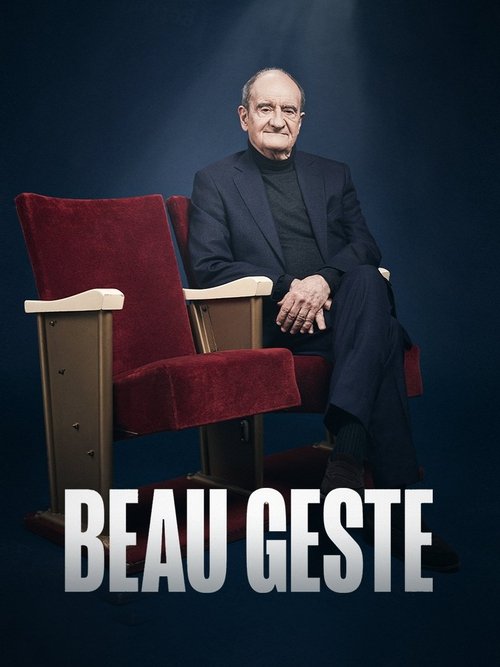
Beau geste

A French humorous game show taking place in a burger restaurant which is managed by the TV host.
Burger Quiz

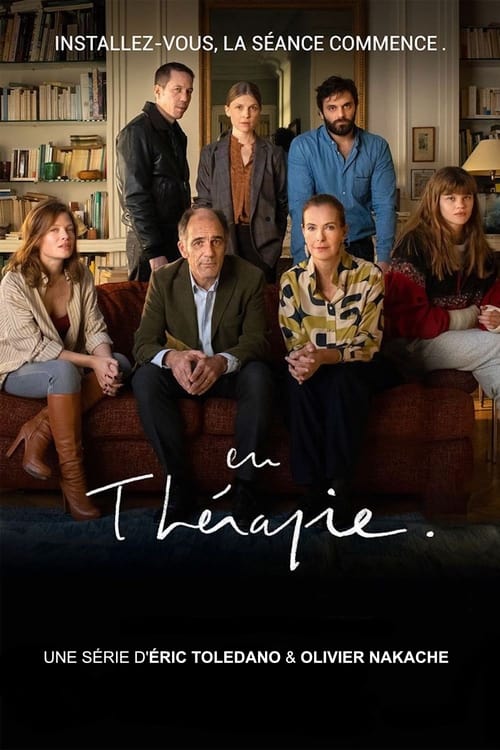
Paris, autumn 2015. In Philippe Dayan's analysis office, a surgeon in disarray in love, a couple in crisis, a suicidal teenager follow one another day after day. On a November evening, killers enter Paris.
In Treatment

Behind the scenes of an ambitious staging of the opera The Marriage of Figaro, an accusation of sexual assault emerges, upsetting the balance of the cast. The film explores the tensions linked to generational conflicts and individual stances, in an artistic context in crisis.
Crescendo

In 1972, Karl Lagerfeld is an unknown 38-year-old designer of ready-to-wear fashion, largely unknown to the public. His encounter with the young Jacques de Bascher, an ambitious and seductive dandy, changes everything.
Becoming Karl Lagerfeld

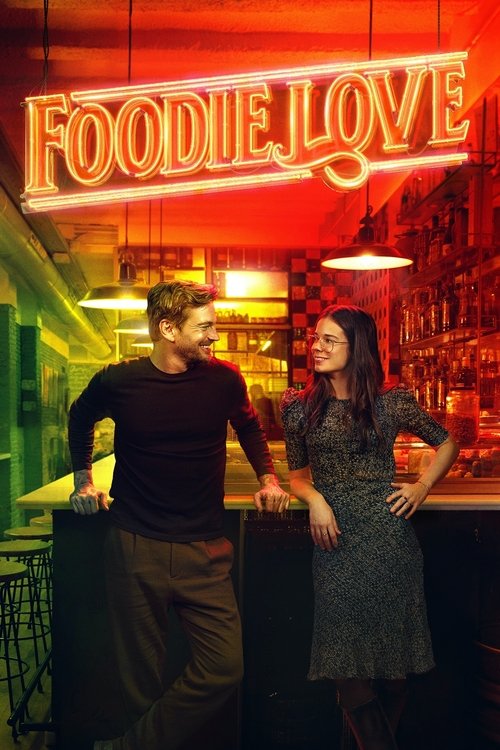
A pair of thirty-somethings meet through a food lover app and embark on a relationship despite past scars. Over the course of several dates, they discover where their tastes overlap and whether their passion for food, and shared distaste for foodie pretension, is enough to spark true love.
Foodie Love

No description available.
Cherchez la femme !

No description available.
Il était une fois dix-neuf acteurs

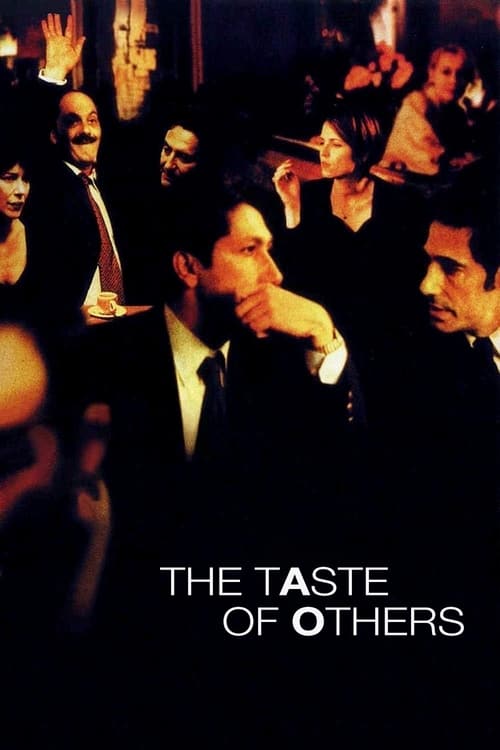
Unpolished and ultra-pragmatic industrialist Jean-Jacques Castella reluctantly attends Racine's tragedy "Berenice" in order to see his niece play a bit part. He is taken with the play's strangely familiar-looking leading lady Clara Devaux. During the course of the show, Castella soon remembers that he once hired and then promptly fired the actress as an English language tutor. He immediately goes out and signs up for language lessons. Thinking that he is nothing but an ill-tempered philistine with bad taste, Clara rejects him until Castella charms her off her feet.
The Taste of Others

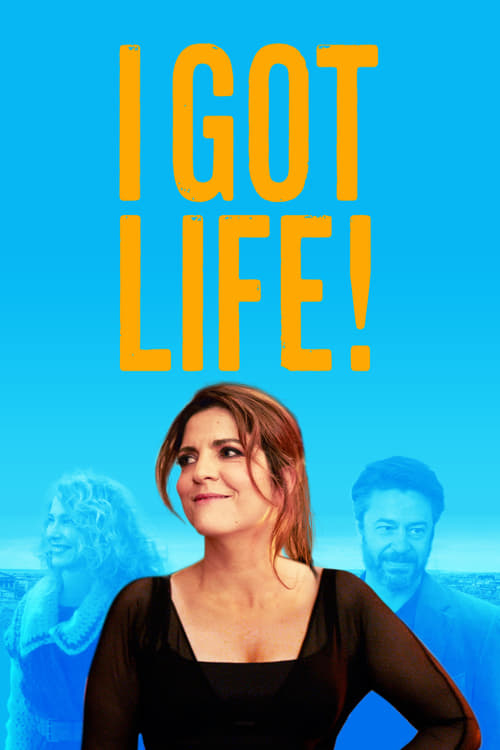
Aurore has separated, just lost her job, and learns that she is going to be a grandmother.
I Got Life!

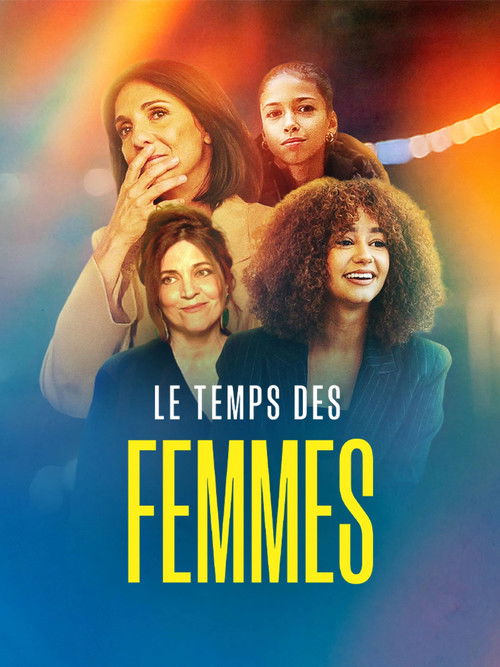
Has the time of women finally come? Have their everyday lives truly changed over the past sixty years? Guided by Agnès Jaoui, women—famous and unknown—share their stories across generations. From childhood to retirement, the documentary traces shared experiences shaped by prejudice, but also by hope, strength, and humor. Blending personal archives, historic moments, and social media footage, the film places women at the center of their own story. Welcome to the Time of Women.
Le temps des femmes ?

No description available.
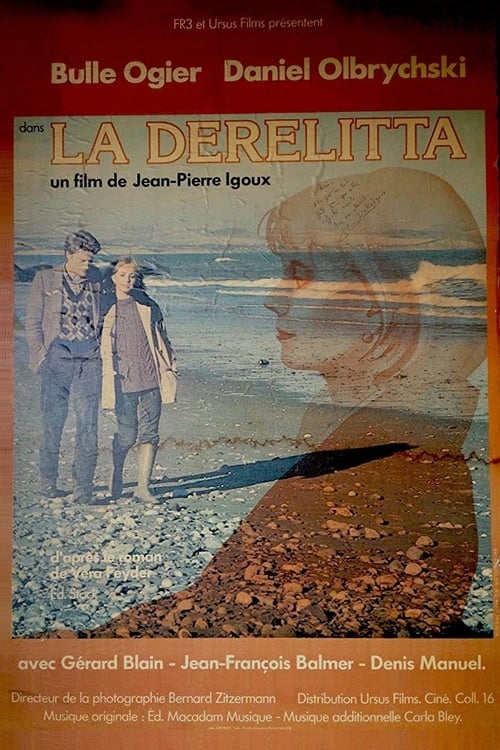
Cinéma 16

Yuku is a young mouse who lives with her family in the cellar of a castle. Her grandmother passes on the family values by telling her timeless folk tales. Injured in a tussle with a cat, the old mouse is bedridden and she tells her children that she will have to leave them to follow the little blind mole into the Earth’s tunnels. In one of her grandmother’s storybooks, Yuku learns that the flower of the Himalayas can bring her eternal light. She leaves on a journey of discovery to find the flower.
Yuku and the Himalayan Flower

Revolves around Castro, who was once a very famous TV host, but as he grows old, his popularity is dwindling.
Place publique

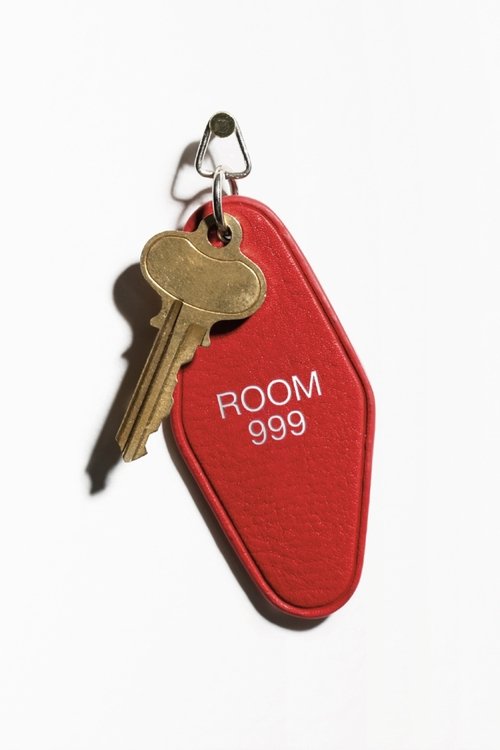
In 1982, Wim Wenders asked 16 of his fellow directors to speak on the future of cinema, resulting in the film Room 666. Now, 40 years later, in Cannes, director Lubna Playoust asks Wim Wenders himself and a new generation of filmmakers (James Gray, Rebecca Zlotowski, Claire Denis, Olivier Assayas, Nadav Lapid, Asghar Farhadi, Alice Rohrwacher and more) the same question: “is cinema a language about to get lost, an art about to die?”