
Assia Piqueras
Directing
Known For
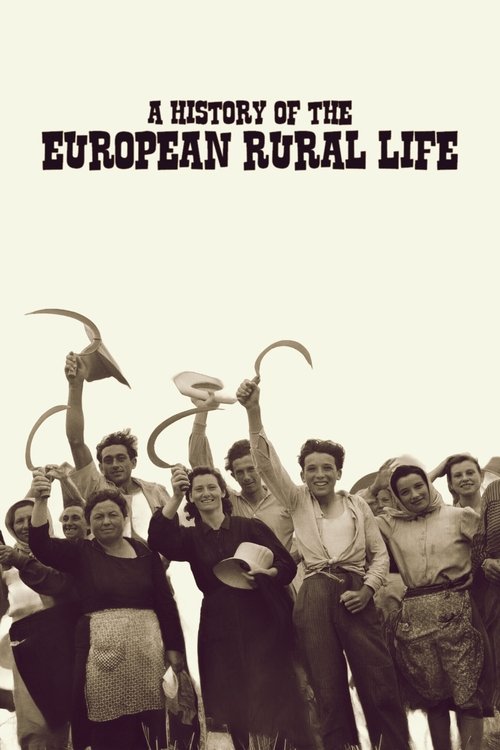
The history of the European peasantry, which has undergone many upheavals over the centuries: from its rise in the Middle Ages after the fall of the Roman Empire, through the oppression of the nobility and the Church, to the struggles for freedom and modernization in the present era.
A History of the European Rural Life
Investigating the legends and corners of a family history.
Lo que creemos es lo que cuenta para nuestra vida

It is a walk to the desert. The walk of a young Guinean boy arrived in France at the end of 2016. His voice, his words have something in common with some of the Scriptures’ verses. They dialogue through the silent body of a woman who grieves a biblical and contemporary loss. On the ground and on the wall, a luminous print of a virtual space: a window crossed by a beam of sunlight. Considered a physical phenomenon as much as a metaphysical concern, this rectangle of light contradicts the properties of a functional lighting, causing a limited and partial coincidence between light and sculpture.
Estran

The director engages in a dialogue with his older brother, once convicted of drug trafficking in French Guiana. Oscillating between the present and past recorded in his diary, the film opens the door to a rapprochement between the two men.
Distant Shores

Three voices, flanking an infinity of bricks. Their ages are different. They shaped themselves throughout a series of interviews led with the inhabitants. "What do you see when you stand at the window?" They gaze toward color, where the road begins – a place of thirst –, in the desert or in the sea. Three times has the road hit that architectural reef, the paradigm of some modernity – once radiant, soon written off – referred to as a housing block.
Récif
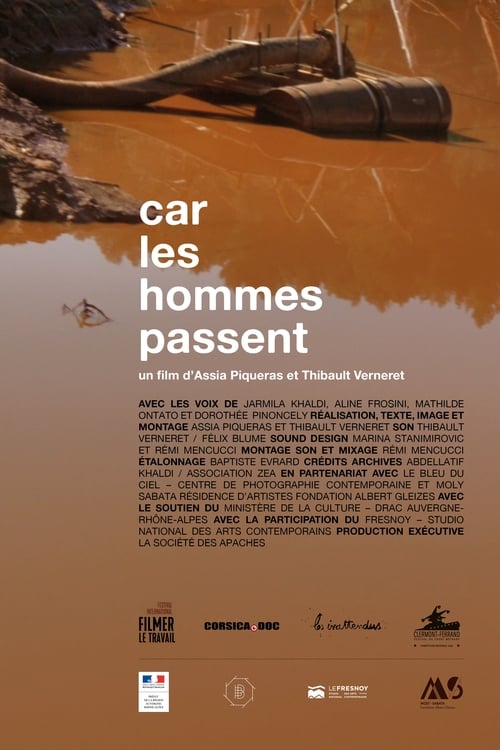
Over the past fifty years, the Mange-Garri chemical plant has drained more than 30 million tons of toxic sludge into the Mediterranean Sea while producing aluminum oxide. The surrounding area has quickly become a major dump, now covered in dark red ooze. The film draws attention to the unstoppable process of human self-destruction through a series of carefully selected shots of the industrial environment and the eyewitness reports of local residents.