Acting
Midi Première is a French variety show presented by Danièle Gilbert, directed by Jacques Pierre and broadcast from January 6, 1975 until January 1, 1982 on TF1. The program was generally broadcast between 12:15 p.m. and 12:55 p.m., then giving way to the 1:00 p.m. TV news. However, the broadcast schedule could change, depending on the guests, and the setting where the recording of the program was shot. Certain performances by artists who have become cult like the one where Ringo jostles with a demonstrator in interpretation (1977), that of Dalida with the title There is always a song with the soundtrack that does not start, twice, at the right speed (1978), Claude François and his Clodettes, who, in the provinces, are unable to join "the set" in order to interpret his song, the latter being taken by the crowd of delirious fans (summer 1977) . The group Supertramp performed there with the title "Dreamer" on March 8, 1975.
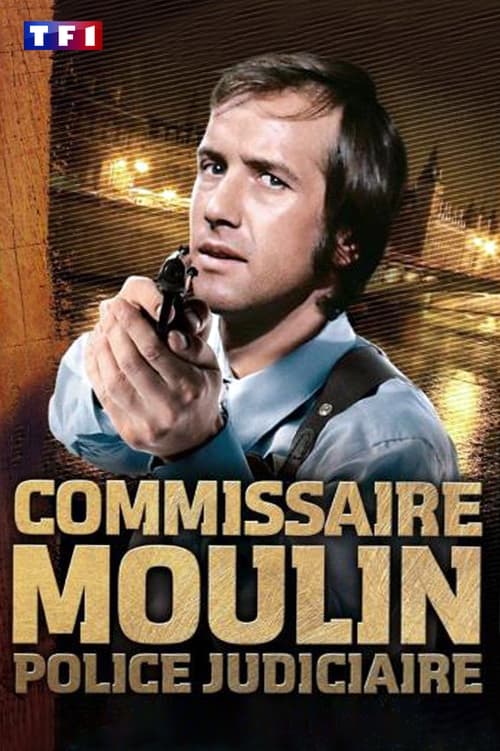
The series follows the adventures of lighthearted Jean-Paul Moulin, a police Commissaire, and his team as they solve crimes.
Schulmeister, l’espion de l’empereur (Schulmeister, the Emperor's Spy) is a French historical adventure television series consisting of 13 episodes (1971–1974), inspired by the real life of Charles Louis Schulmeister, a famous spy in the service of Napoleon I. It alternates between historical facts and fiction, offering a fictionalized portrait of a cunning spy, loyal to Napoleon, and always ready to turn a situation to his advantage.
An educational French TV documentary series which goes into depth during each episode into the analysis of a single painting.
Les Cent Livres des Hommes (ORTF, 1969-1973) was a series of literary programs created by Claude Santelli and Françoise Verny, and produced notably by Santelli, Jean Archimbaud, and Serge Moati. Planned for one hundred episodes but completed at thirty-nine, the series aimed to introduce great literary works, 'chefs-d’œuvre', to a younger audience through a mix of dramatization, reading, and documentary techniques. It marked a transfer of cultural legitimacy from writers and critics to a generation of television producers, offering a new model of educational and creative literary broadcasting - 'télévision d’auteur'.
A self-assured businessman murders his employer, husband of his mistress, which unintentionally provokes an ill-fated chain of events.
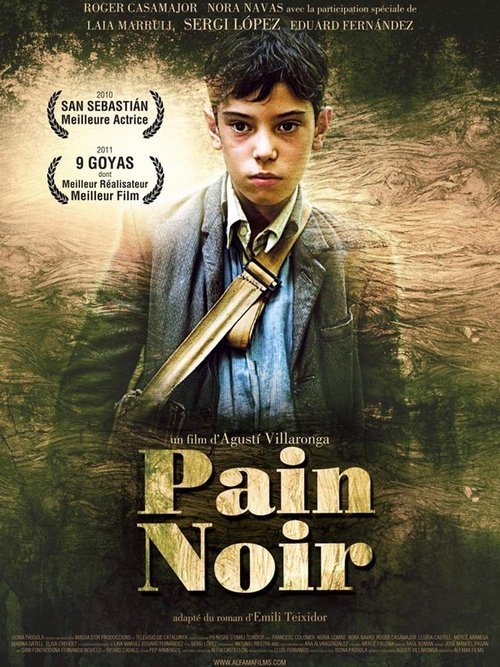
This film explores the experiences of some of the members of an anti-Nazi resistance group in France composed mostly of Polish immigrants, known as "La Brigade." Many of them also fought for the leftist cause during the Spanish Civil War, and for them the resistance is simply a continuation of their prior activities. After the war, some of them continue to have a "resistance" mind-set. One of the stories concerns a love relationship between a Polish boy and a French girl who are thrown together because of their war efforts. After the war, they get together and reminisce.
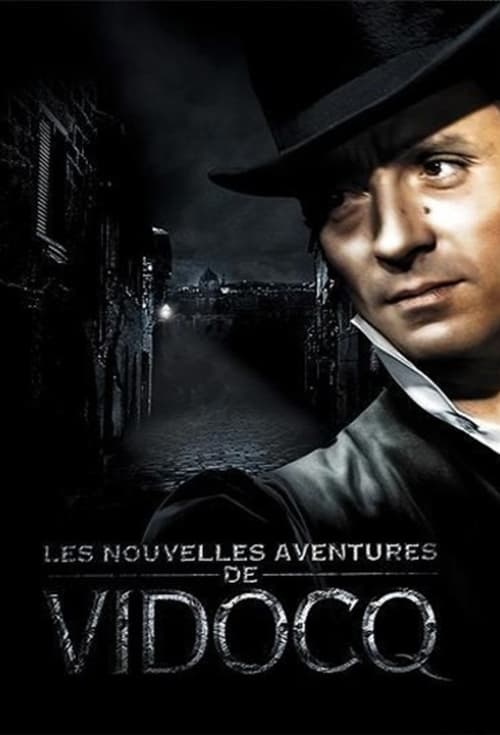
Based on the memoirs of Eugène-François Vidocq, this series follows the adventures of this former convict turned policeman in the early 19th century. In these new adventures, Vidocq comes up against a ravishing “baronne”, a formidable gang leader. The cases entrusted to Vidocq are not only police affairs, but also delicate, political and even diplomatic affairs.
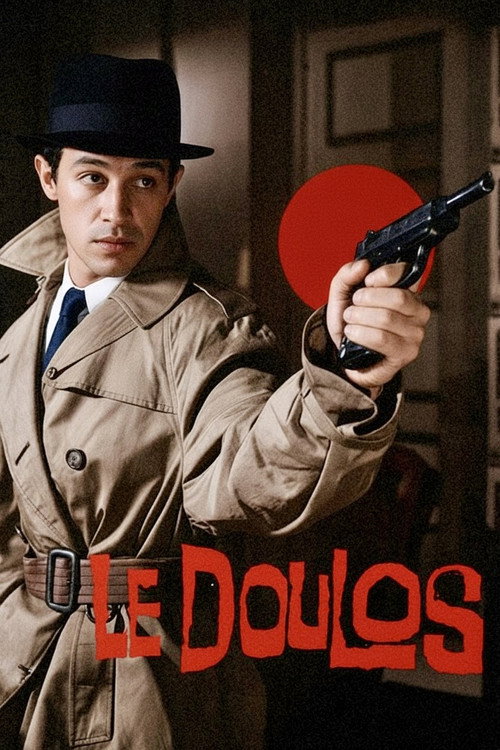
Enigmatic gangster Silien may or may not be responsible for informing on Faugel, who was just released from prison and is already involved in what should be a simple heist. By the end of this brutal, twisting, and multilayered policier, who will be left to trust?
An industrialist is falsely accused of murdering one of his creditors and, because he cannot reveal that it was his mistress who gave him the money needed to pay the debt, he is sentenced to life in prison. He escapes, makes a fortune, and, years later, discovers the real culprit.
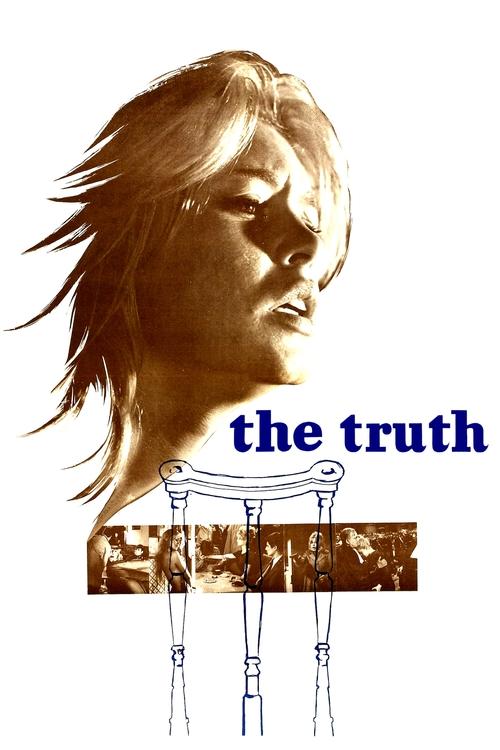
As Dominique Marceau is being tried for the murder of Gilbert Tellier, accounts by different witnesses paint a picture of the kind of relationship the two used to share.
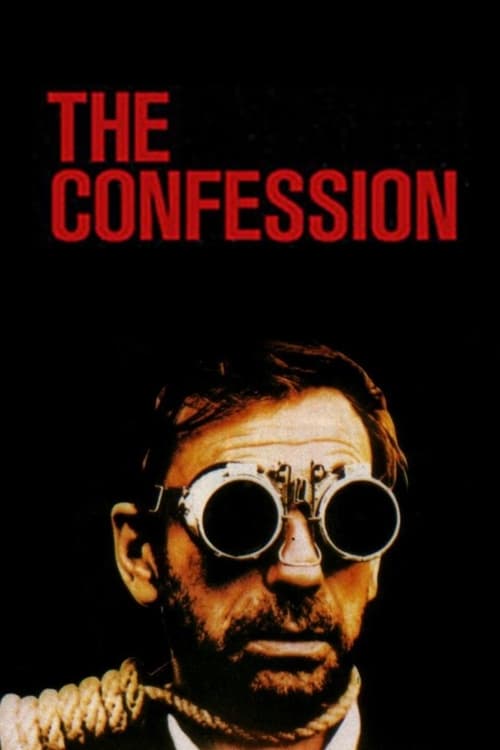
In 1950s communist Czechoslovakia, a government minister, a war veteran long a loyal party man, leads a relatively comfortable life with his wife. However, he soon finds himself under surveillance, then under arrest. Unclear what his offense is, agents for the totalitarian regime interrogate and torture him, aiming to use their unending power to gain a false confession for these supposed crimes against the state.
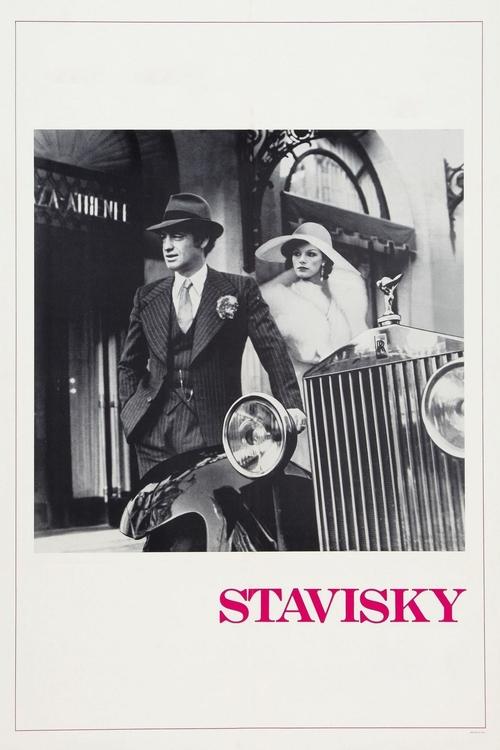
Biarritz, 1933. Charm and talent assist small-time swindler Serge Alexandre, alias Stavisky, to bribe his way into the centre of French politics. But when his great scam involving millions is exposed, he brings the government to the verge of collapse and the country to the brink of civil war.
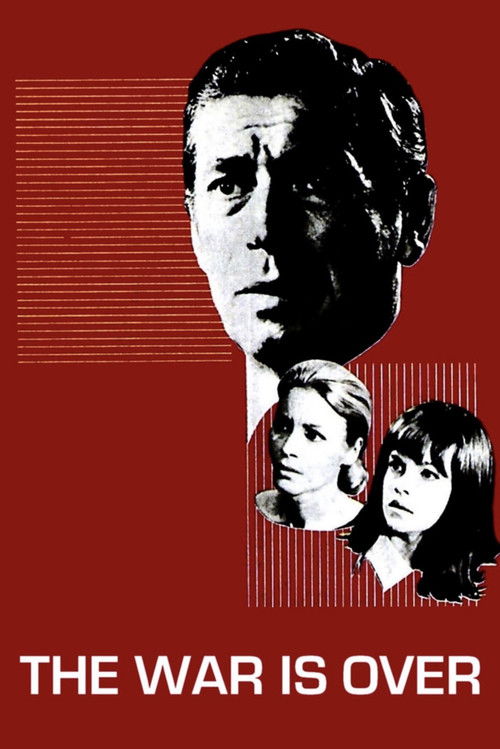
On his way from Madrid to Paris, Diego, a chief of the Spanish Communist Party, is arrested at the border for an ID check but manages to flee. When he arrives in Paris, he searches for one of his comrades to prevent him from going to Madrid where he could be arrested.
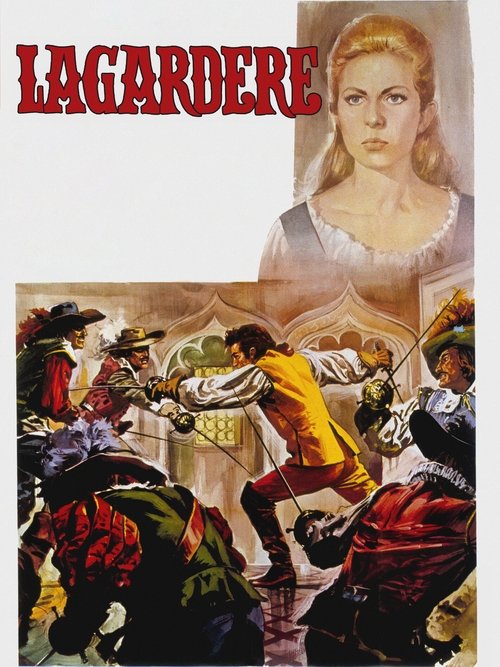
Lagardère is a French miniseries consisting of six 50-minute episodes, created by Marcel Jullian based on Paul Féval's novel Le Bossu (the eighth film adaptation outside of theater, out of 10 known adaptations), and some of the sequels imagined by Paul Féval Jr.1, directed by Jean-Pierre Decourt, and broadcast from September 20 to October 25, 1967, on the first channel of ORTF.
No description available.
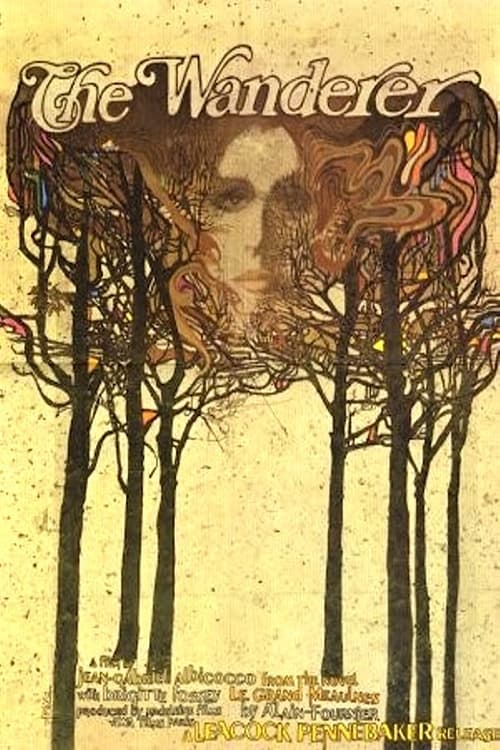
Rural France, the 1890s. Always in motion, Augustin wanders three times. First, as a youth, while a boarder near Bourges, he's lost in the woods and finds a chateau where an engagement party's in progress: there he falls eternally in love with Yvonne and she with him. Back at school, he hears she is in Paris, so he follows in a vain search and meets a woman, jilted by her lover. In the countryside a few year's later, Augustin's friend François finds Yvonne and brings Augustin to her. They marry, but the next day, Augustin leaves to fulfill a youthful promise he made to Yvonne's brother. François comforts the pregnant Yvonne as they await Augustin's return.
When Grover's Corner, a small, uneventful American town, becomes a mirror to an entire society. This Pulitzer Prize-winning classic of American theater, adapted here for television, portrays the Gibbs and Webb families, captured in the immutability of their daily lives in the 20th century.
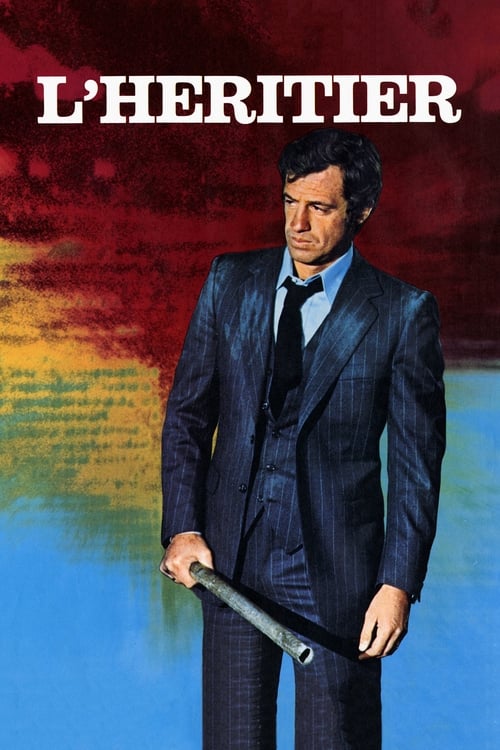
After his father is killed in a plane crash, Bart Cordell returns back home to France to claim his inheritance: to lead the industrial empire his father built. But when a prostitute tries to set him up for a drug smuggling charge, he is forced to accept that his father may have been assassinated and that the killers are out to get him as well...