John Dillinger
Acting
Biography
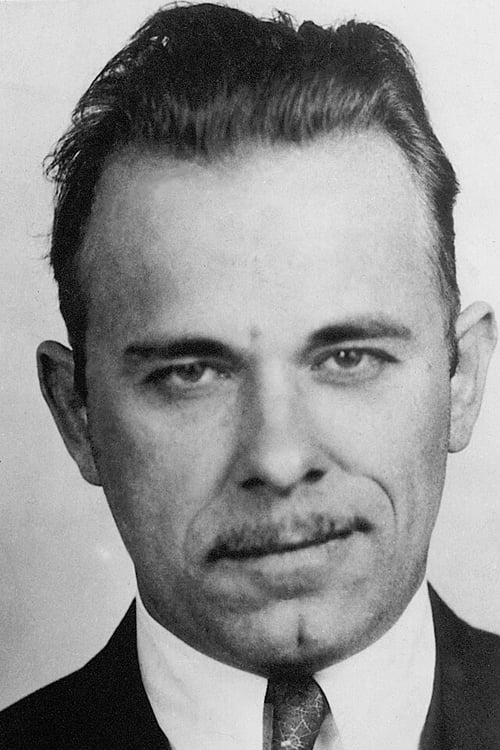
John Herbert Dillinger (/ˈdɪlɪndʒər/; June 22, 1903 – July 22, 1934) was an American gangster during the Great Depression. He commanded the Dillinger Gang, which was accused of robbing twenty-four banks and four police stations. Dillinger was imprisoned several times and escaped twice. He was charged with but not convicted of the murder of an East Chicago, Indiana, police officer, who shot Dillinger in his bullet-proof vest during a shootout; it was the only time Dillinger was charged with homicide. Dillinger courted publicity. The media printed exaggerated accounts of his bravado and colorful personality and described him as a Robin Hood-type figure. In response, J. Edgar Hoover, director of the Bureau of Investigation (BOI), used Dillinger as justification to evolve the BOI into the Federal Bureau of Investigation (FBI), developing more sophisticated investigative techniques as weapons against organized crime. After evading police in four states for almost a year, Dillinger was wounded in a gunfight and went to his father's home to recover. He returned to Chicago in July 1934 and sought refuge in a brothel owned by Ana Cumpănaș, who later informed authorities of his whereabouts. On July 22, 1934, local and federal law enforcement officers closed in on the Biograph Theater. When BOI agents moved to arrest Dillinger as he exited the theater, he attempted to flee, but was fatally shot; the lethal use of force by the agents would eventually be ruled justifiable homicide.