Acting
No description available.
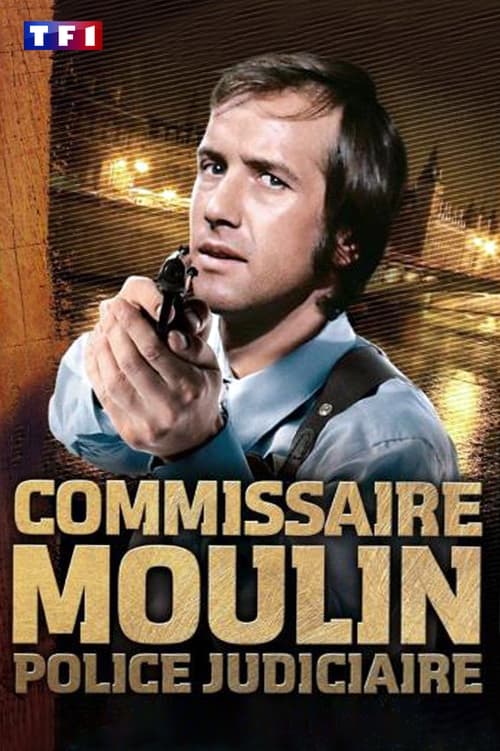
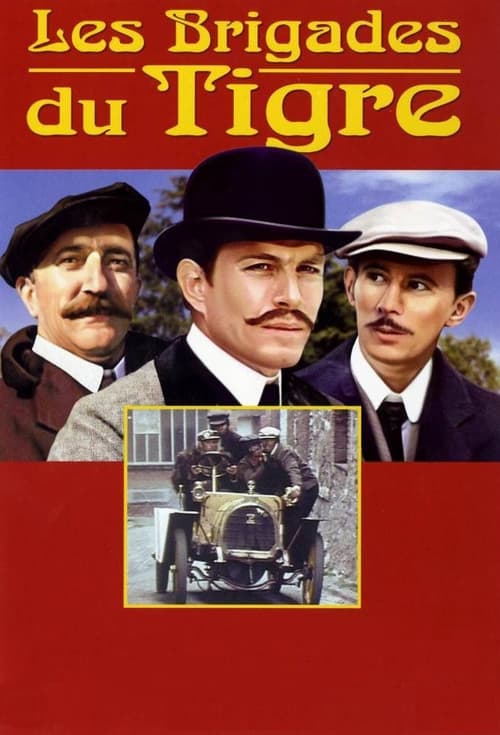
The series follows the adventures of lighthearted Jean-Paul Moulin, a police Commissaire, and his team as they solve crimes.
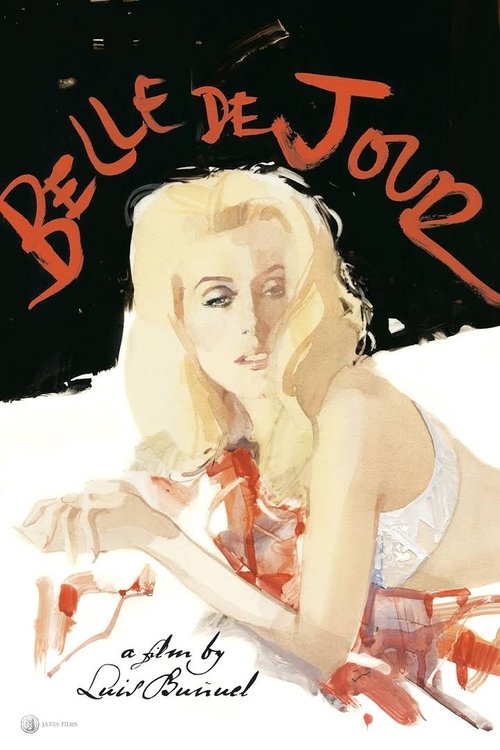
Beautiful young housewife Séverine Serizy cannot reconcile her masochistic fantasies with her everyday life alongside dutiful husband Pierre. When her lovestruck friend Henri mentions a secretive high-class brothel run by Madame Anais, Séverine begins to work there during the day under the name Belle de Jour. But when one of her clients grows possessive, she must try to go back to her normal life.
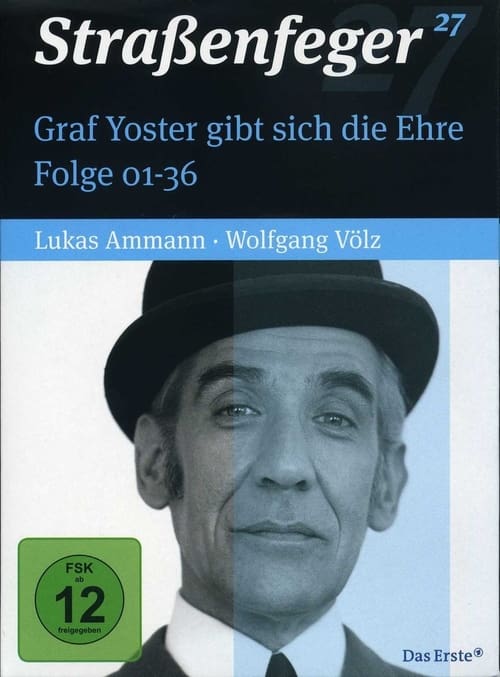
Graf Yoster gibt sich die Ehre [French title: Le comte Yoster a bien l'honneur] is a TV series which followed the adventures of the title’s amateur gentleman detective. It was a success in particular in Germany and in France. Originally the show was a German production in black-and-white but it evolved into a European co-production in colour.
Angelique is saved by the king of the cutthroats when she is endangered in the streets of Paris. After her hero is killed, she has many amorous affairs and becomes a successful businesswoman.
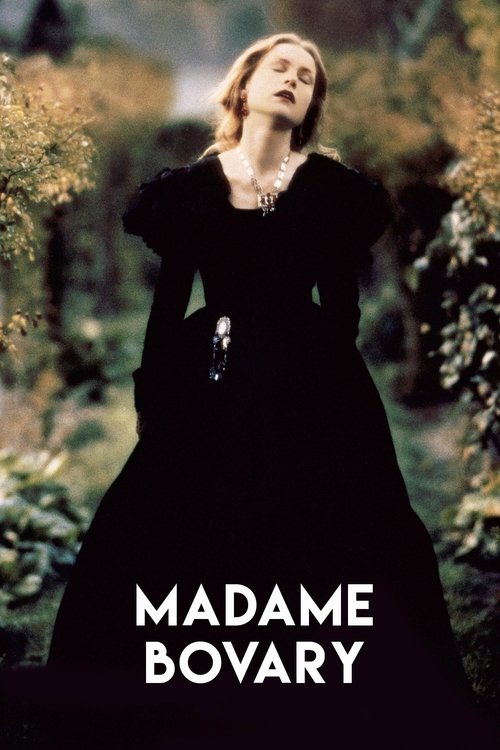
In 19th-century France, doctor's wife Emma Bovary seeks to escape her dull provincial life through various extramarital affairs and extravagant spending, leading to tragic consequences.
In Luis Buñuel’s deliciously satiric masterpiece, an upper-class sextet sits down to dinner but never eats, their attempts continually thwarted by a vaudevillian mixture of events both actual and imagined.
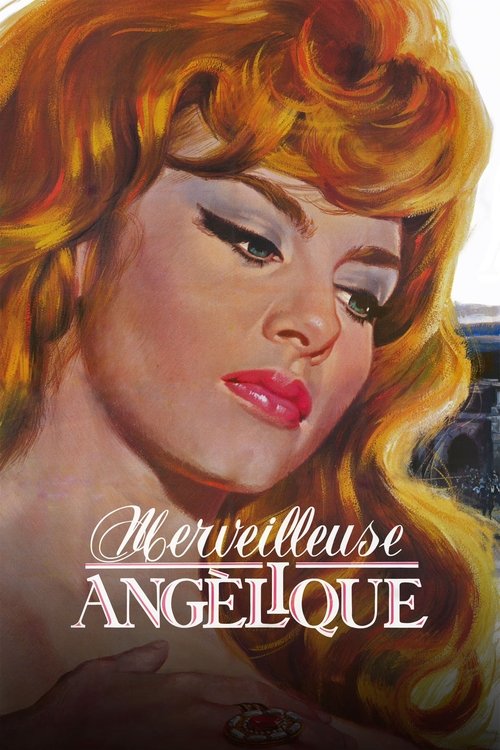
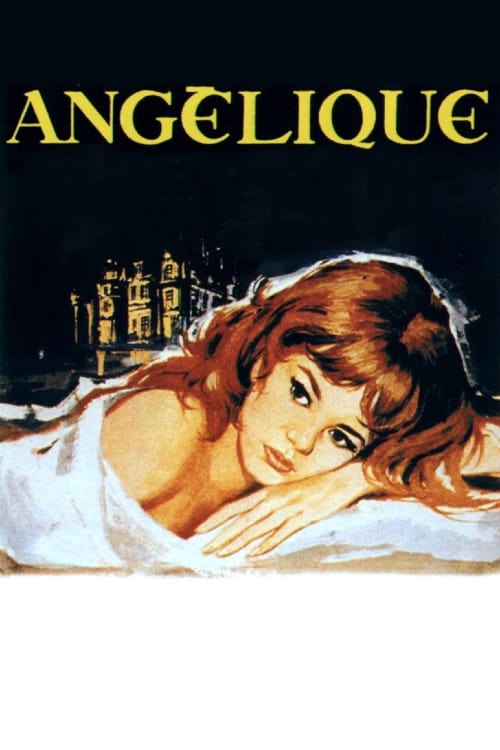
In 17th-century France, beautiful country maiden Angélique marries wealthy neighbor Jeoffray de Peyrac out of convenience, but eventually, she falls in love with him. So when Jeoffray is arrested and then vanishes, she bravely sets out to find him. This is the first of many dramas based on Anne and Serge Golon's novels about strong-willed Angélique and her adventures during the reign of Louis XIV, the Sun King.
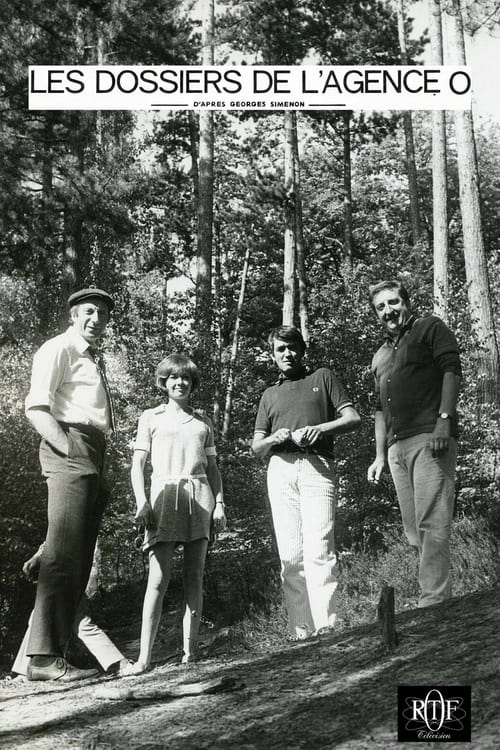
L’Agence O is a famous Parisian private detective firm. Its premises are located in the Passage Choiseul. In front, Torrence leads the shop. In fact, the agency's team is complemented by Émilie le Roux, Mademoiselle Berthe and Barbet, who scrutinize clients through a one-way mirror located behind the desk. Getting hold of a man disguised as an old lady, solving the mystery of the Prisoner of Lagny or discovering who is blackmailing the painter Tigrane Alban does not worry the experts at the O Agency. Les Dossiers de l’Agence O is a French-Canadian television series in thirteen episodes of approximately 55 minutes created by Marc Simenon and broadcast first in Quebec from December 14, 1967 to March 13, 1968 on Télévision de Radio-Canada, then in France from March 11 to June 3, 1968 on the first channel of the ORTF.
Three generations of a wealthy Bordeaux family are caught in the crossfire when Anne decides to run for mayor, thanks to a political pamphlet that revives an old murder scandal.
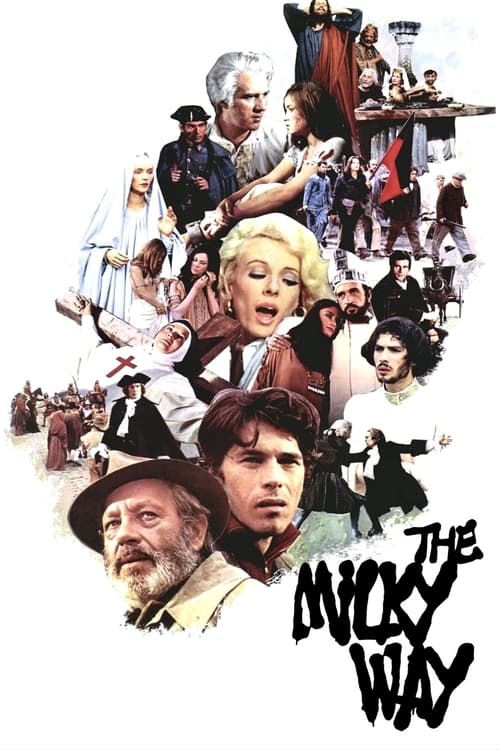
Two men, part tramp, part pilgrim, are on their way from France to Santiago de Compostela in Spain. On their way, they meet a vast assortment of characters—some truculent, some violent, and some bizarre; they experience many adventures—some mysterious, some erotic, some even supernatural.
Michel Jussieu, a film producer, returns one morning to the cabaret where he forgot his sweater. He discovers the corpse of an extreme right-wing journalist, but immediately he is knocked out. He wakes up in the police station ...
TV Show Details
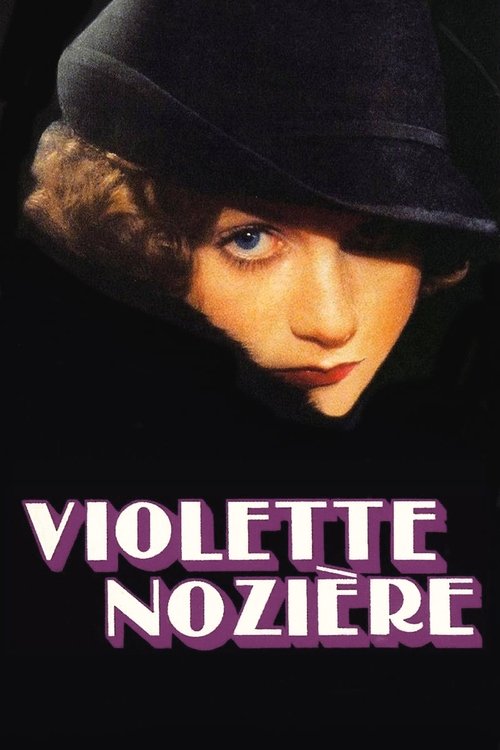
Paris, 1933. The daughter of a respectable lower middle class couple, Violette Nozière, leads a disreputable double life. Far from being the innocent 18-year-old her parents mistake her for, she spends her nights with dissolute young men in the less salubrious areas of the city.
A young woman joins a theatrical troupe where she slowly believes that the director is involved with a secret group and that he is in grave danger.
France, World War II. In order to somehow make ends meet, the mother of two children, Marie Latour, does underground abortions and rents a room to a familiar prostitute. She doesn't pay any attention to her husband, who returned from the war because of his injury, and lives her own life. Abortions gradually begin to bring a good income, and boredom can be easily dispelled by starting up with a young lover.
This Surrealist film, with a title referencing the Communist Manifesto, strings together short incidents based on the life of director Luis Buñuel. Presented as chance encounters, these loosely related, intersecting situations, all without a consistent protagonist, reach from the 19th century to the 1970s. Touching briefly on subjects such as execution, pedophilia, incest, and sex, the film features an array of characters, including a sick father and incompetent police officers.