Acting
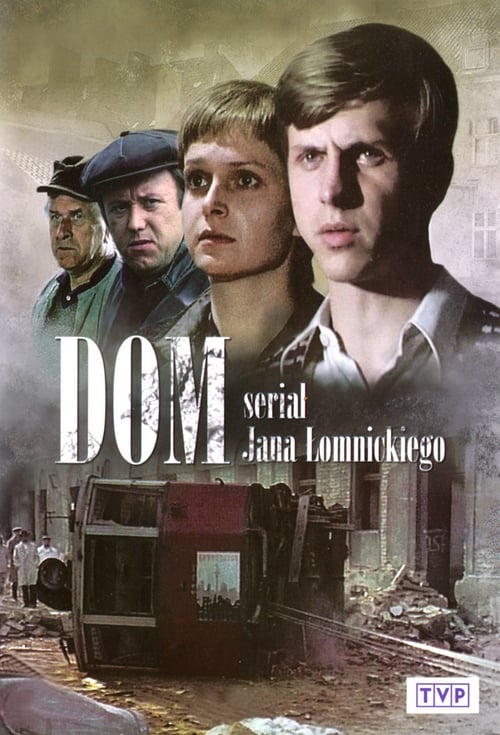
The story of the residents of a tenement house on Złota Street in Warsaw from 1945 to 1980.
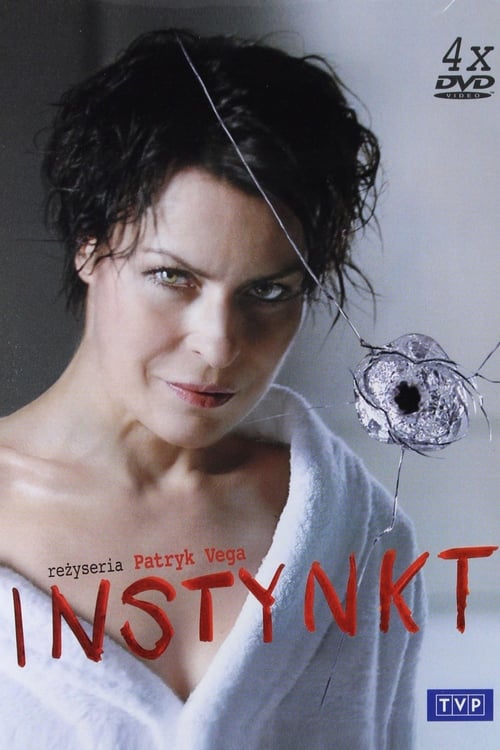
An enigmatic commissioner joins the Warsaw Police, where her unconventional investigation methods unsettle the officers in the homicide department.
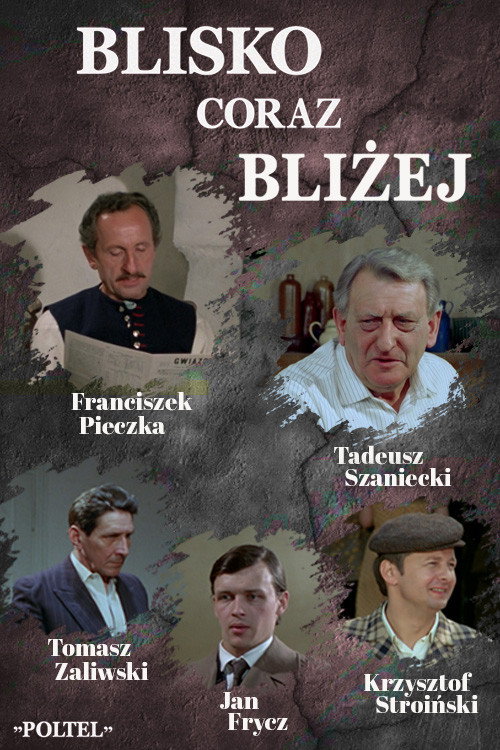
The story stretches from 1863 to 1945. Its main characters are representatives of the Pasternik family, who live in the fictional village of Wielowice near Pszczyna. The protagonist of the first three episodes is Franciszek Pasternik, the following parts tell about the fate of his many children and even more grandchildren. The viewer follows their history against the backdrop of great changes and historical events that influenced the lives of Silesian Poles. So there is the Kulturkampf, Prussian rugi, the revolution of 1905, World War I and the Silesian Uprisings.
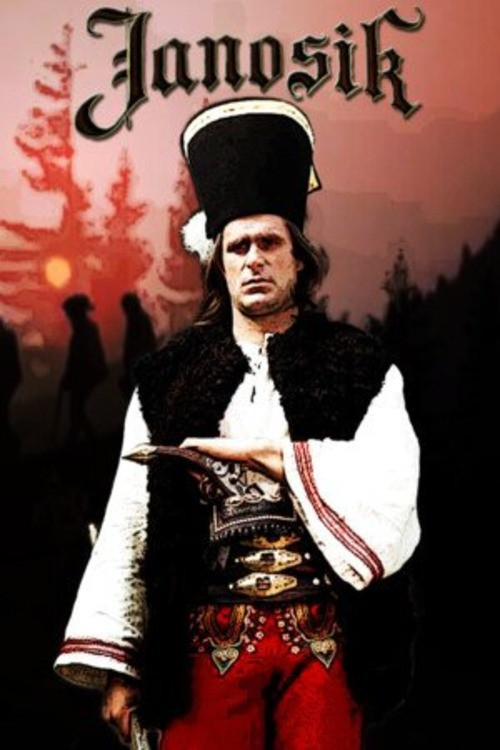
Janosik was a television series that aired in Poland in 1974. It is about a famous Polish highlander outlaw who in folk legends steals money and goods from the rich and helps out the poor. The series was directed by Jerzy Passendorfer. There are 13 1-hour episodes.
A story of a young woman arrested by police on the day of her wedding for embezzlement, and promptly sentenced to life. She is already pregnant and has her baby in prison. Immediately after birth they are separated and only later Klara finds out that the child had a spine injury in an orphanage. After the years her sentence is shortened and she is released from prison on parole after 12 years.
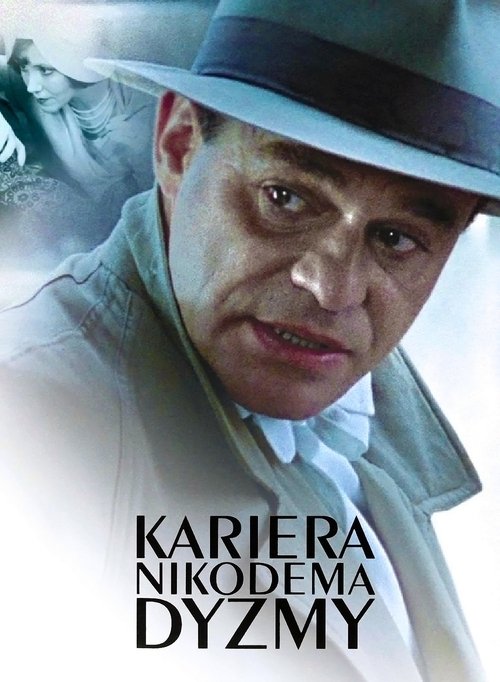
Nikodem Dyzma immigrates from the eastern part of Poland to the capital in the hope for possibilities to make a living. He is in need, very poor and forced to look for basic food and shelter. Yet, on a day when an unexpected invitation appears, his life changes dramatically.
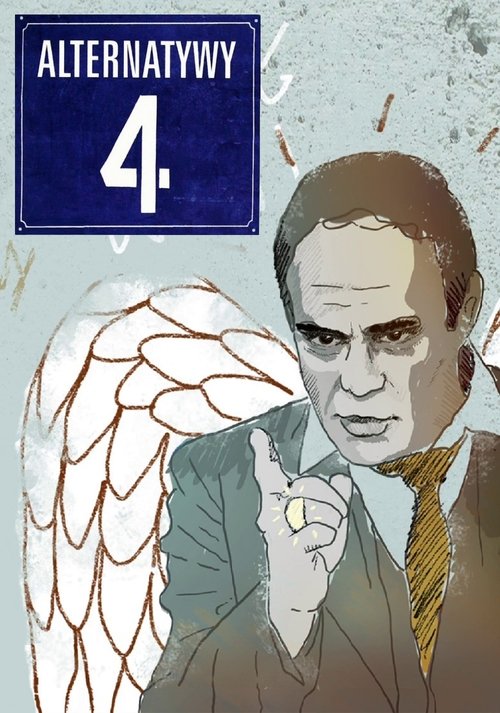
4 Alternative Street was a Polish comedy TV show that was finished in 1983 and aired in 1986 due to censorship. Many famous Polish actors appeared in the series. The filming location used in the mini series was a residential complex which is still in existence at 3 Grzegorzewska Street in Warsaw, Poland. The series was a satire to the communist rule in Poland, spoken in a way that it passed through communist censorship office.
No description available.
Michał Kopera has an accident at work. His relatives visiting him at the hospital are more interested in his account than in his health.
It is a bitter story about a middle-aged man, who hates his life and other people, including himself. Adam Miauczynski, the character known from director Marek Koterski's previous films, is a 49 year-old teacher, who reads poetry during school lessons and later goes home swearing and calling his neighbours' names. The worst pain for him is the next 5 minutes of living. He doesn't accept himself and even everyday contacts with others cause his aggression. Though constantly dreaming of a romantic love, he is not bold enough to make his dreams come true. The desperate Miauczynski personalizes our own fears and obsessions, which have become so visible recently.
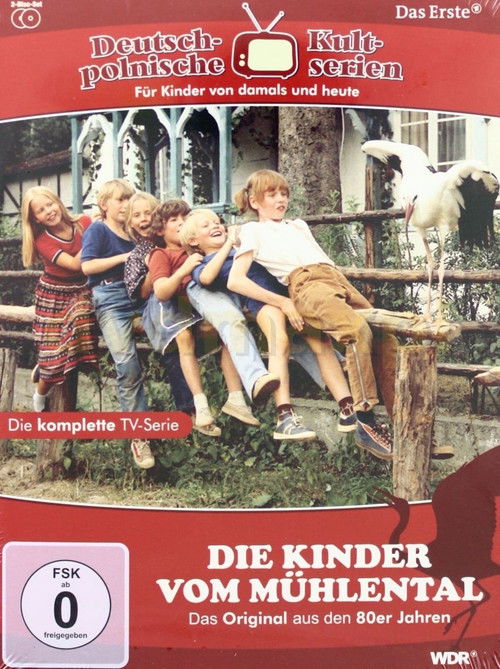
A cheerful series about the adventures of a group of children living in the countryside, produced in a Polish-West German co-production (the pictures were taken in picturesque locations in Dąbrowa nad Czarna, as well as in sand caves near Sulejów). The biggest attraction of the area is the historic water mill, which becomes a great place for fun for an amused crowd. As is usually the case in the countryside, its equal inhabitants are - next to people - animals. No wonder the little heroes become friends with them. And so days go by together. Almost each of them brings a new, amazing and unexpected adventure. The child’s imagination makes even ordinary events take on the flavor of fairy tales and mystery.
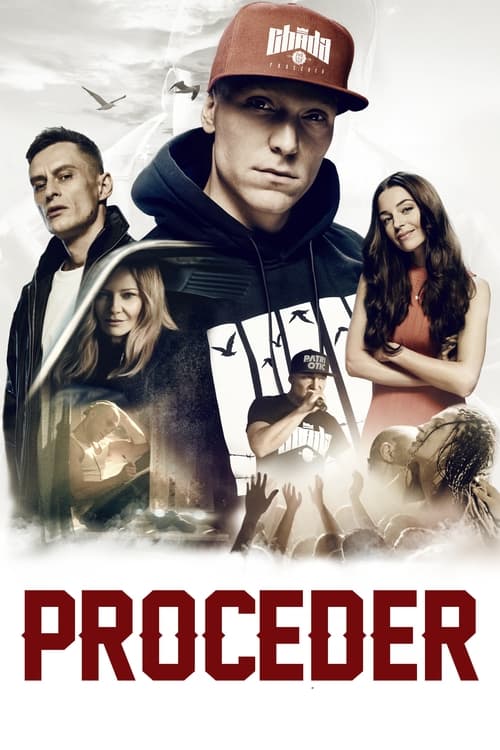
The true story of rapper Tomasz Chada, a block‐born poet whose raw, brutally honest lyrics mirror his talent for falling into serious trouble. His life, defined by music as both passion and refuge, ends in unexplained circumstances, shocking his fans and the girlfriend he loved.
Tired of just scraping by, an ambitious janitor scams and schemes his way to the good life in 1980s Poland amid changing regimes and personal chaos.
There has been a secret relationship between the nephew of the ordinate - Jan, and his older cousin Xymena. However, Jan falls in love with the foster daughter of the ordinate, the young Krystyna. The ordinate does not consent to marriage, because Krystyna is his illegitimate daughter, and thus Jan's cousin. But it turns out that Jan is not the son of the general's brother ...
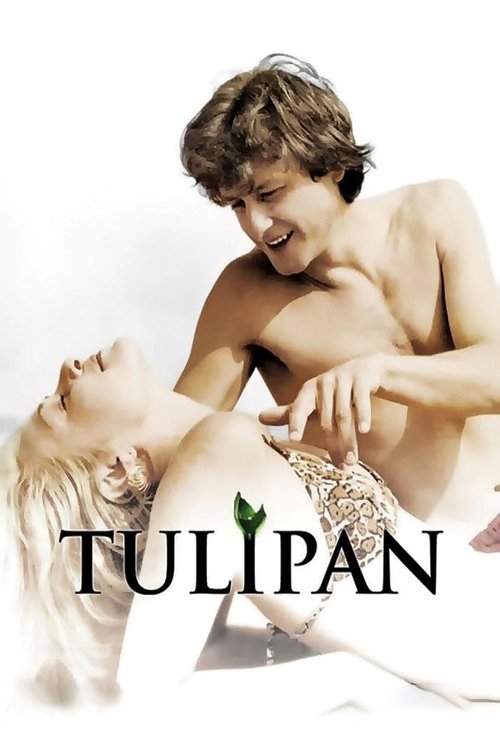
Prior to her wedding a nineteen years old Anna can't stop wondering whether she made the right choice? So she decides to seek the advice of a well-known sexologist...
With the Nazi occupation of Poland, several children in a village there become very unhappy and then get in deep trouble for a drawing of the Nazi Führer hanged from a tree.
Jacenty is nearing the end of his days. However, he wants to go on his own terms, bargaining until the very end.
Berlin, 1990. At the invitation of his actor friends, who have already lived abroad for many years, Max, a Polish theater director, comes to Berlin. They begin to work together. They try to realize their dream: to stage a play, the staging of which was prevented by the imposition of martial law ten years earlier. The way they raise funds (selling pieces of the "historic" wall) and struggle against the heartless machinery of bureaucracy forms the axis of the film. In their efforts, the four protagonists are assisted by Regina, a translator familiar with local customs and practices. The film deals with the problems of artists in the new, commercializing reality.
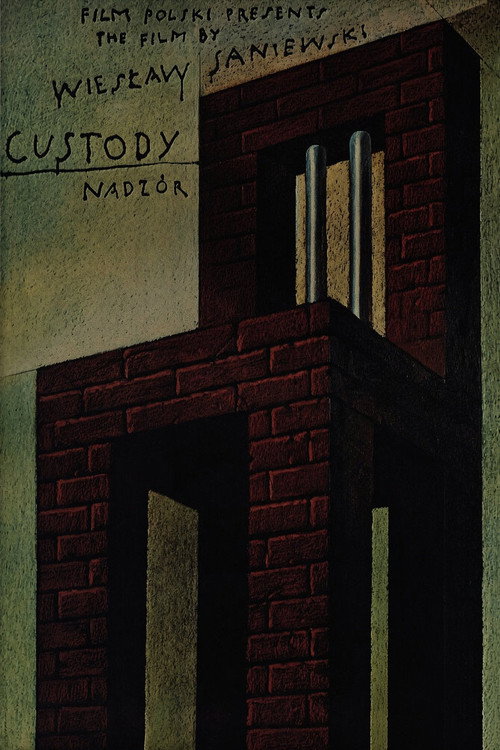
The story of a sold football match and a conflict between a father - a football referee and his son.
A young hospital worker meets a patient awaiting abortion procedure. Their childhood stripped away from them too early, the two form a bond which might help them survive.