Georg Krugers
Directing
Biography
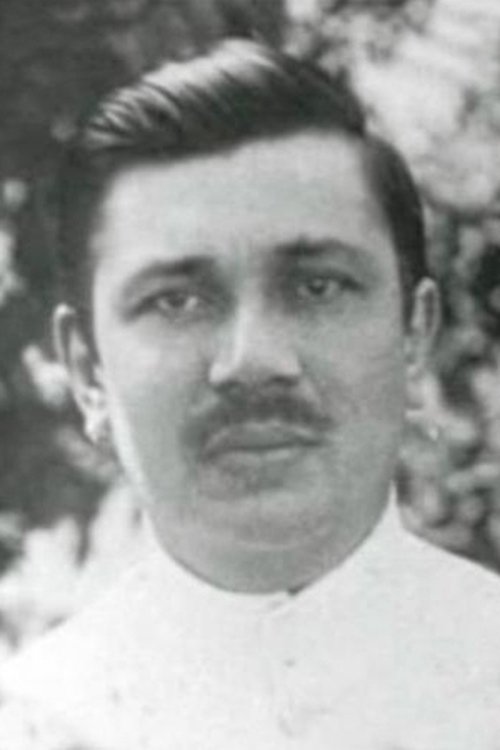
Georg Eduard Albert Krugers (4 November 1890, in Banda Neira – 10 August 1964, in The Hague; also written as G. Kruger) was a cameraman and film director active in the Dutch East Indies (modern Indonesia) during the early 20th century. He is recorded as having worked in film since the mid-1920s, and in 1927 he made his directorial debut, Eulis Atjih. He joined hajj pilgrims in 1928 and screened the resulting documentary in the Netherlands. His 1930 film Karnadi Anemer Bangkong is thought to be the first talkie in the cinema of the Indies, but was a commercial failure as the majority Sundanese audience considered it insulting. After making two works for Tan's Film in the early 1930s, Krugers moved to Hong Kong and then the Netherlands.
Known For
Purbasari and Purbararang are sisters and in competition. Purbararang, the elder sister, teases Purbasari about the latter's lover, a lutung named Guru Minang; Purbarang's boyfriend, Indrajaya, is a handsome human. However, the girls discover that Guru Minang is actually a god who is more handsome than Indrajaya.
The Enchanted Monkey

A husband leaves his wife and kids for the sake of pleasure. Eulis Atjih, his wife, and children live in poverty. Later on, when he returns destitute, she forgives her former husband
Eulis Atjih
This film is the first talking picture made by Tan's Film.
Njai Dasima
is a 1930 Dutch East Indies comedy film directed by G. Kruger. It is considered the first sound film in the country, although the sound quality is poor and some scenes are muted. The plot is based on a famous Sundanese novel. The film is controversial among the natives.
Karnadi the Frog Contractor

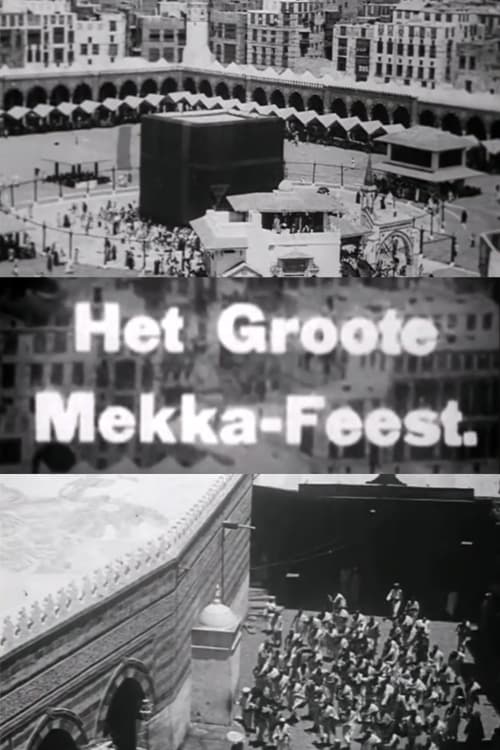
A journey of Hajj pilgrimage from a small village in Palembang to Saudi Arabia. This film was made by using hidden camera.
The Great Mecca Feast

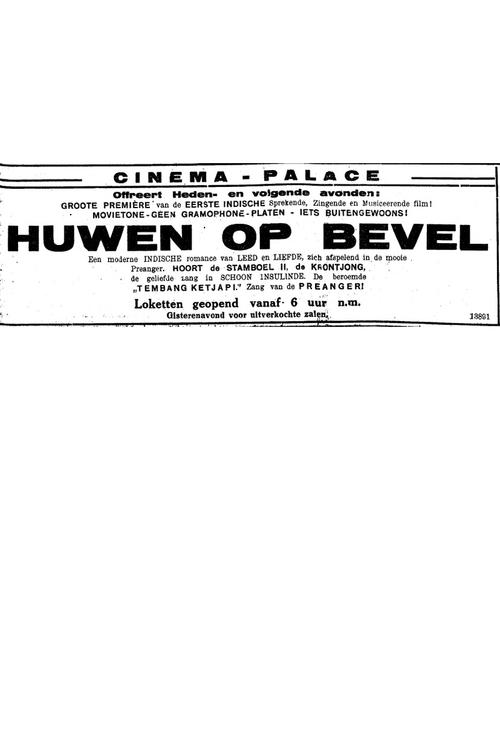
A young Indonesian intellectual falls in love with a woman. Although she loves him, she is told to marry an older man, one who has gone on the hajj. Ultimately they are able to be together.
Forced to Marry
This documentary film describes the journey of Queen Olanda and King Hertog in the city of Den Hagg.
Atma De Vischer
The Great Mecca Feast consists of four acts: the journey from the Dutch East Indies (modern-day Indonesia), everyday life in Jeddah, the hajj activities, and the return to the Dutch East Indies. It opens with a group of rural men in the Dutch East Indies who are buying tickets for their hajj pilgrimage. They travel from Tanjung Priok to the Hejaz region of the Arabian Peninsula aboard the SS Madioen, stopping in Palembang to take on more passengers and in Sabang for medical examinations. After embarking more passengers at Perim Island, they reach Jeddah and disembark.