FEEL IT.STREAM
Jean-Pierre Coffe

Jean-Pierre Coffe

Acting

Biography

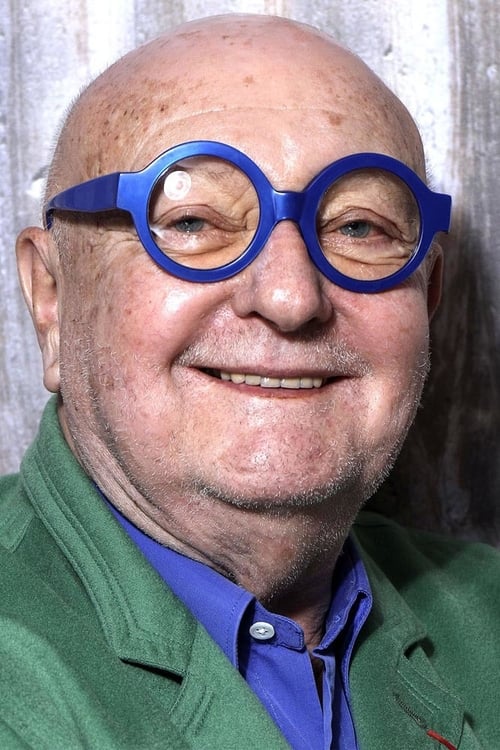
Jean-Pierre Coffe (24 March 1938 – 29 March 2016) was a French radio and television presenter, food critic, and author. Jean-Pierre Coffe spent a major part of his childhood in the town where he was born, Lunéville. He never knew his father, mobilized in 1937 and killed on the field of battle in 1940. He was raised by his mother, who took over the family hairdressing salon. His grandmother was a cook and his grandfather a market gardener. His mother left Lorraine for Paris where he studied at boarding school. At the age of 13, he was seized by a passion for theatre. After completing his studies, he took classes at the Cours Simon and had a number of small jobs at the same time. Jean-Pierre Coffe then began a career in television in the early 1980s. He joined Canal+ on November 4, 1984 and appeared on a number of occasions in the programs hosted by Michel Denisot. In 1992 and 1993, he made his first appearances in La Grande Famille hosted by Jean-Luc Delarue and Demain hosted by Michel Denisot for the cooking theme. He then joined the French public television channels where he hosted a cooking program with children titled Comment c'est fait ? ("How is it done?") from 1992 to 1993 on France 3, followed in 1994 by C'est tout Coffe ("This is all Coffe") on France 2. He joined private channel TF1 in 1999 to present Bien jardiner ("Gardening well"), produced by Jean-Luc Delarue, who finally decided to end the broadcast soon after, which marked the end of their friendship. In 2003, he joined Michel Drucker on France 2 where he served as a food critic in the program Vivement dimanche prochain. On 5 September 2012 he announced his departure of the program to spend more time on writing.

Known For

Champs-Elysées
6.8

No description available.

Champs-Elysées

1982
Vivement dimanche
3.6

No description available.

Vivement dimanche

1998
Apostrophes
8.5

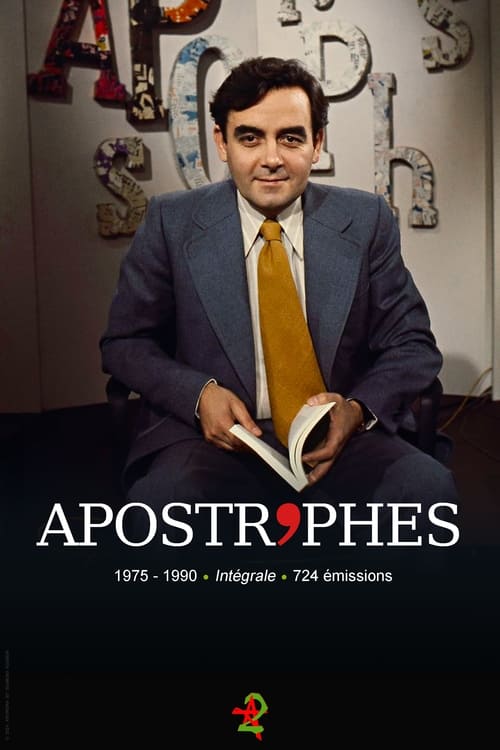
Apostrophes was a live, weekly, literary, prime-time, talk show on French television created and hosted by Bernard Pivot. It ran for fifteen years (724 episodes) from January 10, 1975, to June 22, 1990, and was one of the most watched shows on French television (around 6 million regular viewers). It was broadcast on Friday nights on the channel France 2 (which was called "Antenne 2" from 1975 to 1992). The hourlong show was devoted to books, authors and literature. The format varied between one-on-one interviews with a single author and open discussions between four or five authors.

Apostrophes

1975
Sacrée soirée
5.7

No description available.

Sacrée soirée

1987
Nulle part ailleurs
6.1

No description available.

Nulle part ailleurs

1987
The Unexpected Getaway
8.5

In each episode, 3 celebrities who have never met go on a 24-hour break in the countryside. A moment out of time to meet and talk about love, friendship, life with its obstacles and surprises.

The Unexpected Getaway

2012
Panique dans l'oreillette
5.3

No description available.

Panique dans l'oreillette

2008
Yummy Yummy!
7.0

Healthy eating reviewed in an alternative form, light hearted and funny, while getting across a clear, positive and constructive educational message and without using a heavy moralistic tone. The series is also designed to be ultimately distributed on various audiovisual mediums as part of themes like the promotion of quality nutrition and the development of healthy nutritional habits.

Yummy Yummy!

2013
Swann in Love
5.6

In Belle Époque Paris, a 19th-century Parisian aristocrat falls in love with a lower-class prostitute who seduces him but never loves him.

Swann in Love

1984
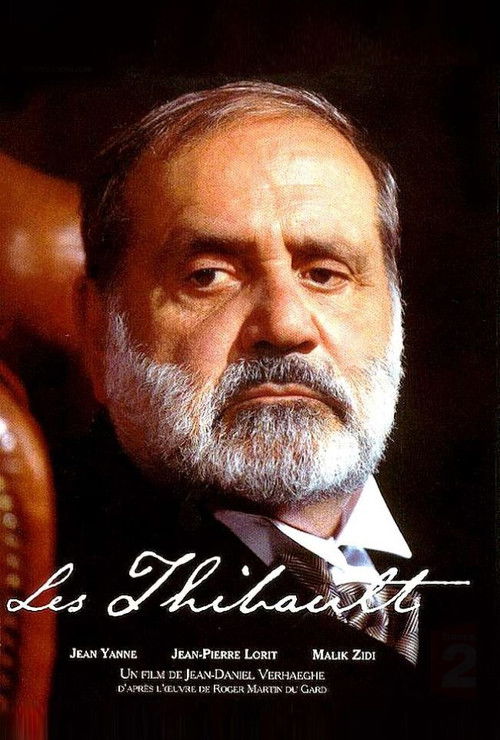
Les Thibault
6.0

Between 1905 and 1918, the opposing destinies of two brothers from a large Catholic bourgeois family.

Les Thibault

2003
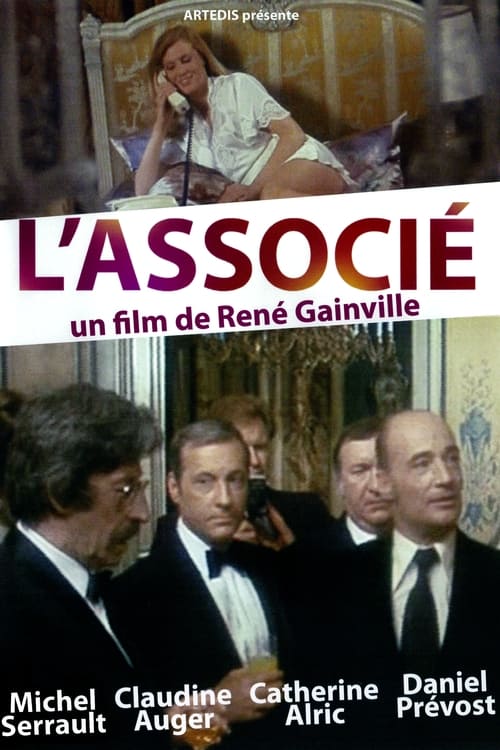
The Associate
6.5

An unemployed investor creates a fictious business partner to attempt to improve business. Eventually, his creation gets out of control as his business becomes successful and his wife announces that she is in love with the partner and his son wishes the partner was his father -- although no one has ever seen him. To regain control, the man decides to "kill" his imaginary partner and is arrested for the murder.

The Associate

1979
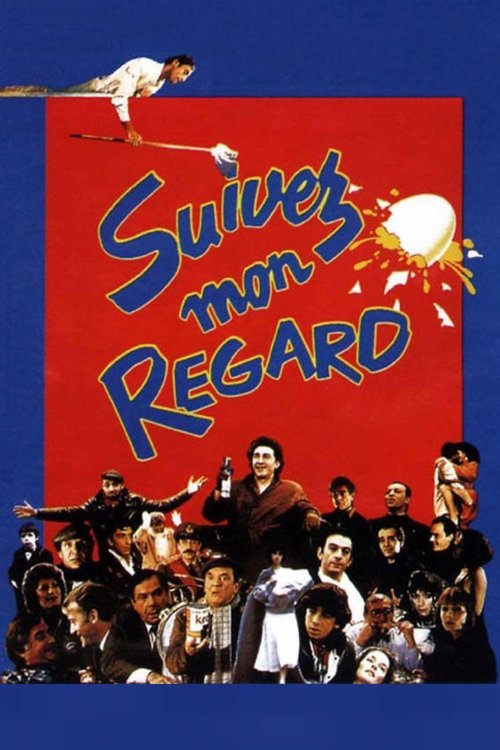
Follow My Gaze
6.2

A long parade of actors and actresses pop up in an unconnected series of skits, vignettes, and sight gags in this comedy anthology by Jean Curtelin. Among the sketches performed is one with Jean Carmet playing a man from the sticks woefully burdened with the challenge of getting through a dog food commercial on less than one tank of intelligible French. Another skit shows a silent duel between an airport custodian and an automatic door, while another with the renowned Michel Galabru sets up a strange teacher-student exchange.

Follow My Gaze

1986
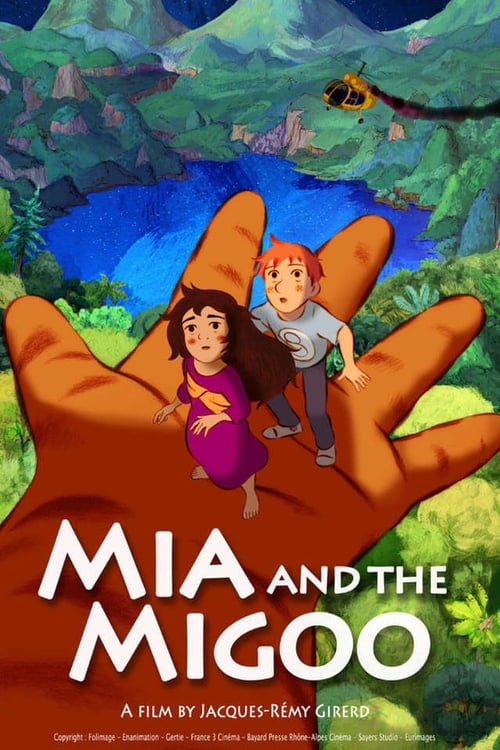
Mia and the Migoo
7.0

One night Mia has a premonition. So after saying a few words of parting at her mother’s grave, she sets out on a cross continent journey, though mountains and jungles in search of her father, who has been trapped in a landslide at a construction site on a remote tropical lake. In the middle of the lake stands the ancient Tree of Life, watched over by innocent, bumbling forest spirits called the Migoo, who grow and change shape as they please, morphing from small childlike beings to petulant giants. The Migoo have been disrupting the construction to protect this sacred site – and now together with Mia they join in a fight to find Mia’s father and save the Tree, with the future of life on Earth hanging in the balance.

Mia and the Migoo

2008
Violette Nozière
6.7

Paris, 1933. The daughter of a respectable lower middle class couple, Violette Nozière, leads a disreputable double life. Far from being the innocent 18-year-old her parents mistake her for, she spends her nights with dissolute young men in the less salubrious areas of the city.

Violette Nozière

1978
All Mixed Up
5.3

After the death of her little boy, Anita wants to take her own life.

All Mixed Up

1985
Les Guignols, les 10 premières années
5.3

A four-hour journey through the first ten years of Les Guignols. Cult sequences, historic sketches, reference expressions... offer sixty or so “Guignolized” personalities the opportunity to analyze the phenomenon or react to their puppets. Their impressions, shared with Gilles Verlant, punctuate the Night. All those who have made Les Guignols what they are today - Alain De Greef, the historical authors, puppet creator Alain Duverne, etc. - take the opportunity to reveal a few of their secrets.

Les Guignols, les 10 premières années

1999
The Battle of Hernani
10.0

Drama chronicling the premiere of Victor Hugo's 1830 drama Hernani, and the dramatic Romantics that rallied around it.

The Battle of Hernani

2002
These Kids Are Grown-Ups
4.7

When a real-estate promoter attempts to take over the homes of two electronics whizzes and boot them out, they contrive ingenious ways to inconvenience and harass him. By pooling their knowledge, they are able to pull off a crucial robbery using a very special box of chocolates.

These Kids Are Grown-Ups

1979
Make Room for Tomorrow
4.5

Four generations of Oppenheim men gather in Paris for Isaac's 90th birthday. He's "Romeo," still a lady's man, waiting to hear from a woman to whom he has proposed, threatening suicide if she says no. They gather at Isaac's grandson's, Ben, who lives with Peggy and their son Mathias who's 10. Joining them, from Israel, is Isaac's son Elie. Against a backdrop of Elie's attempts to call his ex-wife, Ben and Peggy's marital difficulties, Mathias's budding sexuality, everyone's love of chess and practical jokes, Ben's house (shifting dangerously on its foundation), and the twentieth-century struggles of the Jews, the film explores their relationships and Isaac's aging.

Make Room for Tomorrow

1979
Trois jeunes filles nues
N/A

No description available.

Trois jeunes filles nues

2006