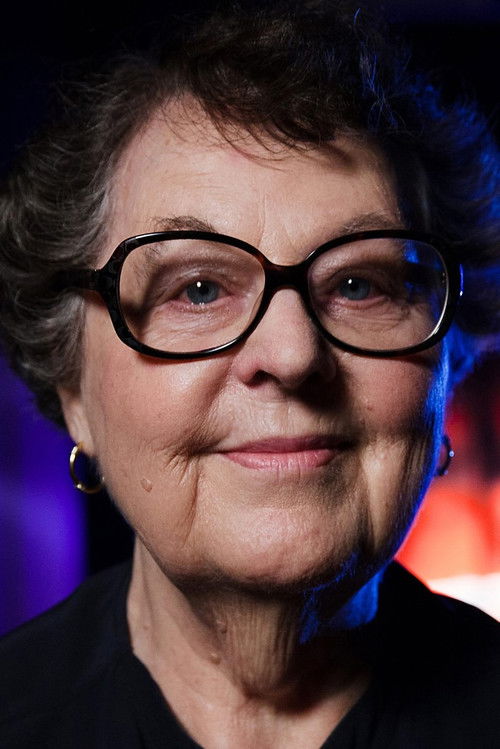
Janet Peoples
Writing
Known For
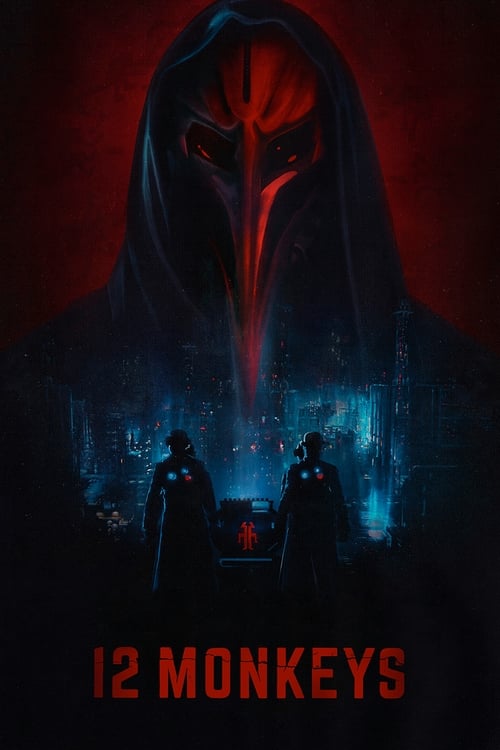
The provocative story of Cole, a time traveler from a decimated future in a high-stakes race against the clock. Utilizing a dangerous and untested method of time travel, he journeys from 2043 to the present day on a mission to locate and eradicate the source of a deadly plague that will all but annihilate the human race.
12 Monkeys
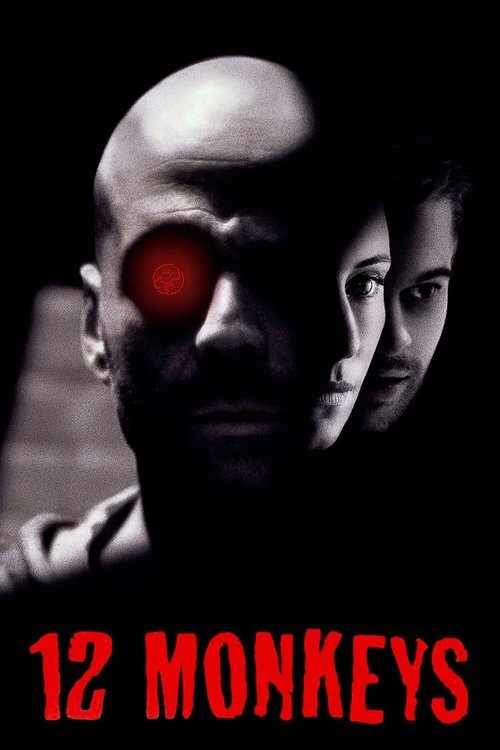
In the year 2035, convict James Cole reluctantly volunteers to be sent back in time to discover the origin of a deadly virus that wiped out nearly all of the earth's population and forced the survivors into underground communities. But when Cole is mistakenly sent to 1990 instead of 1996, he's arrested and locked up in a mental hospital. There he meets psychiatrist Dr. Kathryn Railly and the son of a famous virus expert who may hold the key to the Army of the 12 Monkeys; thought to be responsible for unleashing the killer disease.
Twelve Monkeys
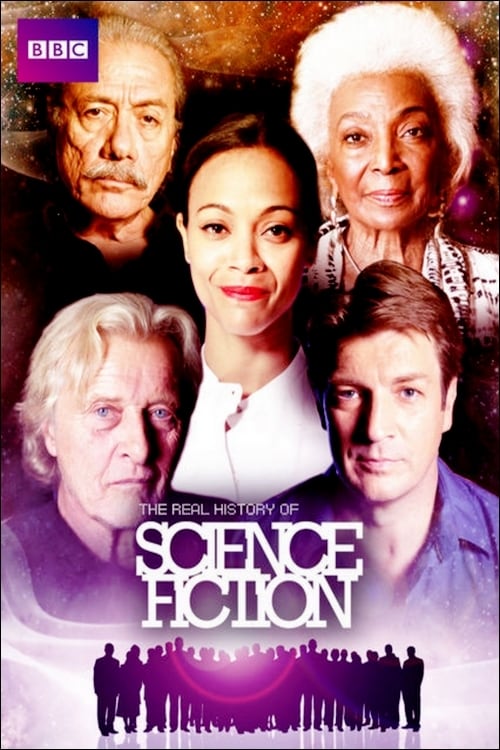
The series heads to the very frontiers of space and science to produce the definitive television history of science fiction, told through its impact on cinema, television and literature, with the help of filmmakers, writers, actors, and graphic artists. Each episode will explore one of the enduring themes of science fiction: time travel; the exploration of space; robots and artificial intelligence; and aliens.
The Real History of Science Fiction
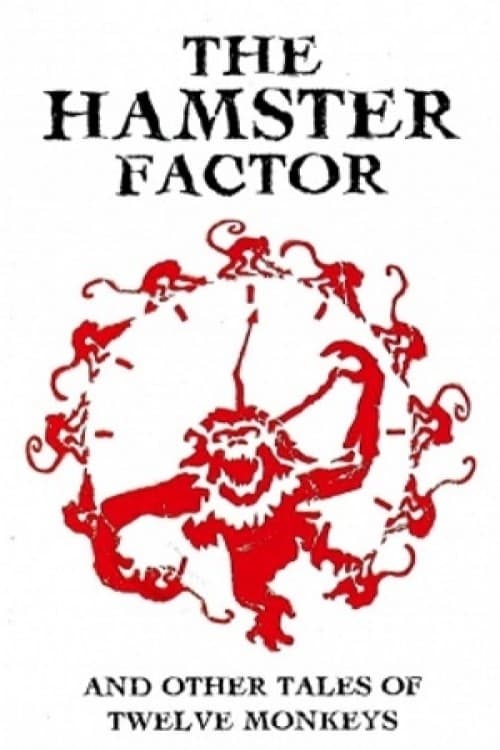
A documentary following Terry Gilliam through the creation of "Twelve Monkeys."
The Hamster Factor and Other Tales of 'Twelve Monkeys'
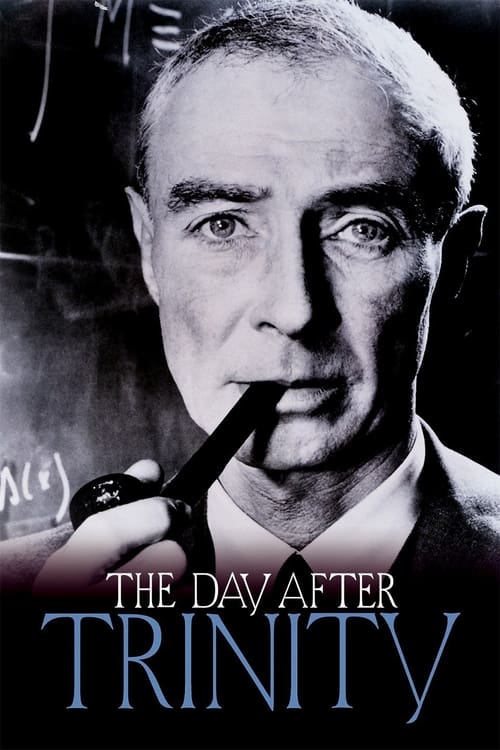
Through interviews with Manhattan Project scientists and newly declassified archival footage, this documentary examines the life of physicist J. Robert Oppenheimer and his leadership of the Manhattan Project. The film traces the development and testing of the first atomic bomb and follows Oppenheimer’s later opposition to nuclear proliferation during the early years of the Cold War.
The Day After Trinity
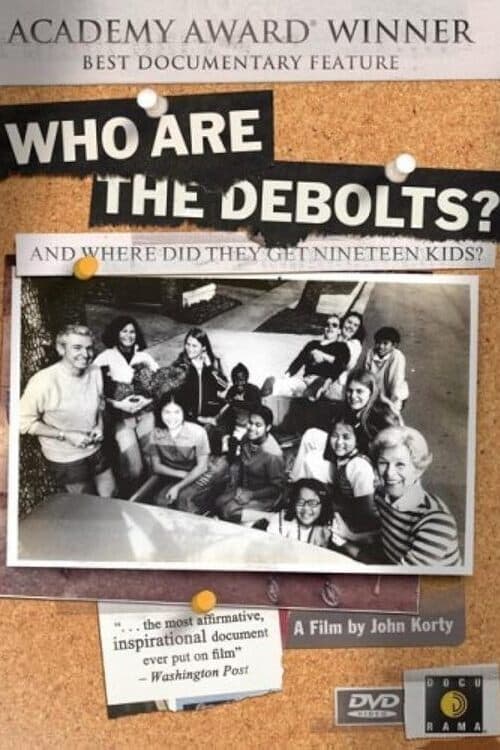
Who Are the DeBolts? And Where Did They Get Nineteen Kids? is a 1977 documentary film about Dorothy and Bob DeBolt, an American couple who adopted 14 children [12 at the start of filming], some of whom are severely disabled war orphans -- in addition to raising Dorothy's five biological children and Bob's biological daughter. The film won an Academy Award for Best Documentary in 1978. Preserved by the Academy Film Archive in 2007.