Acting
On September 1st, 1939, Nazi Germany invades Poland, unleashing World War II. On September 17th, the Soviet Red Army crosses the border. The Polish army, unable to fight on two fronts, is defeated. Thousands of Polish men, both military and government officials, are captured by the invaders. Their fate will only be known several years later.
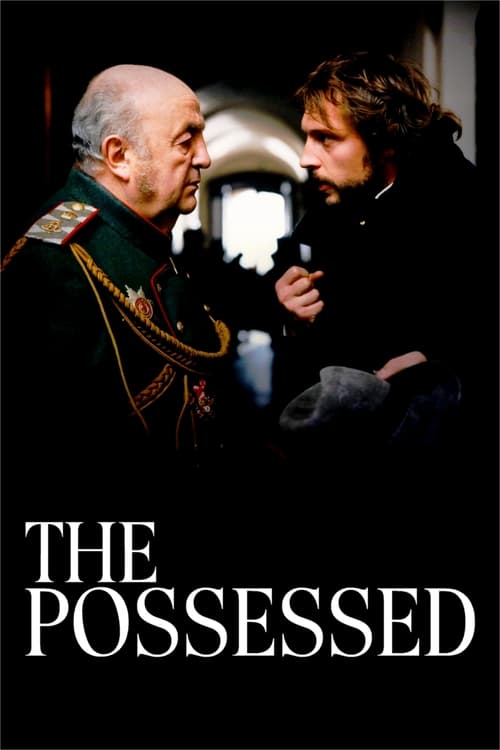
Russia, 1870. A group of young anarchist revolutionaries set out to overthrow the Czarist regime through violence. Their attacks create a climate of psychosis and mutual distrust among the population, but in reality, both revolutionaries and repressors are being manipulated by a diabolical individual.
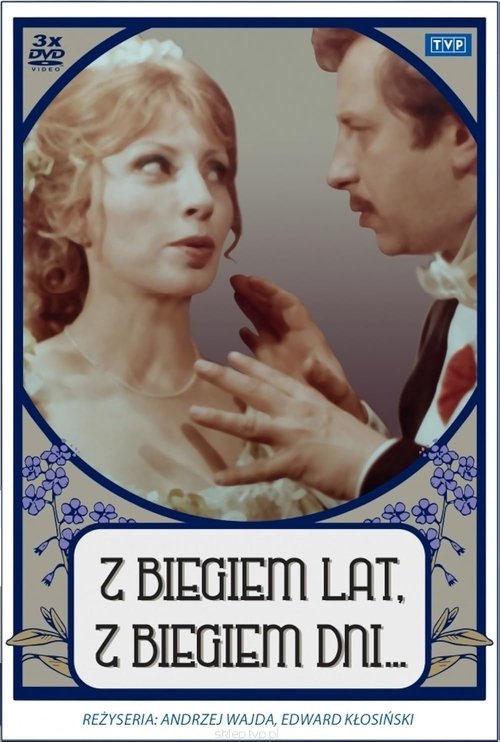
Created to mark the 60th anniversary of Poland's regained independence, Andrzej Wajda's acclaimed seven-hour stage production As the Years Go By, As the Days go By... follows two Kraków families between 1874 and 1914.
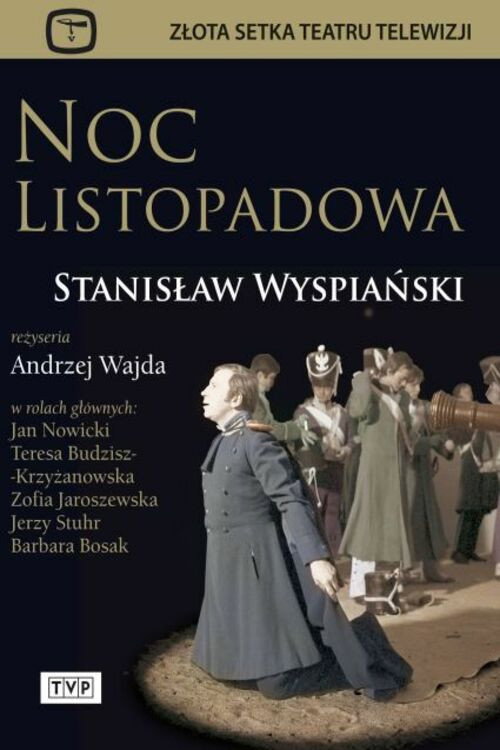
Television play adaptation of Wajda's stage play of Stanisław Wyspiański's November Night. The drama takes place on two levels - historical and metaphorical. The first one is almost a chronicle of several hours of the uprising - it shows the drama of the attitudes of Poles at the beginning of the armed struggle, in confrontation with the attitude of Grand Duke Constantine, the Tsar's deputy in Poland. The second one presents the world of gods playing out their arguments. Man becomes a plaything in their hands, but it is he who experiences his fear, heroism and hope.
In Warsaw in 1980, the Communist Party sends disgruntled radio reporter Winkel to Gdańsk to dig up dirt on the shipyard strikers - particularly on Maciek Tomczyk, an independent labour union leader whose father was killed in the December 1970 protests. Posing as sympathetic, Winkel interviews the people surrounding Tomczyk, including his detained wife, Agnieszka.
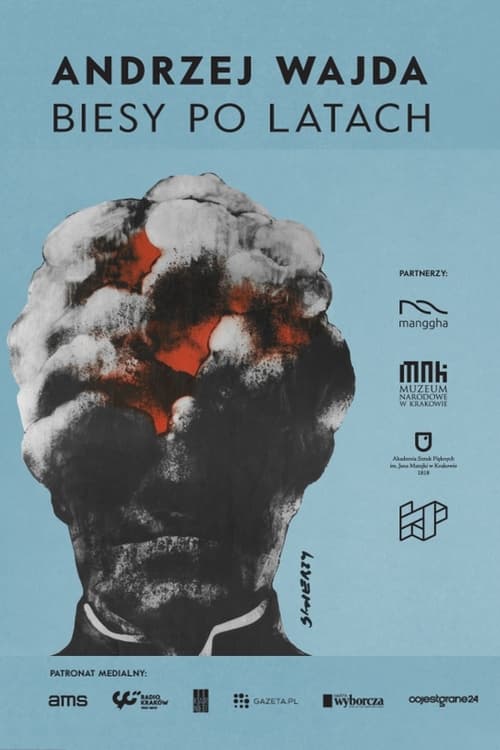
At the Old Theater in Krakow Wajda staged a play in 1971, based on Dostoevsky's novel "Demons". In this documentary Wajda tells the story of the unique play that went on uninterrupted for 10 years despite opposition from the authorities.
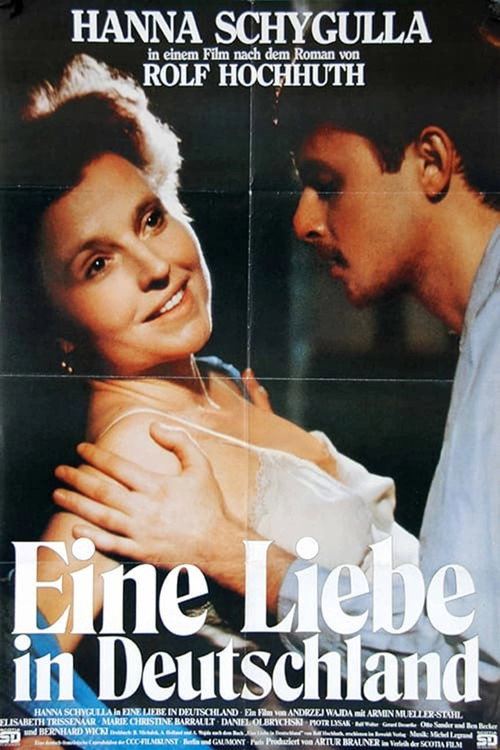
In May of 1983, a man turns 49 and, with his 17-year old son, journeys to the village in Baden that he left 40 years before. He wants to discover what happened then, the truth about an affair his mother had with a young Polish prisoner of war, how the authorities came to learn of it, the lovers' arrest, and the aftermath. While his son takes Polaroid photographs, he retraces the steps of his childhood and interviews those who should remember. The story is disclosed in flashbacks that focus on the lovers (Paulina and Stanislaus), on a jealous and conniving neighbor, and on Mayer, the local SS commander who wants to find a way out of inevitable consequences.
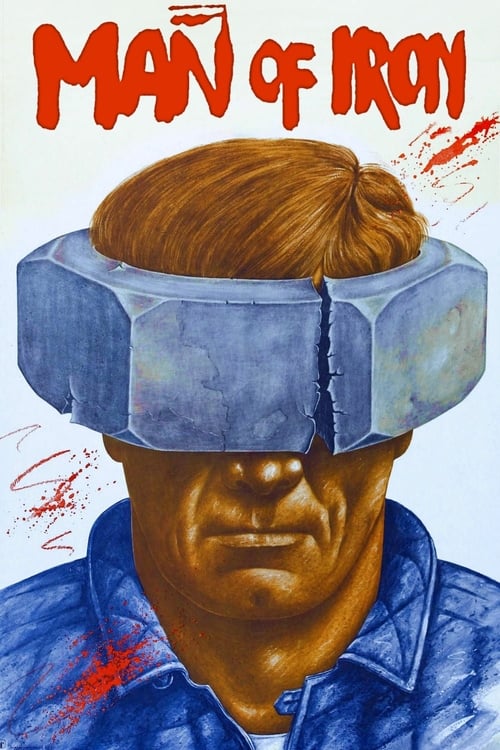
A young Polish filmmaker sets out to find out what happened to Mateusz Birkut, a bricklayer who became a propaganda hero in the 1950s but later fell out of favor and disappeared.
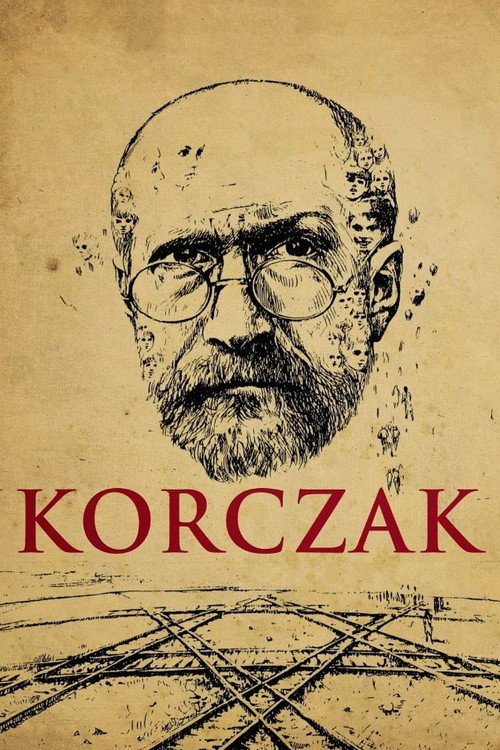
The story of Polish pedagogue Janusz Korczak and his dedication to protecting Jewish orphans during the war.
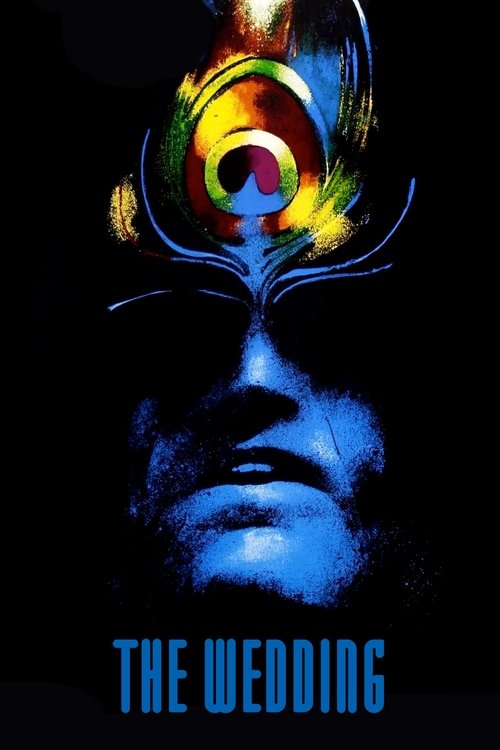
Set at the turn of the century, the story concerns a Polish poet living in Cracow who has decided to marry a peasant girl. The wedding is attended by a heterogenous group of people from all strata of Polish society, who dance, get drunk and lament Poland's 100-year-long division under Russia, Prussia, and Austria. The bridegroom, a painter friend, and a journalist each in turn is confronted with spectres of Polish past.
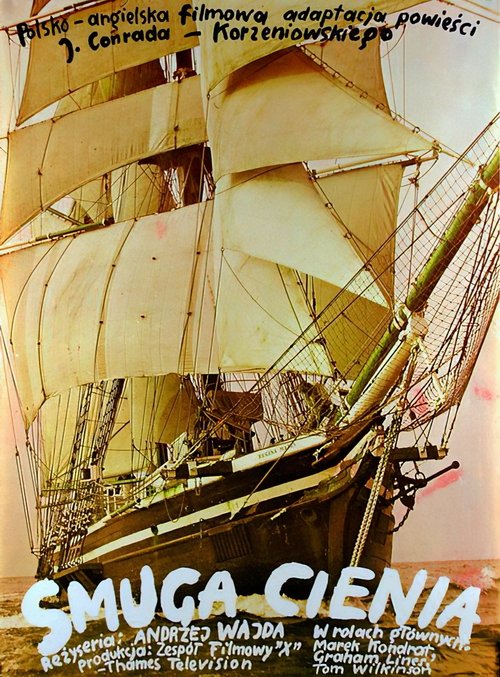
Andrzej Wajda's English-language film of a novella by Józef Teodor Konrad Korzeniowski, aka Joseph Conrad, about a young man in his first command as a sea captain. A series of crises prove incredibly difficult for his new authority, for the sea is curiously becalmed and the crew is weakened by feverish malaria. When the first mate's fear convinces many that the ship is haunted and cursed by the malevolent spirit of the previous captain, the young man must cope with their superstition as well as the conspicuous absence of much-needed medicine.
A man just released from prison protects a woman from a group of thugs while on his way home.
A documentary, focusing on foreign successes of the Polish Master of the cinema - Andrzej Wajda. By using unique archival materials, home videos, fragments of his films - never shown before we would like to create a documentary about the great director who inspired a whole generations of filmmakers - including Martin Scorsese, Nikita Michałkow, Volker Schlondorff. The film will be based on the interviews with many outstanding creators of world cinema as well as the memories of his wife Krystyna Zachwatowicz. We want to reach the unknown foreign archival materials regarding Wajda, photos from the film set and festivals, as well as his personal journal notes from these events.
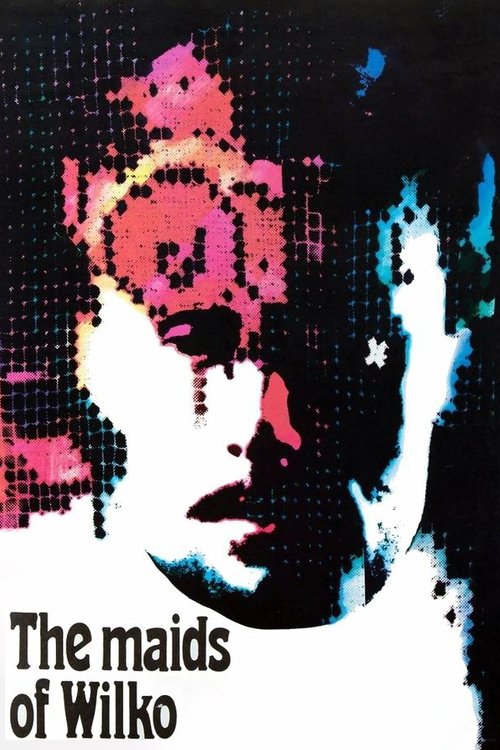
Set in the late '20s. A thirtyish young man, who heads a small factory, faints at the funeral of a close friend. He decides to go home to his aunt and uncle for a while, but gets involved with a family of five women who had been in love with him at one time though he had apparently loved only one, who, unknown to him, has died since his departure. The women are mainly disillusioned with life or estranged from husbands while the youngest has a crush on him.
Set in the summer months preceding the September 1939 outbreak of World War II in Polish part of Lithuania. A young highschool lad, Witek, is hoping to pass the entrance exams to the university. His love interest is Alina, his high-school colleague.
Document following the production of Andrzej Wajda's 1973 film "The Wedding". It focuses on Wajda's struggle to decide on a concept of depicting one of the original play's characters, Wernyhora.
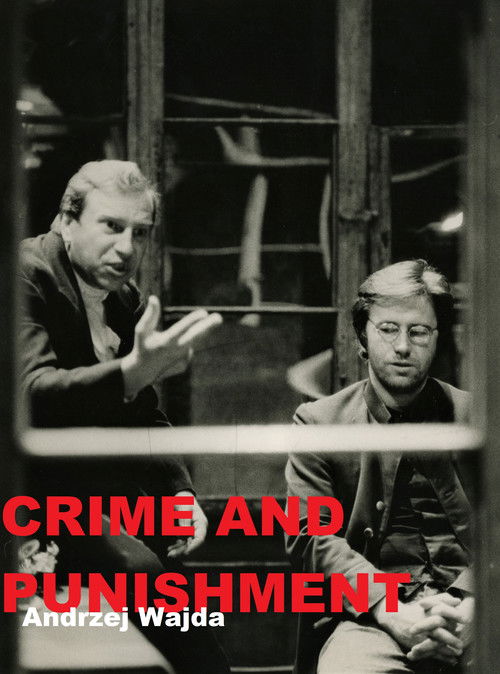
Former student Raskolnikov is pushed to murder when struggling to pay the rent on his apartment. When the murder is being investigated by the police, Raskolnikov struggles between trying to hide his guilt and the pressure to confess.