Acting
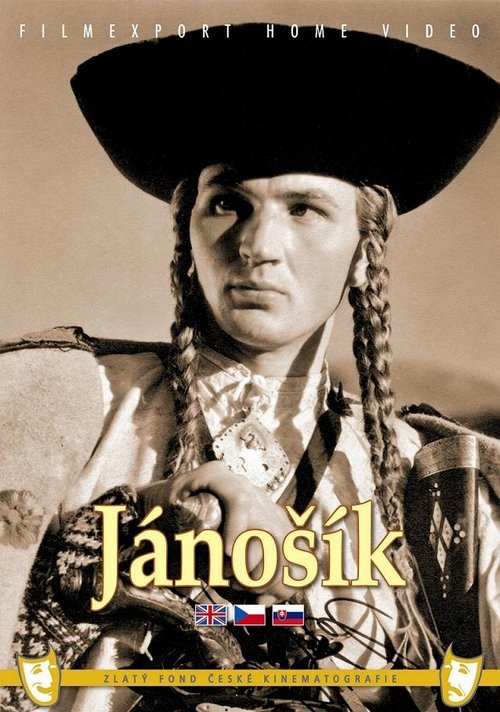
Jánošík has been topic of many Slovak and Polish legends, books and films. According to the legend, he robbed nobles and gave the loot to the poor. The legend were also known in neighboring Silesia, the Margraviate of Moravia and later spread to the Kingdom of Bohemia. The actual robber had little to do with the modern legend, whose content partly reflects the ubiquitous folk myths of a hero taking from the rich and giving to the poor. However, the legend was also shaped in important ways by the activists and writers in the 19th century when Jánošík became the key highwayman character in stories that spread in the north counties of the Kingdom of Hungary (present Slovakia) and among the local Gorals and Polish tourists in the Podhale region north of the Tatras.
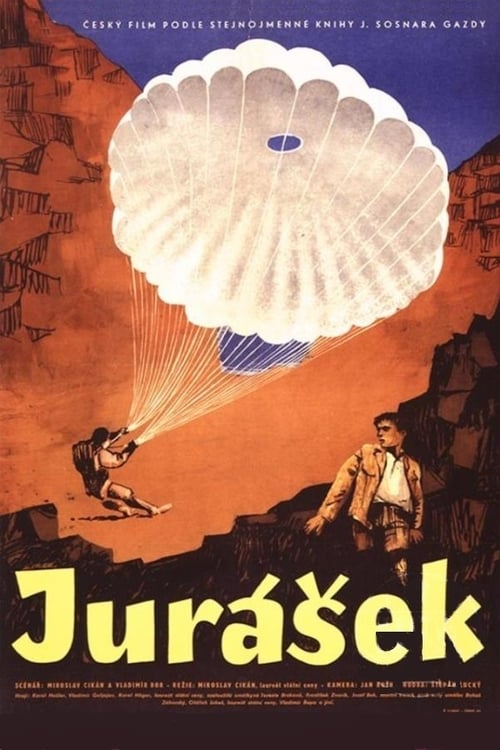
The Czech feature film, based on the book of the same name by J. Sosnar-Gazda, focuses on teenagers. The hero of the film is a boy named Jurášek from the Moravian Slovácko region, who helped the partisans during the war. He confirmed that his father was with the partisans and went to the forest at night to follow him when the partisans were expecting the Soviet paratroopers to jump. Jurášek finds a paratrooper who had been blown aside by the wind and finds a suitable shelter for him where he could heal his injured leg. Jurášek continues to help the partisans a lot. He informs them about the upcoming raid in the village and thus saves the Soviet paratrooper from being captured. When he then accompanies the paratrooper into the forest to a place from where he could safely broadcast, and when he says goodbye to him, he gets into a firefight with the Germans together with him and his bravery stands up well in it.
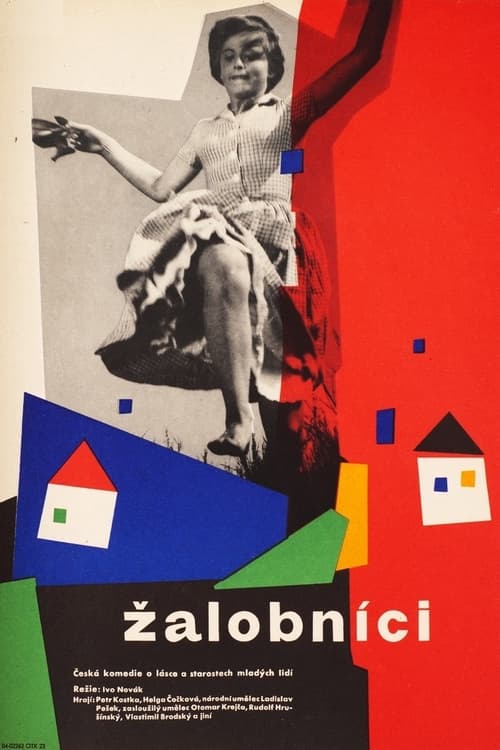
The young generation is not very at peace with the morality of their parents. In a story set in a Moravian village, the otherwise contented cooperators indulge in stealing from the common property without seeing anything wrong with such actions. After being reprimanded by their own children, they first get angry but then become ashamed. The result is a late agitational comedy that no longer deals with the peasants' entry into the agricultural cooperative, but with the mores prevailing there. The ideologically mature youth act as a guarantee of a happy future.