Acting
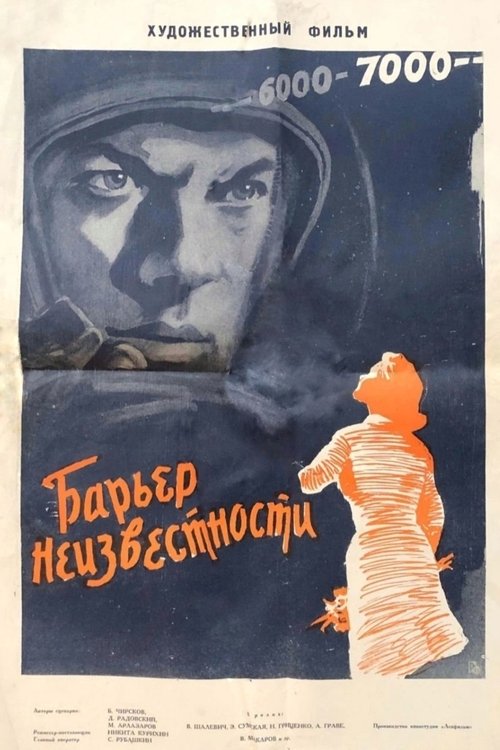
The beautiful woman and the brave man disembark the train at the tiny station in the desert. He is the test pilot of the hypersonic nuclear-powered plane called Cyclone, and she is the physicist studying the strange phenomenon encountered by the first flier of the Cyclone jet, named Kazantsev.
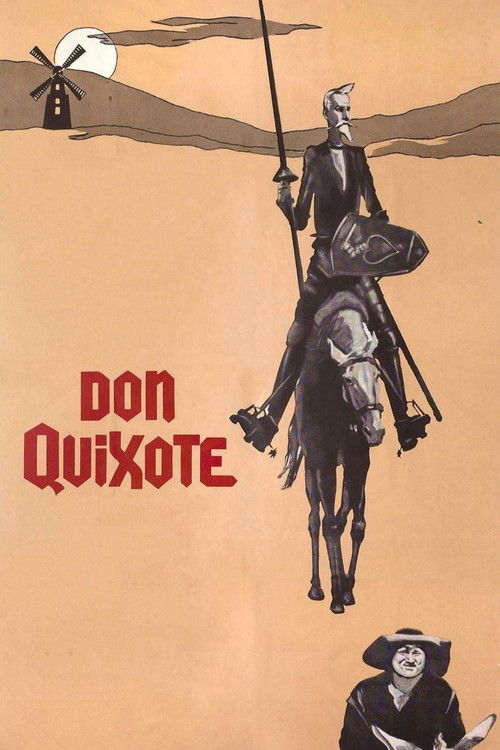
Senor Quexana has read so many books on chivalry that he believes that he is the knight Don Quixote de la Mancha. So Don Quixote sets off on his horse, accompanied by his squire Sancho Panza on a mule, to perform valiant deeds. They mistakenly save the Lady Altisidora who is so amused that she invites them to visit the Duke to provide some merriment at court. Among other deeds, Don Quixote frees some prisoners, who then turn upon him, and Don Quixote attacks a windmill that he imagines is a monstrous wizard.
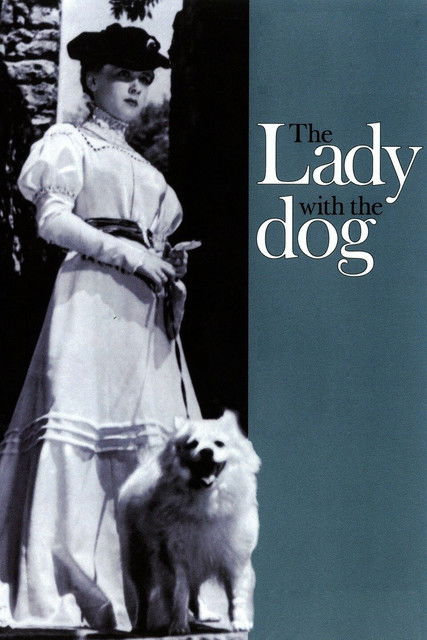
On holiday in Yalta, Muscovite banker Dimitri Gurov contrives to meet a young woman who walks her dog. She’s Anna Sergeyevna, trapped in a loveless marriage to a lackey. He’s unhappy in an arranged marriage. With neither spouse at hand, Dimitri and Anna begin an affair.
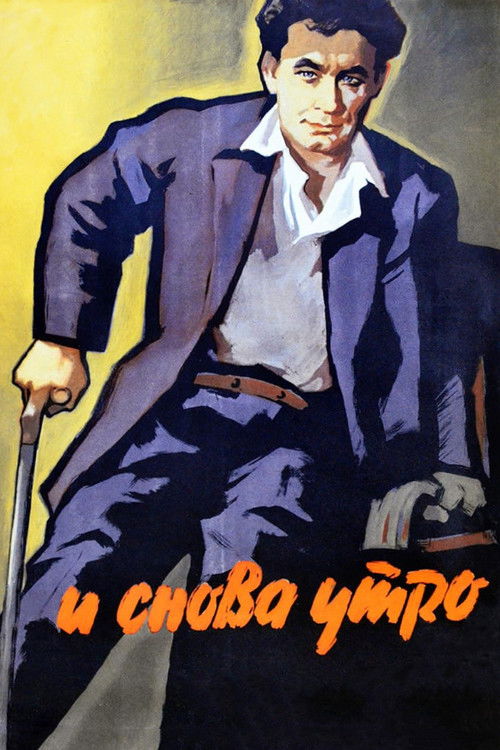
Professor Severtsov, a surgeon, lost his legs while saving a child's life. His friends and beloved wife helped him believe in himself and return to his beloved work.
No description available.
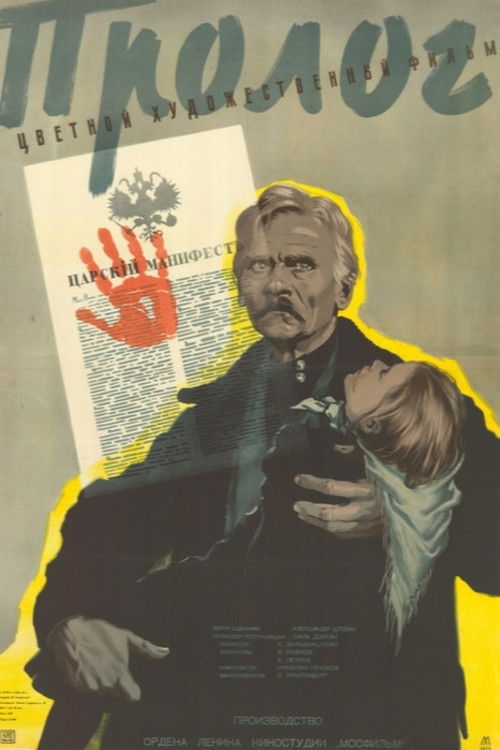
After the brutal massacre of a peaceful demonstration of the working people on their way to the Tsar, Lenin and other Party members in exile call for an armed uprising of the workers. At Presnya build barricades. The people are arming themselves. But the heroic armed uprising of the workers of Presnya is brutally suppressed by the tsarist troops. However, the struggle of the workers under the leadership of Lenin continued.
A performance by the Leningrad Bolshoi Drama Theater named after M. Gorky.
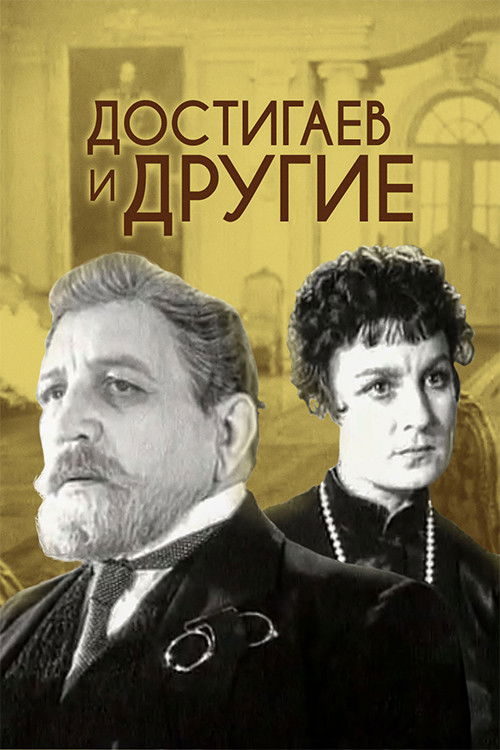
July-December 1917, the country is undergoing a revolution. "The pillars of society" are alarmed by the looming on them menacing events. Some of them are ready to fight with the revolution, others — among them industrialist Vasily Dostigaev trying to "adapt»
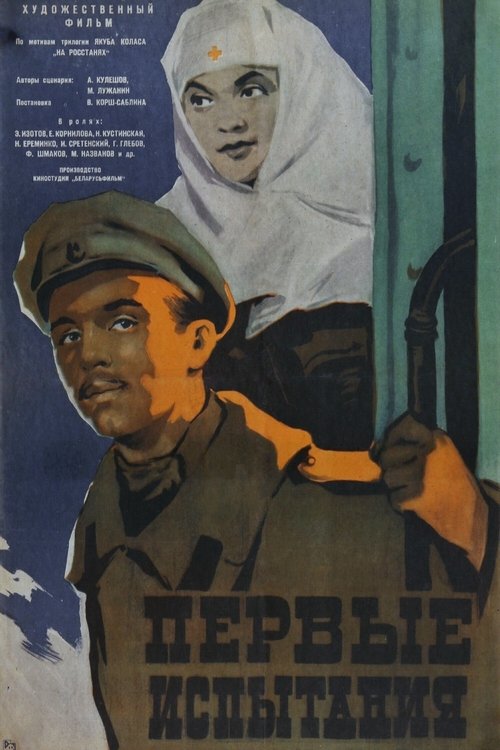
The young teacher Lobanovich, who has just graduated from the seminary, comes to the remote Polessky village of Telshino to teach the peasant children to read and write. In the heads of seminarians persistently hammered into the idea that the Tsar-father endlessly cares about the common people, and the people respond to him sincere filial gratitude. Arriving in the village, the teacher saw a different picture. The Poleshuk people are beaten down, driven, living in mud, darkness, tightly entangled in a network of prejudices and superstitions....
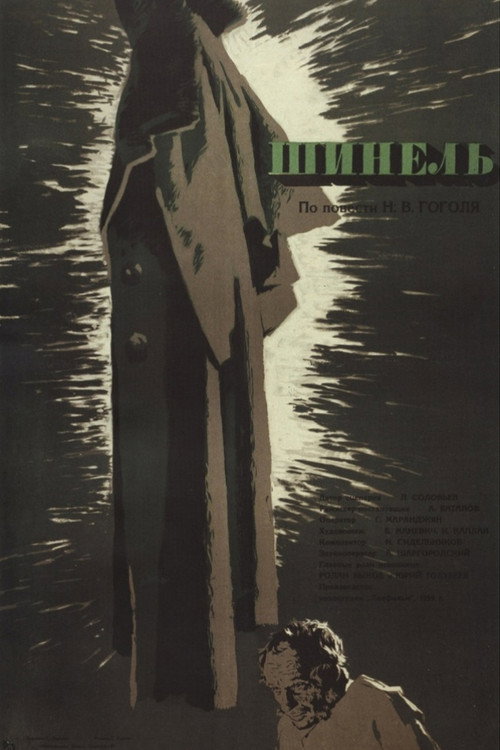
A story about a government clerk who has his precious new overcoat stolen. No-one seems willing to help him retrieve his prized possession, a fact that continues to concern him even when he is beyond the grave.
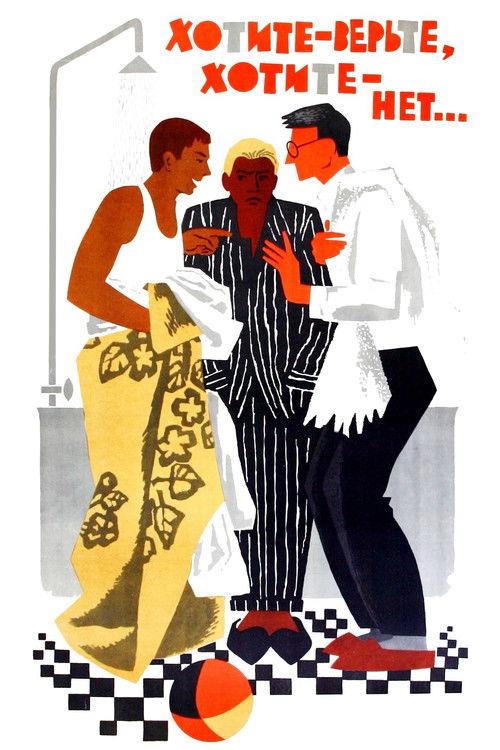
Roman Kurykin, an amateur jazzman and the owner of an absolute ear for music, cannot reconcile himself to the idea that his son Edik does not show any interest in music. The dejected father, in desperation, suspected that the child could have been replaced in the maternity hospital by mistake. He got the addresses of two families where the sons were born at the same time as the younger Kurykin. Kurykin reports his suspicions to two other fathers, Shulgin and Sazonov. In secret from their wives, husbands begin their investigation.
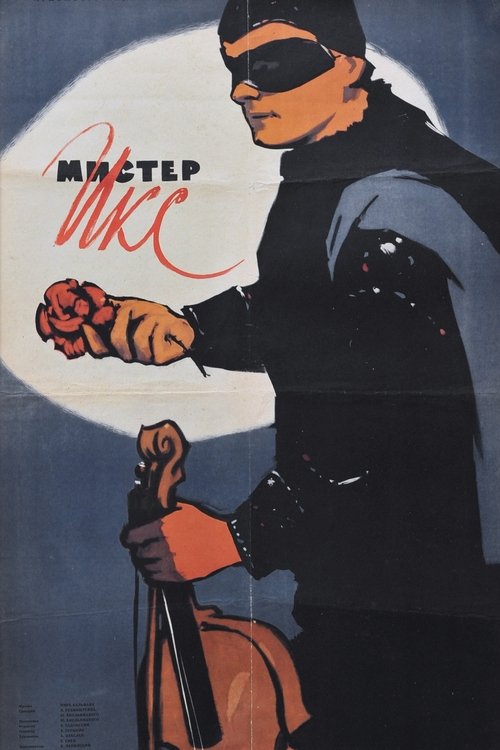
A mysterious man under the name Mister X performs in the circus, playing violin on a chair suspended in the air by ropes. His breathtakingly sad melodies reflect his internal turmoil - he's in love with a noble lady and this relationship is frowned upon in their society.
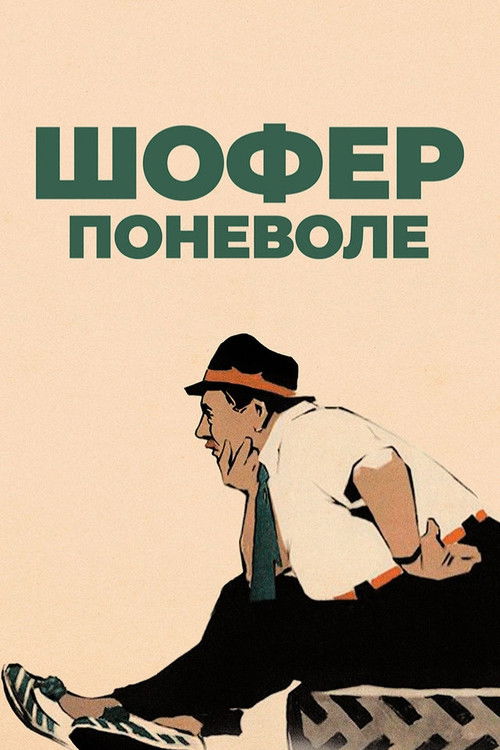
A driver of a big manager is hospitalized with his boss's documents and adventures start...
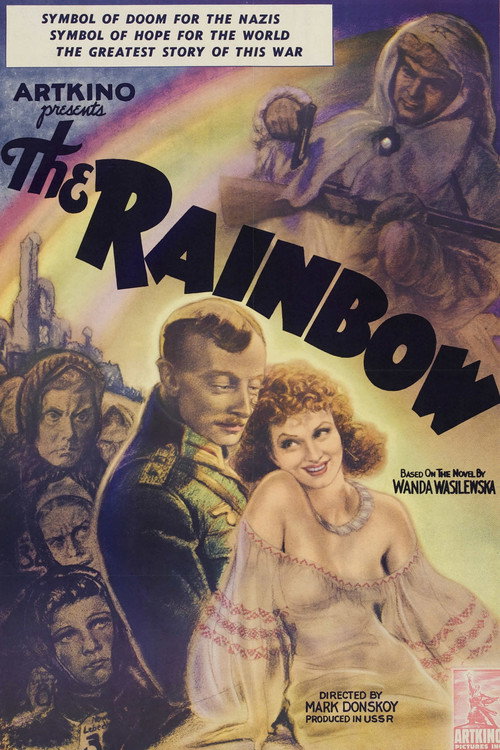
The German conquerors are above nothing, not even the slaughter of small children, to break the spirit of their Soviet captives. Suffering more than most is Olena, a Soviet partisan who returns to the village to bear her child, only to endure the cruelest of arbitrary tortures at the hands of the Nazis.
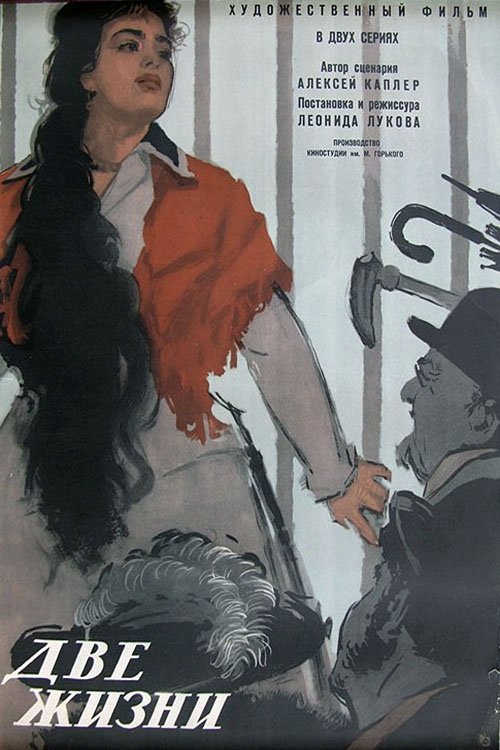
In the center of the film - two lives, two destinies. A simple, illiterate soldier Vostrikov of the Tsar's Army during the years of Soviet power grew into a devoted fighter of the revolution, he became a general of the Soviet Army, respected by all. A guards officer, a brilliant prince Naschyokin, who fought against Soviet power, emigrated from his native country and eventually became a lackey in a port restaurant.
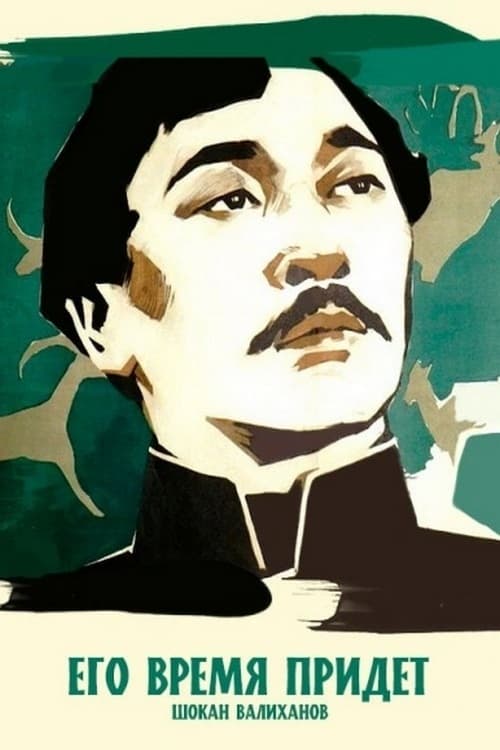
Kazakh scientist and traveler, Chokan Valikhanov studied at St. Petersburg University and was well known in Russia. When sent to war against the Kazakhs, Valikhanov was forced to make a choice between Tzar and native land.
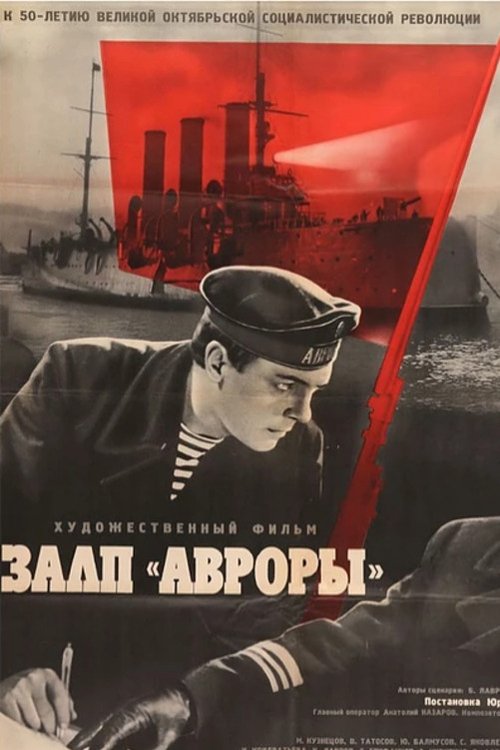
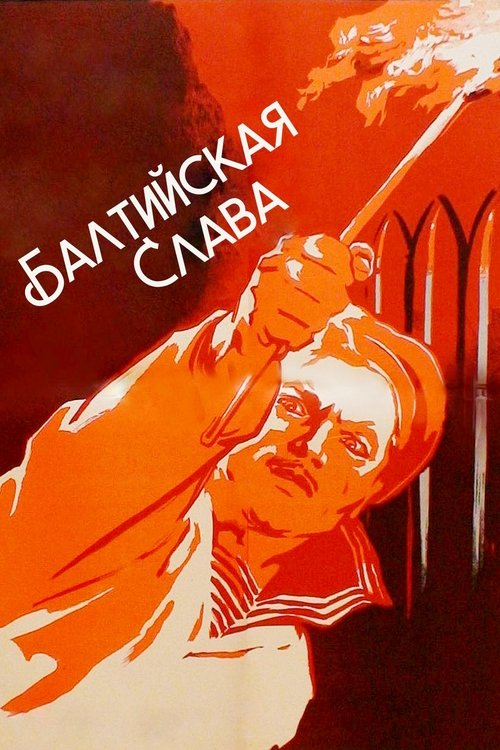
A film about the struggle of Baltic Fleet sailors for revolutionary Petrograd in the autumn of 1917. The film focuses on the fates of a sailor and a naval officer who join the ranks of those fighting for the revolution.
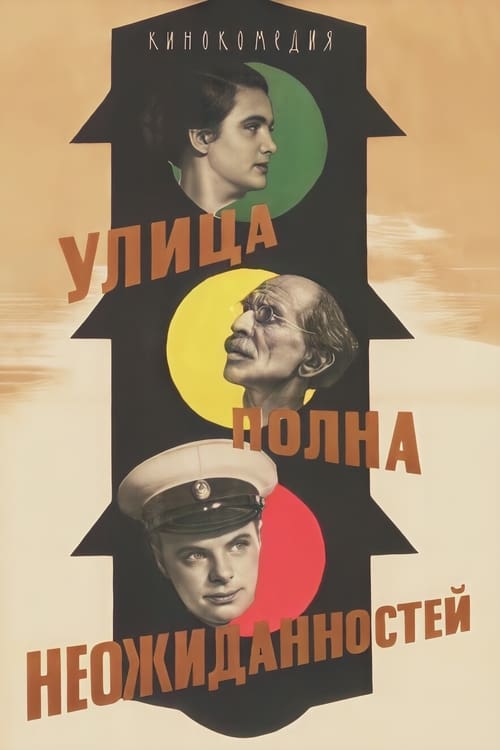
Chief accountant Porfiry Petrovich Smirnov-Alyansky, who took a good walk on the anniversary of his colleague cashier Ivan Zakharovich Vodnev, climbs into the traffic controller's booth and disrupts traffic on one of the streets of Leningrad. However, the guard Vasiliy Shaneshkin mistakenly delivers to the police station not an escaped offender, but a quite decent cashier. In addition, Vodnev, offended by the police, turns out to be the father of the bride Shaneshkin — Katya. Vasiliy admits his guilt, but, not daring to explain himself, leaves the angry Ivan Zakharovich with bad thoughts about the Soviet police. Fortunately, the young sergeant will soon have an opportunity to prove to others the responsibility and conscientiousness of the police officers.
The young chairman of the collective farm, Roman Baklanov, once made a mistake: having given in to his wife and her relatives, he helped out his father-in-law, who drank the collective farm's hay, and gave him a fictitious certificate. Then, due to Baklanov’s fault, an honest guy was arrested, and he again did not find the strength to correct the situation. But when the scammers demanded that Baklanov himself directly participate in their dark affairs, Roman went to the secretary of the district committee for support...
Director of Museum of local lore Ivan Bazhanov, being an enthusiast of the business, went treasure hunting, taking with him a few accidentally encountered people. They understand in pursuit of the treasure that sincere friendship is priceless.