Acting
No description available.
Writer Johannes Pfeiffer who goes undercover as a student in a high school after his friends told him that he missed out on a great life experience since he was home schooled.
Celia Lövengaart was formerly involved with the theatre and was able to live a carefree life. But now she's in financial difficulties. The court appointed trustee grants her enough money for a trip to Tirol, where she's going to visit her daughter Susanne, who was raised by her grandparents. Susanne is supposed to marry Richard, whom she can't stand and her mother tolerates him even less. Celia wants to help her daughter, but that's easier said than done: Richard knows about her lively past and is blackmailing her to keep her nose out of his affairs. If she doesn't agree to this wedding, he'll tell everything the consul Hoyermann, Susanme's guardian, and there will be a big stink.
Violanta lives with her parents in a poor cottage in the mountains in Austria. Her family is frowned upon by the local population since her father is a drunk and suspected by the villagers to have caused the death of one of the farmers. One day handsome Marianus Renner comes along. He sees Violanta and immediately starts courting her, They become involved in a relationship, until one day he suddenly does not come to her usual appointment.
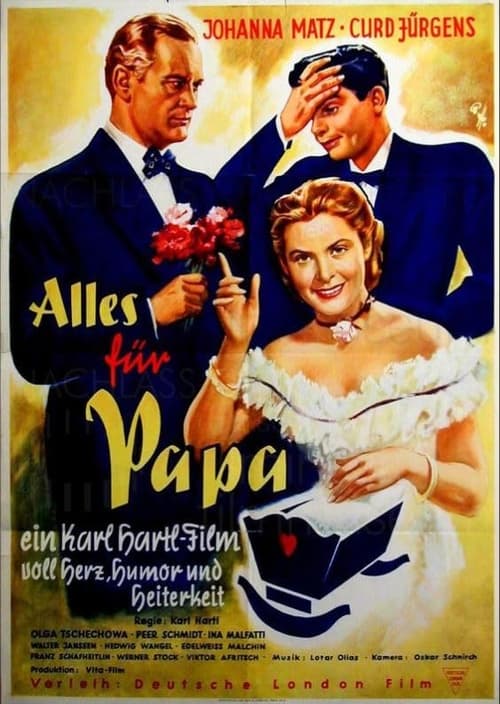
Family-friendly comedy about a daughter seeking a new wife for her recently widowed father. Charlotte Haberland leaves her boarding school and returns home to her father. Contrary to what most people would expect, since the death of his wife, the widower's been living a life full of joy and adventure. However, his daughter's been looking for a quiet housewife for dad; so, she's determined to "bring him back down to Earth". It soon becomes obvious, however, that it is she who wants a new mom that fits the housewife-mold. He's quite content to be the happy bachelor he once was.
Adaptation of Theodor Fontane's novel Mathilde Möhring.
King Frederick II and his leading advisors hesitate too long in the eyes of some officers, so Major von Schill decides to strike out on his own. He hoped that his brave move would be the catalyst for the great war of liberation. But von Schill's troops were soon defeated by a superior force of Dutch-Danish troops. The king takes a public stand against von Schill's actions and eleven of his officers are shot by summary execution on Napoleon's orders. However, one of them, Lieutenant Heinrich von Wedell, escapes death and is sentenced to forced labor for life. When Wedell's brother Karl, who opposed von Schill's unauthorized actions, learns of Heinrich's fate, he decides to help him in a risky way...
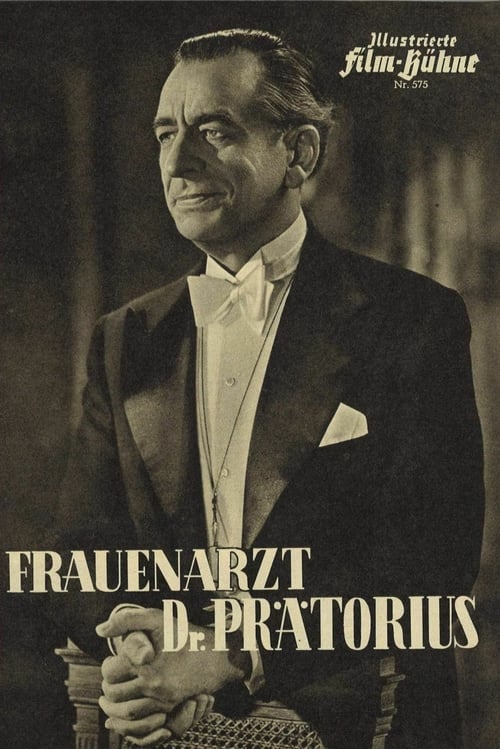
In the face of two world wars, Professor Prätorius, a philanthropist and a surgeon, wants to exterminate the one danger to mankind, the microbe of stupidity, as he states in a spontaneous lecture to his male and female students. When he tries to help a pregnant girl he gets involved more and more in her life and is forced to marry her.
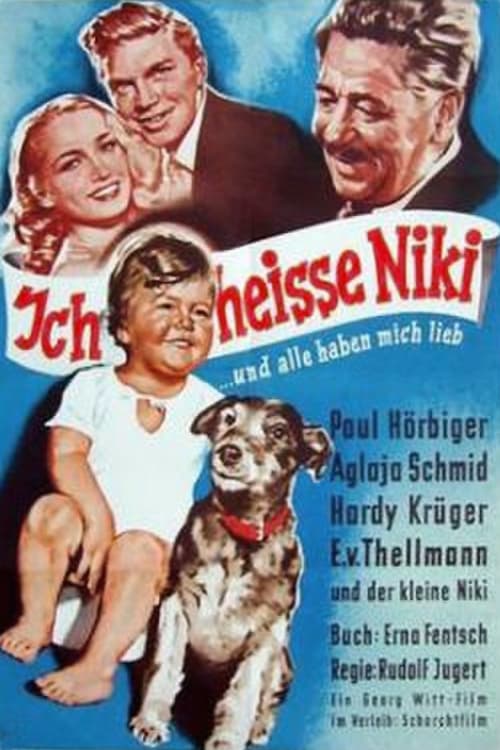
Winnie is desperate and doesn't know what to do next. She is about to marry her lover Paul, who has returned from war captivity. Both want to emigrate to America short after marriage. But the young woman has an illegitimate one-and-a-half-year-old son, whom she has kept secret from her fiancé. The short-tempered Paul would never understand that. When she is on her way to the orphanage, the grumpy senior civil servant Hieronymus Spitz and his little dog Tobby get into her train compartment. After a short observation, Winnie is certain that the misantrope actually has a good heart, because he lovingly takes care of his dog. Without further ado she leaves little Niki with the tax accountant and disappears from the train. Only a note with a request remains. The overwhelmed old gentleman initially wants to get rid of the child, but then takes it home and takes care of it together with his housekeeper. Both take the bundle of joy to their hearts. But then everything turns out differently.
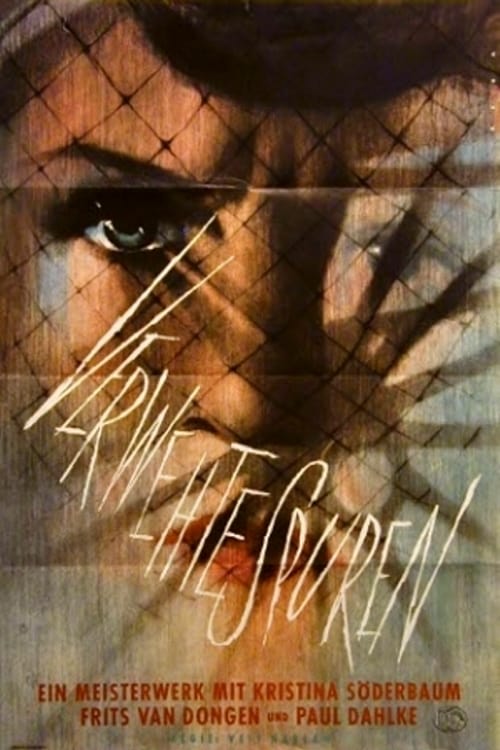
Séraphine and her mother arrive in Paris to visit the 1867 World Exhibition. In an overcrowded city they must be accommodated in separate hotels. During the night the mother, who wasn't feeling very well, gets suddenly worse. When next morning Séraphine goes to meet her every trace of her presence has disappeared and everybody denies having ever met her. The bewildered young woman must find someone who believes her. Previous version of So Long at the Fair (1950).
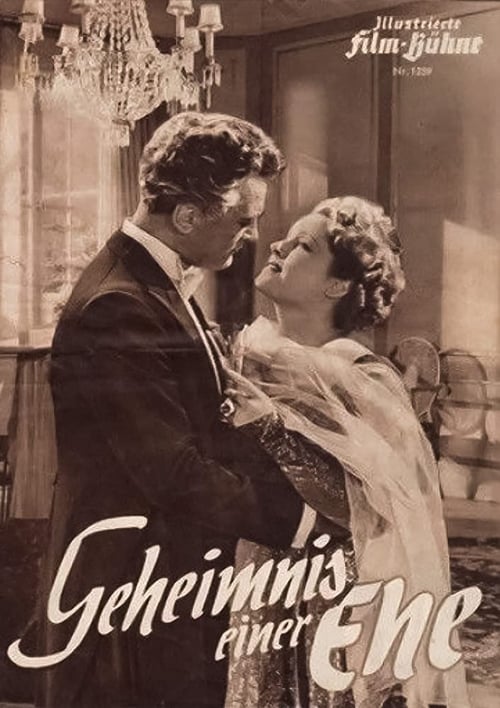
Professor Lorenz is nominated for the highest accolade of his profession, and he smiles about his sons' juvenile mismanagement of private funds. Then he learns that one of them has forged the professor's signature on several IOUs.
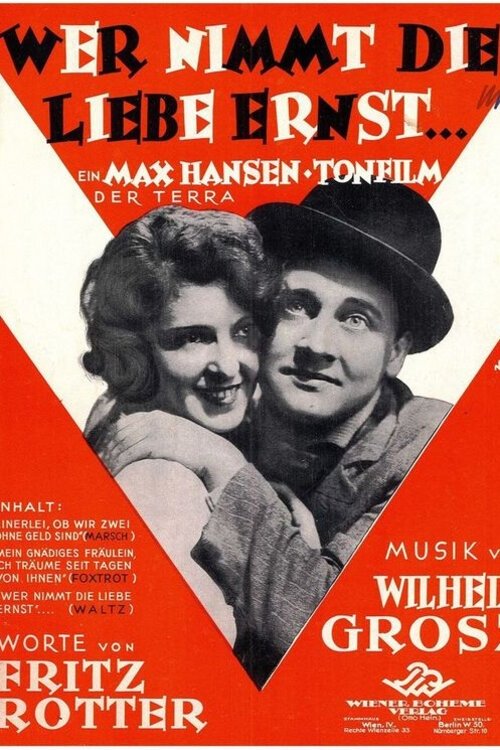
Max Hansen and Willi Schur play two small-time criminals who steal dogs from their owners in the hope that they will get a reward. When the police catches them at their 'work', Hansen flees and gets into the apartment of Jenny Jugo, who takes a liking to the man and pretends that he's her boyfriend. Her landlady isn't amused, and so our heroine loses her rooms and moves in with Hansen. The two of them soon become lovebirds, of course. But when they later go to an entertainment park and Jugo takes part in a beauty contest, trouble arises...
The life story of Friedrich List, an influential 19th century German political economist who developed the liberal nationalist theory of political economy in both Europe and the United States.
Tina Camphausen has three children, Christian, Schwänchen and Musi, who has grown up for 15 years without a father. The family leads a peaceful life together with Paul, the woman's partner whom the children have accepted. Cohabitation is tested when Felix makes his appearance, Tina's childhood friend and Christian's probable biological father.
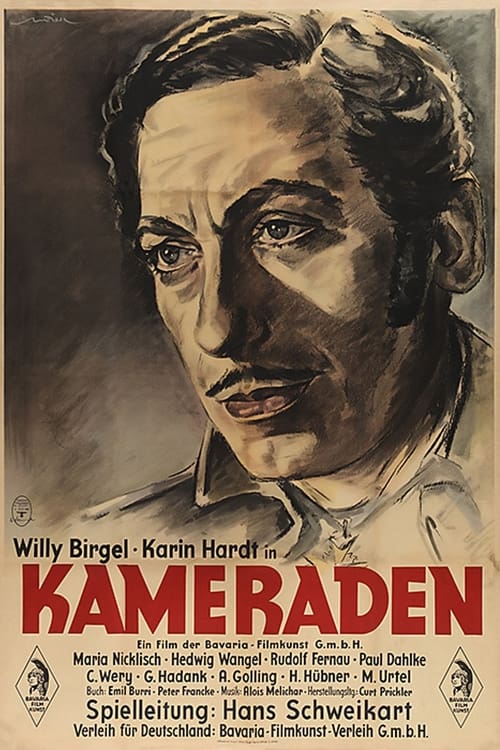
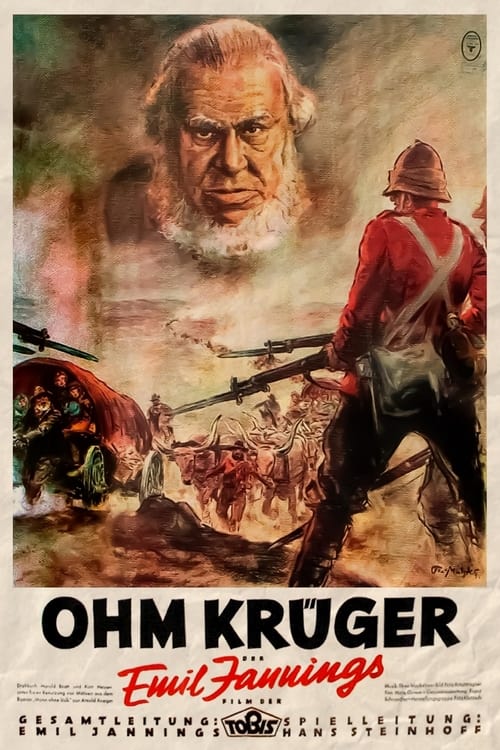
An anti-British propaganda film from Nazi Germany which depicts the life of the South African politician Paul Kruger and his eventual defeat by the British during the Boer War.
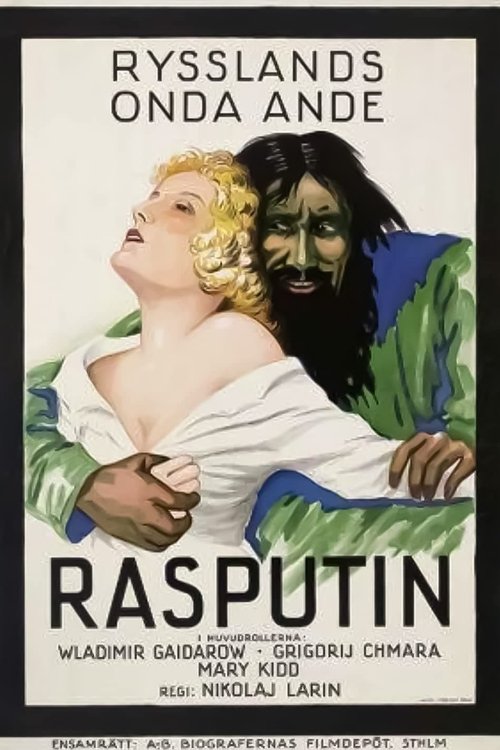
A young engineer falls in love with the Russian countess Tatiana. Their relationship describes the turbulent times of Russia, when it entered the war and later the Revolution. In addition, the monk Rasputin has an important place in the story.
A young man and woman meet on a bridge, both about to commit suicide by jumping into the river, and recount to each other their experiences.