Acting
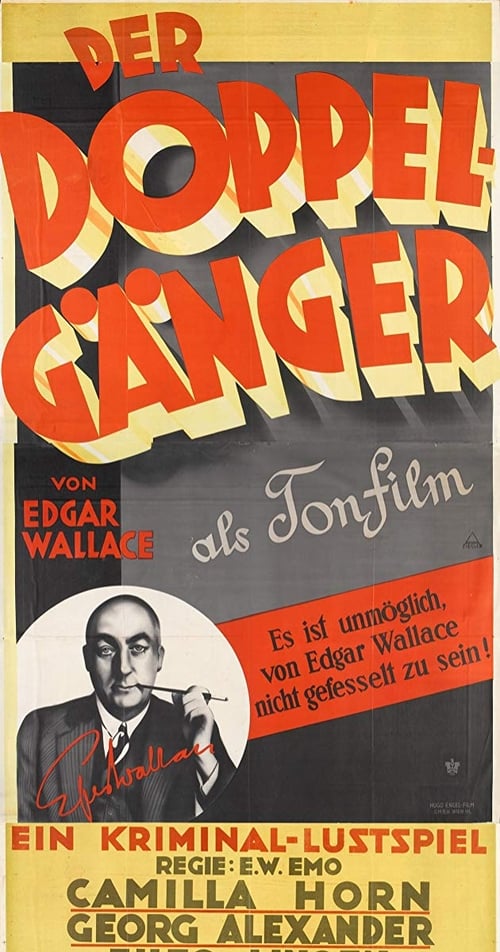
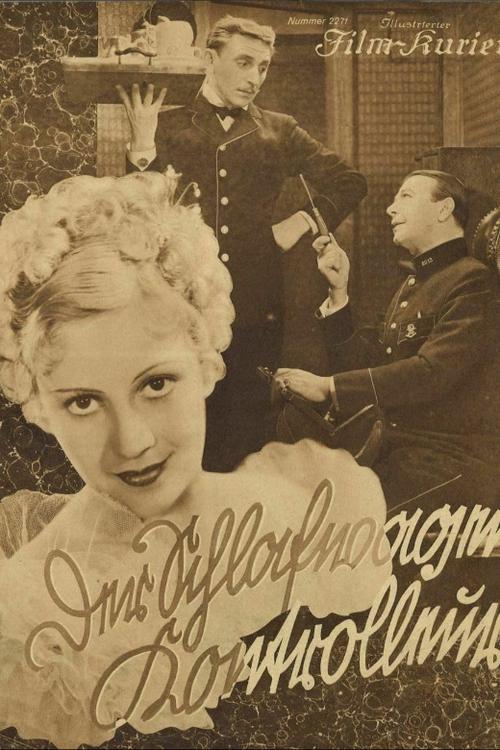
Jenny confronts her cousin Harry: Did he embezzle her fortune? No. But he escapes with married lover Germaine only to return quickly because her husband pursues them. Jenny is convinced Harry is his own double and arrests him at gunpoint.
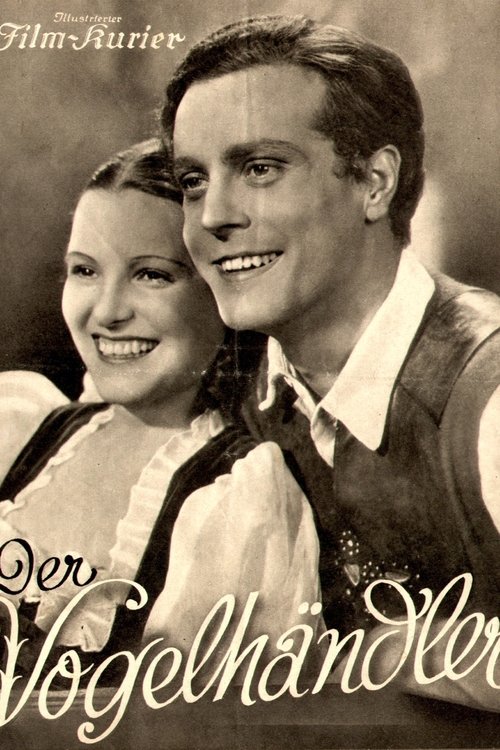
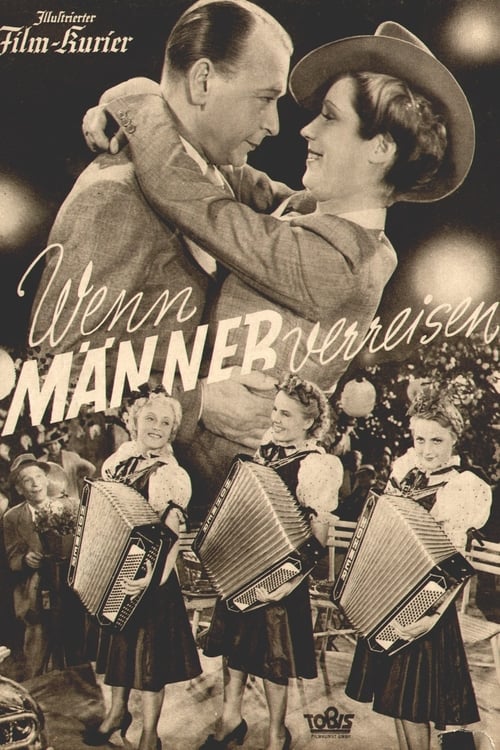
The film is an adaptation of the 1891 operetta Der Vogelhändler by composer Carl Zeller, with libretto by Moritz West and Ludwig Held, though it incorporates few of the original songs, using them mostly instrumentally or in the background. The plot follows Adam, a Tyrolean bird seller in 18th-century Rhineland, who hopes to marry his beloved Christl, a postmaster's daughter; to secure his future, she arranges for him to perform at court, but complications arise when she is mistakenly suspected of an affair with a philandering prince.
No description available.
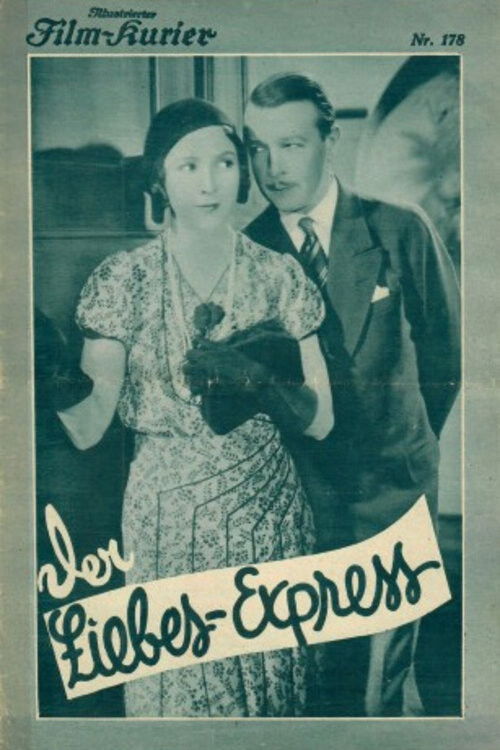
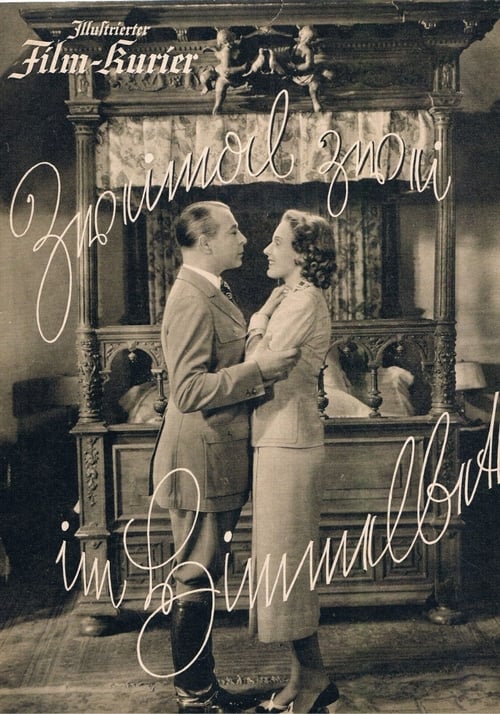
Ludwig Gruber, the director of a spa café, is a good man. Now and again, he makes little adventure-trips to Berlin to find business for his company. The women he is traveling with have an accident on the highway. Gruber is traveling incognito as “Mr. Rabbit” with Lotte, the leader of the group. Because of the accident, they’ll have to overnight together in a hotel. Since Mr. and Mrs. Rabbit are a “couple”, they’ll be getting a double-room, where they can … mmm … do what rabbits do. Since they both insist on climbing into bed with the lights out, it isn’t until the next morning that they notice they’ve been in the same bed the whole night. In the ensuing chaos, Grube loses his wedding ring, which is later sent to the address of Lotte’s mother, who now insists repeatedly, that he marry her daughter.
Musical about a girl typist who leaves Berlin for Venice after winning a contest. A rich bachelor pretending to be poor takes a job with her and competes for her affections with a count and a tenor. No print of the film is known to survive, and it is therefore a lost film. It is based on the operetta Es lebe die Liebe by Alexander Engel and Wilhelm Sterk. It was one of a cycle of operetta films made during the early sound era. A French-language version, Venetian Nights (Nuits de Venise), also directed by Wiene, was released the same year. From Wikipedia.
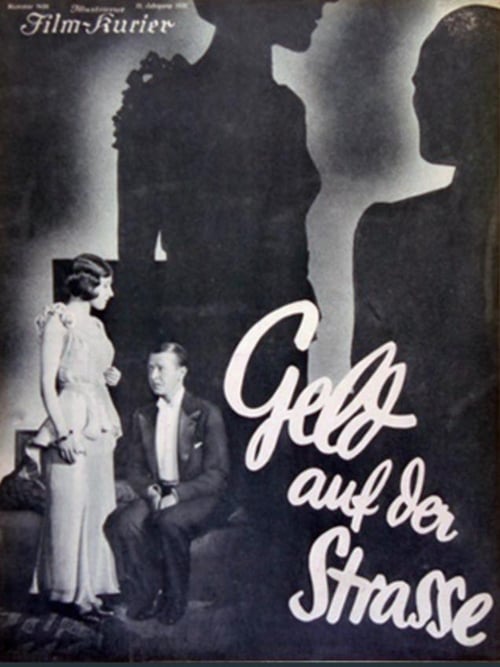
In this romance, a banker's daughter suddenly breaks off her engagement on her wedding day. She then meets a man who believes in easy money. He sees her as his meal ticket and the two take off together.
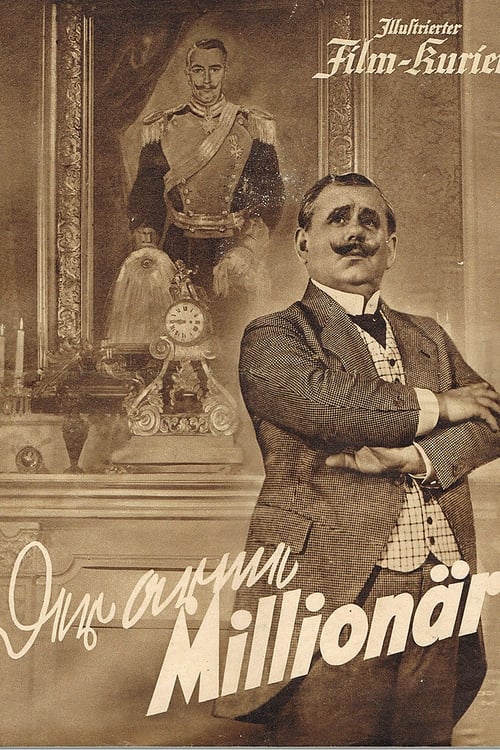
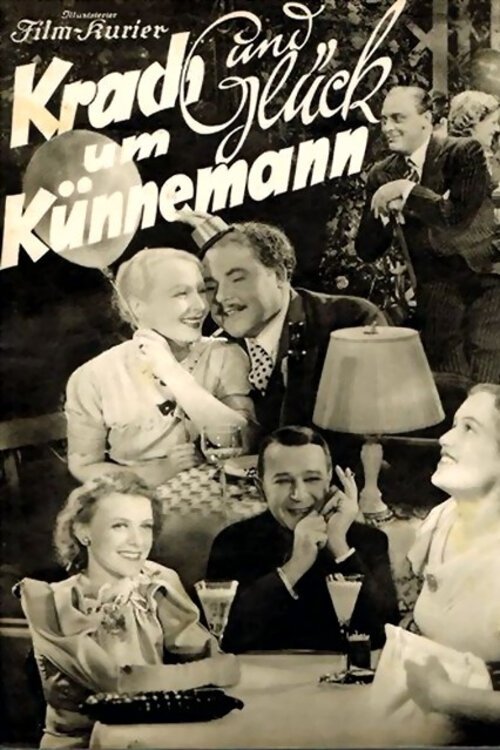
A shoemaker has delusions of grandeur when he inherits from a baron whose life he saved.He prevents his daughter from seeing a mere carpenter, abandons humble old friends, and shows poor judgment by falling for a couple of poseurs.
For more than 50 years, Pauline Neuber has directed the "Olympia" theatre, but lately, business has been bad. It appears that no one will be able to make it better either: the audience doesn't seem to like the plays; the press even less so; and the shareholders of the theatre want to sell their shares. In short, the "Olympia" has one foot in the grave. Erich, grandchild of Pauline and always underestimated by her, gets to know Hella Bergson, the daughter of the theatre critic Peter Bergson, and falls in love with her - but doesn't have an idea whose daughter she is. He plays her some melodies from the first operetta he's ever composed and Hella convinces him to have the operetta performed in the "Olympia". During rehearsal of the operetta, however, a fight breaks out between Erich and Hella over a stupid misunderstanding.
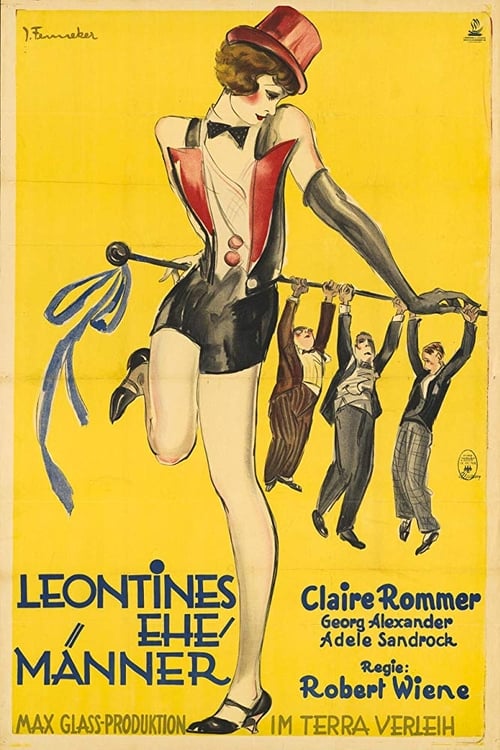
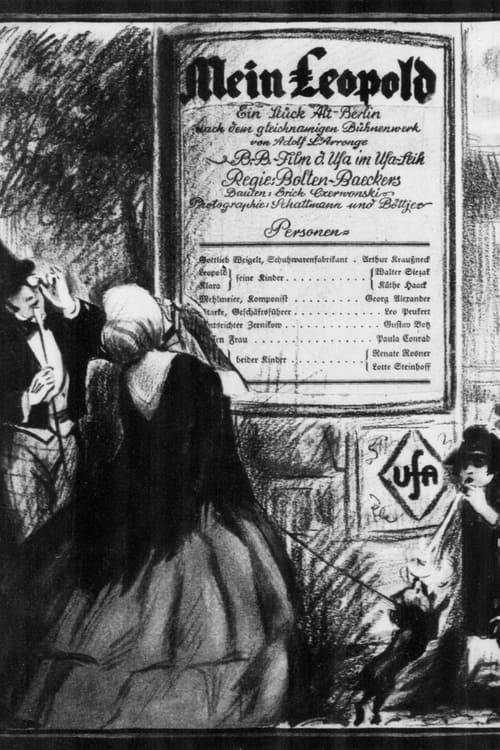
a silent movie by Robert Wiene
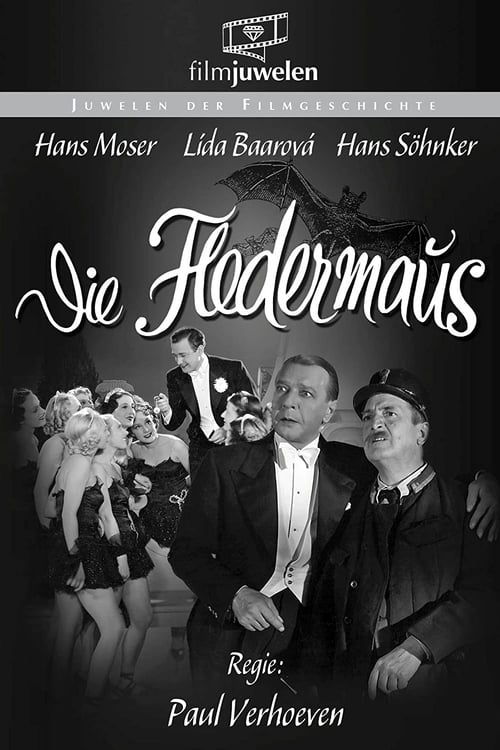
The delightful Johann Strauss comic opera Die Fledermaus was mercilessly lampooned in this truly bizarre production. For starters, a framing device has been added: After appearing in 300 consecutive appearances of Fledermaus (which translates as The Bat) the lead tenor (Georg Alexander) imagines that he's seeing bats everywhere. Driven a bit over the edge by all this, he falls asleep and has a nightmare about the opera, with a group of non-singers cast in the leading roles. The original libretto about romantic assignations, political imprisonments and mistaken identity is burlesqued to the hilt: at one point, the hero finds out that his prison cell is surrounded by rubber tubes!
As the son of a fashion house owner in Zurich, Hans Haberland apparently can offer his lovers any article of clothing, for which they're willing to sell themselves. His current girl-toy Lizzie wants this fantastic, sky blue dress -- but it's that dress exactly, which his father has just sold to a business buddy in Berlin. Oh, the shortages and traumas of war one has to put up with!
Eberhard gets into a brawl with Dr. Spindler not knowing that he just slapped his boss. To avoid the embarrassment Eberhard asks his friend Frank to substitute for him in the meeting with Dr. Spindler. Which accelerates the ensuing chaos.