Writing
No description available.
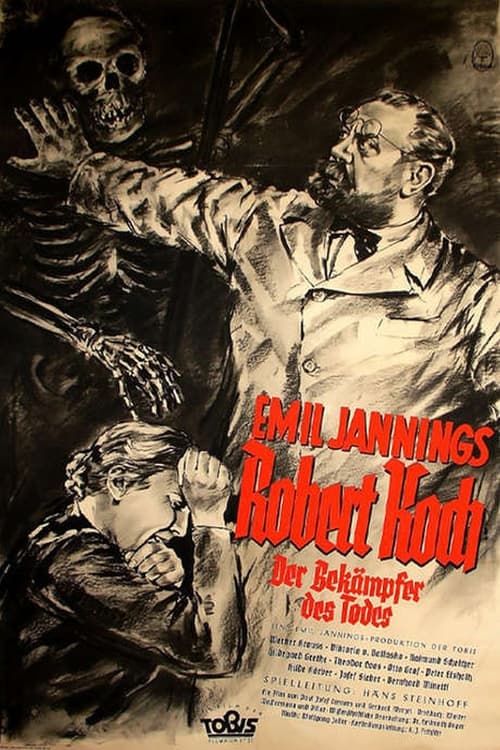
Country Dr. Robert Koch is desperate: a tuberculosis epidemic is decimating the children in his district and no one is able to do anything about it. Every fourth child is already sick and the parents must helplessly watch as their young ones die. Now Koch is undertaking to find the cause of the tuberculosis --- something he has already been working on for years --- which has been causing this plague of illness. His work is made more difficult by envy; for example, that of his teacher, who was wounded defending his honor. But his greatest obstacle is the famous Berliner scientist and Reichstag deputy, Privy Councilor Rudolf Virchow: He is extraordinarily skeptical of Koch's theory, that the cause for tuberculosis is a bacteria.
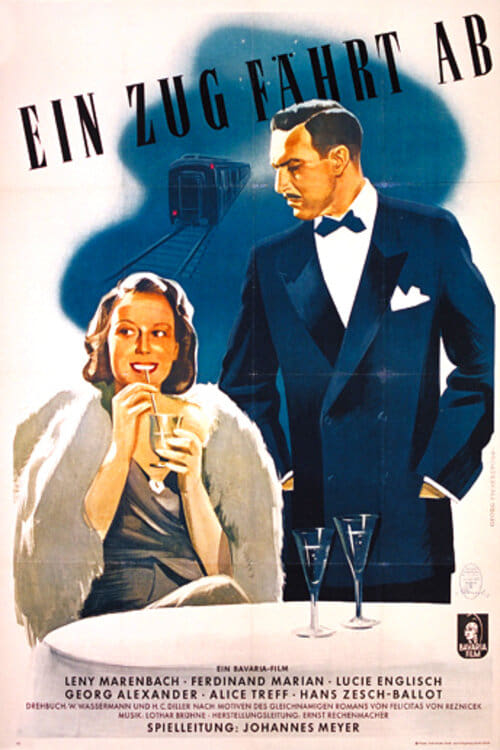
The delightful Johann Strauss comic opera Die Fledermaus was mercilessly lampooned in this truly bizarre production. For starters, a framing device has been added: After appearing in 300 consecutive appearances of Fledermaus (which translates as The Bat) the lead tenor (Georg Alexander) imagines that he's seeing bats everywhere. Driven a bit over the edge by all this, he falls asleep and has a nightmare about the opera, with a group of non-singers cast in the leading roles. The original libretto about romantic assignations, political imprisonments and mistaken identity is burlesqued to the hilt: at one point, the hero finds out that his prison cell is surrounded by rubber tubes!
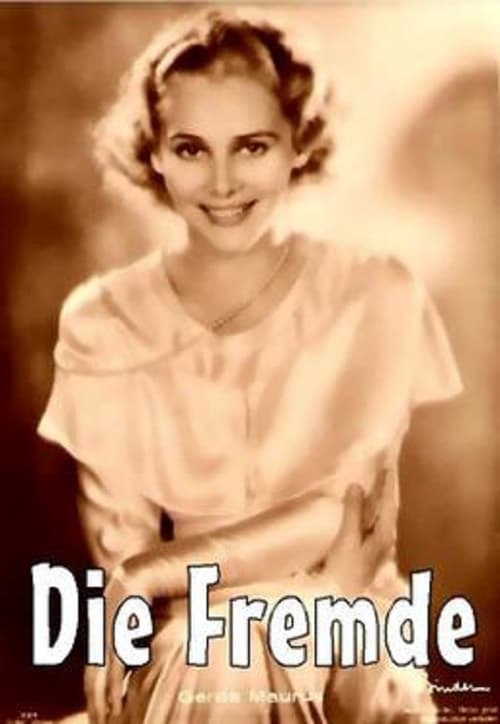
"The Stranger" is Mrs. Clarkson, the wife of a wealthy American. Mrs. Clarkson has entered into matrimony for the express purpose of accumulating a great deal of money. No, she isn't a spendthrift: She hopes to use the cash to finance a campaign of revenge, levelled against the man who ruined her mother.
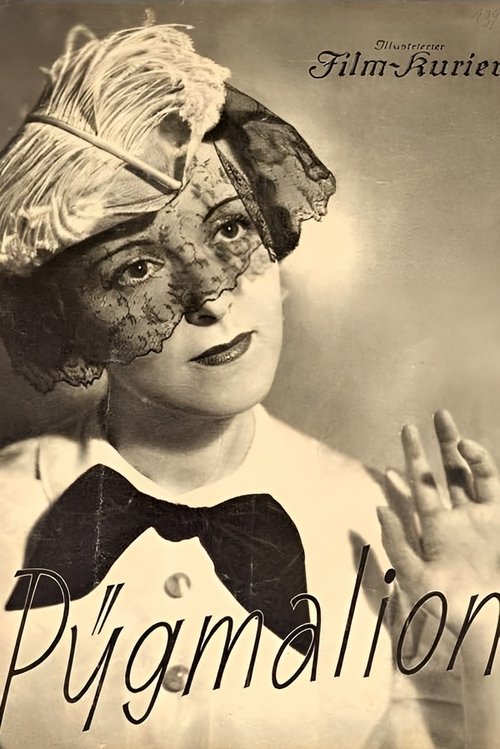
When linguistics professor Henry Higgins boasts that he can pass off Cockney flower girl Eliza Doolittle as a princess with only six months' training, Colonel George Pickering takes him up on the bet. Eliza moves into Higgins's home and begins her rigorous training after the professor comes to a financial agreement with her dustman father, Alfred. But the plucky young woman is not the only one undergoing a transformation.
Sergeant Hans Albers, the terror of Chicago gangsters, is transferred South of the border to deal with bandidos.
Uncle Ludwig’s childless estate hinges on his nephews: Peter studies agriculture and is engaged to Inge, while Paul, a court assessor, loves Marianne, whose father disdains “judges.” Both women secretly visit Bainingen, but Ludwig mistakes Inge for Marianne and vice versa, triggering a cascade of romantic mix-ups.
As a gang of classy jewel thieves hop from one European country to another, an engineer rescues a woman from their clutches.
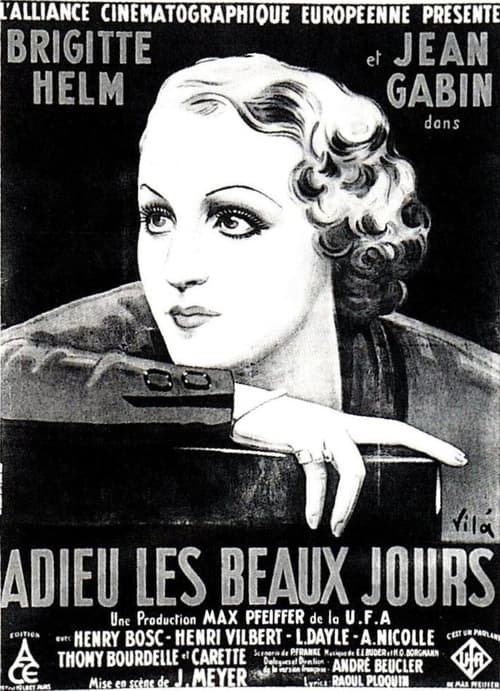
After she has abused the confidence of the young engineer Pierre Lavernay, the beautiful thief Olga, who has fallen in love with him, wants to break with her criminal past. Unfortunately, by the awkwardness of her former accomplices, Olga is extradited to the police and, sadly, her young lover turns back to Paris.
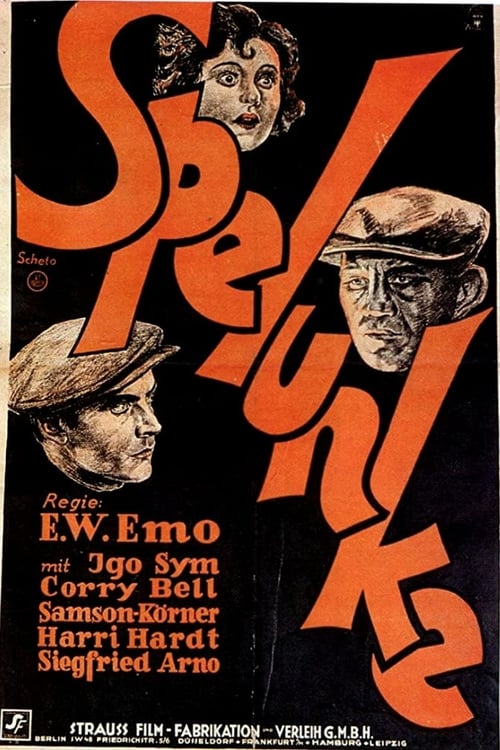
In this love triangle, two comrades working at a Berlin auto repair place fall out over a waitress they both want. The only way Rudi can think of winning away Erika from Hanni is to badmouth her to his rival.
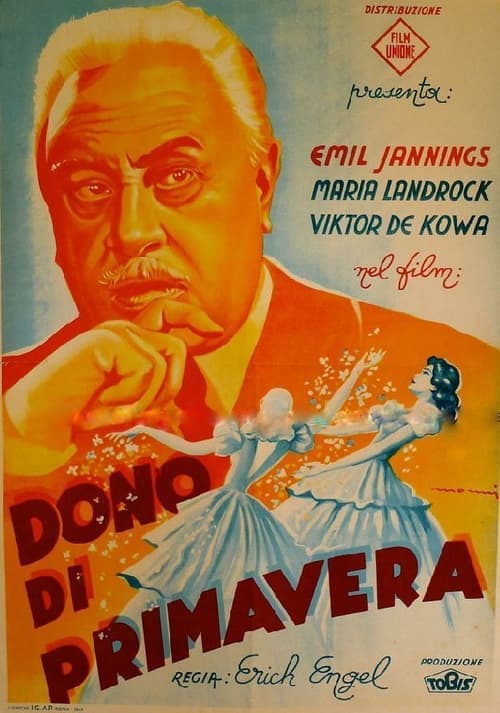
All throughout his entire life, Friedrich Wilhelm Hoffmann let his career run roughshod over his personal life. He had no wife, because he was married instead to his chocolate factory. Now he’s old and gray, and his relatives, who are greedily waiting for him to kick the bucket so they can get their hands on his worldly goods, keep their distance from him. Then one day, an astonished Hoffmann is visited by a young woman named Brigitte, who asserts, that she’s his granddaughter. Suddenly, it all comes back to the old man: as a young man, he had a short, but intense, love affair, which he had to end on the insistence of his father.
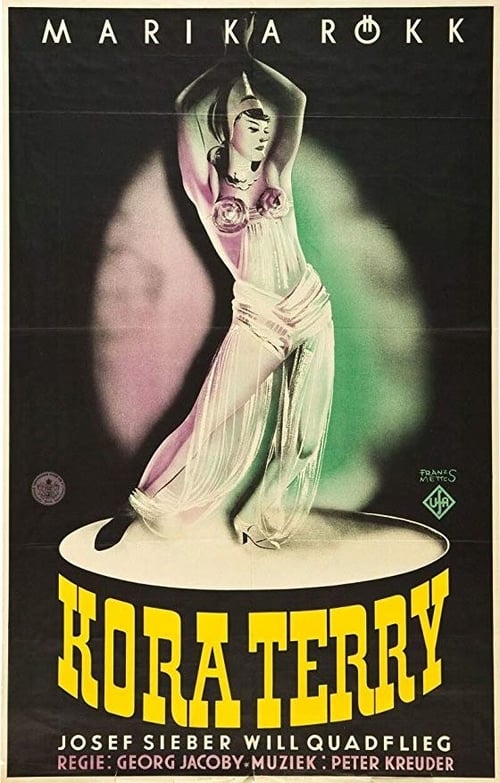
When Bartos, the director of the Odeon variety theater, cancels an artist at short notice, he hires the Terrys out of necessity, whose parents were successful variety artists, but who had not yet received an engagement themselves. Both are supported by Tobs, a friend of their parents. While blonde Mara Terry arrives punctually for the first rehearsal, her dark-haired sister Kora is late like a diva and acts aloof and snippy. At their first performance together the next day, Kora is overtired from partying the night before. During a dangerous act in which she has to balance her upside-down sister on her head, she becomes careless...
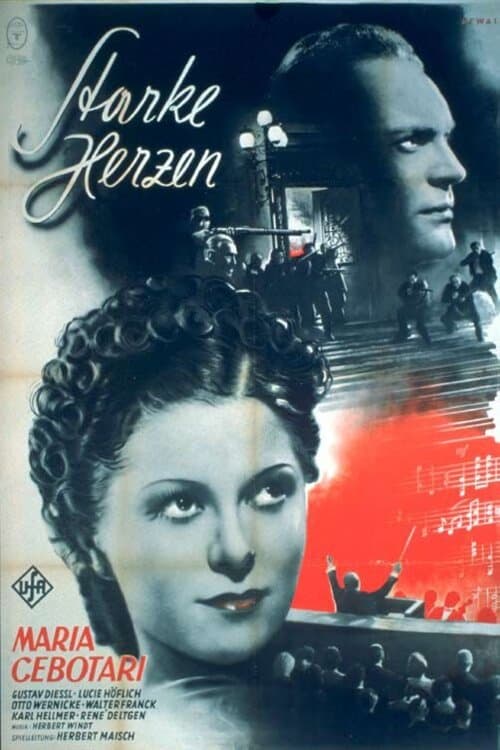
On the eve of the Russian Revolution, a performance of "Tosca" is taking place at the opera house. The artists and staff are too engrossed in their work to notice the unrest in the streets. The leading roles are played by Marina Marta and René Areno, who are also lovers. However, Marina has another admirer in Captain Alexander von Harbin. When, during the final performance, the insurgent communists suddenly storm the opera house, Alexander seems to be Marina's last hope…
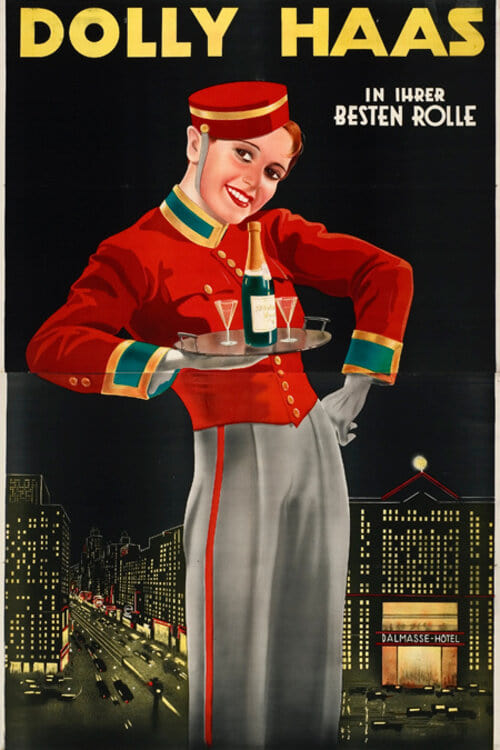
Dolly Haas is employed as a (supposedly male) servant at a Hotel.