Directing
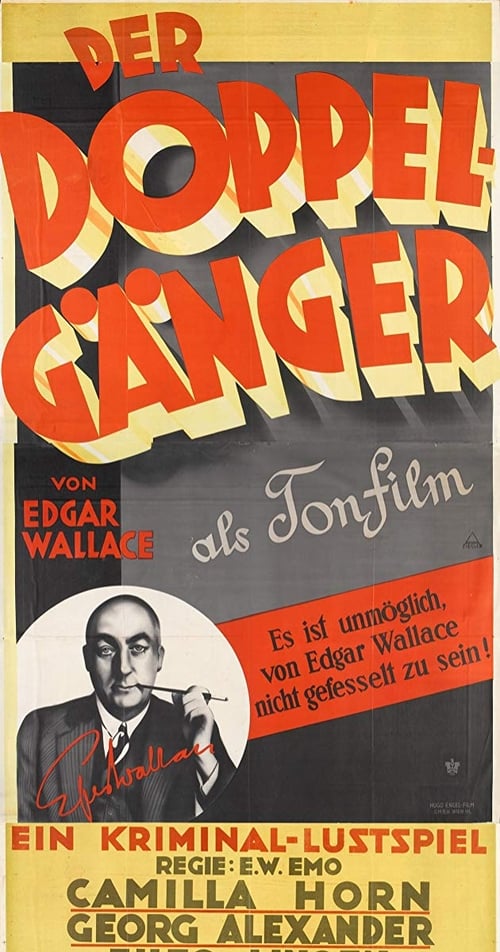
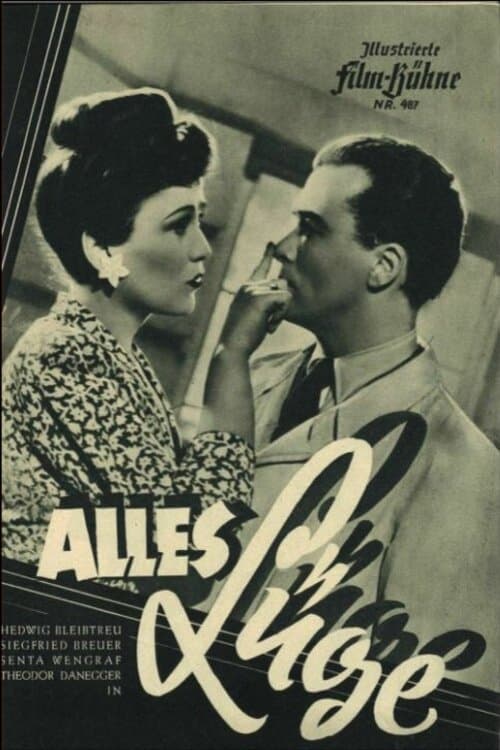
Jenny confronts her cousin Harry: Did he embezzle her fortune? No. But he escapes with married lover Germaine only to return quickly because her husband pursues them. Jenny is convinced Harry is his own double and arrests him at gunpoint.
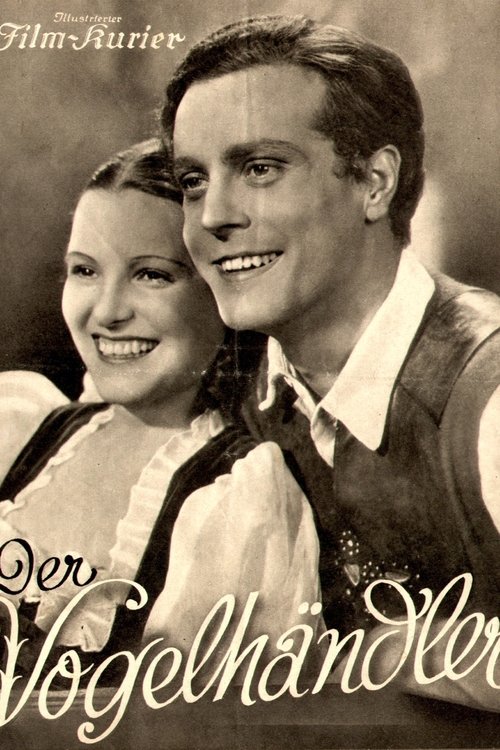
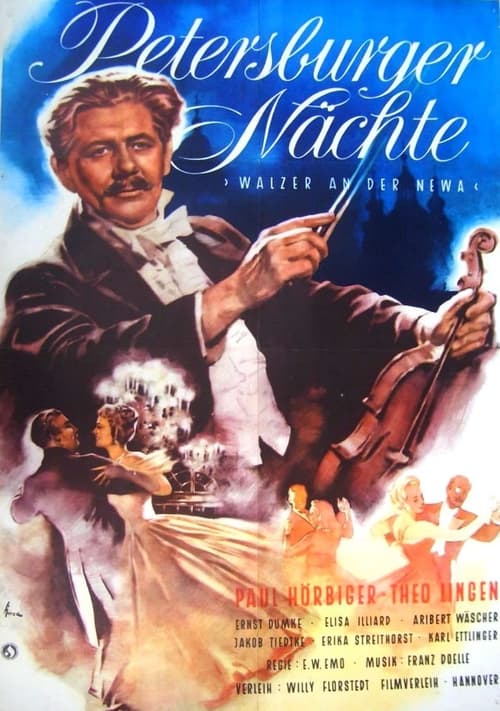
The film is an adaptation of the 1891 operetta Der Vogelhändler by composer Carl Zeller, with libretto by Moritz West and Ludwig Held, though it incorporates few of the original songs, using them mostly instrumentally or in the background. The plot follows Adam, a Tyrolean bird seller in 18th-century Rhineland, who hopes to marry his beloved Christl, a postmaster's daughter; to secure his future, she arranges for him to perform at court, but complications arise when she is mistakenly suspected of an affair with a philandering prince.
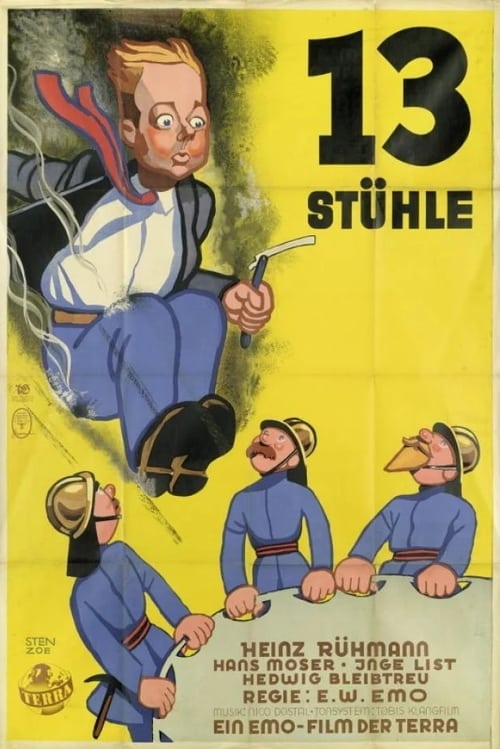
A classical art junk dealer and an almost bankrupt hairdresser who unexpectedly makes an inheritance go hunting behind thirteen chairs from which of a 100,000 DM contains which the rich aunt has hidden there.
No description available.
Klementine Plamershof is a fun-loving young woman. She has long been “confined” to a girls’ boarding school, where she is studying music with growing reluctance.
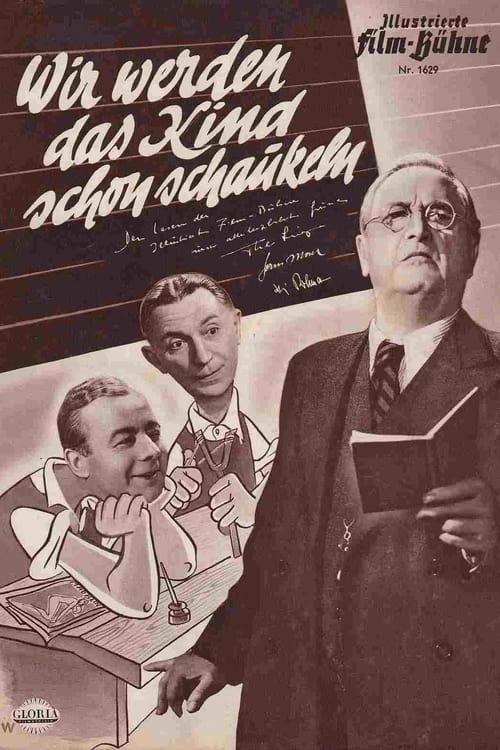
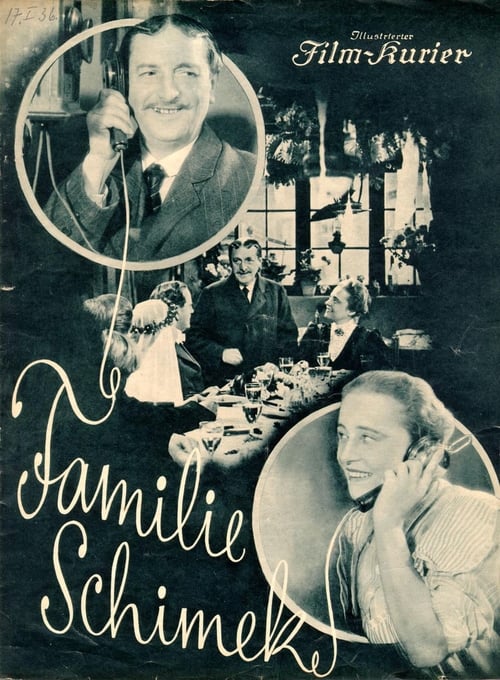
When the mathematics teacher discovers a love letter from his daughter, family father Felix Schneider is suspected of having a secret lover.
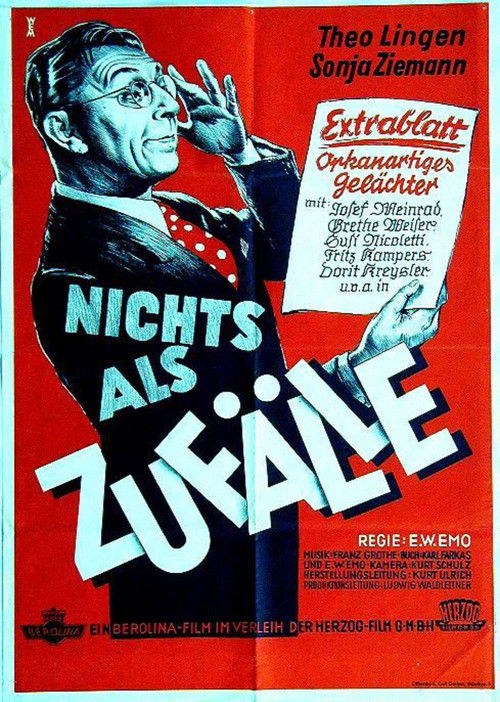
A film for scatterbrains. Everyone's constantly forgetting something – the daughter the little dog, the father the files, the chauffeur forgetting to close the roof of his taxi when it's pouring rain and his passenger gets soaked. Everyone rushes through life and doesn't even have time for themselves. Then a "young" student (Hans Söhnker) returns to his hometown. He receives a lavish welcome and, at 34, is probably one of the oldest students in German film history. He has three fathers who support him financially and studies on their money. Interminably. Now he has to accept that his fathers have run out of money for his studies. So he rolls up his sleeves, forgets about the expensive degree, and switches to a trade. He does hair, he drives, he assembles film, he shaves, and he pins seams. There he meets a young lady, has time to serenade her, and then learns that his biological father is a millionaire, who now lends him a hand and distributes cash to the other cash-strapped fathers.
Newlyweds Käthe and Max met while studying law. Trouble ensues when Max takes on his first case without telling his wife.
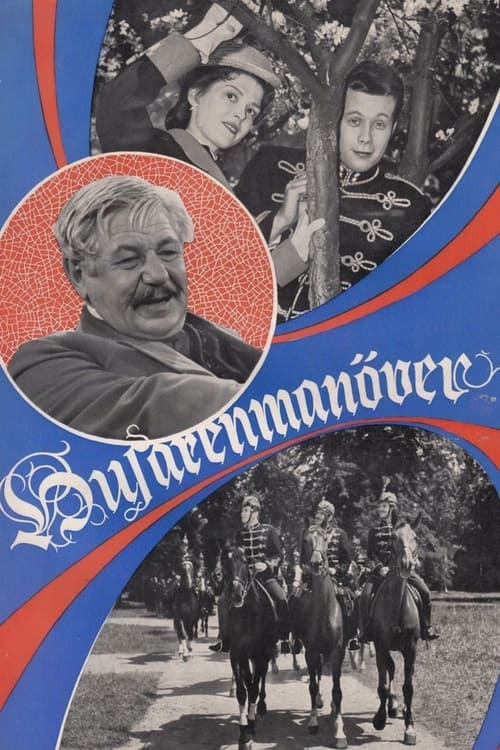
For three difficult orphans living by her aunt the former employee of the family searches a new premouth; he releases with it a result of tumultuous involvements. - Humble-entertaining mistake farce, completely fitted on Hans Moser.
On the occasion of a charity ball in Vienna a kiss of a famous actress should be auctioned. Misunderstandings between the manager of the film star, a record producer and a student lead too all kinds of mistakes, during which a student is mistaken for a prince in disguise and almost breaks his hapiness. - Quickly and expertly produced mistake comedy with a lot of singing desposits and an at than popular comedian line-up, which offers amusing surface entertainment.
Vienna 1910 is a 1943 German biographical film directed by Emerich Walter Emo and starring Rudolf Forster, Heinrich George and Lil Dagover. It is based on the life of Mayor of Vienna Karl Lueger. Its antisemitic content led to it being banned by the Allied Occupation forces following the Second World War.
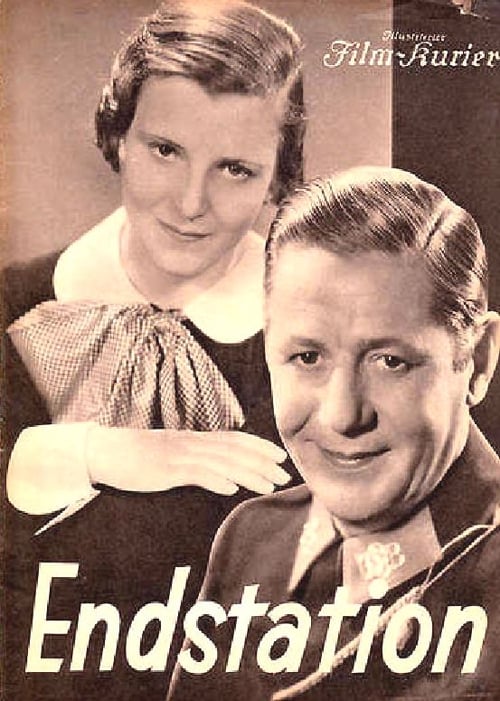
Endstation offers the American viewer tantalizing glimpses of busy, bustling mid-1930s Vienna. Otherwise, this minor yarn of an amorous streetcar conductor is strictly formula material. The film benefits from the star power of Paul Horbiger, resplendently garbed in an elaborate conductor's uniform. Also worth noting is the performance of Maria Andergest as the woebegone hatmaker whose fate is inextricably linked with hero Horbiger. Incidentally though the direction is credited with one E. W. Emo, Paul Horbiger actually called most of the shots on Endstation.
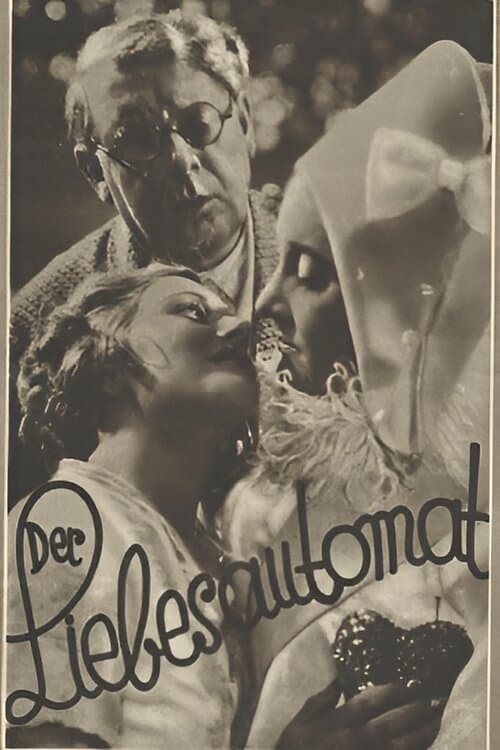
Herr Eickmeyer is a wealthy parfumier: well past middle age, and stout with it. His blonde wife Lissy is much younger, pretty and vivacious. Since Eickmeyer can't keep up with his young wife, he commissions a companion for her in the form of a life-sized talking clockwork man, purchased for 5,000 deutschemarks ... to be shipped to his home immediately it's assembled.
Dan Douglas is a typical Scottish. When his niece Evelyne marries engineer Fred Keller aboard the ship to Scotland, he gives her a pearl necklace as dowry, but it's false. The newlyweds face their differences when the necklace gets lost.
Mathilde Kratzer owns the entertainment venue "Bei Mathilde" (At Mathilde's). Her roommate Max also has a financial stake in the establishment, but only as a silent partner, which is why he works either as Mathilde's servant or as the bouncer. He would love to rename the venue "Bei Max und Mathilde" (At Max and Mathilde's), but Mathilde would rather return his investment. Because she can't afford to do so, Max is in financial trouble and is being relentlessly pursued by the tax authorities.
A moron buys a worthless piece of land, which a swindler passed off as an oil field.