Production
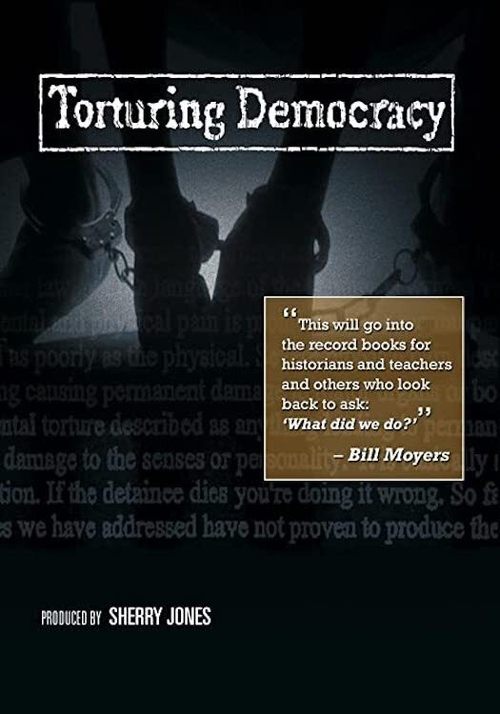
Democracy is a 2008 documentary film produced by Washington Media Associates and narrated by Peter Coyote. The film details the use of "enhanced interrogation techniques," including waterboarding, by the Bush administration in the "War on Terror". The documentary includes interviews from U.S. State Department and military personnel, including former Deputy Secretary of State Richard Armitage.
Frontline and Time magazine step back from the heat of the 1988 presidential campaign to examine, in-depth, the background, character, qualifications, and beliefs of the Republican and Democratic candidates, George Bush and Michael Dukakis. Correspondent Garry Wills assesses their lives and career through the people who know them best.
Following America's withdrawal from the Anti-Ballistic Missile (ABM) Treaty, FRONTLINE examines the reason why: the Bush administration's determination to deploy an antimissile system. Supporters say national missile defense is essential to protecting America from a missile attack by rogue states. Critics argue that terrorist attacks like September 11 are a far greater threat than that posed by ballistic missiles. In "Missile Wars," FRONTLINE examines both sides of the missile defense debate. Through interviews with staunch proponents, skeptical scientists, and military and intelligence experts, the one-hour documentary investigates this multi-billion dollar--yet still unproven--weapons system, and explores how national missile defense fits into the nation's military strategy after 9/11.
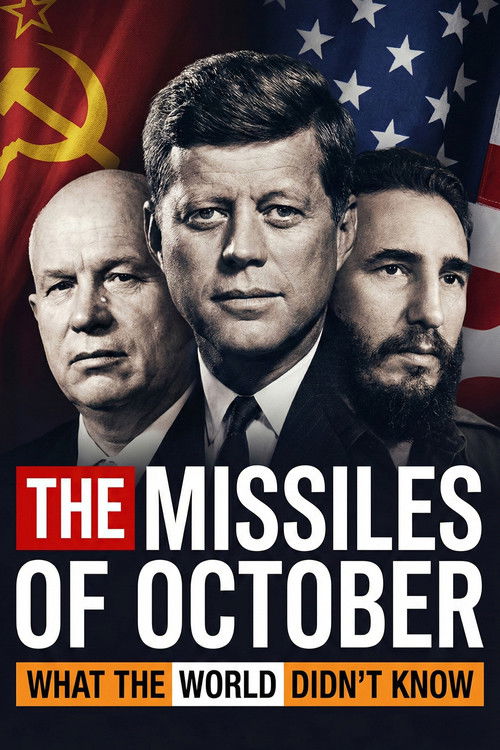
This documentary by ABC News commemorates the 30th anniversary of the 1962 Cuban Missile Crisis. It provides a behind-the-scenes look at how close the U.S. and Soviet Union actually came to catastrophe.
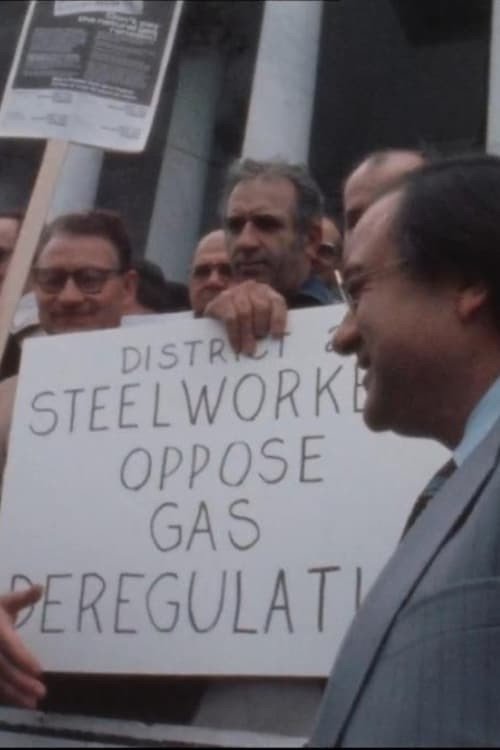
In the 1970s, the U.S. faced an energy crisis so severe that President Jimmy Carter declared it “the moral equivalent of war.” Seeking to curb the country’s dependence on foreign oil, Carter kicked off a legislative melee with the divisive Natural Gas Policy Act of 1978 at its center. This epic look at the inner workings of government chronicles the arduous efforts of lobbyists, senators, cabinet members, and the president himself to reach a compromise amid a deeply divided Congress. Directed by legendary documentary filmmakers D. A. Pennebaker, Chris Hegedus, and Pat Powell as a three-part PBS special, THE ENERGY WAR is a riveting immersion into the high-stakes world of DC dealmaking as well as a timely account of the messy realities of lawmaking in a fractious political environment.
They went to keep the peace. But 241 died-caught in a military and political cross fire. One year after the pullout of American Marines from Lebanon, Frontline correspondent William Greider examines the decision and asks: Where should Americans die, and what should they die for?
As the Iran-contra scandal was still unfolding, Frontline correspondent William Greider revealed how the US began supporting the contras in Nicaragua and why our involvement there continues. The program is a meticulous reconstruction of US policy toward Nicaragua, and an investigation into how US foreign policy is made.
From lonely, early days of presidential ambition, through months of promise, to the day of denial, Frontline follows the 1984 presidential campaign of Gary Hart.
Half of all American marriages end in divorce. Using unique access to mediation and court proceedings, Frontline profiles the couples, the lawyers, the judges, and most poignantly, the children caught between parents.