FEEL IT.STREAM
Dorothea Wieck

Dorothea Wieck

Acting

Biography

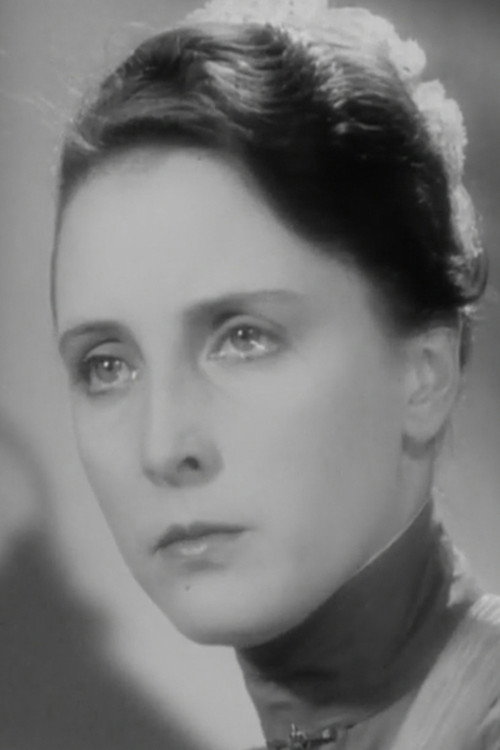
Dorothea Wieck, born Dora Bertha Olavia Wieck (3 January 1908 in Davos, Switzerland – 20 February 1986 in Berlin, West Germany), was a German theatre and film actress. Wieck launched her acting career on stage in 1924 and made her screen debut in German films in 1926, appearing in several silent films. She became widely known through her leading role in the 1931 film Mädchen in Uniform (Girls in Uniform). Her American film debut came in Cradle Song (1933). Wieck appeared in around 50 films and played on the stages of many large theatres, notably at the Deutsches Theater and the Schillertheater, Berlin. She also worked as a theatre director. After World War II, she appeared in films only in supporting roles, and she withdrew from films almost entirely in the early 1960s. In 1973, Wieck received the Film Ribbon in Gold of the Deutscher Filmpreis for long and outstanding achievements in German film.

Known For

No image
6.0

No description available.

German Film Award

1951
The Commissioner
8.0

Der Kommissar is a German television series about a group of detectives of the Munich homicide squad. All 97 episodes, which were shot in black-and-white and first broadcast between 1969 and 1976, were written by Herbert Reinecker and starred Erik Ode as Kommissar Herbert Keller. Keller's assistants were Walter Grabert, Robert Heines, and Harry Klein who, in 1974, was replaced by his younger brother Erwin Klein.

The Commissioner

1969
Mädchen in Uniform
7.1

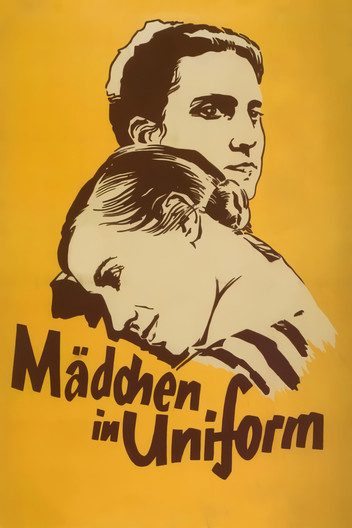
A sensitive girl is sent to an all-girls boarding school and develops a romantic attachment to one of her teachers.

Mädchen in Uniform

1931
A Time to Love and a Time to Die
7.3

A German soldier home on leave falls in love with a girl, then returns to World War II.

A Time to Love and a Time to Die

1958
Brainwashed
7.1

Werner von Basil, a Austrian intellectual, was captured by the Nazis in 1938. They want to break him to confess smuggling. Without any mental sustenance, the only thing left to keep his mind busy is an old tactics book for chess.

Brainwashed

1960
Anastasia: the Czar's Last Daughter
6.5

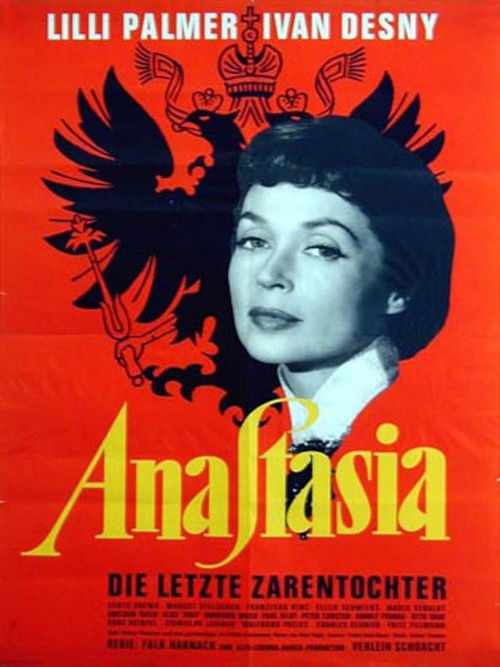
In 1920, an unknown 24-year-old woman was fished out of Berlin's Landwehr kanal after a suicide attempt. Since she has no papers and no answers to any questions, they soon assign them to the insane asylum Dallendorf. A co-patient believes she recognizes the Czar's daughter Anastasia Romanowa - who apparently was the only one who survived the murder of the tsar's family in 1918.

Anastasia: the Czar's Last Daughter

1956
The Student of Prague
6.4

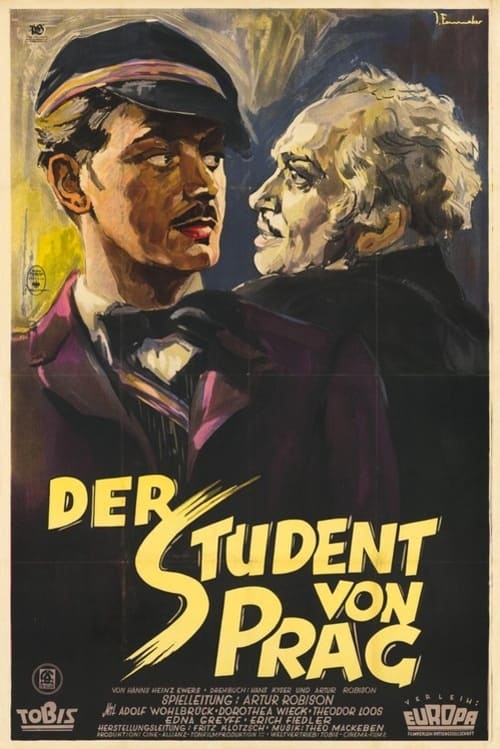
Prague in the 1860s: Balduin is a popular, handsome student, the best fencer in town, in amicable rivalry with his friend Dahl for the affections of Lydia, the innkeeper's niece. While the students are celebrating Lydia's birthday, the opera singer Julia Stella arrives at the inn - and Balduin's life begins to unravel. He is immediately infatuated with the glamorous singer - but she is already kept by an admirer, the wealthy and foppish Baron Waldis. How can a poor student hope to compete? The mysterious Dr. Carpis, who also has ties to Julia and is jealous of the Baron, intervenes. But the price will be higher than Balduin can ever imagine. He risks his sanity and his life - perhaps his very soul - haunted by his own reflection.

The Student of Prague

1935
Miss Fane's Baby Is Stolen
6.0

Miss Madeline Fane is a famous California screen star who has been devoted to her baby son Michael since her husband's death the previous year. One morning she awakens to find Michael has been kidnapped. After a day, she calls in the police, who instantly begin an all-out search.

Miss Fane's Baby Is Stolen

1934
No Greater Love
5.8

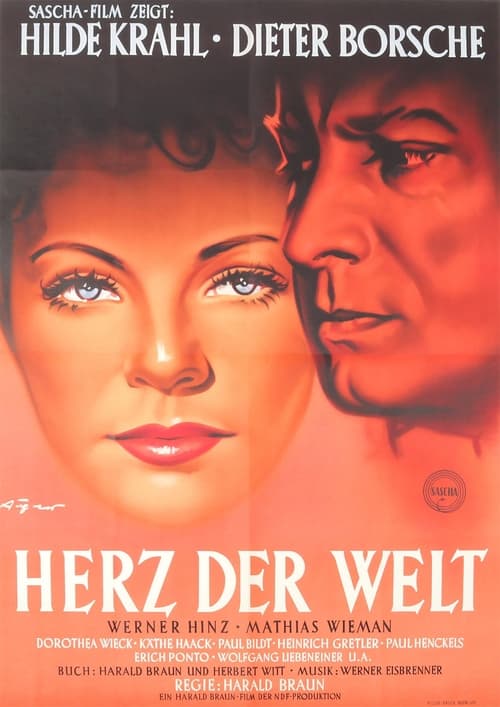
Directed by Harald Braun and told from the perspective of Bertha von Suttner, the first female to receive the Nobel Peace Prize, The Alfred Nobel Story - No Greater Love chronicles the life of scientist, inventor, and businessman Alfred Nobel. Nobel built a massive fortune throughout his life, and while much if it was amassed by his inventions--dynamite being perhaps the most notable--he was also revered for his discoveries within the fields of science and economics. Upon his death, Nobel decided that his fortune was simply too great to continue in the form of an inheritance or single charitable donation, opting instead to use the money as reward for the greatest contributors to physics, chemistry, medicine, literature, and, of course, peace.

No Greater Love

1952
The Lady of Scuderi
9.0

Several men have been murdered lately, mostly rich lovers on their way to meet their mistresses with gifts of fine jewelry. To fight this scourge, King Louis XIV decides to create a special court named "La chambre ardente", designed to find and punish the perpetrators of such heinous crimes. An unexpected person, Mademoiselle de Scudéry, the famous poetess, will find herself entangled in the web of a criminal intrigue linked with the jewel murders, along with a a goldsmith, his daughter and her fiancé...

The Lady of Scuderi

1955
A Mad Idea
7.0

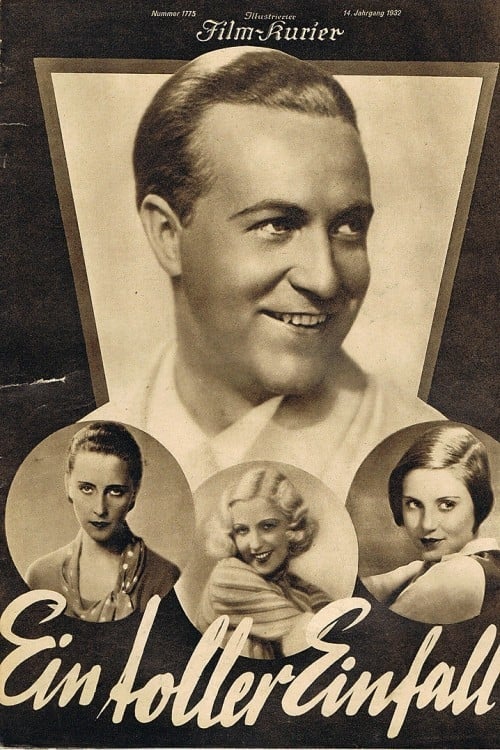
A series of stupid coincidences causes the young Munich painter Paul to convert his uncle's castle into a hotel for four weeks. But he can't complain: business is good and he has plenty of guests. For exmple, there's Theo Muller with his revue troupe. For reasons of "sound", Muller calls himself "Miller", which, of course, causes more confusion. His daughter, the beautiful Evelyn, is confused with Mabel Miller, who has come to the hotel on a mission for her filthy rich father ... namely, to estimate the worth of the castle.

A Mad Idea

1932
Countess Mariza
8.0

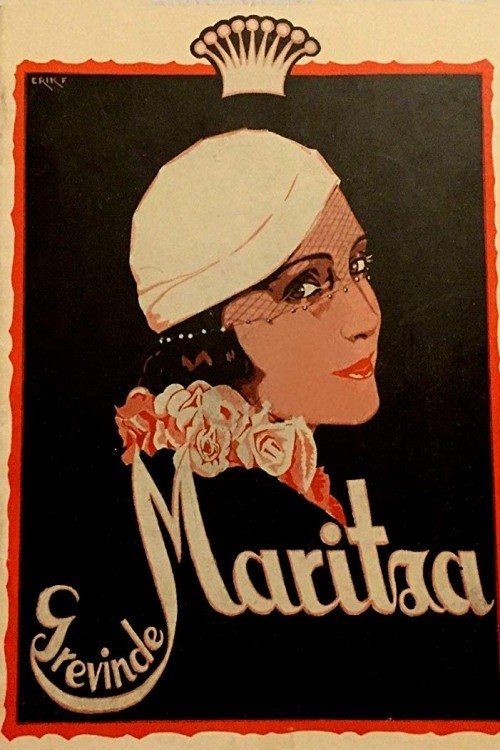
When Gräfin Mariza visits her country estate it is certainly an event. She gives a party to celebrate her engagement to a certain Koloman Zsupan, who unexpectedly shows up. Her authoritarian ways collide with Török, her manager. Based on Emerich Kálmán operetta.

Countess Mariza

1932
Unternehmen Schlafsack
10.0

During the closing stages of the Second World War, a bureaucratic mistake leads to a German officer being reassigned from the dangerous Eastern Front to Berlin and a new non-existent unit.

Unternehmen Schlafsack

1955
Cradle Song
10.0

In a deeply cloistered convent, nun Dorothea Wieck raises a foundling to be Evelyn Venable. But at 17, what if, guided by a kindly doctor, she sees the world and finds love?

Cradle Song

1933
Behind Monastery Walls
7.0

Thomas Holinka has returned home from war and captivity. In the absence of a suitable home, he finds himself in what seems to be an abandoned monastery. When the nuns return, a conflict is inevitable because Holinka is addicted to alcohol and gambling .

Behind Monastery Walls

1952
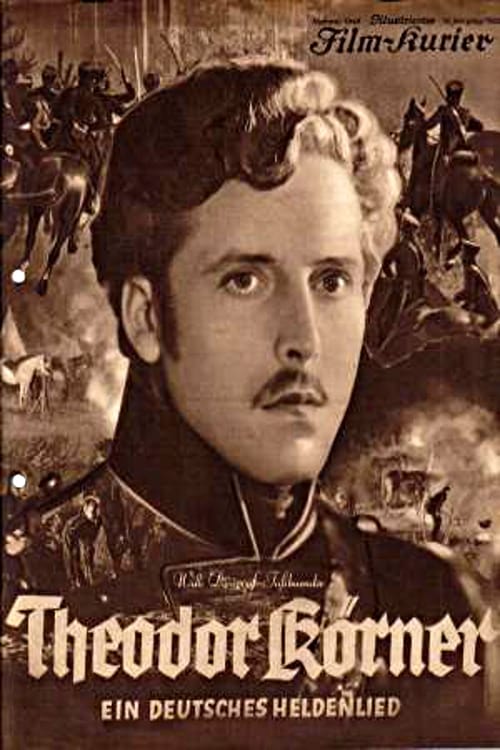
Theodor Körner
5.8

No description available.

Theodor Körner

1932
Das Mädchen und der Staatsanwalt
7.0

A mother is sentenced to one year in prison for matchmaking her underage daughter with her adult boyfriend.

Das Mädchen und der Staatsanwalt

1962
Anna and Elizabeth
4.4

The two main people in the story are Anna, a young girl, who is thought of having the ability to heal people mysteriously. Elisabeth is a young - middle aged aristocratic woman, that is disabled and puts all her hopes in meeting Anna and having her disability heal by her. A strange ambivalent relationship develops between the two women.

Anna and Elizabeth

1933
No image
7.0

No description available.

Morgen wirst Du um mich weinen

1959
Grand Hotel
6.8

Based on a book by Vicki Baum, all of the action takes place in one day in a luxury hotel in Berlin. Grusinkaya is a ballerina staying at the hotel, other guests include Baron von Gaigern a sophisticated thief, Otto Klingelein a dying man, Preysing a businessman, and a stenographer. Events intertwine the lives of these strangers, bringing them together for some dramatic moments.

Grand Hotel

1959