Acting
No description available.
This Hungarian musical comedy (English title: Spring Parade) was produced by Joseph Pasternak, who later remade the picture in Hollywood as a Deanna Durbin vehicle. The original 1934 version stars Franciska Gaal as a Hungarian serving girl who heads to Vienna to visit a relative. Stopping over at an outdoor carnival, Gaal is told by a fortune teller that she will enjoy a happy marriage with a handsome and wealthy stranger. Later on, she finds herself at a fancy dress ball, where a good-looking aristocrat, assuming that our heroine is a countess masquerading as a peasant, falls in love with her. Delighted that the fortune-teller's prophecy seems to be coming true, Gaal finds herself in a dilemma when she falls in love with poverty-stricken soldier Wolf Albach Retty. But things turn out OK when Retty, the regimental drummer, composes a hit song which brings him fame and fortune, thereby neatly fulfilling that prophecy.
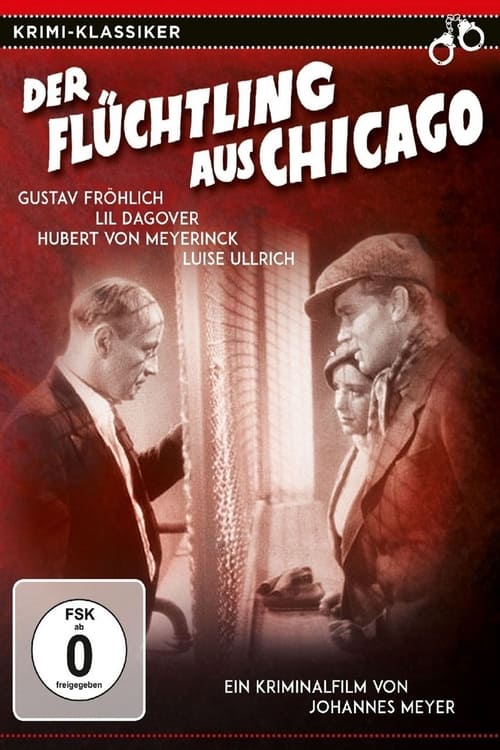
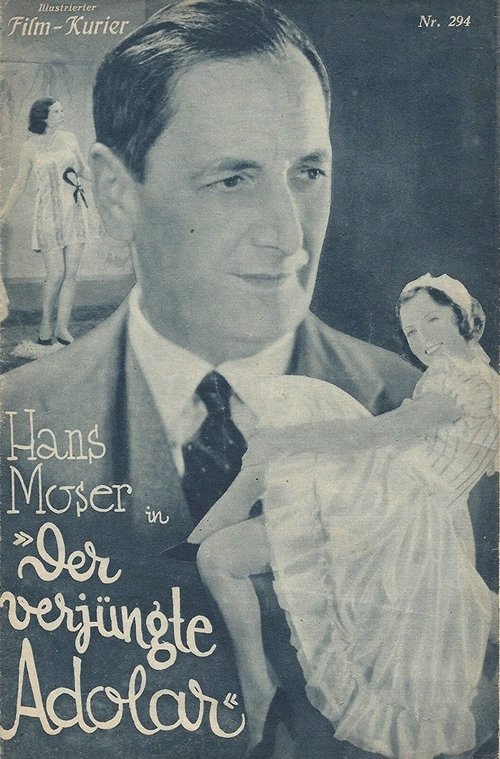
Werner Dux, heir of the big car company "Dux-Werke", is a gambler who has just been arrested in Chicago for shooting a cardsharper. While in jail, he learns from his friend Michael Nissen that his father has died recently. That means that the Dux-Werke are without a leader at the moment, for Werner's cousin Steffie, who is his co-heiress, is still too young to run the firm. In this situation, Werner convinces his friend Michael, who is an engineer by profession, to take over the firm as long as he is in jail and to pose as him. Michael agrees and is able to bring the firm up again. He even arranges a reliability test for motorcycles via Istanbul, Rome and Barcelona, which creates a big Turkish order for the company. When the real Werner escapes from jail and arrives in Germany, it looks as if the whole story is up to bust. But Werner needs money, so he convinces Michael to go on as before and hand over all profits of the firm to him.
Dr. Mabuse and his organization of criminals are in the process of completing their latest scheme, a theft of information that will allow Mabuse to make huge profits on the stock exchange. Afterwards, Mabuse disguises himself and attends the Folies Bergères show, where Cara Carozza, the main attraction of the show, passes him information on Mabuse's next intended victim, the young millionaire Edgar Hull. Mabuse then uses psychic manipulation to lure Hull into a card game where he loses heavily. When Police Commissioner von Wenk begins an investigation of this mysterious crime spree, he has little to go on, and he needs to find someone who can help him.
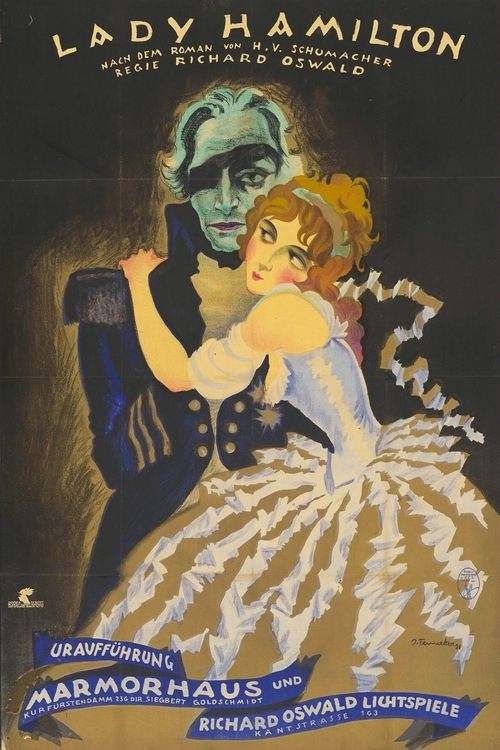
The married Lady Emma Hamilton has an ill fated romance with Admiral Horatio Nelson.
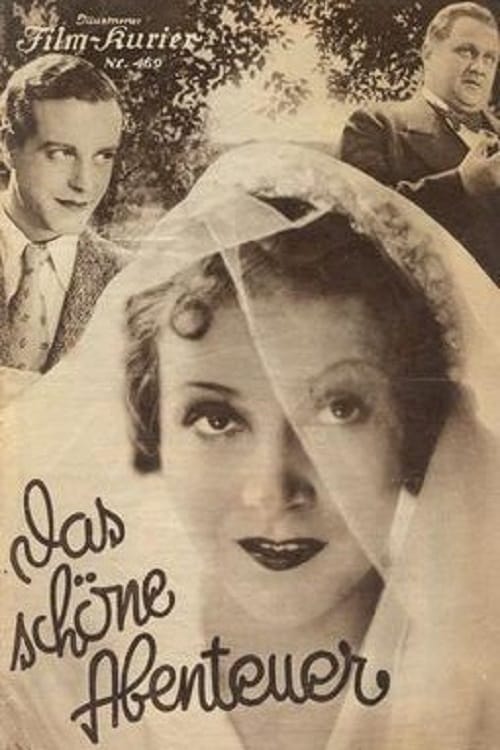
Helene has agreed to marry a man that she isn't in love with. On the day of her wedding her cousin arrives just in time to rescue her and they run away together. They stay with her aged grandmother who assumes the young man (whom she doesn't know) to be the new husband and has prepared a bridal bed for them.
Variety star Kaja falls in love with fisherman Peter. But he in a unfortunate situation kills a man and is sentenced to ten years imprisonment. Kaja promises to wait for him, but things go badly for her.
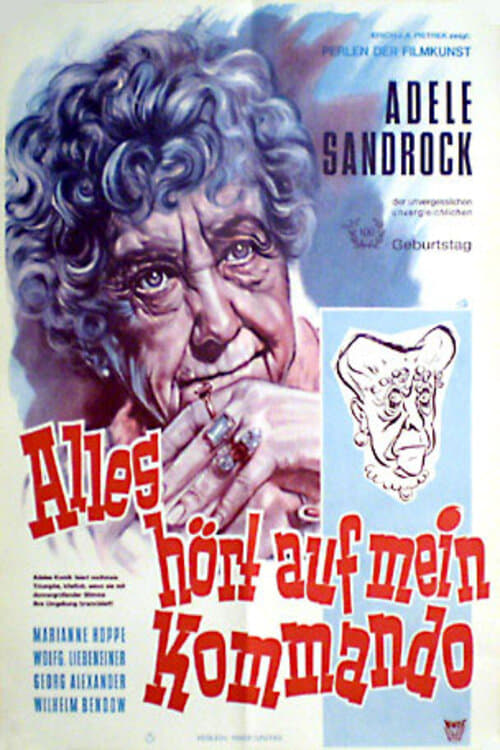
For more than 50 years, Pauline Neuber has directed the "Olympia" theatre, but lately, business has been bad. It appears that no one will be able to make it better either: the audience doesn't seem to like the plays; the press even less so; and the shareholders of the theatre want to sell their shares. In short, the "Olympia" has one foot in the grave. Erich, grandchild of Pauline and always underestimated by her, gets to know Hella Bergson, the daughter of the theatre critic Peter Bergson, and falls in love with her - but doesn't have an idea whose daughter she is. He plays her some melodies from the first operetta he's ever composed and Hella convinces him to have the operetta performed in the "Olympia". During rehearsal of the operetta, however, a fight breaks out between Erich and Hella over a stupid misunderstanding.
Helena is a 1924 German silent drama film directed by Manfred Noa and starring Edy Darclea, Vladimir Gajdarov and Albert Steinrück. The film was based on the poem the Iliad by Homer. It was released in two separate parts: The Rape of Helen and The Fall of Troy. It was produced by Bavaria Film at the Emelka Studios in Munich. The film was made on an epic scale with thousands of extras, and large sets which rivalled those of the larger Berlin-based UFA.
A comedy loosely based on the life story of Johann Friedrich Böttger, the inventor of Meissen porcelain: In Berlin, the pharmacist Fritz Böttger gains a reputation for being able to make gold and is imprisoned on the orders of the Prussian king. Following in the footsteps of a young lady, he flees to Saxony, but is also imprisoned in Dresden and forced to make gold. Although he does not succeed in this, by chance he discovers how to make porcelain instead. Augustus the Strong appoints him baron and director of the royal porcelain manufactory.
Princess Stauffenstein has arranged a marriage for her grandnephew Poldi and orders him to meet his unknown bride Steffi. But he falls for alluring dancer Ilonka while his uncle Leopold, sent to reason with him, is enchanted by Steffi.