Writing
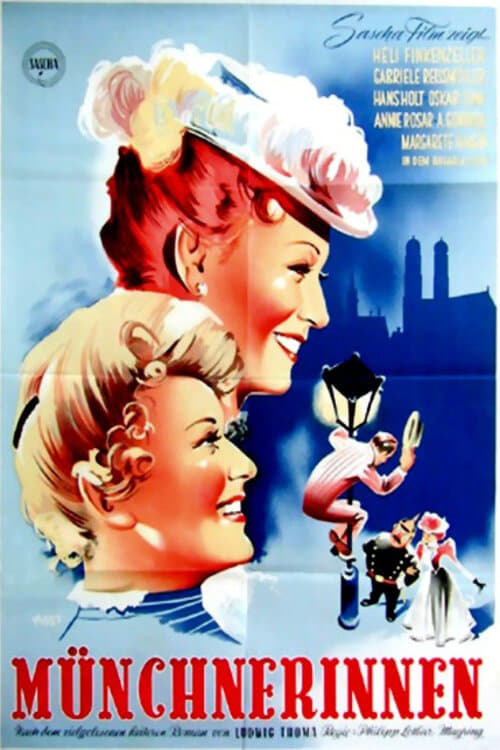
The love between a noble student and the daughter of a coffee house owner, set against clichéd images of Munich at the turn of the century.
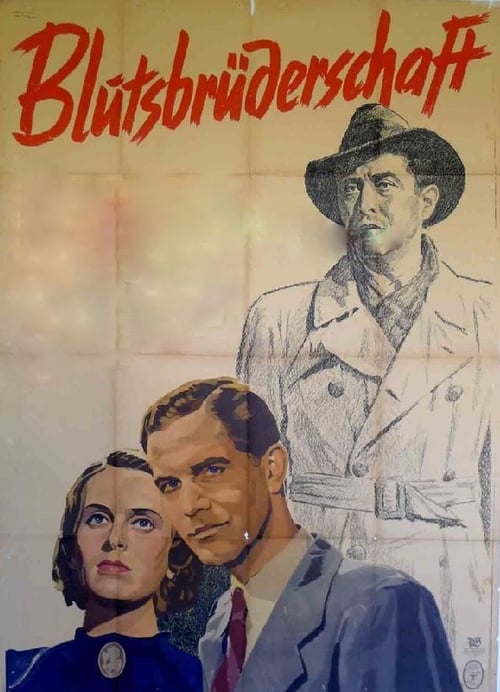
On November 11, 1918, the last day of the First World War , Lieutenant Colonel Klaus Olden desperately tried to hold a lost post with his unit. The rescue appears in the form of pilot Jochen Wendler, who shows up with his plane and drops ammunition. When Jochen's machine is shot down immediately, Klaus manages to pull him out of the wreck at the last second. Both are injured and taken to the hospital , where they are cared for by the attractive nurse Barbara, a childhood friend of Jochen. The two men form a blood brotherhood and drive together with Barbara to East Prussia , where they want to visit relatives of Jochen on their estate . But the relatives' yard was destroyed in the war. The post-war period turns out to be an economic disaster.
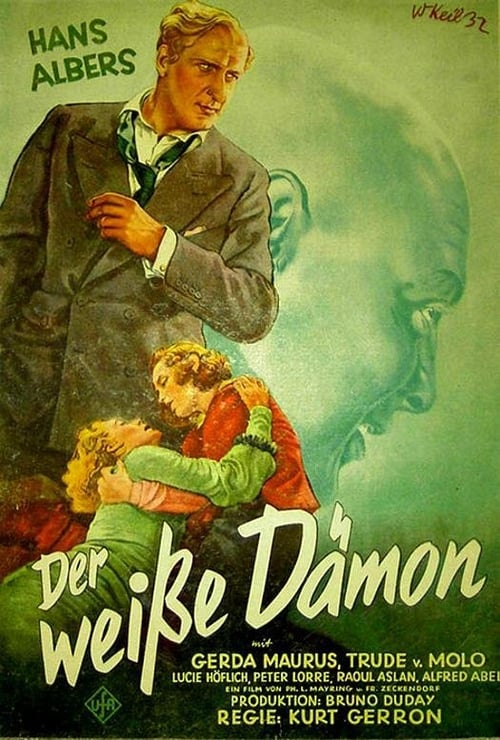
When Albers takes his drug-addicted opera star sister Gerda to a sanitarium, they both become targets of slimy dope peddler Peter Lorre, who fears that Gerda will blow the whistle on him. Lorre kidnaps the woman, leading Albers on a frantic chase.
The stand-alone opera singer Carmen Casini dare not admit to her adult son, the spoiled race car driver Cecil, that she ruined her voice on a stormy day at the racetrack and that her career is thus at an end. Meanwhile, Cecil has fallen in love with the pretty Colette … without suspecting that her father, the wealthy Bartell, was a former lover of his mother and that he’s Cecil’s daddy. Thus, both Carmen and Bartell try to prevent the unfolding love-relationship between brother and sister, because this ain’t the Ozarks, you know! Only after the unhappy Cecil tries to commit suicide after an argument with his mother do Carmen and Bartell realize they still love one another. Suicide attempt be damned; let’s go out on a date! A movie that screams “Fun for the whole family.”
The plot revolves around an oil swindle in a South American country.
A romance between two temperamental singing stars. Highlights include a lengthy selection from Faust, with Gigli making a most impressive Mephistopheles. The plot takes a melodramatic turn towards the climax, with the lives of the characters mirrored in their on-stage behavior. Director Carmine Gallone was something of an expert in the field of filmed opera, as witness his Tosca, Rigoletto and Il Trovatore.
Three soldiers on very short home leave visit Berlin. One isn't from there and runs around with his guide book being perplexed by all the things that are different now. Another visits his wife and his baby. The third enters a romance due to a mistaken identity.
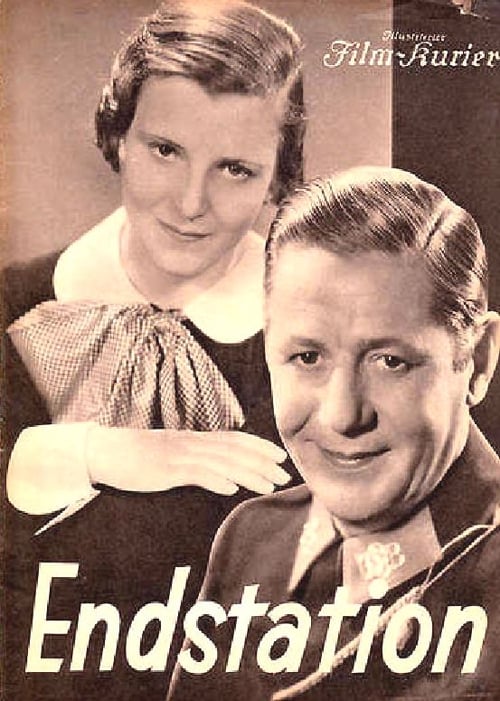
Endstation offers the American viewer tantalizing glimpses of busy, bustling mid-1930s Vienna. Otherwise, this minor yarn of an amorous streetcar conductor is strictly formula material. The film benefits from the star power of Paul Horbiger, resplendently garbed in an elaborate conductor's uniform. Also worth noting is the performance of Maria Andergest as the woebegone hatmaker whose fate is inextricably linked with hero Horbiger. Incidentally though the direction is credited with one E. W. Emo, Paul Horbiger actually called most of the shots on Endstation.
Biography of the life of the circus performer Alfredo Codona.
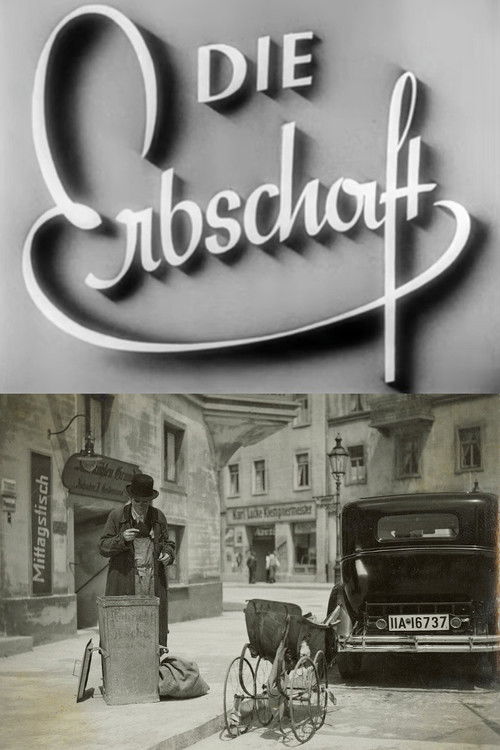
Short Film from 1936. Banned by the Nazis. First shown 1976. Karl Meier and his wife are some really poor folks. They don't have much to eat and they cannot pay for their flat. Even the bailiff does not know what to take from them anymore. One day they are told that they made an inheritance, because some relatives died recently. Their financial problems seem to be solved now.
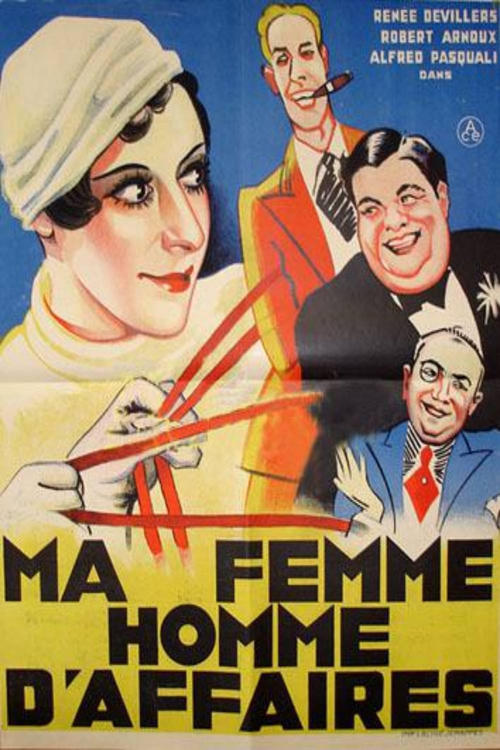
Pierre is timid while his wife is ambitious and suffers from his mediocrity. She pawns everything she owns, rents a sumptuous apartment in a palace, and through bluffing, Pierre is appointed director of a perfume factory and the enterprising Arlette sees all her desires come true.
A farm boy betrothed to a socialite falls in love with his maid - an impoverished girl from the marsh.
Ahab pursues a whale that chewed off a leg when his brother, vying with him for the hand of a minister's daughter, pushed him overboard. When he has caught the monstrous whale he will then deal with his brother.
In 1812, during the French period, large parts of Germany are occupied by the troops of Napoleon. Several paramilitary Freikorps units battle the French forces, among them the Black Brunswickers led by the 'Black Duke' Frederick William of Brunswick-Wolfenbüttel. After the War of the Fifth Coalition, the Black Hussars are pursued by Napoleon throughout the country, but frequently take refuge with the noble-minded German people.
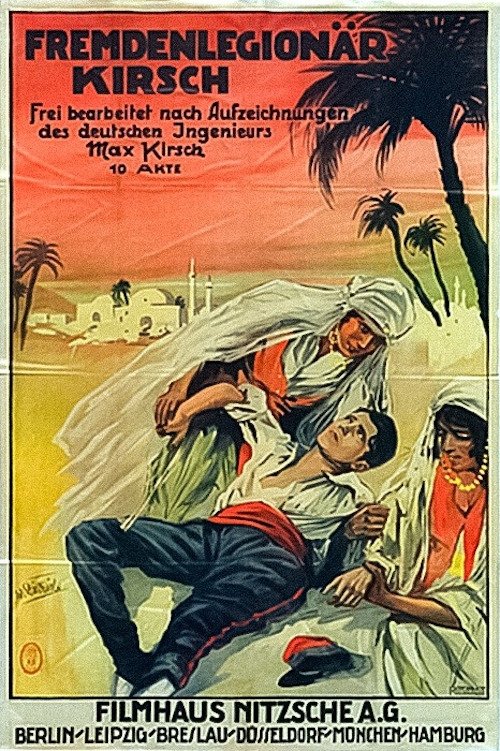
On the eve of the Great War, an expatriate German working in Latin America learns that the Fatherland is in peril, and risks various obstacles to get back to Europe to join the ranks of fighting men.
This is the German-language version of 1930's "Those Who Dance", shot by Warner Bros. in Hollywood with a German-speaking cast.
No description available.
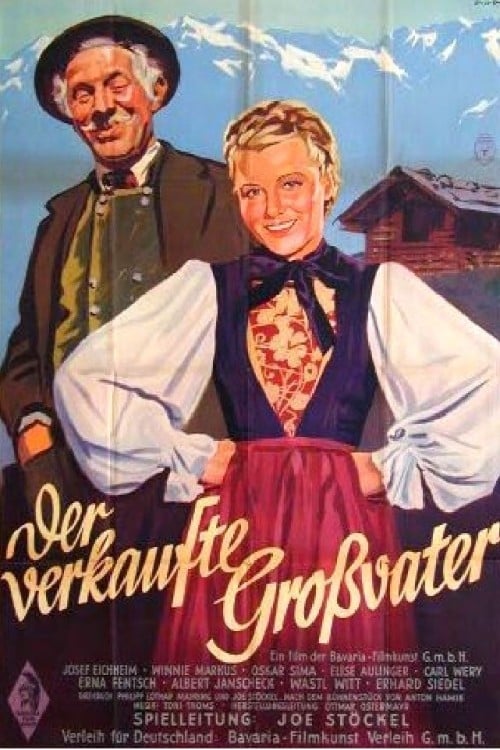
The unscrupulous dealer Haslinger has paid off a debt note worth 1000 Mark from the peasant Kreithofer and now wants the man’s farm in return for the debt settlement. Then, suddenly, a rumor pops up that Grandfather Kreithofer is a rich man, who wants to leave his entire estate to his grandchild Lois. Grandpa started the rumor to help his grandson out of the mess, who, as luck would (not) have it, is also in love with Haslinger’s daughter, Ev. But no sooner does Haslinger hear of this rumor, that he wants the old man to move in with him, leave the debt to him and give permission for the kids to marry.
During the Prohibition the US government has been just as successful at stopping drinking as they have been in the War on Drugs. Customs Officer Arne Kolk is determined to stop the alcohol smugglers at any price.